Medical professionals have a pretty rough existence. Besides the long hours, shift work and overall lack of appreciation by their patients, they’re usually living their daily lives within the confines of everyone’s else’s physical and mental ailments. And the current pandemic makes it no easier. On the flip side of that coin, patients usually hate divulging information about themselves, especially information about their private lives and habits.
Where those two sides meet in the middle is when medical professionals ask patients certain key questions, only to have the patients flat out lie about. Or at the very least, stretch or omit the truth. Everybody does it. Hell, I’ve been guilty of answering differently than what I should have on a few occasions. There are a number of reasons why people do this.
For some, it’s to prevent embarrassment. From bad habits to potential addictions, some feel that lying or omitting certain pieces of information related to their habits will save face. Fair enough, I can see that as being a normal human instinct. For others, it may be because they don’t know better. Asking if you’re on any other medication or supplements may seem like an easy answer until you say “no” despite taking multivitamins, workout supplements over even over-the-counter meds.
Then, we unfortunately have the stubborn bastards who simply think, “They don’t need to do that to do their jobs…” When one’s life depends on the outcome of your doctor’s findings, maybe you should let THEM decide what they need to know or not. And that’s the takeaway. Instead of withholding information or lying about it, some transparency can help avoid some unnecessary complications. Let’s examine a few, shall we?
It Can Alter The Effectiveness Of Treatment Lying or omitting information from your doctor can lead to complications with prescribed medications and treatments, rendering them ineffective or changing how they react to the body.
It Can Alter A Diagnoses Picture a doctor asking someone if they smoke, who in turn states that they don’t and never have. Meanwhile, the patient in question actually DOES smoke. The problem with this is it can lead to your doctors or medical practitioner looking for the cause of a symptom in the wrong place. Same applies to alcohol, excess sugar, sedentary lifestyle (not exercising) and bad eating habits. This will all cause particular ailments and symptoms that your doctor will have difficulty treating if they aren’t “in the know.”
It Can Cause Severe Harm Or Death Think I’m exaggerating on this one? Think again… This piggybacks on the earlier point I made, but lying or omitting anything you may be taking can cause severe reactions with medications your doctor prescribes. Imagine dying because that weird workout supplement you decided to order online that comes from someplace you can’t spell, interacted and reacted with your actual prescribed meds?
Doctors and medical practitioners are here to help. If they’re asking, assume they need to know or have a valid reason. If you have someone with you whom you feel less comfortable answering in front of, perhaps you should reschedule or ask that person to leave the room. One good example is a doctor asking how many sexual partners you’ve had but you don’t want to say more than one because your significant other is there… Awkward!)
Ultimately, this is a bit like a bad, 80’s zombie movie where one of the main characters gets bit but doesn’t tell anyone until it’s too late. Then, not only do they end up dying anyway but they take a bunch of folks out with them. Don’t be that person. Be honest. Be transparent. Be open. At the end of the day, not only does it make your doctor’s job significantly easier, it also ensures your increased safety when dealing with medical matters. Food for thought…☯️
Something that a lot of people seem to sell short is the occasional need for good ol’ peace and quiet. And this can be an extremely difficult thing to obtain, especially in modern society. I recognized this issue last summer, when I was sitting outside in my garage on a warm, sunny day. Some birds were chirping, a light breeze was making the beaches of nearby trees sway and I was peacefully puffing away on a cigar (Yes, yes, I know! Bad habit! One problem at a time, people!)
As I settled into my moment of serenity, I began to notice an audible hum in the air. It was almost unnoticeable at first, like something fleeting at the very edge of my hearing. I slipped into a light meditative state and allowed myself to open up to what I was hearing. I came to realize that among the chirping birds and summer breeze was the background noise of hundreds of cars on the highway about a kilometre away, the rumble of a passenger plane passing overhead and various sounds of society and industry.
It took away some of the magic of my afternoon, especially since once I recognized it was there, I couldn’t “I hear” it. We live in a pretty quiet, suburban neighbourhood of our city and I usually pride myself on being able to get the aforementioned peace and quiet during the warmer seasons by sitting outside. But this post isn’t about noisy neighbourhoods, it’s about the need for quiet as a part of your life.
Surprisingly, many people are uncomfortable with the quiet, preferring a constant barrage of background noise and something to fill the auditory void, whether they’re watching television, reading a book or even trying to sleep. I, myself, use some white noise or Netflix to fall asleep at night. Although the white noise is perfectly fine and in some cases recommended, using a lit screen with a streaming service isn’t the best for a variety of reasons, but that’s one for another post.
The point is, occasional quiet is a good thing. It allows you to simply BE with yourself, something not a lot of people indulge in. The person who should you best is you and without being alone with your thoughts, it’s pretty hard to take that particular step of self-discovery. But even if you’re comfortable being alone with your thoughts, modern life doesn’t always allow for it. After all, as I always say, life doesn’t care about one’s plan…
I noticed how badly I missed having periods of silence when my wife and I recently put the baby down for a nap and our oldest was in the basement entertaining himself. The tv was off, she was reading a book and I was searching for something online through my phone. At some point, I realized that my breathing had slowed, I felt calm and the house seemed peaceful. I commented about it to my wife and I recognized that this is the kind of benefit that silence can bring.
There are some who may argue that once you are adept at meditation that you can do it anywhere, regardless of the distractions. While this is an arguable point (try properly meditating while your 7-year old is running circles around and screaming), some quiet will make it easier for you to do most things. Meditation will be easier, practicing karate is easier and simply letting your head cool while you contemplate the matters of the day will be easier.
Whether you enjoy the quiet or not, don’t sell it short. It can provide unspoken mental and physical health benefits and make the rigours of the day easier to get through. And if you’re in a situation where finding a moment of silence is difficult, there are ways you can still get a moment, whether it involves taking a drive to grab coffee or even staying up a bit later so you can have some quite time once the kids are asleep. Trust me, peace and quiet can be worth the effort. ☯️
In the course of my training, I’ve been exposed to a number of different things that may relate to the martial arts but aren’t always directly connected. Traditional forms of medicine being one of them. For those who may not be “in the know” or are unclear, traditional medicine refers to the practice of diagnosing, preventing and healing ailments before the time of modern medicine, which is where we are now. Despite its arcane and older origins, many people aren’t familiar with the various aspects of traditional medicine and many doubt its effectiveness or worth.
At the risk of sounding opinionated (because I never do THAT), traditional Chinese medicine has been around for over 2,000 years, with modern medicine as we know it only existing for the past few hundred years. Even though older doesn’t always mean better, it stands to reason that having had this form of medicine around for this long has got to mean that there’s some inherent value to it. Of course, I think bloodletting is the stupidest thing in the world but it’s been around forever and is still used in some parts of the world, today. So, there’s that, I guess. But I digress…
I recently helped an old friend of mine with some writing he was doing for some schooling and it reminded me of some of the materials I’ll talk about today. An Acupuncturist from back home in New Brunswick, he’s made a successful life of maintaining a traditional medicine practice and helping to heal others. I’m thinking I may have written about this before, but at this point I think y’all should expect that some of my material will start to repeat itself. M y mind isn’t a bottomless pit, after all. Here are the three forms of traditional medicine I’ve been exposed to the most, in recent decades:
Acupuncture
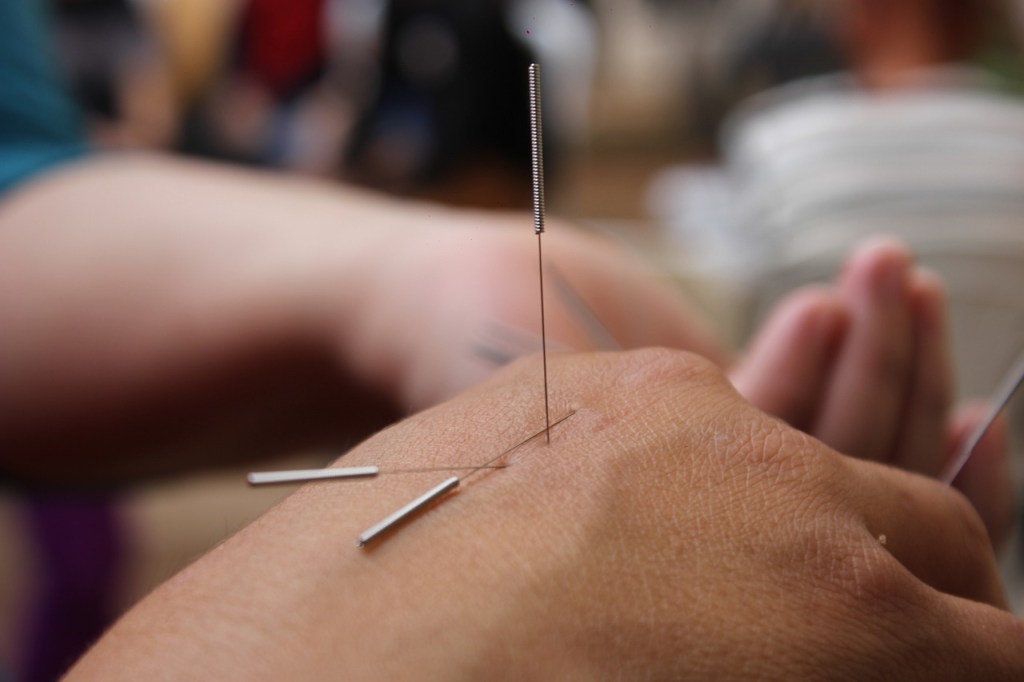
I think just about everyone is familiar with acupuncture in some way, shape or form, even if they’ve never experienced it. Rather than try and define it myself, I’m leaning on an article posted by the Mayo Clinic, which states, “Acupuncture involves the insertion of very thin needles through your skin at strategic points on your body. a key component of traditional Chinese medicine, acupuncture is most commonly used to treat pain. Increasingly, it is being used for overall wellness, including stress management.”
Although traditional practitioners of acupuncture believe that the insertion of needles helps to rebalance one’s flow of energy, western medicine tends to attribute the effects to the stimulation of nerve endings and muscles, which boosts your body’s natural painkillers. No matter what the thought process, acupuncture is no different than any other form of medicine. It works for some but not for others. One of the biggest problems with traditional medicine is that it often takes several treatments to see any measurable results and in today’s society of immediate gratification, most people prefer popping a pill that takes immediate effect.
The jury is out on how effective modern-day acupuncture may be. I know that I experienced it, back in 2007. I was travelling from northern New Brunswick to Ottawa and decided to stop in at my friend’s place for the night, the same friend mentioned in the third paragraph. He had just started his acupuncture studies and asked if he could practice some insertions on me. I agreed and he had me lie down on a mat and proceeded to insert a couple of needles near and in the elbow joint of my arm. He manipulated the needles a couple of times and it was slightly uncomfortable but not painful.
When he was done, I asked him what the needles were supposed to do, to which he replied that he had “stimulated my digestion.” Assuming nothing worse, I got back on the road for the short, 2-hour drive to Ottawa. Within an hour, my stomach made a gurgling sound the likes of which I had never heard before. I was suddenly struck by bad stomach cramps and before I knew it, I was struggling to find a public washroom as I felt the onslaught of an expulsion I would be powerless to stop, coming my way. I purged my gut for what seemed like forever. “Stimulated my digestion,” indeed. Asshole. He could have warned me. The point is, that shit works.
Acupressure
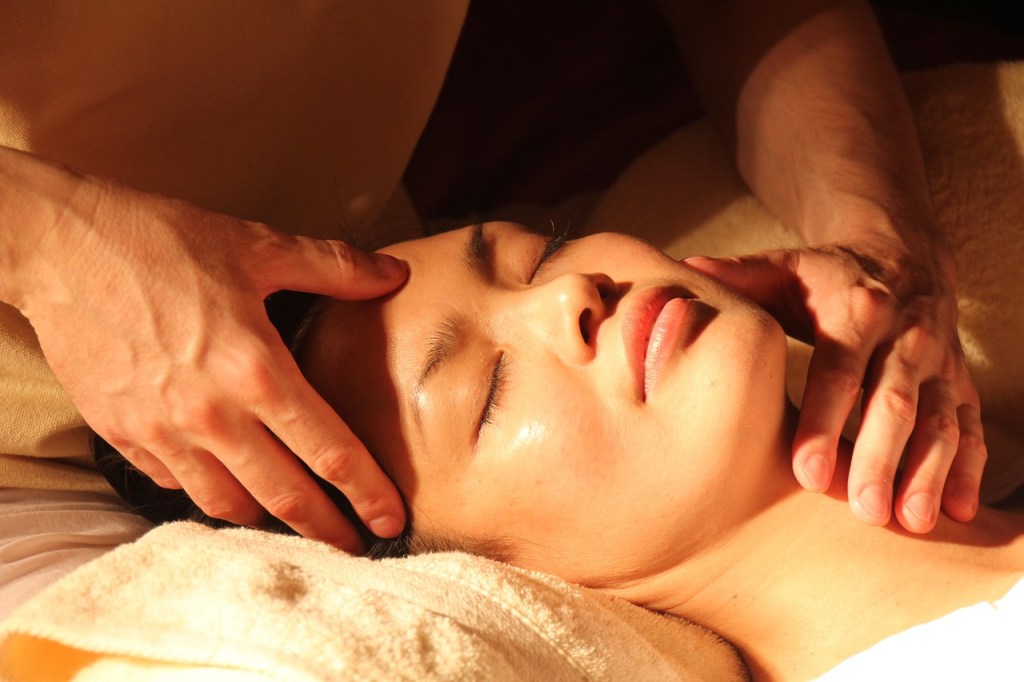
Acupressure is a form of traditional Chinese medicine that’s based on acupuncture but uses applied pressure from the hands and fingers as opposed to needles. it functions on the basis of increased blood flow, better circulation and shares the concepts of increased energy flow with acupuncture. This is the form of traditional medicine that my Sensei practices and it should be noted that acupressure is almost ALWAYS combined with some other form of naturopathic or traditional medicine, such as herbology, reflexology, massage or acupuncture.
The jury is out on acupressure, with various studies advocating its effectiveness in helping to alleviate certain pains and ailments in the body and even more studies arguing that there’s a significant amount of bias involved and that there really isn’t any viable evidence that acupressure is effective. In my opinion, massages do a great deal to alleviate pain. So does a chiropractor. And through my study of the martial arts, I’m aware of the existence and use of pressure points in certain aspects of combat arts. When you combine all of those factors together, you more or less get acupressure.
Chinese Herbs
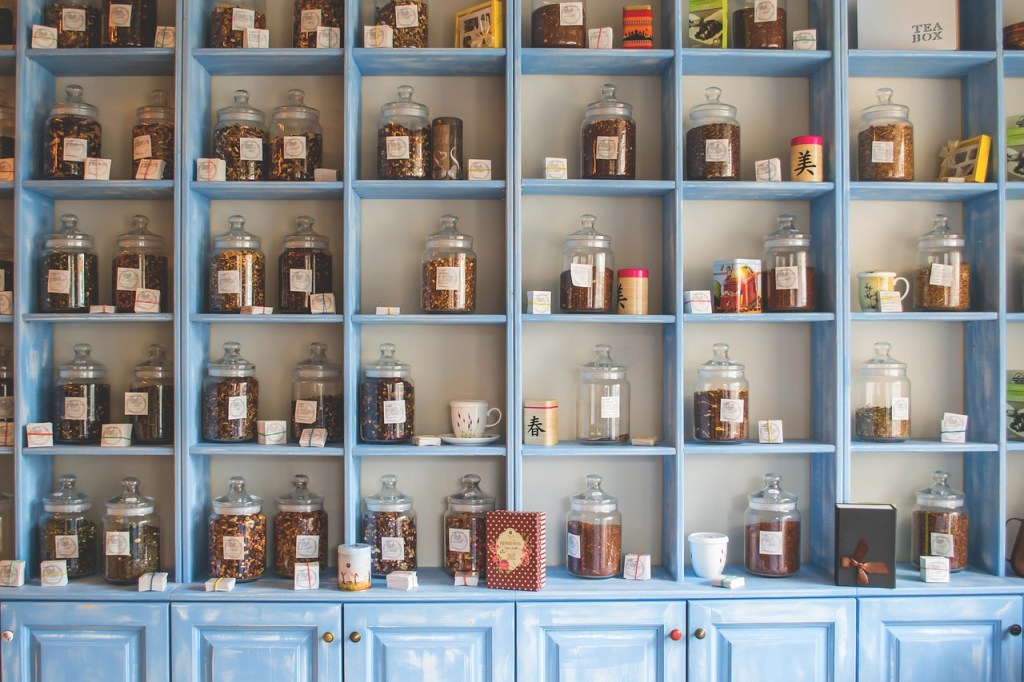
This is always a sticky one for people, because most of the population fall under one of two categories: those who think herbs work and those who don’t. The ones who don’t are usually bound by the western logic that modern medicine alternatives are faster, safer and more effective than their-herb-based counterparts. The ones who solely adhere to herbs believe that modern medications are al chemical-based and do more harm than good. The reality is that there’s some truth to both. Modern medications are a combination of things that are found in nature anyway.
Chemicals are nothing more than the combining of naturally-occurring substances through artificial means. The difference between using these artificial compounds or herbs simply involves speed or immediate effectiveness. Once again, this is where that mindset of immediate gratification or results comes in. Some herbs can be very effective at helping certain ailments but they can take a lot longer than their modern counterparts. A really good example are the various teas that are sold just about anywhere that can help with digestion, headaches, stomach aches, menstrual pains and vast array of other conditions. I’ve used tea in a lot of instances, minus menstrual pains, of course. They work, but one could easily argue that it doesn’t kick in or show a measurable or noticeable effect like taking an artificial counterpart.
The important thing is to be wary of starting anything new or different without consulting your doctor or medical practitioner AND ensuring that you do your research before trying any new form of treatment. You want to be certain that you’re dealing with someone trained and certified to practice the form of traditional medicine they profess to be knowledgeable on. Although I can’t speak for other countries, any and all of the different forms of traditional medicine I listed above requires years of study to become proficient. Don’t be afraid to ask to see their certification; if they’re on the level, they should have no issues letting you see it.
And don’t be disappointed if you try something and it doesn’t work. Out of ten people with a headache, maybe only half will be able to treat it with a pill. For the others, a pill won’t work. It’s the same for traditional medicine. It’ll work for some and not for others. So even if your best friend claims that acupuncture changed their life and got rid of all their aches and pains, be aware that it may not work quite as well for you. Food for thought… ☯️
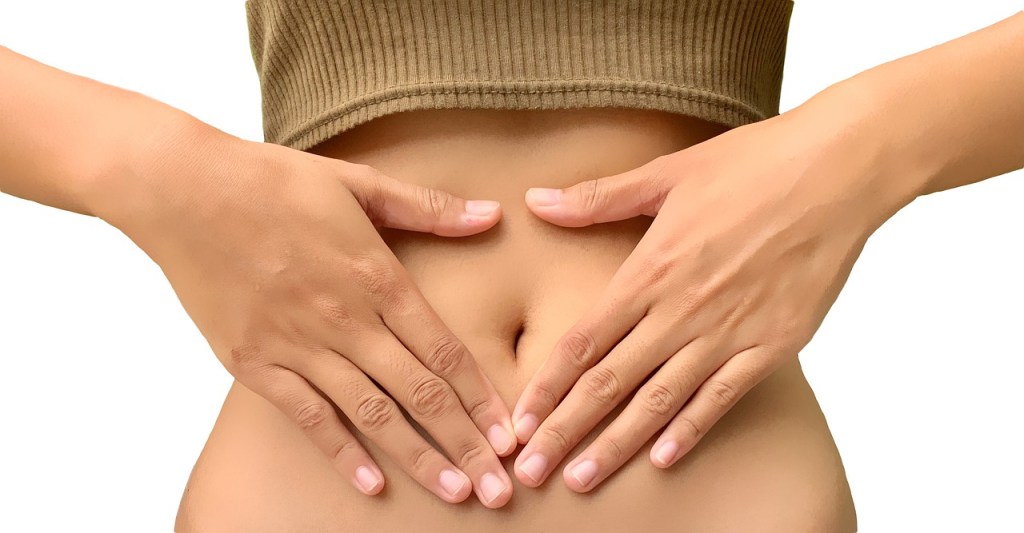
Most of us don’t bother to take the time to contemplate everything that happens inside our bodies. We know we have a heartbeat and that it’s responsible for moving blood around the body and to our brains. We know that we have lungs and that they’re responsible for our ability to breathe air and get oxygen into our body. Our stomachs digest our food and our posteriors expel the waste from the leftovers. But outside of the basic functions of these systems, we rarely stop to consider the importance of certain systems in relation to our overall health.
In recent years, a good example has been how good oral health has been linked to cardiac health. One would never assume that brushing one’s teeth regularly would be associated with good heart health, but there it is. Most of the time, when we consume something, we do so because we’re hungry and we count on our calorie consumption to provide us with the energy and nutrition we need to get through the day. But there’s a lot going on in the ol’ gut that we rarely consider. And there’s plenty we can do to help move things along that improve one’s overall health.
According to an article posted by HealthLine.com, “The human gut is more complex than previously thought and has a huge impact on whole body health.” When you stop to think about it, everything you eat contributes to your overall health, which is what the article goes on to say, “A healthy gut contributes to a strong immune system, heart health, brain health, improved mood, healthy sleep, and effective digestion […]” Some of that seems to address the aspects I was referring to in my opening paragraphs.
Some of the best things you can do to improve your gut health is to monitor and control what you’re loading into it. A well-known food for good gut health is yogurt. But some of the ones that people may not consider include fermented foods, such as kimchi and miso. I single those out because I’ve eaten my fair share and I enjoy them. But a healthy dose of probiotics will help with overall gut health and you can even find probiotic supplements, these days.
Another good type of food to consume are ones that are high in fiber. You’re likely thinking that’s a no-brainer, and you’d be right. High-fiber foods listed by that HealthLine article include legumes, beans, peas, oats, bananas, berries, asparagus and leeks. If you ask me, leeks are fucking disgusting, but I’m game for the rest of that list. In fact, I’ve included all of that list (except peas and beans) into shakes I’ve been making with my mini blender.
Outside of what you eat, there are a number of things that can help promote proper gut health. These include keeping your stress levels low (not easy, in today’s climate), getting enough sleep and exercising regularly. Staying properly hydrated, AND with the right fluids will also go along way to promoting good gut health. When I refer to the right fluids, I mean staying away from alcoholic and caffeinated drinks as these can actually dehydrate you and caffeinated drinks are a diuretic. Changing your diet to accommodate these things can be achieved by consulting a dietitian or your medical practitioner. As usual, you shouldn’t try to completely alter your diet and lifestyle without consulting your medical practitioner.
Trust your gut; it takes better care of you and the overall functioning of your body than you know. The last suggestion I’ll make before stepping off my gut-soaked soapbox is to recommend not eating before bedtime. Even your gut needs to rest at night and if you spend half the night digesting those wings you thought were a good idea at midnight, it can lead to heartburn, indigestion, stomach pains and lack of proper sleep. One’s body can be compared to a house of cards; one wrong move can bring the whole system down. ☯️
Yesterday was the first day of 2022, and how did I start the New Year? With a workout, of course. New Year’s resolutions are spotty at best, usually leading to people lacking, lagging or altogether give up by the month of March or April. This is through no fault of their own, usually. It’s simply human nature. As living creatures, we generally tend to favour the path of least resistance and when we impose conditions on ourselves that take away habits we enjoy, foods we like to eat or vices we want to give up, our body has this tendency of fighting us.
That’s why this year, I’ve chosen to simply work on improving upon myself in a generalized manner as opposed to making a resolution that aims at specific habits or things. So yesterday, I kicked things off with a military workout I found a few years ago. It can be a brutal circuit, using only one’s own bodyweight. The workout is typically supposed to take about half an hour, but doing it correctly with a healthy speed usually takes between 20 to 25 minutes. It’s an extremely handy workout and can be done anywhere. I’ve done it in my office, bedroom, hotel rooms, anywhere. I thought I would take the time to share the circuit. Here we go:
Now, did I REALLY have to write out every line of repetitions? Not particularly, but on previous occasions, I’ve found that people don’t clearly understand the process as I explain it. Plus, writing it out this way makes it easier in the event anyone chooses to print it out. I found this workout a few years ago and I believe it was in an old edition of Men’s Health. The circuit is one half of a total workout that the military uses when confined in small spaces, such as on a submarine.
I hammered this circuit out prior to the lunch hour and needless to say, my legs are feeling it just a little bit, today. Not a bad way to start the year. Maybe today I’ll go run some cardio and fight off some of this extreme cold we’ve been having. But for those of you who are looking for a new, easy challenge, this circuit may be the one for you. It’s nice to try out some new things and see what results you can get. When it comes to fitness, variety can be the spice of life. ☯️
The holidays can be a fantastic time to kick back and enjoy some family, festivities and most of all… food. The problem with this is that during the holidays, we have a tendency to overeat and work out less. I know that for myself, it’s been a rough couple of weeks. The week prior to Christmas involved my eye injections and finishing out my work week prior to going on holidays. And this week involves my actual holidays, which has included a number of delicious meals and deserts baked by my lovely wife.
During these two weeks, focusing on one’s fitness can be difficult. After all, with gatherings, gift opening, staying up late, sleeping in and dealing with the kids, finding an hour here and there to work out becomes more difficult than usual. And that’s taking into consideration that finding time for one’s fitness is already a challenge during the regular daily grind. Oh, I’ve managed a few 30 or 40-minute weight workouts from home. But it’s been a while since I managed a solid sweat.
A couple of days of wicked snowfall meant that I found myself shovelling and blowing snow in -30 degree weather. It was freezing out and made for some exertion. My blood sugars seem to bottom out when I spend any period of time outdoors in the freezing cold. But that didn’t seem to happen, this time. But it’s been a slow couple of weeks and I have to admit that I’m starting to feel it. Despite being back on CGM and SmartGuard with better blood sugar levels, my overall physique has suffered and my body is voicing its displeasure at my laziness.
No one likes to get up early while on vacation. This limits the amount of time in the day, especially if you’re lucky enough to have kids who let you sleep. Mine fall under the medium category, where some mornings they’re up at the butt crack of dawn and others, they let us sleep almost until 10 a.m. Since we don’t bother with alarms during the holidays, the kids basically dictate when we wake up. This means that the golden hour when everyone is still asleep, when I could be hammering out a quick body-weight workout or doing some katas.
I definitely find myself needing to get back on the fitness train. If only for the fact that I know my circulation is lessened and my knees and legs are killing me. Gotta love this whole Diabetes thing! And that’s the other issue; enjoying all the perks and fun parts of the holidays can play hell with one’s blood sugars. While indulging in all of those baked goods and luscious meals, don’t forget to monitor your blood sugars often and adjust for the added carbohydrates.
As I’ve often written before, there’s no problem with taking a little break from fitness. But if you’re reaching a point where your overall fitness seems to be lagging and your body is telling you that you’ve been sitting idle for too long, get back into it! Your health, blood sugars and overall wellbeing depends on it. Find an hour here and there, even just half an hour, where you do something, anything. Take a walk, go for a run, hammer out some quick dumbbell reps… Anything is always something more than nothing, right? ☯
It’s a bit ironic that I’m writing this post on a Monday, since I took this week off. While most people tend to focus taking time off during the week of Christmas, my wife and I took this week off, keeping us at home during the week leading up to New Year’s. The reason I say it’s ironic, is because this post was prompted by a conversation I had at work. I was chatting with one of my employees about the fact that everyone is good at SOMETHING, but that the path they walk will ultimately be different. Even if two people train to master the martial arts, the environment, conditions and motivation behind doing so will differ.
This is important because in life, there will be things you will be good at and some things that you’ll basically suck at. And the latter part is okay. No one is meant to be absolutely fantastic at everything and the ones who say they are, are not only lying to themselves, they’re lying to everyone to whom they say it. I’m not saying that there won’t be some people who won’t have a natural tendency to be good at things in general. I’m referring mostly to achieving some mastery over a particular thing. For example, most people don’t know that I tried a variety of martial arts styles before I landed on karate.
Some of those styles were very good, in their own way. But if I based my decision to pursue the martial arts based on the results of those attempts, I never would have gotten to where I am now. I still remember my first visit to a Tae Kwon Do class and realizing that I had neither the skill, ability or motivation to go spinning through the air like a top to land a kick. Even at the young age I was, I couldn’t understand why they didn’t just kick in a more straightforward manner instead of trying for all the high-flying fanciness… but I digress…
One can’t be good at everything. And that’s okay but it’s something you have to make your peace with. You have to be okay with it. Because the time you spend pining over what you may have realized you’re not good at, could be time used to pursue and achieve things that you ARE good at. That would be a terrible waste and even the things that you may be good at, need to be pursued and strived for. None of it will ever happen on its own. So push hard and be okay with your failures; they’re al part of the journey. Food for thought… ☯️
Recently, I wrote about how I discovered that my medical insurance only covered about $1,000 of Diabetes medical equipment. This means that in a calendar year, my insurance will only cover three to four months worth of reservoirs, infusion sets and CGM. Basically, anything tangible that isn’t medication. Towards the end of November, I made the decision to save a few bucks by burning through my stocked supplies by using my extra Freestyle Libre sensors, even if they don’t communicate with my insulin pump and won’t make micro adjustments. this means that I spend much less time “in range.”
Despite the handiness of the Freestyle Libre, I’ve come to realize over the past month that I’m dependent on CGM and the SmartGuard system. Having a programmed insulin pump that regulates my insulin and blood sugar levels for the majority of my day and keeps me within a healthy range is something that I’ve gotten far too used to and that I’ve also taken for granted. I finally knuckled under last week and paid out of pocket for a box of CGM sensors so that I could start back on SmartGuard and have the pump take over management of my blood sugars.
In some ways, a lot of ways, I’m disappointed in myself. I’ve only been on an insulin pump for about six years and on CGM for about two years. Prior to that, I managed my blood sugars and kept myself alive through my own, direct, hands-on efforts. So it catches me a bit by surprise and disappoints me that I’ve become so dependent on a piece of technology to keep the groove going. But I’ve noticed something important during the four to five weeks I’ve been without CGM; I have been feeling like absolute, unfiltered shit. And it’s lead me to ask an important question: Is this what Diabetics always feel like?
I should probably explain. I was diagnosed with Type-1 Diabetes when I was only 4-years old. During the first five to six years, I suffered through all the typical complications that one would assume; hyper and hypoglycemic episodes, mood swing, Diabetic Keto-acidosis and even living through a few comas, one that lasted almost a week. Luckily for me, I suffered no brain damage from any of these (at least that I know of) and by the time I reached the age of 10, I took control of my own health and Diabetes and joined karate. This was the turning point that would ultimately save my life and bring my health to the forefront of my daily routine.
The bottom line is that since the age of 10 when I took control of my own destiny, I’ve struggled and fought my way through a number of obstacles in the past three decades. But the reality is that I’ve had it pretty smooth. I had the benefit of staying in good health, clean nervous system, clean cardiac system and I still have all of my toes and appendages. I’m afraid I can’t say the same of all the Diabetics I know. But how I’ve been feeling recently since coming off of CGM, I’ve come to understand how fragile the balance I’ve built has actually been
Compulsive sweats, varied teeter-tottering from low to high blood sugars and the opposite, lack of sleep, restless legs and random pains, twitches and mood swings… It all sounds a little too much like my teen years. And we all know how much of a bastard I was back then! Well, most of you likely don’t know, since you weren’t there. But I’m sure that any readers who remember me from my childhood could attest to the fact that I wasn’t QUITE as pleasant as I am now. Yes, I’m tooting my horn. Just let me have it…
My point is that I’ve been through the Diabetic trenches and came out better than most. Some of it was determination, some was competent doctors and some of it was sheer force of will, refusing to let my life be forfeit without some attempt at control. And of course, some of it was basically dumb luck. Back then, if you’d asked me if I felt worse than the average person, I would have said no. Because I didn’t know better. As the years have melted away, treatments and how I live my life have continued to grow and improve.
Because of these improvements, my quality of life has continued to improve and once I came to be on the insulin pump, my life changed for the better. Once I included CGM, it became even better still as I enjoyed the benefits of the best A1C readings I’ve had in over 20 years. But all of that came crashing back down and I lost it all as I came off of SmartGuard and CGM. As some of you may have read in previous posts, I often make a point of being pretty harsh against the use of modern technology, despite the fact that some of it is keeping me alive. But I will humbly admit and agree… CGM and SmartGuard makes a measurable difference in the life of a Type-1 Diabetic.
I’ve been back on the Guardian 3 Sensor and SmartGuard for almost a week now, and have been enjoying stable blood sugars, better sleep and improved health. I essentially no longer feel like shit. And that’s saying quite a bit. I’m a firm advocate that all things happen for a reason. As much as it pisses me off that a newly-joined health plan doesn’t cover the very equipment that’s keeping me alive, I think that it’s taught me a very important lesson about my Diabetes care and how I approach it. Ignoring technology and its advancements is no longer an option. ☯️
I get to climb into a frigid vehicle in an hour or so and make my way to Saskatoon for eye injections. Again.As much as I’d like to bitch about those injections and be bitter about them, they keep me from going blind, so I can’t complain TOO much. No, the focus this morning will be in being prepared for the road during winter conditions.
People will travel, no matter what the situation. Hell, look at how many people are still foolishly jamming themselves into a contained metal tube with recycled air to fly around to different places. Given the pandemic, this is likely the dumbest thing one could do at the moment. But, hey… Have lack of intelligence, will travel… But I digress.
Now that I’m off my soapbox and can focus appropriately, let’s discuss how one can ensure they’re prepared during winter travel. In a car. My eye injections are considered mandatory travel since without them, my vision would start to reduce. I’ve had to travel through excessively snowy conditions, snow storms, you name it. My training has been helpful, but not everyone has that training. As a law enforcement officer for many years, I’ve seen the unfortunate results of collisions during the winter months.
If you’re going to travel during winter months, it’s important to pack your vehicle will some vital items. For example, bottles of water and emergency candles are good items to keep stuffed away in your cargo area. A first aid kit, extra cloths and a booster pack for the car can also be life-saving. Most people carry a cell phone these days, but on the off chance you aren’t one of them, carrying emergency flares and a flashlight can be especially helpful.
The important hung is to make sure you don‘t allow yourself to be fooled by the thought of travelling in a warm vehicle. It takes very little time for a stalled vehicle to turn into a refrigerator. So be sure to dress to the weather outside, not how warm you think you’ll be inside. Lastly, be sure to carry a small shovel in the vent you soft land in some deep snow. And if you’ve never done basic vehicle maintenance, like change a tire, you should try it so you’ll be familiar with the process and be able to do it safely.
As I always say, life doesn’t care about one’s plan. Inclement weather and bad roads can make for hazardous travel conditions. If you MUST travel, it’s important to take all precautions to ensure one’s safety. Now if you’ll excuse me, I need to get some caffeine into my system and hit the road. Wish me luck! ☯️
I was thinking recently, about how it always seems that I get sick during the winter. And I suppose that makes sense, right? Colder weather, differences in atmospheric pressure and going from hot to cold constantly when one goes inside to outside or vice versa, all tend to wreak havoc on a person’s immune system. And I don’t need to tell you that a Type-1 Diabetic’s immune system isn’t all fun and games to start with, right? If it weren’t for issues with my good ol’ immune system, I wouldn’t be T1D to start with.
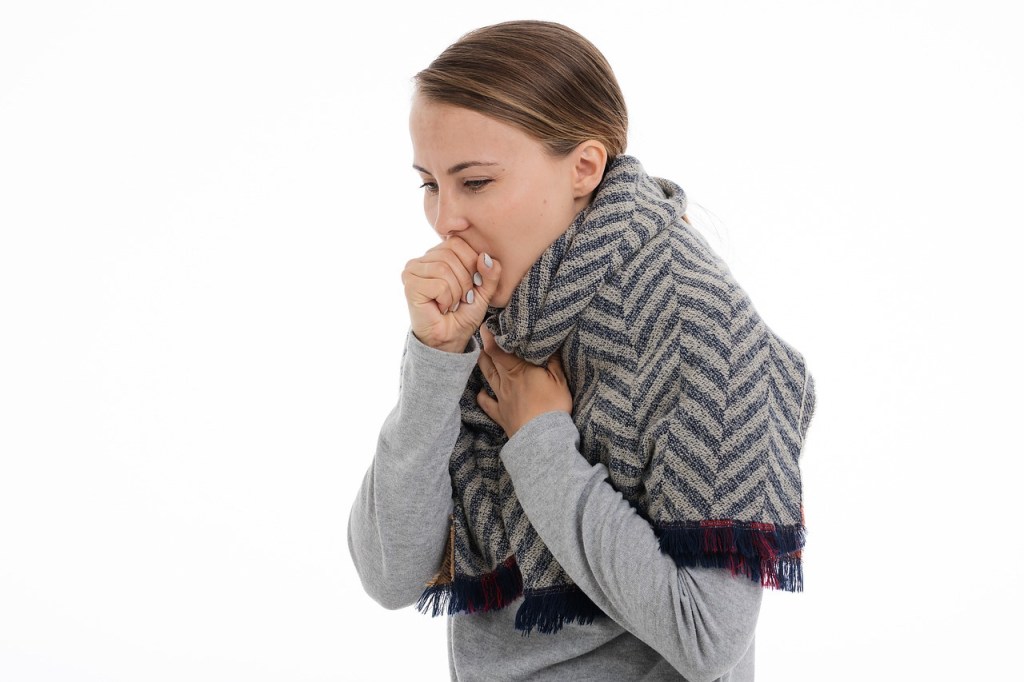
Last weekend, I started to feel that familiar yet unwanted tickle at the back of my throat. You know the one; a mild itch that makes you think you’re going to cough but it never quite comes out? Combined with my sinuses thinking that it would be a good idea to coat all the interior surfaces of my throat, it was a clear indication of what I already suspected; I was getting sick!
I should start by pointing out that contrary to most jokes and memes one can find online, I don’t do “man flu!” That is to say, I don’t crumple into a disgusting pile of self-pity as soon as my nose gets stuffed up or I have a few body aches. Considering the life I’ve had, if that was all it took to incapacitate me, I‘d be dead by now. I know that there’s a running joke that guys turn into big babies when they’re sick. And perhaps that’s true for some. But I wasn’t forged that way.
Last Saturday was a break day for me, having done a free-weight workout the day before and feeling some of the stiffness in my arms and shoulders. With the exceptions of some mild stretching to keep from seizing up, a Costco run with the entire family was all the workout I needed for the day. But on Sunday, maybe against good judgement, I still ran my 12k at the gym while wearing my sauna suit. I came out of that workout flushed, sweaty and exhausted but I assumed it was no different than my average runs. I was wrong.
By the evening, I was stuffy, raspy and sounded like something out of a bad horror movie. My wife wasn’t feeling great either, so we opted for an early bedtime to get some rest. Turns out that my Diabetic system had some different ideas. By the time midnight had rolled around, my blood sugar was SO LOW that my sensor couldn’t even register a reading other than “LO.” Since I felt like proverbial shit, I staggered to the kitchen where I carbo-loaded like it was going out of style.
Once I sprawled back in bed, playing the fun game of “too hot, too cold,” I finally drifted off to a fitful and shallow sleep. I awoke at about 4 am to found that my blood sugars had sling-shot in the opposite direction and I was sitting at 18.0 mmol/L! Considering I didn’t think I had eaten THAT much, was this MY bad, or was it the illness playing rollercoaster tycoon with my blood sugar levels. I’ll never know… I adjusted my insulin levels to compensate and fell asleep for another hour before waking up for work.
It shouldn’t be all that surprising, and if I’m being honest, I don’t like the way my posts often sound like I’m whining and complaining about all the issues associated with Type-1 Diabetes. But the unfortunate truth is that something as simple as getting the common cold can completely throw off the delicate balance that a properly controlled Diabetic may have been working on for months. It can be frustrating, more so on the Diabetic front than catching the cold itself.
There are a couple of important aspects to bear in mind as it relates to getting sick with Diabetes. The first one is hydration. You think you’re prone to dehydration now? Catch a cold and see how long it takes T1D to dry you out like an autumn leaf! That’s why it’s important to maintain a steady flow of liquids while you recover from whatever you may have caught. You want to avoid drinks that will do more harm than good, like alcohol or coffee. Yes, I know… That last one actually had to be forced out, but coffee is a diuretic and will contribute to dehydration.
The next is steady monitoring of your blood sugar levels. And I can’t stress this one enough. What’s worse for me right now is that I currently can’t afford CGM and am using Freestyle Libre. For those who may not be in the know, the difference is that CGM will check my glucose levels and communicate with my pump to make micro adjustments that help to keep my blood sugars in range. The Libre requires me to physically check my levels with a phone app (I try to get at it once an hour) and physically determine what insulin levels I may require in order to correct.
A slight inconvenience and if you’re T1D and using neither of these options, I think we can agree that poking your finger for a traditional blood glucose check every hour can be tedious. But it’s better than the alternative of potentially dropping to a dangerously low level or slipping into DKA for being too high. Last but not least, if you’re illness causes you to lack an appetite, be prepared to force the calories in, in some way, shape or form. Whether you have broth and dry crackers or something small, your nutrition needs to be maintained for faster recovery and continued health. Stay healthy! ☯️







 The Blogging Buddhist