I found the above illustration a short while ago and it spoke to me. I like how the illustrations shows the giant carrying everything material on his back and is attempting to scoop up pieces of nature to keep “feeding the machine.” At least, that how I’M interpreting it… And if you look closely enough, you’ll see a person, presumably human, stand beneath the giant firing an arrow up at it, suggesting that not all people are the same as what this short message indicates.
I don’t believe myself to be perfect in any way, shape or form and I can honestly say that I see myself in some of the things I write about. But i see some of the truth in this illustration with how one need only to step out their front doors to see everyone who isn’t actively behind the wheel of a car (and a few who are) with their faces firmly buried in the screen of a smart device. People associate success with the accumulation of things, instead of the accumulation of memories and experiences, which is a shame since life has far more to contribute than how big your house is, or how expensive your car is. Food for thought… ☯️
Although it’s taken me years to do so, I’ve slowly come to realize that making exceptions and changing up daily routines often isn’t worth it. And yes, this is going to be a bit of a rant about a Diabetic issue, so buckle up. This realization struck me in the face like a snowball with a rock in the middle, last Wednesday night.
I got home at about 9 pm after an excellent karate class. I felt good, my blood sugars were in normal range and I guzzling water and electrolytes to stave off the easy and slippery dehydration that tends to sneak up on me when I train. Although I had some writing and studying to do, my wife mentioned she would not be working any later that night and asked if I wanted to watch a couple of episodes of something. I obliged.
A little after 10 pm, my wife headed off to bed, which is what I would have typically done, as well. But I had laundry going and since I had another karate class the following day, I wanted to make certain my gi was clean. So I told her to go ahead and crash and I’d be joining in a little while, once I had laundry completed. As luck would have it, I got into watching some Star Trek (don’t judge) and got laundry done, getting my head on the pillow at about half past midnight.
Considering I wake up anywhere between 5:30 to 6 am, this wasn’t the brightest move, since it would only allow of drive or six hours of sleep. I made my peace with, convinced that I was reaching the end of my week and that I could get away with the loss of a few hours’ sleep by supplementing with caffeine and staying busy at work. My dark passenger (Diabetes) had other plans…
My wife got up at about 2 am, as she has this system where she starts her work from home before everyone else has woken up. Good for her, but I’m not down for that bullshit. In fact, my years as a police officer taught me to appreciate being able to stay firmly in my bed until morning. But about thirty minutes after she vacated the bed, my pump went off. 3.9 mmol/L. Fan-fucking-tactic. I scarfed a dozen jellybeans I had at the side of my bead and closed my eyes.
At about 3:15 in the morning, my pump went off again. 3.7 mmol/L. Not only had the jellybeans not raised my blood sugars, they were continuing to drop. Not good. I wolfed down the remainder of the jellybeans I had in the bag, which was a little more than a dozen, and tried to go back to sleep. I got to almost half past four when my pump started blaring an alarm at me and display a sensor glucose of 2.9 mmol/l!
What the hell was happening??? My blood sugars were in normal range when I finally hit the sheets. The only thing I could think of, is that I usually have a small snack in the evenings but that night, I chose not to. Maybe that would have been enough to cause my blood sugars to drop? I staggered out to the kitchen, since I had exhausted my jellybean supply and found my wife still working away at the table.
I gulped down a couple of packages of grapefruit segments and about two cups of Froot Loops before passing out once again. When I woke up at 6 am with my alarm, I felt like I had been struck by a freight train. When I checked my pump, I was reading at over 20.0mmol/L. Of course, I was… I had apparently overdone it and my blood sugars slingshot to the other end of the spectrum. I spent the next four hours of my day, slowly reducing my blood sugars and bringing them back to normal.
You may be asking, why am I telling you all of this, besides to bitch about the difficulties surrounding Type-1 Diabetes? It’s simply to show that even when the waters are calm, there’s always the potential for rough currents beneath the surface, In this case, despite having normal blood sugar levels and everything appearing normal, it didn’t take much to send me into a rollercoaster ride of bad readings. Maybe next time, I should stick to my routine and have a snack before bed. Food for thought…(pun intended). ☯️
No, this isn’t a quote from the Bible as many people are inclined to believe. If I didn’t know any better, I would assume the quote was penned by my late grandmother, who had an intense form of OCD that had her constantly cleaning to the point where she’d walk around her house by sliding her feet on a couple of pieces of paper towel for the following two days. Luckily I’m not THAT bad, but cleanliness is important, which brings me to the point of today’s post…
Maintaining a consistent workout routine can be challenging, especially if you happen to be working a full-time job and handling personal and family responsibilities on a daily basis. For some people, working out can be a very relaxing thing, but many people neglect proper cleanliness AFTER the workouts and this can lead to some smelly and disgusting issues.
If you’ve ever been to a public gym, you’ve noticed that they always (or at least should) provide spray bottles and rags to disinfect and wipe down equipment after each use. The same thing applies to one’s personal workout items. Oh, and one’s body. You gotta wash that body! Nothing worse than someone funking up the immediate area because they hammered out a workout and chose not to shower. Just take the five minutes and wash yourself up. Damn! But I digress…
One of the most well-known issues with sweaty gym gear, specifically clothing, is that leaving them unwashed will make them smell bad. That’s a no-brainer, right? But besides the smell, which no one enjoys, leaving them in this state for long enough can also lead to some nasty staining on your clothes and can even lead to the development of mildew. This is especially problematic if you’re the type to get home or go back to work and drop your gym bag in the corner and ignore it for hours on end.
Picture this: you just finished a wicked run of cardio, you’re coated with sweat and you need to get back to the work day. You go back up to your office and drop your gym bag on the floor by the door. Over the next few hours, that warm, moist sweat (yes, I used the word “moist,” get over it) is contained inside your gym bag where bacteria breeds and mildew can form. Do this often enough and stains that form will become permanent.
Something that most people don’t realize is that sweat itself is inherently odourless. It’s the oils and bacteria on our bodies that cause the smell and when that’s soaked into a fitness garment, it needs to be washed as soon as possible. As do you. Failing to do so can cause blocked pores, rashes, acne in places you don’t want (not that you want acne anywhere, necessarily) and increased chafing if you’re foolish enough to re-wear an unwashed garment.
The ideal scenario is to launder your workout gear as soon as the workout is done. Even removing them from your bag and dropping into the laundry hamper isn’t ideal, as you’re just letting the funk sit there. But I if you find yourself in a position where you CAN’T launder your clothes right away, they should be laid out somewhere with good ventilation and permitted to dry. When you DO launder your garments, it’s best to use hot water to help kill the bacteria. Depending on the garment and your comfort level, a splash of bleach can help, as well.
Also, it’s easy to forget some of the unsung heroes of your workout routine. Namely, your gym bag and your sneakers/shoes. These tend to get neglected and the unfortunate reality is that your sweaty gear gets piled into that bag constantly, so if you don’t wash your gym bag regularly, you’re basically piling clean, pre-workout clothing on top of a bacteria colony. Most canvass/nylon/polyester bags can just be dropped into the washing machine, which is a good practice to observe to keeps things clean and smelling nice.
Sneakers can be a bit more problematic, since putting them in the washing machine can alter their shape, ruin the binding holding them together and potentially damage the machine. you ever sneakers in the wash? It sounds like the bass drum from a marching band booming over and over. One option is to spray an alcohol solution inside and outside the shoes in order to kill bacteria. There are plenty of sources on the web that will explain how many parts of isopropyl alcohol to water you should use. Grab yourself a spray bottle from your local retailer and you’re off to the races. And since alcohol tends to evaporate quickly, your shoes are dry in no time.
Last but certainly not least, never skip a shower if you’ve worked out. Ever. That is all. Seriously, even if you feel you haven’t sweat much and can get away with it, you should still clean yourself up to prevent ALL of the issues I mentioned previously. If you’ve had a light workout and towelled off and returned to work, remember that others are more likely to smell what’s coming off of you than you will. Not the reputation you want and not something others deserve in their work environment. Food for thought… ☯️
I scarcely remember life before I was diagnosed with type-1 Diabetes. bearing in mind that I’m in my 40’s and I was diagnosed at the age of 4 years old, that should be all that surprising. But I do have memories of enjoying certain foods with impunity, drinking sugared soda and being able to go to bed without getting poked by needles and wondering if I would make the night. And no, before anyone starts commenting, the aforementioned consumption didn’t play a role in my being diagnosed with Diabetes.
Although the content of some of my posts tends to repeat itself, I find that some of them are worth a reminder, every six months or so. I’ve written about Diabetic symptoms before, but it’s never a bad thing to get a refresher. This can be particularly important for folks who WORK with Diabetics, as not everyone is as forthcoming about their health in the workplace as I am. There a lot of reasons for this, including embarrassment. Some people are embarrassed at the prospect of divulging ANY health condition, but there’s often a stigma behind Diabetes where a good portion of the population assumes it’s caused by poor diet and lack of exercise.
I’ve always lived by the concept of full disclosure, choosing to divulge my condition and its potential symptoms and treatments, as opposed to claiming privacy or keeping it hidden. When it comes to a condition that could potentially kill me if something happens and no one knows what’s happening, I prefer this method to the alternative. But that’s just me; to each their own. But it’s good to recognize some of the outlying symptoms of Diabetes, in the event someone in your life may be diagnosed with this condition.
In someone who hasn’t been diagnosed, it may be noticed that they’ll have an increased thirst, increased hunger and frequent urination. In fact, these three symptoms may be the most common in someone who hasn’t yet been diagnosed. But body weight fluctuations, mood swings and irritability, fatigue and blurry vision will also appear. In children and even some adults, they may catch themselves wetting the bed in stages where they wouldn’t have done so before.
One would think that bed wetting may be a strange symptom. The problem is that since a Diabetic person doesn’t process glucose properly and creates that increase in urine (frequent urination, remember?), the strain on one’s bladder can cause wetting of the bed where there was none before. I know that when I was first diagnosed, I wet the bed for the first few weeks until my blood sugars were brought under control. The temporary solution was to have me wear a diaper to bed, which was SUPER fun for a 4-year old. But i digress…
But for someone with Diabetes, there can be different symptoms based on whether you’re experiencing high or low blood sugars. I should point out that these symptoms can also be subjective to the person and are not all-encompassing. For example, high blood sugars will cause many of the overall symptoms of someone who hasn’t been diagnosed. This can include thirst, frequent urination, fatigue, nausea and body pains. Someone may get close enough to you to realize that your breath also has a fruity tinge to it.
The increased thirst is the worst, in my opinion, since it causes what I call “the Diabetic Loop.” You have increased thirst and dry mouth, so you drink more water. This aggravates the frequent urination and makes it worse, having you running for the bathroom constantly. But you’re still thirsty, so you pile more water down your gullet. Rinse and repeat. It can be a particularly huge pain in the ass during the night when you’re trying to sleep but your bladder wakes you almost every hour.
If one is suffering from low blood sugar, they may experience or demonstrate symptoms such as shaking, sweating and pale skin. They’ll have difficulties concentration and may be irritable or even violent. This is a particular one because in my case, the irritability comes out when my blood sugars are high. Low blood sugar may cause confusion and numbness in some extremeties (I used to know I was low because my tongue would go numb, of all things).
The irritability thing is subjective but tends to happen because your brain needs glucose to function properly. This means that if you’re suffering from low blood sugar, your brain isn’t being fed adequately and may malfunction, for lack of a better term. It can cause a whole slew of emotional responses, most of them not good. I usually get angry, although I prefer to think it’s “hangry.”
If you have Diabetes, you can avoid many of these symptoms with a few lifestyle adjustments and being prepared. Exercise regularly, eat properly, get enough sleep and test your blood sugars often. Just doing these few things will go a long way towards ensuring you don’t have to do battle with a constant armada of Diabetic symptoms.
If you’re a friend, co-worker or family member of a loved one w you believe is experiencing Diabetic symptoms, the situation will always fall under two categories. If the sufferer is able to communicate clearly, he/she will tell you what they need or take care of it themselves. If they are unconscious or unable to communicate clearly, simply call 911.
Although opinions vary, I always advise people never to try and feed a Diabetic any glucose. Setting aside the fact that they could potentially choke on whatever you try and feed them, without knowing whether the person is suffering a high or a low, you run the risk of aggravating the situation. Better to wait for the professionals to arrive and deal with the patient accordingly.
If you choose to keep your Diabetes private, good for you. That’s your choice and you’re free to exercise it. Myself, I’ve discussed my Diabetes at length with my boss and my family, including what treatments I obtain and what preventative measures I take, as well as what they can do if something happens. It’s a hell of a safety net and makes me feel safer. After all, a problem shared is a problem halved, right? ☯️
Protein is an integral part of a person’s health; not just for workouts but for one’s overall body. The jury is still out on the best type of protein but from a personal standpoint, I try to stick to lean proteins, like fish and chicken. The frequent consumption of beef and red meats tend to lead to potential health concerns that I won’t get into here, so let’s not jump on the vegetarian band-wagon, shall we?
My point is that if you exercise consistently, you may seek out additional protein to supplement your diet. Some folks will consume whey protein in a daily shake. Since I’m a fan of consuming a shake as my first meal in the morning, I’m fine with this and there are certainly enough varieties of whey protein on the market to have something for everyone (provided you do your research and consume what’s right for you).
Protein bars can be an easy and effective way of getting your added protein punch, but it’s important to be wary of the bars you buy. If you’re anything like me, the amount of protein contained in the bar will be the first thing your eyes go to. But if you’re not careful, you may catch yourself getting more than what you bargained for. A good example was on a recent trip to a bulk retail location where I wanted to purchase a bulk package of protein bars. For mornings when I don’t have time to make lunches AND prepare a breakfast smoothie, a protein bar can be an easy go-to.
As I was walking down the aisle and trying to decide which brand to purchase, I was watching the front of the box for the protein count. I was pleasantly surprised and excited when i saw a box that boasted over 30 grams of protein per bar! I quickly grabbed a box and dumped it in my cart, satisfied that I had gotten what I was looking for. It wasn’t until we were lingering in a different section that I had the opportunity to pick up the box and start looking at the ingredients.
I should start by pointing out that these bars were chocolate-covered. Alright, chocolate isn’t some all-encompassing devil that needs to be avoided at all costs, but it’s an unnecessary source of sugar and fat. And for Type-1 Diabetics, chocolate is a bit of a nightmare, because it takes a long time for the body to process, so you with won’t notice the blood sugar spike right away, or it will take forever for chocolate to help correct a low. So it’s important to point out that a chocolate covered protein bar is basically a high-protein candy bar, with many of the same pitfalls as simply eating a candy bar.
According to an article posted by HealthLine.com, “Some protein bars are so high in calories and added sugar that they might as well be in the candy aisle.” The article goes on to explain some of the content of various protein bars, including the addition of sweetness to enhance the flavour of the bar. Some of these sweeteners can add an extra amount of oomph to the overall calorie and carb count, making it an unhappy start to your day. If this is the case, you may be better to lean on some other protein-rich foods, such as cheese, hard-boiled eggs, nuts or lean meats.
Protein bars are a subjective purchase, depending on what your overall goal is. They won’t necessarily replace a meal, but they can do in a pinch. I favour Quest bars. They come in at about 200 calories, which is great for helping me get to lunch, and have 21 grams of carbohydrates but 14 grams of that is fibre, leaving me with only 7 grams to bolus for. At 21 grams of protein, it sits at the higher end of things and provides a small hit of calcium and only 8 grams of fat.
The important thing is to read your nutrition labels carefully and choose based on your health, fitness goals and overall bodily requirements. Remember that not all bars are created equal and nothing is more important than your health, so read carefully. And once you find a protein bar that suits your requirements, enjoy! Some of them have some interesting flavours that can add a bit of satisfaction to your day. And your workouts. Food for thought… (pun intended) ☯️
Medical professionals have a pretty rough existence. Besides the long hours, shift work and overall lack of appreciation by their patients, they’re usually living their daily lives within the confines of everyone’s else’s physical and mental ailments. And the current pandemic makes it no easier. On the flip side of that coin, patients usually hate divulging information about themselves, especially information about their private lives and habits.
Where those two sides meet in the middle is when medical professionals ask patients certain key questions, only to have the patients flat out lie about. Or at the very least, stretch or omit the truth. Everybody does it. Hell, I’ve been guilty of answering differently than what I should have on a few occasions. There are a number of reasons why people do this.
For some, it’s to prevent embarrassment. From bad habits to potential addictions, some feel that lying or omitting certain pieces of information related to their habits will save face. Fair enough, I can see that as being a normal human instinct. For others, it may be because they don’t know better. Asking if you’re on any other medication or supplements may seem like an easy answer until you say “no” despite taking multivitamins, workout supplements over even over-the-counter meds.
Then, we unfortunately have the stubborn bastards who simply think, “They don’t need to do that to do their jobs…” When one’s life depends on the outcome of your doctor’s findings, maybe you should let THEM decide what they need to know or not. And that’s the takeaway. Instead of withholding information or lying about it, some transparency can help avoid some unnecessary complications. Let’s examine a few, shall we?
It Can Alter The Effectiveness Of Treatment Lying or omitting information from your doctor can lead to complications with prescribed medications and treatments, rendering them ineffective or changing how they react to the body.
It Can Alter A Diagnoses Picture a doctor asking someone if they smoke, who in turn states that they don’t and never have. Meanwhile, the patient in question actually DOES smoke. The problem with this is it can lead to your doctors or medical practitioner looking for the cause of a symptom in the wrong place. Same applies to alcohol, excess sugar, sedentary lifestyle (not exercising) and bad eating habits. This will all cause particular ailments and symptoms that your doctor will have difficulty treating if they aren’t “in the know.”
It Can Cause Severe Harm Or Death Think I’m exaggerating on this one? Think again… This piggybacks on the earlier point I made, but lying or omitting anything you may be taking can cause severe reactions with medications your doctor prescribes. Imagine dying because that weird workout supplement you decided to order online that comes from someplace you can’t spell, interacted and reacted with your actual prescribed meds?
Doctors and medical practitioners are here to help. If they’re asking, assume they need to know or have a valid reason. If you have someone with you whom you feel less comfortable answering in front of, perhaps you should reschedule or ask that person to leave the room. One good example is a doctor asking how many sexual partners you’ve had but you don’t want to say more than one because your significant other is there… Awkward!)
Ultimately, this is a bit like a bad, 80’s zombie movie where one of the main characters gets bit but doesn’t tell anyone until it’s too late. Then, not only do they end up dying anyway but they take a bunch of folks out with them. Don’t be that person. Be honest. Be transparent. Be open. At the end of the day, not only does it make your doctor’s job significantly easier, it also ensures your increased safety when dealing with medical matters. Food for thought…☯️
Something that a lot of people seem to sell short is the occasional need for good ol’ peace and quiet. And this can be an extremely difficult thing to obtain, especially in modern society. I recognized this issue last summer, when I was sitting outside in my garage on a warm, sunny day. Some birds were chirping, a light breeze was making the beaches of nearby trees sway and I was peacefully puffing away on a cigar (Yes, yes, I know! Bad habit! One problem at a time, people!)
As I settled into my moment of serenity, I began to notice an audible hum in the air. It was almost unnoticeable at first, like something fleeting at the very edge of my hearing. I slipped into a light meditative state and allowed myself to open up to what I was hearing. I came to realize that among the chirping birds and summer breeze was the background noise of hundreds of cars on the highway about a kilometre away, the rumble of a passenger plane passing overhead and various sounds of society and industry.
It took away some of the magic of my afternoon, especially since once I recognized it was there, I couldn’t “I hear” it. We live in a pretty quiet, suburban neighbourhood of our city and I usually pride myself on being able to get the aforementioned peace and quiet during the warmer seasons by sitting outside. But this post isn’t about noisy neighbourhoods, it’s about the need for quiet as a part of your life.
Surprisingly, many people are uncomfortable with the quiet, preferring a constant barrage of background noise and something to fill the auditory void, whether they’re watching television, reading a book or even trying to sleep. I, myself, use some white noise or Netflix to fall asleep at night. Although the white noise is perfectly fine and in some cases recommended, using a lit screen with a streaming service isn’t the best for a variety of reasons, but that’s one for another post.
The point is, occasional quiet is a good thing. It allows you to simply BE with yourself, something not a lot of people indulge in. The person who should you best is you and without being alone with your thoughts, it’s pretty hard to take that particular step of self-discovery. But even if you’re comfortable being alone with your thoughts, modern life doesn’t always allow for it. After all, as I always say, life doesn’t care about one’s plan…
I noticed how badly I missed having periods of silence when my wife and I recently put the baby down for a nap and our oldest was in the basement entertaining himself. The tv was off, she was reading a book and I was searching for something online through my phone. At some point, I realized that my breathing had slowed, I felt calm and the house seemed peaceful. I commented about it to my wife and I recognized that this is the kind of benefit that silence can bring.
There are some who may argue that once you are adept at meditation that you can do it anywhere, regardless of the distractions. While this is an arguable point (try properly meditating while your 7-year old is running circles around and screaming), some quiet will make it easier for you to do most things. Meditation will be easier, practicing karate is easier and simply letting your head cool while you contemplate the matters of the day will be easier.
Whether you enjoy the quiet or not, don’t sell it short. It can provide unspoken mental and physical health benefits and make the rigours of the day easier to get through. And if you’re in a situation where finding a moment of silence is difficult, there are ways you can still get a moment, whether it involves taking a drive to grab coffee or even staying up a bit later so you can have some quite time once the kids are asleep. Trust me, peace and quiet can be worth the effort. ☯️
In the course of my training, I’ve been exposed to a number of different things that may relate to the martial arts but aren’t always directly connected. Traditional forms of medicine being one of them. For those who may not be “in the know” or are unclear, traditional medicine refers to the practice of diagnosing, preventing and healing ailments before the time of modern medicine, which is where we are now. Despite its arcane and older origins, many people aren’t familiar with the various aspects of traditional medicine and many doubt its effectiveness or worth.
At the risk of sounding opinionated (because I never do THAT), traditional Chinese medicine has been around for over 2,000 years, with modern medicine as we know it only existing for the past few hundred years. Even though older doesn’t always mean better, it stands to reason that having had this form of medicine around for this long has got to mean that there’s some inherent value to it. Of course, I think bloodletting is the stupidest thing in the world but it’s been around forever and is still used in some parts of the world, today. So, there’s that, I guess. But I digress…
I recently helped an old friend of mine with some writing he was doing for some schooling and it reminded me of some of the materials I’ll talk about today. An Acupuncturist from back home in New Brunswick, he’s made a successful life of maintaining a traditional medicine practice and helping to heal others. I’m thinking I may have written about this before, but at this point I think y’all should expect that some of my material will start to repeat itself. M y mind isn’t a bottomless pit, after all. Here are the three forms of traditional medicine I’ve been exposed to the most, in recent decades:
Acupuncture
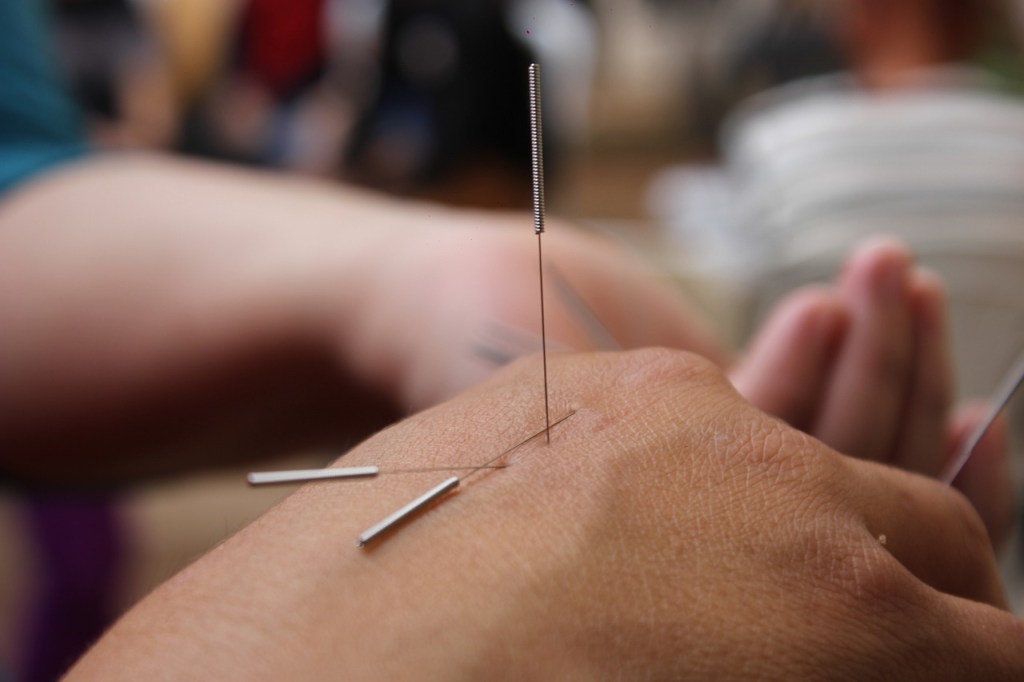
I think just about everyone is familiar with acupuncture in some way, shape or form, even if they’ve never experienced it. Rather than try and define it myself, I’m leaning on an article posted by the Mayo Clinic, which states, “Acupuncture involves the insertion of very thin needles through your skin at strategic points on your body. a key component of traditional Chinese medicine, acupuncture is most commonly used to treat pain. Increasingly, it is being used for overall wellness, including stress management.”
Although traditional practitioners of acupuncture believe that the insertion of needles helps to rebalance one’s flow of energy, western medicine tends to attribute the effects to the stimulation of nerve endings and muscles, which boosts your body’s natural painkillers. No matter what the thought process, acupuncture is no different than any other form of medicine. It works for some but not for others. One of the biggest problems with traditional medicine is that it often takes several treatments to see any measurable results and in today’s society of immediate gratification, most people prefer popping a pill that takes immediate effect.
The jury is out on how effective modern-day acupuncture may be. I know that I experienced it, back in 2007. I was travelling from northern New Brunswick to Ottawa and decided to stop in at my friend’s place for the night, the same friend mentioned in the third paragraph. He had just started his acupuncture studies and asked if he could practice some insertions on me. I agreed and he had me lie down on a mat and proceeded to insert a couple of needles near and in the elbow joint of my arm. He manipulated the needles a couple of times and it was slightly uncomfortable but not painful.
When he was done, I asked him what the needles were supposed to do, to which he replied that he had “stimulated my digestion.” Assuming nothing worse, I got back on the road for the short, 2-hour drive to Ottawa. Within an hour, my stomach made a gurgling sound the likes of which I had never heard before. I was suddenly struck by bad stomach cramps and before I knew it, I was struggling to find a public washroom as I felt the onslaught of an expulsion I would be powerless to stop, coming my way. I purged my gut for what seemed like forever. “Stimulated my digestion,” indeed. Asshole. He could have warned me. The point is, that shit works.
Acupressure
Acupressure is a form of traditional Chinese medicine that’s based on acupuncture but uses applied pressure from the hands and fingers as opposed to needles. it functions on the basis of increased blood flow, better circulation and shares the concepts of increased energy flow with acupuncture. This is the form of traditional medicine that my Sensei practices and it should be noted that acupressure is almost ALWAYS combined with some other form of naturopathic or traditional medicine, such as herbology, reflexology, massage or acupuncture.
The jury is out on acupressure, with various studies advocating its effectiveness in helping to alleviate certain pains and ailments in the body and even more studies arguing that there’s a significant amount of bias involved and that there really isn’t any viable evidence that acupressure is effective. In my opinion, massages do a great deal to alleviate pain. So does a chiropractor. And through my study of the martial arts, I’m aware of the existence and use of pressure points in certain aspects of combat arts. When you combine all of those factors together, you more or less get acupressure.
Chinese Herbs
This is always a sticky one for people, because most of the population fall under one of two categories: those who think herbs work and those who don’t. The ones who don’t are usually bound by the western logic that modern medicine alternatives are faster, safer and more effective than their-herb-based counterparts. The ones who solely adhere to herbs believe that modern medications are al chemical-based and do more harm than good. The reality is that there’s some truth to both. Modern medications are a combination of things that are found in nature anyway.
Chemicals are nothing more than the combining of naturally-occurring substances through artificial means. The difference between using these artificial compounds or herbs simply involves speed or immediate effectiveness. Once again, this is where that mindset of immediate gratification or results comes in. Some herbs can be very effective at helping certain ailments but they can take a lot longer than their modern counterparts. A really good example are the various teas that are sold just about anywhere that can help with digestion, headaches, stomach aches, menstrual pains and vast array of other conditions. I’ve used tea in a lot of instances, minus menstrual pains, of course. They work, but one could easily argue that it doesn’t kick in or show a measurable or noticeable effect like taking an artificial counterpart.
The important thing is to be wary of starting anything new or different without consulting your doctor or medical practitioner AND ensuring that you do your research before trying any new form of treatment. You want to be certain that you’re dealing with someone trained and certified to practice the form of traditional medicine they profess to be knowledgeable on. Although I can’t speak for other countries, any and all of the different forms of traditional medicine I listed above requires years of study to become proficient. Don’t be afraid to ask to see their certification; if they’re on the level, they should have no issues letting you see it.
And don’t be disappointed if you try something and it doesn’t work. Out of ten people with a headache, maybe only half will be able to treat it with a pill. For the others, a pill won’t work. It’s the same for traditional medicine. It’ll work for some and not for others. So even if your best friend claims that acupuncture changed their life and got rid of all their aches and pains, be aware that it may not work quite as well for you. Food for thought… ☯️
Most of us don’t bother to take the time to contemplate everything that happens inside our bodies. We know we have a heartbeat and that it’s responsible for moving blood around the body and to our brains. We know that we have lungs and that they’re responsible for our ability to breathe air and get oxygen into our body. Our stomachs digest our food and our posteriors expel the waste from the leftovers. But outside of the basic functions of these systems, we rarely stop to consider the importance of certain systems in relation to our overall health.
In recent years, a good example has been how good oral health has been linked to cardiac health. One would never assume that brushing one’s teeth regularly would be associated with good heart health, but there it is. Most of the time, when we consume something, we do so because we’re hungry and we count on our calorie consumption to provide us with the energy and nutrition we need to get through the day. But there’s a lot going on in the ol’ gut that we rarely consider. And there’s plenty we can do to help move things along that improve one’s overall health.
According to an article posted by HealthLine.com, “The human gut is more complex than previously thought and has a huge impact on whole body health.” When you stop to think about it, everything you eat contributes to your overall health, which is what the article goes on to say, “A healthy gut contributes to a strong immune system, heart health, brain health, improved mood, healthy sleep, and effective digestion […]” Some of that seems to address the aspects I was referring to in my opening paragraphs.
Some of the best things you can do to improve your gut health is to monitor and control what you’re loading into it. A well-known food for good gut health is yogurt. But some of the ones that people may not consider include fermented foods, such as kimchi and miso. I single those out because I’ve eaten my fair share and I enjoy them. But a healthy dose of probiotics will help with overall gut health and you can even find probiotic supplements, these days.
Another good type of food to consume are ones that are high in fiber. You’re likely thinking that’s a no-brainer, and you’d be right. High-fiber foods listed by that HealthLine article include legumes, beans, peas, oats, bananas, berries, asparagus and leeks. If you ask me, leeks are fucking disgusting, but I’m game for the rest of that list. In fact, I’ve included all of that list (except peas and beans) into shakes I’ve been making with my mini blender.
Outside of what you eat, there are a number of things that can help promote proper gut health. These include keeping your stress levels low (not easy, in today’s climate), getting enough sleep and exercising regularly. Staying properly hydrated, AND with the right fluids will also go along way to promoting good gut health. When I refer to the right fluids, I mean staying away from alcoholic and caffeinated drinks as these can actually dehydrate you and caffeinated drinks are a diuretic. Changing your diet to accommodate these things can be achieved by consulting a dietitian or your medical practitioner. As usual, you shouldn’t try to completely alter your diet and lifestyle without consulting your medical practitioner.
Trust your gut; it takes better care of you and the overall functioning of your body than you know. The last suggestion I’ll make before stepping off my gut-soaked soapbox is to recommend not eating before bedtime. Even your gut needs to rest at night and if you spend half the night digesting those wings you thought were a good idea at midnight, it can lead to heartburn, indigestion, stomach pains and lack of proper sleep. One’s body can be compared to a house of cards; one wrong move can bring the whole system down. ☯️
Yesterday was the first day of 2022, and how did I start the New Year? With a workout, of course. New Year’s resolutions are spotty at best, usually leading to people lacking, lagging or altogether give up by the month of March or April. This is through no fault of their own, usually. It’s simply human nature. As living creatures, we generally tend to favour the path of least resistance and when we impose conditions on ourselves that take away habits we enjoy, foods we like to eat or vices we want to give up, our body has this tendency of fighting us.
That’s why this year, I’ve chosen to simply work on improving upon myself in a generalized manner as opposed to making a resolution that aims at specific habits or things. So yesterday, I kicked things off with a military workout I found a few years ago. It can be a brutal circuit, using only one’s own bodyweight. The workout is typically supposed to take about half an hour, but doing it correctly with a healthy speed usually takes between 20 to 25 minutes. It’s an extremely handy workout and can be done anywhere. I’ve done it in my office, bedroom, hotel rooms, anywhere. I thought I would take the time to share the circuit. Here we go:
Now, did I REALLY have to write out every line of repetitions? Not particularly, but on previous occasions, I’ve found that people don’t clearly understand the process as I explain it. Plus, writing it out this way makes it easier in the event anyone chooses to print it out. I found this workout a few years ago and I believe it was in an old edition of Men’s Health. The circuit is one half of a total workout that the military uses when confined in small spaces, such as on a submarine.
I hammered this circuit out prior to the lunch hour and needless to say, my legs are feeling it just a little bit, today. Not a bad way to start the year. Maybe today I’ll go run some cardio and fight off some of this extreme cold we’ve been having. But for those of you who are looking for a new, easy challenge, this circuit may be the one for you. It’s nice to try out some new things and see what results you can get. When it comes to fitness, variety can be the spice of life. ☯️