A Type-1’s Naming Day…

Okay, I’ll be the first one to admit that maybe I need to lay off the YouTube for a while, because I personify the type of person who slips down the rabbit hole and finds way more than he expects to. Then I keep watching, and watching… And watching… But I found this video interesting, because it involves someone I’ve been watching on television over the past few months that I wasn’t even aware has Type-1 Diabetes! This catches me with a bit of egg on my face, because one of my biggest pet peeves is when someone tells me, “You don’t LOOK Diabetic…” What the fuck is someone “supposed” to look like if they have Diabetes?

The video depicts the Diabetes journey of American actress Mary Mouser, who has most recently played Samantha Larusso, the daughter to protagonist (depending on your perspective of the storyline) Daniel Larusso, in the popular web series, Cobra Kai. Now, being a long-time fan of the original Karate Kid movies, I jumped on this series without hesitation and watched both available seasons within days and am greatly anticipating the third season, which is said to be coming out in early 2021.

In the included YouTube video, Mouser describes her discovery of Type-1 and how it affected her life. She was diagnosed in 2009 at the age of 13, which I can say from having many friends in the same boat, is incredibly rough. I had the benefit of being diagnosed at the tender age of 4, which means I had barely a clue as to what the hell was going on. But you can see Mouser become visibly emotional at certain points in the video, and it definitely brings it home for me. Check it out:

Mouser talks about the tenth anniversary of her diagnosis and the video was posted on YouTube by Mouser herself, last year. I can’t help by note the similarities in the fact that although she’s only portraying it in a role, she plays a character who grew up in a karate environment. This rings true with a great deal of my own upbringing, as I grew up training in karate, as well.

I was diagnosed with Type-1 Diabetes in 1982, after passing out in a bowl of Froot Loops. Honestly. That’s what got me diagnosed. There were a number of symptoms that presented themselves for months before that incident, including weight fluctuations, severe mood swings and I even started wetting the bed again. One of the big problems with having a brother with Epilepsy, kidney failure and Fanconi Syndrome (a post for another day), is that my aches and pains often went ignored. Despite all of these symptoms, nothing appeared to be “seriously” wrong, so it was chalked up to growing pains or being a moody kid (which I was).

This wasn’t a slight on my parents’ part, it was simply the result of my brother constantly being on death’s doorstep where I was not. At least not that they knew of… Apparently, they were wrong. Imagine passing out on a Tuesday and waking up on a Wednesday… Of the following week! That’s how my journey started. And it was all downhill, from there.

When I woke from that first incident, I had severe Diabetic Ketoacidosis and my blood sugars were being slowly lowered and I was being rehydrated by way of an IV infusion. I had a number of family members present, including my parents, brother and grandparents. They already knew what the doctor hadn’t yet told me: I had Type-1 Diabetes. My life and my future were effectively changed, forever.

Over the two weeks that followed, I was taught a number of things including how to test my blood sugars, how to take insulin injections, dieting (which basically just involved avoiding sugar) and what would be involved in my day-to-day life for the rest of my life. It was hectic and stressful. I can admit that at the young age of 4, I only understood a small percentage of it. A lot of it went over my head, which created strange combination of indifference mixed with anxiety.

To my mother’s credit, she practiced injecting saline water into her own arms as opposed to practicing on an orange, which is what doctors and educators would provide, back in the day. Her perspective was that she wouldn’t allow anything to be done to her child that she hadn’t experienced herself. She bruised herself up pretty good, before starting to help me take my daily injections.

It was a disgustingly rough journey and over the years that followed, which included no less than 5 comas (the longest of which lasted almost two weeks), multiple changes in therapies and doctors and constant adjustments, I faced the inevitable lack in most of the advantages that kids my age enjoyed. I never joined sports, never had sleepovers and never enjoyed the usual social normalcies that kids my age had. But I adjusted and fought through all of it. My brother, who is now deceased, saved my life in almost every instance of the comas I mentioned, as he shared a room with me and would be the one to alert my parents that I was in distress.

In 1988, I faced a situation that no child should ever have to. I was told I was going to die. It wasn’t said in those exact words, but the reality sunk in regardless. Severe Diabetes complications including insulin resistance were causing my body to fail. Doctors really had no solution at the time, other than changing up my insulin type, which did absolutely nothing. Insulin resistance can be dangerous, since it prevents the proper use of glucose in your body.

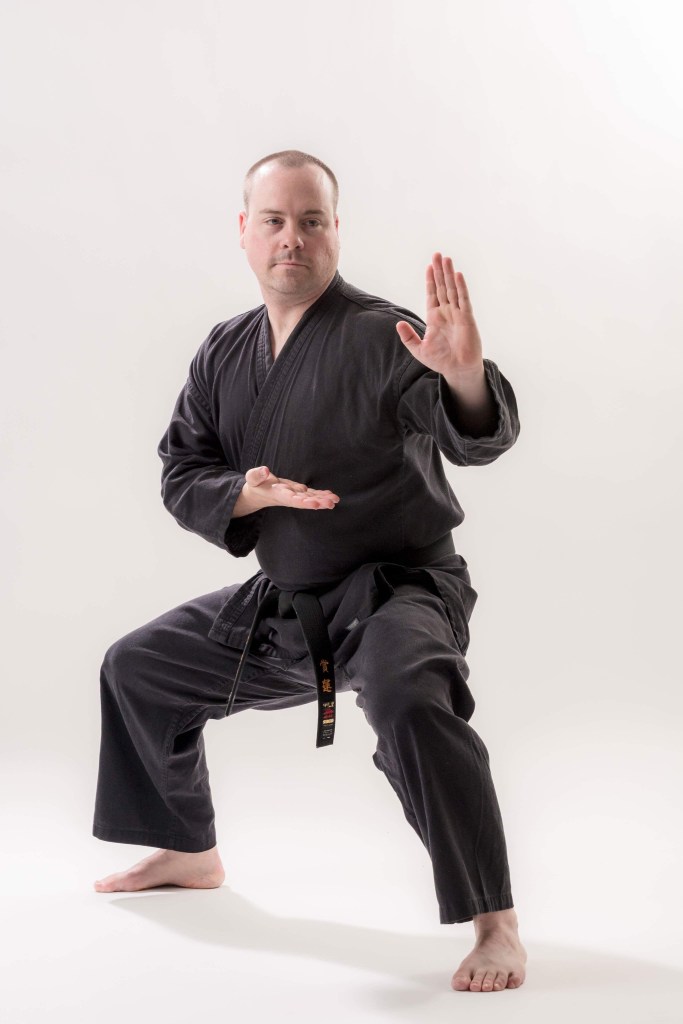
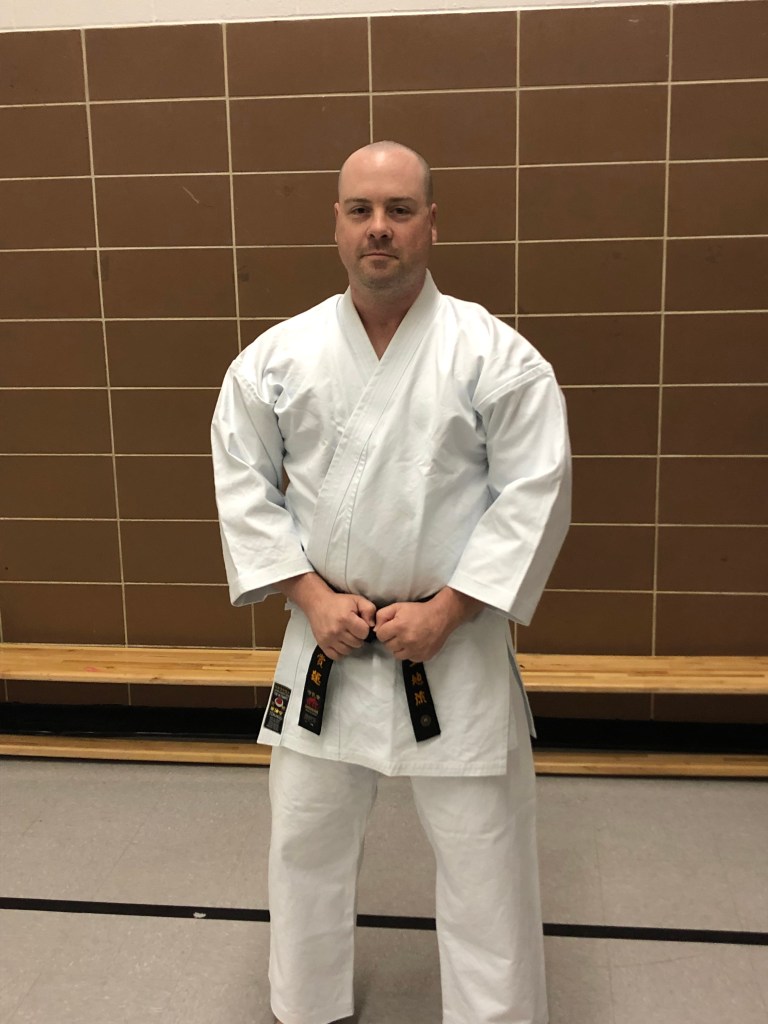
That’s when I took matters into my own hands and joined karate. I started taking responsibility for my own diet and fitness and started to develop myself, physically. It worked for me. It may not work for everyone. But the important thing is to keep fighting and find what works for you. The nay-sayers over the years, have stated that they don’t believe that martial arts and fitness would help overcome medical complications. But the question is, how could it not? There may be no cure for Type-1 Diabetes, but you can still kick its ass. There are tons of ways to improve your health and stretch your life expectancy as opposed to what we faced, even 20 or 30 years ago. Keep fighting. Keep looking for a way.

And if Mary’s video inspired you or touched a chord, be sure to check her out on Cobra Kai, which is currently available on Netflix. There are only two seasons, with Season three coming out soon, but it’s definitely a hard-hitting show that covers martial arts, karate, the social condition and stars a lot of talented people from the 1980’s and modern day. ☯


A Little Something To Inspire…

I quote a lot of articles and posts in my blog. This is because I’m not a doctor, dietitian or fitness expert, although 32 years of intensive martial arts training HAS to count for something. But for the most part, I speak from the heart and try to be as genuine as possible while quoting sites and people that I know will add some credibility to what I say. Last weekend, I was free-falling down the YouTube rabbit one one night, since my wife was out of town and my 5-year old was fast asleep. And I found a video that moved me to tears…

Those who know me well are quite aware that I’m not a man who exudes emotion easily. But this man’s journey did it for me… The man in the video is named Vance Hinds. An assistant DA in Texas, he was living an extremely unhealthy life and weighed in at 475 pounds, which is over 265 pounds heavier than I’m currently sitting. Hinds was ironically first inspired to lose weight by a comedian named Burt Kreischer.

Although I don’t know why a comedian, of all people, would motivate someone to lose weight (I haven’t researched this person), Hinds reached out to a former professional wrestler named Diamond Dallas Page. I’m familiar with Page, having watched him wrestle throughout my 20’s and my early 30’s, and I know that he contributes a significant amount of time to helping other people achieve their weight-loss goals as a motivational coach.

I’m linking the YouTube video below. I don’t claim ownership, nor do I have any rights to this video. As I said, I just happened to land on it while surfing YouTube, one night. The video is only about 5:30 minutes and you can watch Hinds’ journey from 475 pounds to 277 pounds, for a total loss of 198 pounds. It’s pretty inspirational…

This motivates me. Here’s a guy that did it simply for the sake of improving his health and his overall lifestyle. No endorsements, no financially charged motivation; he did it for himself and his family. It brings my own journey into perspective. In 1988-89, I joined karate in order to help me overcome insulin resistance and Diabetes complications that threatened to end my life before my 20’s. I succeeded.

Now, as I move into my 40’s, I’ll admit that my own weight and living habits have fallen to the wayside. I’ve tried a number of different things to overcome these issues. And I believe that it’s important to try as many different things as possible; it allows us to find the path that’s right for us. But seeing Vance’s weight loss journey has made me realize that losing the 20 or 30 pounds I need in order to be healthier is small potatoes in comparison to what this man just went through.

When I attended the police academy in 2009, I weighed in at 185 pounds. By the time I graduated six months later, intensive training, exhaustion and diet brought me down to 165 pounds. It was the lightest I had ever weighed, at that point in my life. I’d like to say I felt great, but the exhaustion was palpable. Within two years of walking away from the academy, I broke the 200-pound threshold and I’ve been fighting to dip below it, ever since.

Obviously, Diabetes plays a significant role in how my metabolism functions and the weight I carry. That being said, I’ve seen Type-1’s who have been in the “skinny” category. Am I trying to be skinny? Fuck, no! I believe in carrying some mass, it’s one of the only way s to maintain strength. But I think that dropping some weight and finding a way to keep it off should be possible. In 2014, I was down in the low 190’s and that simply involved consistent cardio and weight workouts and a “reasonable” diet of three regulated meals a day.

Body image is an important part of who we are. You shouldn’t aspire to be who you see in magazines or on the internet, but rather who you feel you genuinely are. We can all gain inspiration from other people’s journey. The important part is finding a way to make it work for you, and to achieve the goals that you aspire to in order rot be healthy and happy. Hopefully, you all find that path. ☯

Don’t Stop… Believin’…🎶

The past few months have had quite a negative impact on my overall health and fitness. Considering the flood damage to my basement, which took away my workout space, to having everything we had IN the basement moved out to the garage, thereby taking away my backup workout space, my four to six workouts a week have pretty much melted down to nonexistence. Include the fact that the temperatures here in Saskatchewan have fallen into the minuses and there’s snow and frost on the ground, making it impractical to go cycling and the fact that my dojo still hasn’t re-opened due to COVID-19, and I’ve slowly been turning into a couch potato.

My wife and I had started a routine where we would do yoga stretching in the mornings, once Nathan had gone to school. But depending on work obligations and how fussy our 1-year old infant might be on a given day, even those have slowly taken the wayside. It also doesn’t help that recent months have seen me include CGM and Auto Mode into the mix, and any new Diabetic therapy always has the potential to be touch-and-go during the first months. So working out with all of this going on has been a challenge. And the results are visible and very much felt…

I often write about all the benefits and the good things that happen when you work out consistently, but most people don’t consider the effects that may happen when you stop. Or even if you never started in the first place. I know some people that have essentially never worked out before and never had the inclination, as they’re in good health and their weight seems manageable. Does this mean they don’t NEED to work out? Absolutely not; everyone should include fitness in their weekly routine in one form or another.

There are a number of things that will happen to you physically, as well as psychologically, if you suddenly stop working out and exercising. There are plenty of good articles online that will describe the exact details, but I’m providing my personal list, based on my metabolism and the fact I have Type-1 Diabetes:

  1. Blood sugar control will be altered: This is a pretty big one for someone with Type-1 Diabetes, because it took me all summer to condition my system and get my blood sugar levels controlled to endure 70-kilometre bike runs or 2-hour karate workouts. Now that those have ground to a halt, some of my blood sugar readings have been higher than they should be, since I’m no longer exercising and burning as many calories as I used to. Which brings me to my next point…;
  2. Your body will store more fat: You use two primary forms of energy in your body. Carbohydrates, which is the immediate energy source you obtain by eating your meals. The second are your fat stores, which are only accessed during rigorous exercise. Carbs are a temporary energy source and need to be constantly replenished, whereas fat stores offer a wonderful amount of energy but won’t burn unless you do. So less exercise means that fat will more readily stick to your body;
  3. Cholesterol and Insulin resistance: Lack of exercise means bad cholesterol goes up and good cholesterol goes down. Brutal, right? That’s without taking diet into consideration. And your insulin sensitivity will decrease as well, meaning you’ll need more insulin to process the same amount of carbs as before you stopped exercising;
  4. Your endurance will vanish: Your endurance is one of the first things to start decreasing when you stop working out. The only silver lining to this one, is that it’s quick to come back once you commit yourself to training again. But it definitely makes it harder to work out as intensely as you did before, which is why it’s important to maintain certain levels;
  5. Your mood and sleep will be altered: I could go on a long rant about the hormones and endorphins that are released in the body during exercise, but that would be a hell of a long rant and that isn’t why we’re here, today. Suffice it to say that quitting exercise will adversely affect your mood, make you more prone to seasonal depression, irritability and feelings of worthlessness. Not least of which is the fact that your sleep pattern will be all screwed up. Ever notice your level of exhaustion after a long night of cycling or working out? Once you’ve taken that hot shower, it doesn’t take long for a person to pass out once their head hits the pillow;
  6. Your self-image will be affected: Let’s be honest with each other… You may not have a goal in mind to join the olympics or look like a supermodel. Perhaps you do and if so, good for you. But your fitness is your responsibility and you only get out of it what you’ve put in. And one must admit that having that gut start poking out when you’ve been used to being in decent shape can have a negative effect on your self-image.

People work out and exercise for different reasons. Some do it for health, some do it for sport, some even teach particular skills, like martial arts. And there’s really no bad reason for working out, but there are bad reasons for stopping. Life and obligations get in the way and let’s be honest; some days we just don’t feel like it. But it’s like trying to ice skate uphill… sometimes it’s a slippery slope, but you’ll never reach the top unless you keep on pushing. ☯

Let’s Get Dirty

Sex. Alright, now that I’ve got your attention, let’s talk about, well… sex. For the most part, people avoid talking about sex, for a variety of reasons. Either from embarrassment, shyness or awkwardness, it’s usually a taboo subject for most folks. But it’s one of those things that’s part of the human condition. And if you have Type-1 Diabetes, it can be an even more awkward thorn in your side.

Honestly, today’s post isn’t necessarily about the difficulties Type-1 Diabetes causes during sexual encounters. I covered that off in-depth during a previous post I wrote, Cue The Barry White Music… So I won’t get too deep into those complications. However, I’ll provide that those difficulties include high or low blood sugars, neurological and blood vessel damage can lead to sexual organ difficulties in women and erectile difficulties in men.

No, I’m here to discuss the old myth that “sex before a big game” is a bad idea. There’s a standing tradition in the sporting world, and even martial arts, that having sex during training or before a big event will increase one’s chance of defeat. Well, I hate to break it to all those old school coaches, but nothing could be further from the truth.

“Women Weaken Legs!”

– Mickey Goldmill, Rocky (1976)

There was a really good article posted by National Geographic, that explains the majority of the benefits behind the practice as opposed to the perpetuated myth. But I couldn’t read it through without entering my email and joining a list, which I wasn’t willing to do. Sex lowers blood pressure, increases one’s immune system, improves sleep patterns and is even considered a natural form of pain-relief. There’s also a measurable release of testosterone, which can actually help one win a big fight as opposed to losing it.

One of my favourite athletes, Ronda Rousey, is quotes as saying that having sex “raises your testosterone so I try to have as much sex as possible before I fight, actually.” For Rousey, an increased level of sex before a big match is not only part of her routine but an important part in helping to ensure a victory. Although she’s referring mostly to increasing testosterone in female fighters, she also doesn’t hold much faith in male fighters’ belief that sex drains your testosterone. In fact, she feels that long-term abstinence will result in producing less testosterone, overall.

You can read the entire article on Business Insider, which also includes a link to the National Geographic article, if you’re game to add your email to a mailing list. But the reality is that the perpetuated myth that sex before the big game is bad just isn’t accurate. Or true. Good news for some. Not so much for others. Research shows that indulging in a “solo act” won’t release the same levels of oxytocin or provide all the same benefits as having an active partner. But I digress…

As a martial artists, I feel it important to point out that abstaining from sex for any length of time for the purpose of “improving” your training is absurd and unnecessary. As a Type-1 Diabetic I feel it’s important to advise that if you believe that having sex is forthcoming, which may be presumptuous (a point I made in my linked post above) you’ll want to ensure your blood sugar levels are controlled, you have fluids and fast-acting glucose at your disposal in case you need it and be mindful of where your equipment is located if you’re a pump user. ☯

The Cold Reality Of Winter

Winter is coming! I’m not really a Game Of Thrones fan, but I love that line. Granted, I’ve never actually seen it as I don’t have cable. I am, however, a pretty big fan of the Rocky movies, which probably dates me more than I care to admit. But the one that comes to mind is the fourth instalment, where the antagonist kills one of Rocky’s best friends during an boxing match and Rocky travels to Russia to train for a revenge fight.

In this movie is likely one of the best winter training montages I’d ever seen at the time and even since then. With Vince Dicola’s “Training Montage” playing in the background, you can see Rocky using unorthodox training methods to build and develop himself in preparation for his fight against Drago (played by Dolph Lundgren). I included a YouTube video of the scene I’m referring to. Now would be a good time to point out that I have no ownership in the video nor am I responsible for it; it’s just a linked video I found on YouTube.

The scene actually demonstrates a clear difference between intensive training using machinery and a comfortable environment versus using the elements and whatever one has at their disposal. And now that I’m writing about it, I need to find a copy of this damn movie so I can watch it again! But in all seriousness, it got me to thinking about the effects of training in a cold weather environment.

First of all, let me just say that I’m a bit of a fussy bastard when it comes to temperature. I don’t like it when the temperature is very cold and I don’t like it when the temperature is very warm. So I’m basically screwed, all year long, living in Saskatchewan. But realistically speaking, I’ve found myself training in just about every climate and temperature I have available to me, and a couple that I don’t.

What I mean by the latter, is that when I travelled to Japan in 2001, we trained almost every day in 40 degree weather. It felt tropical to us, but it was autumn to the Okinawans. I was drinking litres upon litres of water and rarely went to the washroom. My body was literally using the hydration as fast as I could provide it. But the flip side to this, and the purpose behind this post, is that I’ve also gone running in snow storms. Not recently, mind you. I’m old as disco, now.

Back when I was training for my black belt, I would get off work at 1 in the morning, head home, change into workout gear and grab my walkman (think iPod, but much bigger) and circumvent my hometown of Dalhousie. This made for about 10 kilometres of running in wintery conditions, which is not a lot by my cycling standards. But I guarantee that it felt like forever while I was doing it. It probably doesn’t help that Dalhousie stands on the side of a reasonably steep hill that slopes down into the Restigouche Bay, so there was a fair bit of uphill running.

Let’s start on a positive note, because I am frequently way more negative than I should be, and let’s discuss the benefits of training in extreme cold weather. According to a post written by Dr. Adam Tenforde for the Harvard University website, working out in colder weather can help improve your endurance as “your heart doesn’t have to work as hard, you sweat less, and expend less energy, all of which means you can exercise more efficiently.”

The article goes on to explain how working out in the winter can give you some exposure to sunlight, which people tend to get much less of during the winter, as well as helping to transform certain areas of white fat, like the stomach and thighs, into a calorie-burning fat. This can be helpful if you’re like me and are struggling to tone down some of the “Micheline effect” I seem to have developed in my midsection.

Another benefit is that if you have a preferred trail that you run on, you’ll likely have it to yourself as most people have an unfortunate aversion to working out in the cold and likely won’t be sharing your enthusiasm. Now, if only I could guarantee the trail around Wascana Lake would be vacant and ice-free, I’d bike around that bad boy all winter! But I digress…

Since all the world is balance, we wouldn’t have the positive if not for the negative. So let’s cover off some bad aspects. If you have an underlying or chronic medical condition, cold weather training may not be for you. Listen to me, I sound like one of those commercials for a new prescription drug. “Talk to your doctor, if you think that running outdoors and freezing like a dumb ass may be right for you…” But seriously, things like heart conditions, asthma and many others can be adversely affected by pushing yourself when it’s cold outside.

Next, one needs to consider all the typical wintery hazards such as frostbite, which can affect any patch of exposed skin, hypothermia and even dehydration. Yes, that’s right! You can dehydrate in the cold; it’s not just an extreme heat thing. People also forget to consider sunblock when running on sunny days in the winter, despite the fact that UV rays are UV rays, regardless of the temperature. But maintaining your core temperature is important in order to prevent getting sick, as well.

According to the Mayo Clinic, you should dress in layers. Their article says to start with a synthetic layer that wicks moisture away from your body, followed by a layer of fleece or wool for insulation, topped with a breathable, waterproof outer layer. They also mention that you may have to experiment and try a few different combinations to find what’s right for you.

I use a base layer of Under Armour, specifically their “cold gear” apparel, which moves moisture away from the body but also helps to keep my body’s heat contained. I follow this up with a cotton shirt, since I don’t have fleece or wool. Even if cotton has a propensity to stay wet, it also provides a layer that will absorb moisture that makes its way through. then I have a waterproof Columbia jacket I throw on top of that. Couple it all up with a comfortable pair of waterproof boots and some windproof pants over thermals and you’ve got yourself a winter running outfit.

The last aspect I’ll cover off is the Diabetic one. Obviously, all of the problems I’ve described can affect someone with Type-1 Diabetes in some given way, shape or form. One of the bigger problems is that the cold will sometimes block or numb some of the recognizable signs of hypoglycemia, which can potentially be dangerous if you’re running far from home. Here’s where technology pays its due, as you should be carrying a cell phone and/or letting your family know where you’re going, if training outside.

The winter season shouldn’t be an excuse to stop working out. I’ll admit, I much prefer curling up on the couch with my wife, munching on nachos and binge-watching Kitchen Nightmares. But Diabetes doesn’t take a day off and neither should your health and fitness! Dress well, monitor your blood sugars and stay hydrated. Whether we like it or not, the colder season will be in full swing, shortly. ☯

Mild Bragging Rights

I’ve been working on bring down my Hemoglobin A1C for about the past ten years. It hasn’t been easy; shift work, stress and basic lifestyle make it somewhat difficult to maintain decent blood sugars at the best of times. This was one of the main reasons behind why I decided to start on pump therapy. Over the past five years or so, I’ve been slowly creeping my way down.

For those of you who don’t speak the Diabetes dialect, Hemoglobin A1C (or simply A1C) is a measurement of the average blood glucose levels over three months by measuring the percentage of glycated hemoglobin in the blood. Anything over 6.5% is usually indicative of someone who has Diabetes. Anything below that is generally considered normal. There can be some exceptions to these levels, but it’s pretty basic and has been one of the most-used evaluations to measure how controlled someone’s blood sugar levels have been.

The big problem is that in the past five to ten years, improving A1C results have yielded to increasing one’s blood sugar’s “time in range.” That is to say, maintaining more time between 5.5 to 7.0 mmol/L. The big problem is that one’s A1C level can be manipulated over three months thought extreme highs and lows. Time in range cannot. Keeping your blood sugar in range can’t be manipulated, which is where my new pump and CGM come into play.

Auto mode on the new Medtronic 670G (or newish to me, at least) uses continuous glucose monitoring to verify my blood sugars every five minutes. That means that my blood sugar levels are measured 288 times a day, assuming the sensor and auto mode are working right. The best I’ve ever managed is about once an hour, without taking into consideration that I try to sleep for eight hours a day and work. Meaning that I may get lucky and test my blood six to eight times in the course of a day with a traditional blood glucose monitor.

Combine the fact that auto mode works to correct blood sugar levels with each and every one of those readings and you greatly increase your odds of improving your time “in range.” Listen to me, I sound like a damn infomercial. I should be getting commission from Medtronic for endorsing their products. But seriously, my insulin pump and CGM have been great tools for helping me lower my A1C’s over the past few years.

Just to give you some reference, I started out with an A1C of about 8.4% five years ago. At those levels over an extended period of time, this A1C level will eventually cause vision problems, blood vessel and organ complications, heart disease and stroke. It stands to reason that I would want to try and lower it. But considering what I wrote in the previous paragraphs, why am I still focused on A1C’s? Shouldn’t I be working on “time in range?” Yes. Yes, I should. That’s why I’m doing both.

Better time in range means a better overall A1C. So the bottom line is I’m working on both. A week ago, I visited with my endocrinologist and was advised that my A1C level was at 7.2%, which is the lowest it’s been in years. My overall goal is to get to at least 6.9%. That would be a feather in my cap, as my doctor would say, and is hopefully a goal I will be able to achieve by my next appointment in March. ☯

Not All Sugars Are Created Equal

Back in the 1980’s, my parents were of the opinion that all I required for proper Diabetes control was to avoid “sugar.” The concept of carbohydrates never entered their mind (and somehow my dieticians never brought it up, either). So plenty f high-carb consumables, such as bread, milk and apple juice never entered their minds as something that could affect blood sugar. Thank the light that i took control of my own Diabetes care before any permanent damage was done.

I can’t place TOTAL blame on my parents; like most parents, I was their first exposure to Diabetes and they did the best they could. But their best can’t answer for the multitude of comas I suffered through as a child, or the Diabetic Retinopathy I had to deal with in later years, as a result. And truth be told, carbohydrates have gotten a pretty bad rap in recent decades. Multiple “fad” diets have burned carbohydrates (pun fully intended) in such a way where people genuinely believe that carbohydrates should be eliminated from their daily diets.

Here’s the thing: carbohydrates are a necessary form of energy on a person’s everyday diet. And although it’s possible to reduce your sugar consumption (you won’t catch me eating donuts every morning), reducing your carbohydrate intake is a bit trickier, since your body needs it as a primary source of fuel. But are sugars created equal? I would certainly say no!

You would think that sugar is sugar, right? It’s all 100% carbohydrates. But carbs are actually a combination of carbon, hydrogen and oxygen, which is what makes up the name carbohydrates. There are many more complexities behind this, and I don’t want to drop y’all down the rabbit hole to an extreme extent, but it gives you an idea of what carbs truly are, besides the usual “you need them” rhetoric I usually stuff down your throat.

So, although regular, everyday processed sugar is 100% carbohydrates (100 grams of sugar is 100 grams of carbs), did you know that brown sugar is actually a couple of grams less in carbohydrates for 100 grams of sugar? Although that doesn’t make a huge difference in terms of usage, over the long it can mean a lower carb-count for the amount of sugar you’re using.

I’m on a bit of rant in terms of sugar, but my point is that you can never be sure of how many carbs you’re actually taking in unless you do the research and the measuring yourself. Even some nutritional information labels may not be accurate, although it can be hard to tell as your insulin sensitivity plays a big role in how you deal with those carbs.

That’s why a well-informed nutritionist or dietitian can be an invaluable tool, in tandem with your endocrinologist being on top of his or her game in ensuring your pump settings are on the ball. And most importantly, remember that not all foods, even sugar, are created equally. ☯

There Are No Shortcuts To A Thin Waistline

One of the biggest challenges I’ve faced in recent years is the thickening of my mid-section. Although I’ve never really been a big fan of a traditional six-pack (traditional Okinawan karate’s custom believes the hara, or the source of life, is in the midsection), I’m also not a big fan of having a hanging gut. Most people tend to forget that insulin is a hormone and can cause weight gain depending on its use. And given that I’ve reached my 40’s, my metabolism is no longer what it used to be.

Most of the time, and as I’ve written before, fad diets and gimmicks are usually useless. There is generally only one true, effective way to lose weight and burn fat and that’s to burn more calories than you consume. The prospect of reducing your food consumption or filling up on foods that are low in calories, such as lean meats and vegetables, are obvious ways to accomplish that goal when combined with rigorous exercise performed several times a week.

That fact doesn’t prevent some people from trying their best with things that they believe will help them along on their weight-loss journey. I’m saddened to admit that even I gave it the old college try, back in 2015. Despite how hard and how often I was working out, I decided to jump on the bandwagon and look into a supplement that I was told was “guaranteed” to help trim stomach fat. I’m talking about Conjugated Linoleic Acid, or CLA.

CLA is a fatty acid that can be found naturally in a number of foods, but it is not an “essential” fatty acid. This means that you don’t necessarily need it in order to be healthy. We consume CLA through these natural sources, but many people use an artificial CLA supplement in order to help shed some weight. For the most part, the jury is out and although it shows SOME potential towards shedding weight, it’s negligible.

According to an article posted by Healthline.ca, there have been numerous studies performed in relation to CLA and weight loss. The results usually showed only a minimal loss of fat compared to those who were given a placebo. The article talks about a matter of half a pound per month. For those who are a bit weaker in math, this means that consistent use of CLA supplements over a full year would see you lose no more than about six pounds.

The article actually offers a sadder total, estimating that long-term use of CLA over the course of six to twelve months only reduced body fat by 2.93 pounds. That’s pretty pathetic, when compared to the cost of paying for the supplements, coupled with some of the negative side effects that one will likely develop from its use. You can click on Healthline’s link above to read about some of those, but wouldn’t it be easier to simply exercise more?

I was living proof of these studies when I used CLA supplements for the better part of a year. My muscle mass increased with all the exercising I was doing but in terms of body fat, there were no results. Plus, I had dished out a bunch of money on buying the supplements when I could have been using that added money on lean meats. I love lean meats. And fish… Damn, I’m getting hungry now…

Just to give you a bit of an idea behind the financial toll this attempt took on me, I would purchase a 60-capsule bottle at about $25. I won’t make myself civilly actionable by naming the retail chain I purchased the capsules from, but the dosage is 3 to 5 capsules a day. So at the lowest dosage, I would need another bottle roughly every three weeks. This means that over the course of a year, I paid $450 for those supplements. At the highest dosage, I would need to replace the bottle every two weeks, meaning I would have paid $650 over the course of a year. Thank the light I only stuck to the lowest dose…

There are no easy shortcuts to weight loss. No magic pill or secret formula you can consume will make the fat magically melt off your gut. This is one of those things in life where you need to put the time and the work in. Despite the fact I should have known better, I had to learn it the hard way. And sometimes it needs to be that way, but I’m hoping that my post will help some understand.

Eat well, rest well and exercise well and you can be assured that weight loss will happen in its own time. And remember that every person and every person’s metabolism is different, and what works for one person may not work for you. Hopefully you won’t waste a bunch of money figuring that out. But if you are thinking of trying out a new supplement, be sure to consult your medical practitioner and do your research. ☯

I’m In An Awkward Position

Anyone who reads my posts on the regular knows that I tend to bitch about Diabetes complications a lot. And with good reason; Type-1 Diabetes affects just about every system and every organ in the body, to one extent or another. Sleep is no different, with fluctuating blood sugars causing insomnia, nightmares or restless leg syndrome. There’s plenty that can go wrong during a Diabetic night’s sleep, including being woken from a drop in blood sugar. Believe me when I say that I’m grateful that I DO wake up. But for the most part, I haven’t had a full, uninterrupted eight hours of sleep in a very long time.

The focus of today’s post isn’t exactly a symptom, per se. But rather an unfortunate side effect of the current Diabetes therapy I use. I’m referring to trying to get a full night’s sleep while wearing an insulin pump and/or CGM. It stands to reason that as I sleep, I need to carefully consider how I position myself in order to avoid kinking my cannula (say THAT three times fast) or applying consistent pressure to the CGM sensor, which may cause it to fail.

There are all sorts of websites that provide some interesting (if not altogether accurate) explanations regarding different sleep positions, what they mean and apparently describe your personality. I’m not a big believer of that last one, but to each their own. My point is that for the longest time, I’ve slept on my stomach. I have no other explanation for this other than it’s always felt the most comfortable. But over the past year or so, I’ve slowly adjusted myself to remain on my back while sleeping, due in part to the pump set sitting on my abdomen and the CGM sensor embedded in my tricep.

There have been a number of times where I’ve rolled over during the night, since the average person can’t necessarily control their movements while asleep. This has caused a score of issues including but not limited to, my pump slipping out of my pocket, my infusion set being pulled out and even my pump slipping off the bed and yanking at the injection site. Wanna talk about rude awakening? That’ll do it for ya! I’ve rectified this with a silicone sleeve, which makes the pump less slippery and less prone to slipping out of my pyjama pockets. There are also neoprene belts you can purchase, if you don’t mind paying a fortune.

CGM sensors are a different bastard, since any sustained pressure against their injection site will cause them to fail. This means that if I roll to my side and my tricep is pushed against my mattress, it prevents the sensor from reading the interstitial fluid in a way that’s required for consistent CGM readings. And since the Medtronic 670G absolutely LOVES chirping at me in the middle of the night, it only takes a few minutes before the pump wakes me with an alarm to tell me that something’s wrong. Two times out of three, if I’ve kinked or blocked the sensor in this way, it won’t right itself and I find myself disposing of a sensor long before I was due for a change.

I’m likely making it sound worse than it actually is. In reality, the sensors aren’t AS delicate as the previous paragraph makes them out to be. But it’s a very real concern. The biggest concern, which has happened before, is having the pump’s infusion set pulled out of my injection site. The problem with this one is that it can take a long time before my CGM acknowledges that my blood sugars are starting to rise. And even as they do, the Auto Mode will start pumping out more insulin to compensate, which will do nothing but soak into the bedsheets.

After a long enough period of time, an alarm will start beeping on the pump to warn me that my intervention is required since the insulin isn’t working. But by then, my blood sugar level can have potentially gotten high enough to require multiple boluses, monitoring for hours and plenty of fluid intake. Something everyone LOVES to spend the overnight hours doing. Luckily, this has only happened to me a few times, and the sting from the adhesive being pulled usually wakes me anyway.

When we talk about Diabetes complications, most people associate the term with vision problems, organ failures, amputations or Ketoacidosis. But we often forget that the technology we use, although helpful in many respects, can be a hindrance in others. This is what’s led me to sleep like a poorly posed Egyptian mummy. If you’re on pump therapy, try and train yourself to sleep in a position that will prevent issues with your equipment. Store your pump in a protective silicone sleeve in case it tumbles out of bed or consider using pyjamas that have zippered pockets. It makes the sleep process more complicated, but it’s a small price to pay for decent blood sugar control. Now if you’ll excuse me, I need a nap… ☯

Excuse Me, Have You Seen My Dojo?

Most people have been adversely affected by COVID-19 over the past six to eight months. Either their finances or their jobs have been affected, people unable to pay their mortgages or rental fees, not to mention the poor souls who have contracted the virus and those who have unfortunately succumbed to it. Some areas of Canada have been doing fine, with the virus practically non-existent. Other areas haven’t been so lucky (like Ontario and Quebec).

But some of the smaller things can have a big impact on a person’s day-to-day life as well. For myself, one of the biggest losses I’ve suffered throughout the pandemic is the closing of the karate school I frequent. Although fortunate and grateful that my job, finances and home have not been affected and that no one in my family has contracted COVID-19, Tuesdays and Thursdays bring about a reminder that not only do I no longer have a dojo to train in, but the world is a long way from returning to normal.

Riding on the coat tails of yesterday’s post, the colder weather has had a profound effect on my level of motivation. Every joint in my body has started to ache every morning, thanks to 32 years of intensive training that’s caused wear and tear on almost everything. My feet are cold due to lack of circulation, thanks to Type-1 Diabetes. My sleep has always been horrible, but it’s all the worse now, with the fact that the sun doesn’t rise for almost an hour AFTER my alarm goes off.

All in all, the cold weather and pandemic have had a profound effect on my level of fitness and motivation. It’s already starting to be too cold for extended bicycle rides, even if I could sneak in a short one here and there in the afternoons. And with the renovation of our basement starting in a couple of weeks, we’ve started to move most of our belongings from the basement to the garage, thereby taking away my little “at home dojo” that I recently wrote about. I’ve also started to indulge in morning naps when my 1-year old takes his (my 5-year old is gone to school), which is a terrible habit to get into as my body has come to expect it. It’s gonna suck when I go back to regular work!

Can I train at home? Absolutely. DO I train at home? Most certainly. But there’s a lot to be said for training in the dojo environment. Not only to you get to feed off everyone’s else energy and motivation, thereby increasing your own, there’s a camaraderie that one gets to enjoy that can’t be found elsewhere. Unlike working out in a gym or by yourself, social interaction within the dojo is basically a requirement. Although not impossible, it’s quite difficult to train for an entire class without interacting with at least a few of your classmates.

The selfish side of me is disgruntled at the fact my dojo has remained closed throughout all of this. Considering the dojo runs on the school schedule and schools have let in, and the few students we have ensures a better chance at social distancing and lower percentage of contracting the virus than most classroom settings currently have, in some ways it makes little sense. The sensible side of me understands that a karate school is a far cry from being a “necessary service,” and that it would be an unnecessary risk to allow classes to resume.

There are some sources that have expressed that the world may factually never completely return to normal and that social distancing practices will become the new standard. If this is so, perhaps the dojo will never reopen. That would truly be heart-breaking, as it could mean the severe decline of modern martial arts and the possibilities that some arts may be lost. Only time will tell. In the meantime, I need to find my own motivation and continue to forge ahead, feeling that small twinge of loss every week when Tuesdays and Thursdays roll around. ☯