“Rowdy” Ronda Rousey

As usual, I’ve been reserving my Sunday posts for people that have inspired me or motivated me in some way. While going through my Kobo with my wife, we came upon the autobiography of Ronda Rousey, entitled “My Fight/Your Fight.” I started talking about the autobiography and about everything Rousey has been through in her life (up to that point) to get to where she is today. My wife suggested that I seemed pretty inspired by Rousey and that perhaps I should write about her. And here we are…

Many people in martial arts circles and non-fitness circles alike have expressed a love/hate relationship with Rousey. Some believing her to be more of a passing fad than a genuine athlete, some idolizing her as a true martial artist and pioneer in the women’s division of one of the most male-dominated forms of sport entertainment currently in existence. But the truth of it is she’s accomplished many great things. Most of which were accomplished through sheer force of will and has beaten odds that would have crushed a lesser person.

Rousey was born in California in the late 80’s and was born with a condition known as apraxia, which is a particular childhood speech disorder that made it difficult for Rousey to speak in a coherent manner for the first years of her life. This would be one of the first obstacles she’d overcome as she would eventually go on to speak normally, as anyone who has heard her speak in recent years could attest.

Rousey suffered tragedy early in her life as her father broke his back while sledding with Rousey and her sisters. Rousey’s father became a paraplegic as a result and took his own life in 1995. Years later, Rousey would begin training in the martial art of Judo, as her mother had been an accomplished athlete in Judo, having been the first American to win the World Judo Championship in 1984.

Rousey progressed, promoted and moved up the ranks in Judo and won more medals and trophies than I could possibly list here (you should read her biography for deeper details) and never gave up along the way. She faced personal difficulties at home, which saw her leave her family to train elsewhere and injuries that made continued training and development difficult. But along the way, she never stopped fighting, in the physical and metaphorical sense. Rousey became an Olympian by winning a bronze medal at the 2008 Olympic games, becoming the first American to win an Olympic medal in women’s Judo since its creation.

After winning an Olympic medal, Rousey retired from Judo professionally, and sought some direction in her life. Without getting into the nitty-gritty of it, my impression was that she slipped off the rails a bit when she failed to find that direction in her own life. I can definitely relate to that, on a number of levels.

Rousey fell into the world of Mixed Martial Arts in 2010 as an amateur, a term that wouldn’t apply to her for very long. She trained with the same passion and fervour in MMA and she had in Judo, and quickly came to make her mark on the sport and ultimately, the world. Her signature move was submission by armbar, and it seemed that no opponent could best her.

Rousey stepped into professional MMA in the following year and became Strikeforce’s Women’s Bantamweight Champion in 2012. Rousey would go on to be the first female signed with the Ultimate Fighting Championship, after a great deal of debate whether women would ever be in the UFC. Once part of UFC, Rousey was named the UFC’s first Women’s Bantamweight Champion, a title she defended over and over until her loss to another fighter in 2015.

Rousey was away from MMA for about a year before she returned to reclaim her title. She ultimately suffered another loss and unofficially retired from the UFC in late 2016. She was, however, inducted into the UFC Hall of Fame in 2018. Rousey has since moved on to professional wrestling, and has continued to make an impact there, as well.

The thing about Ronda Rousey is that despite the obstacles, difficulties and losses she’s faced in life and career, she never stopped fighting. Even at her lowest, when she felt she had nothing more she could lose, she found ways to rise up and pick herself up like a proverbial phoenix. Rousey has gone on to author books, star in action films accomplish inspirational things despite said obstacles.

If you want to learn about Ronda Rousey the person, I would definitely recommend picking up her autobiography, My Fight/Your Fight. You can get it from your local bookstore or you can get it as an e-book for your Kobo, which is what I did. It’s definitely worth the read and will give you insight on her character and her development as a person, as opposed to an entertainer and athlete. But, what an athlete! If you need some proof, just Google her fight record… From Judo to MMA to professional wrestling, the scales definitely tip in her favour.

As most of you know, I’ve never been a great fan of MMA. To a traditional martial artist, the term “mixed martial arts” doesn’t ring true under any circumstance. So, for me to be inspired and motivated by an MMA athlete is a bit of a step out of my comfort zone. That being said, holding a 6th degree black belt in Judo definitely helps. She’s a good combination of traditional and modern, with a warrior spirit to back it up. ☯

Peace Is A Habit, Not An Accident

Although frequently misquoted, Bruce Lee continues to be a source of knowledge and inspiration to many people, martial artists or not. In my opinion, one of the best quotes he’s ever come up with is, “Do not pray for an easy life, pray for the strength to endure a difficult one.” The lesson there is pretty simple; life isn’t MEANT to be easy. Humans, as a species, would not have evolved if life was all comfort and ease.

Finding your inner peace in the midst of modern life isn’t easy. It’s made all the more difficult through recent developments that see most families isolated inside their homes together for extended periods of time. It probably SHOULDN’T be like that, but the reality is that everyone needs a bot of time alone, sometimes. Letting your head cool and finding time to be alone and to mediate can be challenging, even frustrating. This leads to an endless cycle of frustration feeds lack of peace, lack of peace increases frustration and so on and so forth…

I’m sure you’ve heard people say that life is what you make of it. And while this is true, you need to acknowledge that your life is YOUR life and that one often needs to adapt in order to find that inner peace that is so needed to make life work. That’s why there should always be a bit of time in every day that you take for yourself. It doesn’t have to be long or measured in hours, but every member of the household should be able to enjoy a bit of solitude in order to centre themselves.

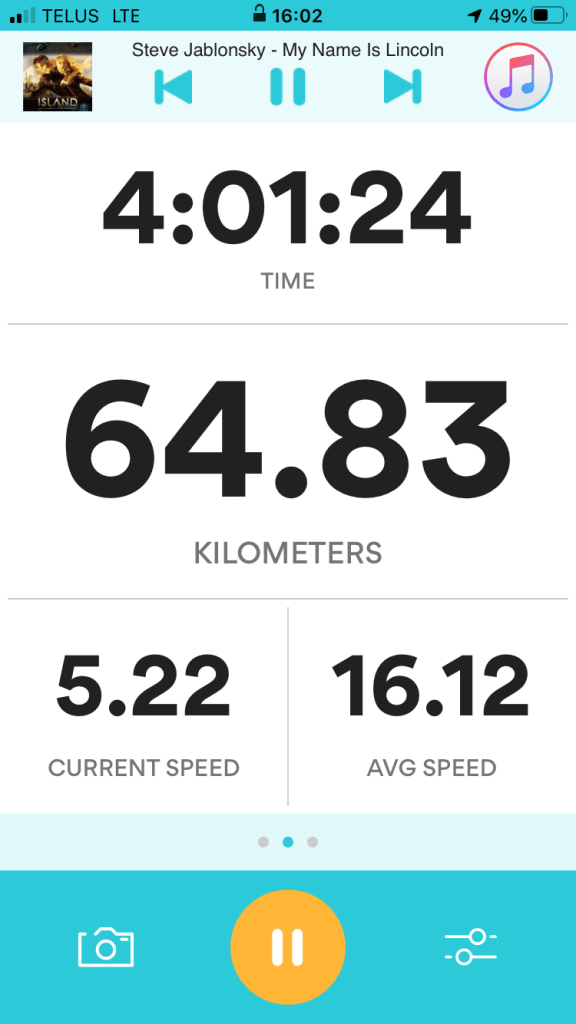
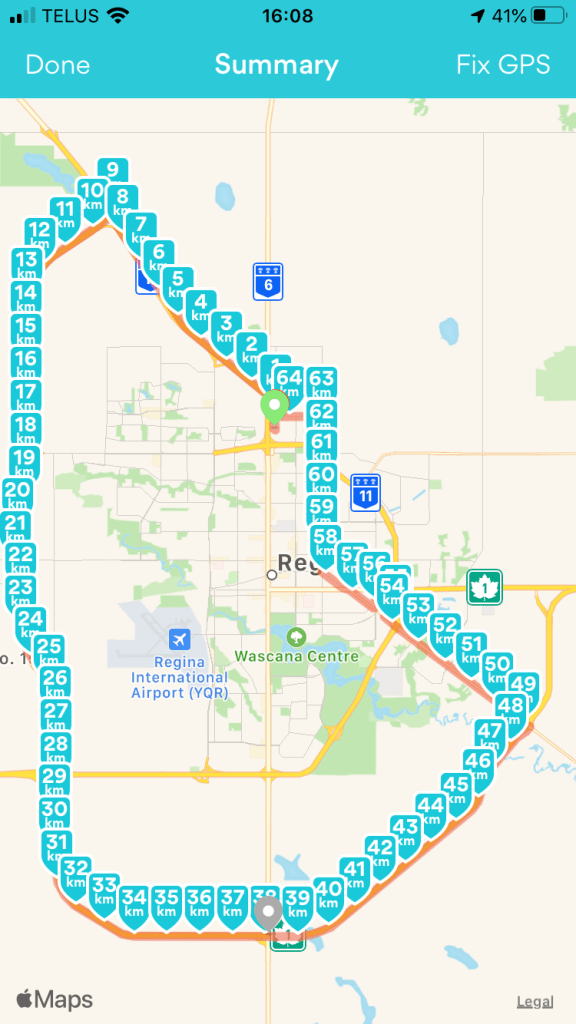
For my 5-year old son, this means sprawling in his bed with his iPad and watching Paw Patrol or Hello Ninja on repeat until he decides to go outside and try to reenact what he sees on screen. For my wife, it involves doing digital puzzles. For me, it involves finding time/space to meditate or go out on a bike ride. The bike rides have won over the most in recent weeks, especially since I’m trying to build my tolerance for long distances.

Wayne Dyer once said, “Peace is the result of retraining your mind to process life as it is, rather than what you think it should be.” If you wait until life is exactly how you want it in order to find peace, you may be surprised at how empty and shorter your life will be. Accept what is and make a point to find your own peace within your daily life. You and the people in your environment will be all the better for it. ☯

Your Way Of Living Can Be THE Way Of Living…

I’ve often seen some of these so-called “life coaches” and motivational speakers go on about the “right way to live” or the right steps to take in order to be successful. Although I will agree that some motivational speakers have got some decent advice and can sometimes provide some inspiration, an individual’s specific success is dependent on, well… the individual!

Each person is customized and grows according to their own specific circumstances and lifestyle. So it stands to reason that finding the right way to live for you can be as individualized and specific as certain medical treatments working for one individual but not the other. Makes sense, right?

As deep-rooted as this way of thinking is for me, I occasionally find things that resonate with me and I would be remiss if I didn’t share them. And here we are! I found this list while I was busy wandering down the ol’ internet rabbit hole one night, and I was surprised to find that I agreed with everything on it, which again is a rarity for me. So here’s the list for a simple formula for living:

  1. Live beneath your means;
  2. Return everything you borrow;
  3. Stop blaming other people;
  4. Admit it when you make a mistake;
  5. Give your unworn clothes to charity;
  6. Do something nice whether others see you do it or not;
  7. Listen more, talk less;
  8. Take a 30 minute walk every day;
  9. Strive for excellence, not perfection;
  10. Be on time. Don’t make excuses;
  11. Don’t argue, get organized;
  12. Be kind to unkind people;
  13. Let someone cut ahead of you in line;
  14. Take time to be alone;
  15. Cultivate good manners;
  16. Be humble;
  17. Realize and accept that life isn’t fair;
  18. Know when to keep your mouth shut;
  19. Go an entire day without criticizing anyone;
  20. Learn from the past and plan for the future; but
  21. Live in the present;
  22. Don’t sweat the small stuff;
  23. It’s all small stuff.

These are all excellent practices to develop, and I’ll admit that #12 is likely the one I have the biggest difficulty with, as demonstrated in a post I wrote entitled Let The Hate Flow Through You… I have an unfortunate intolerance for other people being unkind to me or my family, and my very capable mouth has a tendency of responding accordingly.

Find the daily practices that are important to you and fit with your values. There’s nothing wrong with finding inspiration for this from other sources, but be sure that they work for you. What fits well in one person’s life may not fit in yours. And ultimately we are only responsible for our own happiness, nobody else’s. ☯

Cue The Barry White Music…

One of the least discussed but most common issues with adult Diabetics, is complications in relations to sex. Realistically, whether you have Type-1 or Type-2, having Diabetes can cause some difficulties in relation to intimacy and sex, and it applies to both men and women.

It may be considered a bit taboo, and most people avoid talking about it. But solid communication is key in overcoming these complications. Trust me, I know all too well the stress and anxiety that comes with a first-time sexual encounter where I have to provide some rudimentary explanation about low blood sugar or why I may not be able to perform in that exact moment. It can make things hard (no pun intended!) and can be damaging to one’s self-esteem and self-image.

The first issue that applies to both genders, is blood circulation. Diabetes affects the nervous system and damages blood vessels. The unfortunate reality is that good blood circulation is necessary for a man to obtain and maintain an erection. Good blood circulation is also required in order for a woman’s vagina to swell, dilate and become lubricated. So you can just imagine that poor blood circulation and neurological damage can throw a damper in THAT department.

Another issue, which should be pretty obvious is one’s control of blood sugar. Nothing kills the mood faster than having your blood sugar drop. Because trust me, everything else drops with it! The best approach is to treat sex much like a workout. If you know sex is coming (which would be pretty presumptuous, but go with it), maybe carb up a bit so that you don’t suffer a low. Make sure to keep some fast-acting carbohydrates next to the bed (or wherever).

Last but not least, is the equipment. If you happen to wear an insulin pump, consider a lower, temporary basal rate for the next hour or suspend and remove your pump. Removing your pump for an hour is usually harmless, providing you don’t forget to reconnect. Seeing an electronic device tethered to the outside of your body can be a bit off-putting to someone who isn’t expecting it. But there again is where that ol’ communication aspect comes in.

I think we can all agree that Diabetes causes enough problems in one’s daily life without hampering one of life’s simple and natural pleasures. So plan ahead, communicate with your partner and be certain to test your blood sugar often. A healthy diet and exercise will also go a long way towards helping to prevent those particular difficulties. ☯

Crack A Cold One For Your Health…🍺

We have less than a month before the calendar-recognized beginning of summer. And I don’t know about y’all, but I definitely enjoy cracking a cold beer on a hot day! And that enjoyment has already started. I was tilling and seeding my back yard early last week, and when it was all said and done, my reward was to sit down with a cold brew and read a few chapters of a Lee Child book.

The truth is, beer has a notorious reputation and a love/hate relationship with many. Some of the world’s worst decisions and actions are a result of getting blitzed on beer. But like most things in life, the negative can be avoided simply by practicing some moderation. In fact, consuming beer in moderation (no more than one or two drinks a day) can lend a number of health benefits.

Much like wine, beer can help reduce the risk of heart disease. This is done by reducing inflammation and thinning the blood, thereby reducing the chance of developing a clot. It can also help to increase the “good cholesterol” and fight plaque in the arterial walls.

Beer is often considered to be bad for you but the reality is that beer contains a number of nutrients and minerals that can be beneficial. A Spanish study reported that people who worked out and rehydrated afterwards with beer were shown to be slightly better hydrated than those who drank only water. This is likely because beer contains many of the minerals required to maintain hydration and prevent hyponatremia.

Since beer increases insulin sensitivity, some studies have shown that moderately increasing your consumption of beer can reduce the risk of developing Type-2 Diabetes. That doesn’t mean getting lit every night and hoping you won’t develop Type-2! Moderation is the key, here.

Healthline.com has a good article that covers a number of the benefits and just to keep things on an equal playing field, they cover some of the downsides as well. Concerning someone with Diabetes, it’s important to remember that beer is loaded with carbs. This means you’ll have to take additional insulin to accommodate your drink. The average 355mL can of beer contains between 11 to 15 grams of carbohydrates. It starts to add up quickly if you have more than a couple.

Another issue is beer gut. Drinking beer in heavy amounts can lead to weight gain, especially from the calorie count. And of course, let’s not forget that drinking any alcoholic beverage in excess can lead to an addiction. But it’s nice to know that if someone comments about the cold beer you’re enjoying on a hot, summer afternoon on your afternoon off, you can brag about the benefits. ☯

The Crack That May Break Your Back

Do you crack your knuckles? A lot of people do. In fact, I have a hard time sitting up and stepping out of bed without my body imitating the sound of 500 mouse traps popping simultaneously. The jury’s out on whether cracking your joints is considered “safe,” but most people do it at some point or another.

Cracking your knuckles and joints has NOT been proven to be harmful. There are various studies that I’ve recently read, and rather than try to link them all here, I’ll just let y’all Google “is cracking joints dangerous” and you’ll get a bunch of articles from peer-reviewed sites that will lend their opinion.

There are different theories as to what causes joints to crack, including the release of gasses between the joints, tendons and other tissues snapping one way or another. The consensus is generally the same no matter what article you read: So long as the cracking in question doesn’t cause pain, steady discomfort, discolouration of the joints or inflammation, you’re good to go.

Depending on the study you research, you may find conflicting information, but cracking your knuckles has NOT been linked with arthritis or any associated condition. However, if any of the symptoms I provided in the previous paragraph occur, it may be a sign of some underlying pre-existing condition.

Now setting side the knuckles for a moment, what about other joints? Such as the neck? I have a nasty habit of cracking my neck, and although the practice isn’t inherently dangerous in itself, frequent neck cracking can pinch nerves and cause damage to blood vessels in the neck over time. This can lead to all kinds of nasty symptoms and conditions.

Cracking knuckles and joints isn’t inherently good or bad, but for some (such as myself) it can lend some augury of relief. If it comes to something delicate like your neck, seek treatment by a trained professional, such as a chiropractor. They’ve been medically trained to know how to alleviate the pressure that can cause discomfort in the joints, neck and back. And it’s much safer than whipping your own head around. ☯

The Roller Coaster Buffoon

Besides realizing the amazing accomplishments people can achieve despite having Type-1 Diabetes, my second favourite Diabetes aspect to write about are my pet peeves. And there are many of them. People have a lot of pre-conceived notions about Diabetes, what causes it and what the realities of dealing with it may be.

One of the worst pre-conceived notions I often hear about, is that Diabetes control only involves two things: exercise and insulin to lower blood sugar, and eating sugar to increase blood sugar. It’s actually much more complicated than that and the amount of attention that needs to be paid to all the “little” details would boggle your mind.

Let’s start by taking a look at the above image. This is a screen shot of my FreeStyle Libre from last week. Ignoring the painful fact that I only spent 46% time “in range” that day, you may notice that cute little spike in blood sugar levels during mid-day. This was right around the time that I was logging a 50-kilometre bike ride. So, what does this mean? Shouldn’t my blood sugar drop, if I’m performing strenuous exercise?

Not necessarily. In fact, strenuous exercise can often INCREASE your blood sugar, depending on the type of exercise and the accompanying rush you get. When under stress (me), in response to low blood sugars or when getting a rush of adrenaline, the body will release something called Glycogen, which is a secondary fuel source for the body.

So, what is Glycogen you ask? Or maybe you didn’t, but I’m going to tell you anyway. According to an article posted by Diabetes.co.uk, “In a healthy body, the pancreas will respond to higher levels of blood glucose, such as in response to eating, by releasing insulin which will lower blood glucose levels by prompting the liver and muscles to take up glucose from the blood and store it as Glycogen.”

Think of it as a spare battery for your body. In a normal human being, Glycogen will be released when the body needs extra glucose or energy, such as during strenuous exercise. The problem with someone with Type-1 Diabetes, is our pancreas doesn’t produce the insulin required to adjust for the high blood sugars that may result from a sudden release of Glycogen. Hence, the spike in my blood sugars.

Glycogen is actually pretty important towards keeping your muscles fuelled and helping you through physical exertion. In fact, low blood sugar after physical exertion will often happen because the body is trying to replenish its Glycogen stores by sapping the glucose in the blood. This is why exercising means adjustments to my basal rates, blousing in response to sudden spikes, staying properly hydrated and consuming fast-acting carbohydrates.

Nice, eh? A little more to it than just taking insulin or eating glucose. It’s just one more of those aspects related to my condition that requires monitoring and/or control. So the next time you see someone you know with Diabetes, wolfing down a donut or complaining of high blood sugars after an intense workout, you’ll know just a little bit more about the process. It’s a constant roller coaster of control… ☯

Bill “Superfoot” Wallace

You may have noticed that I’ve started taking the habit of writing about someone influential every Sunday. Influential to me, obviously, but hopefully somewhat influential to others once they read about them and learn bit about their accomplishments. This week, I thought I would write about an accomplished martial artist whom I’ve been reading about since my childhood: Bill “Superfoot” Wallace…

Wallace was born in 1945 in the United States and started to dip into the fighting arts through high school when he joined the wrestling team. He later went on to include Judo and had studied this for a number of years as well, but an injury to his right knee forced him to quit the art before he could pursue it to any extend. In 1967, Wallace served in the united States Air Force and it was there that he began studying the Okinawan karate style of Shorin-Ryu, which is a sister style to my own style of Uechi-Ryu.

I remember reading about Wallace as a child, in Black Belt Magazine. I was fascinated by the speed and accuracy of his kicks, and just a little bit jealous of the fact that I could never kick quite as high as he could. My constant practice and development of my roundhouse kick is a result of watching him in action.

Wallace spent many years in the karate tournament circuit, winning the Professional Karate Association’s middleweight full-contact karate championship and retired undefeated. Wallace eventually moved on to kickboxing tournaments, since these tournaments allowed for kicking while the PKA’s karate tournaments did not.

“Have A Blast. Have An Absolute Ball. Because It’s Something You Can Do Absolutely Forever, Your Entire Life. And It’s Just Fun… So Do It.”

– Bill “Superfoot” Wallace

Wallace became known for his fast and devastating kicks, which earned him the name of “Superfoot.” Wallace normally focused his kicks on his left foot, since the injury to his right knee that occurred during his time in Judo made kicking with the right foot more difficult (although not impossible, if you’ve watched any footage of him). This certainly didn’t slow him down in any respect.

Although most people tend to focus on the popular aspect of a person, which in this case is karate, Wallace holds a bachelor’s Degree in Physical Education and a Master’s Degree in Kinesiology. Wallace has written many books and has taught karate and coached many others, notably Elvis Presley and John Belushi.

What inspires me the most about Wallace is his undying dedication to the art and to his own self-development. He’s been known to say that no matter how fast or strong his kick may be, he’d continue to work it and develop it in order to improve himself. Having injured himself early on in his martial arts career, most people in his position would throw in the towel and take it easy. Not this man. He stuck to his goals and ambitions and to this day continues to speak and give seminars. ☯

The Million Dollar Question

What would you do, if you won the lottery tomorrow? Would you continue to work? Would you retire early and settle down somewhere and enjoy a quiet life? Or would you donate some of it or take up some philanthropic projects? The answer depends on one’s ambitions and goals, but each person’s individual answer can be surprising.

Most people I’ve asked have indicated they would quit their jobs, perhaps take an extended trip or vacation somewhere. Although all of that sounds nice, it might only take a very short period of time before that becomes tedious. You know how everyone says that money can’t buy happiness? Boredom is an even bigger hindrance to true happiness, making it all the more important to have firm goals in mind, even if you were to suddenly find yourself coming into a large amount of money.

Can money buy happiness? Perhaps not. To be honest, I’d prefer to find out for myself rather than take someone else’s word for it. But I can guarantee that money can obtain/buy many of the things that can BRING happiness. Becoming debt free, ensuring your children’s future and being able to have a financially stress-free vacation every year would go a long way towards helping one’s happiness.

And that’s the takeaway for myself, I think. I would be unable to stop working. I feel that it’s more than I could handle. Nothing saying I wouldn’t work much less, but I would have the benefit of knowing that whatever work I did was for the greater good without worrying about having to earn a salary in the process. Damn responsibilities, am I right?

Personally, I have a strong dislike of money. I don’t like the fact that it’s required for just about everything in today’s modern world. But if I had enough to be considered independently wealthy, I would continue to work in my current industry, provide and/or share some of my wealth with family and repair and upgrade my home. Maybe I’d arrange to have a small cabin on a lakeside somewhere where I can spend sunny afternoons reading and doing martial arts.

What would you do? A little dreaming never hurt anyone. Feel free to share your thoughts, or simply use this as food for personal thought. ☯

How To Hydrate 💦

Water is kind of a big deal. Humans are composed roughly of 60% water, which makes consuming it all the more important. I’ve touched on this in previous posts, namely Some Watered Down Information (Yes, I reference my own posts! Wanna make something’ of it?) But how we consume that water is almost as important as how much.

How much water you need to consume in a day depends on varying factors, including weight, age and certain medical conditions. But the agreed amount these days is to drink half your body weight in ounces. So for example, if you weigh 200 pounds, you should consume 100 ounces (or 2.84 litres) of water a day. That amount can increase, especially in the warmer months or if you’re physically active.

Now that we’ve covered that, what if you were to chug 3 litres of water within the first few hours of your day. Would you need to drink more later on, or have you reached your quota and you’re good to go? Believe it or not, chugging or sipping makes a difference.

According to an online article posted by ScienceABC, “When we have consumed more water than the body needs to operate, it responds by flushing out excess water to ensure that the correct amount stays within the body.” In other words, if you chug water in mass amounts, it may sate your thirst in the immediate moment, but you’ll urinate the excess and won’t hit your daily limit.

This is also confirmed in the article, where they say, “[…] any excess water in the body is flushed out through the urine, which is more likely to happen with gulping.” So if you gulp large amounts, your body will just get rid of the excess anyway. Gulping too much water, which in turns causes the excess to be urinated, will force the kidneys to expel necessary salts from the body along with it. The loss of these salts can cause fatigue, headaches and tissue swelling. It’s a condition called Hyponatremia.

Other problems with chugging or consuming too much water include upsetting the proper balance of electrolytes in the body and water intoxication. These can be accompanied by a number of symptoms including but not limited to fatigue, weakness, irritability and confusion. Seems like a bit of a pain in the ass, just for drinking too much water, eh?

So, the best practice in order to stay properly hydrated throughout the day without causing issues is to simply sip consistently. There is no “optimal” temperature; whatever temperature of water gets you to stay hydrated is ideal. For Diabetics especially, some of that excess consumption can happen when we have very high blood sugars, which cause increased thirst. This becomes a prime example of how the body will flush out excess water.

No matter what, be sure to keep a bottle of water with you at all times, especially during the summer months, and sip from it consistently in order to stay hydrated. Remember that your hydration needs will increase if you’re out in the summer heat and/or exercising. ☯