WD-40 And Duct Tape Aren’t Always Enough…

I was having an interesting conversation with my Endocrinologist, two weeks ago while we were busy high-fiving and patting each other on the back for an excellent A1C result (which you can see my excitement in the video I posted here). The conversation involved telling me that I was a very “boring” patient, because I took care of myself made an effort to maintain and control my Diabetes as opposed to allowing it to control me.

He explained that he occasionally spoke of me to some of his other patients (without using my name or personal information, of course) in relation to things they should be doing and he wanted my opinion as to what I felt the success of my treatment was attributed to. I gave him my usual spiel about exercising, trying to eat well and testing my blood sugars often, but the biggest factor I provided was the WILL to do those things.

It’s no secret that uncontrolled blood sugars and in fact, Diabetes in general can cause a person to be without energy, drive and ambition. Most importantly, a person who has suffered through Diabetes for any number of years will often just throw up their hands or hang their heads low and say, “Fuck it…” before indulging in an easier lifestyle and all the vices and poor health choices that it includes. And that’s where I differ from the norm…
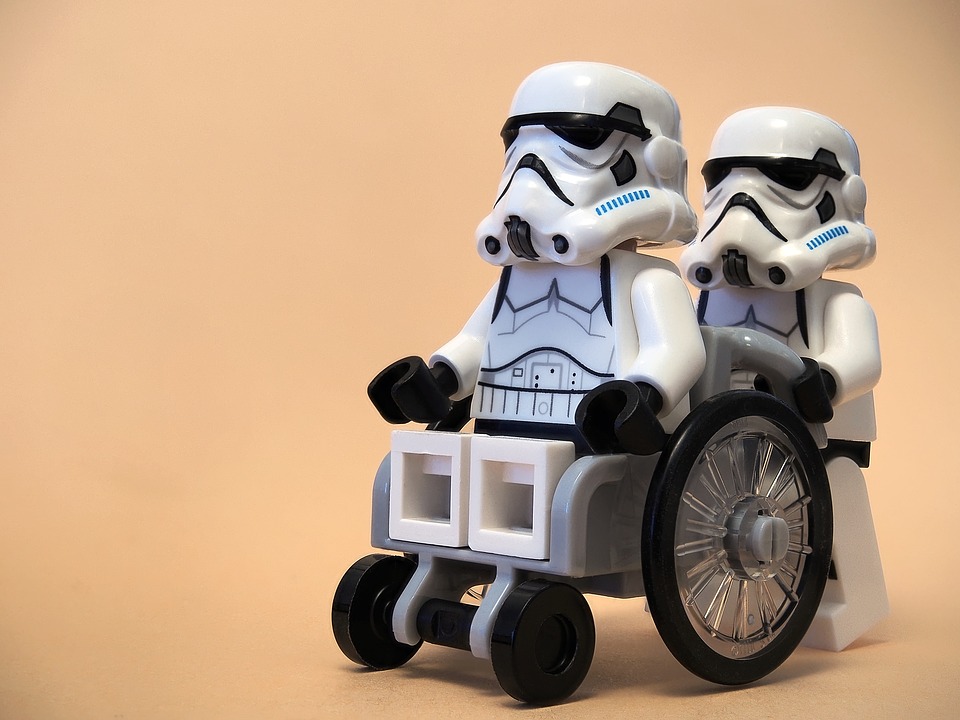
The body is a complex machine; one that requires constant attention and maintainance. And that’s not just an expression. Although biological in nature, your body IS a machine, with a shit ton of complex and delicate moving parts, functions and movements. You need to fuel this machine in the form of food consumption for energy, patch up and repair when there’s damage and provide supplementation and medications, as well. And all of that is controlled by a meaty computer processor that’s protectively encased in an armoured helmet. Not least of which is that we have a tail pipe that vents gas and expels waste like a vehicle.

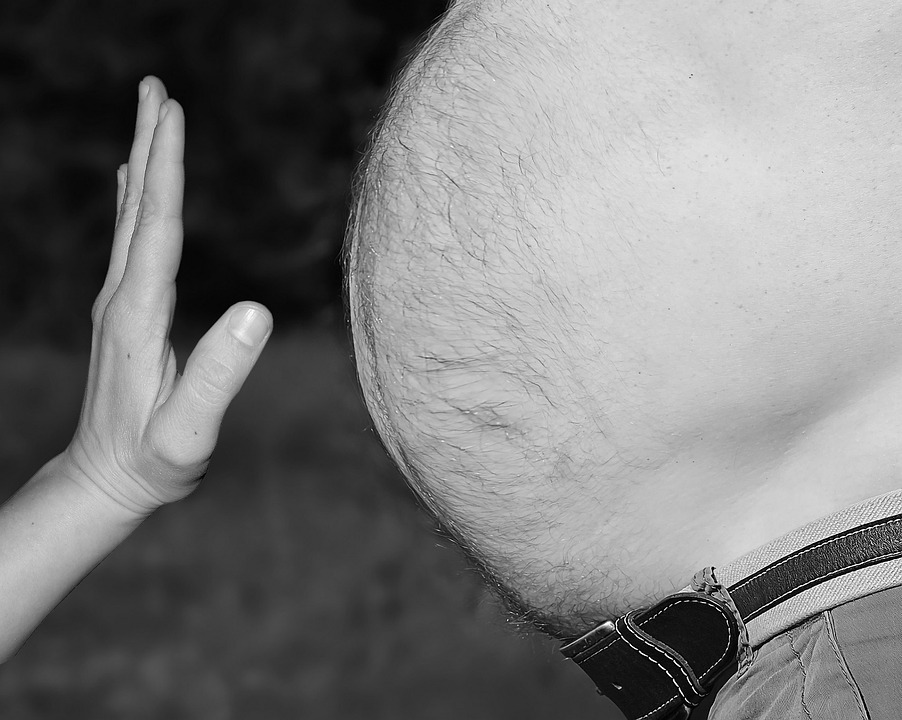
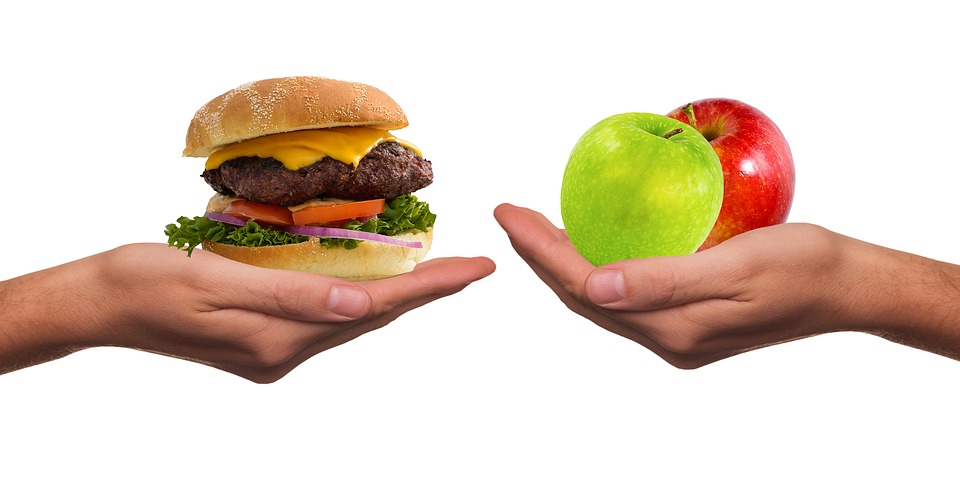
Even the most high-end and sophisticated engines will eventually seize if hey aren’t maintained, lubricated and fed the appropriate types of fuel. And the superb machine that is your body is no different. I’ve had this discussion with a number of Diabetic associates that I’ve had over the years (most of which are unfortunately already deceased). Although it can be easy to just eat whatever’s laying around and whatever’s easiest, one needs to put in the effort to eat fresh foods, lean proteins and portions that won’t cause you to balloon up like a morbid, meat-based beach ball. I’m partial to salmon and tuna steaks, and enjoy a carb-free meal of fish and brussel sprouts at least twice a week.

Exercise is already an integral part to keeping oneself healthy and it’s no surprise that it would be all the more important for someone with Diabetes. I’ve struggled for years against weight gain, blood sugar levels and better body chemistry, all of which can be manipulated and improved through exercise. And to be honest, unless you’re part of a club or formal fitness club that you’re paying for, it doesn’t have to take huge lengths of time. At home, I keep my workouts limited to thirty or forty minutes. This allows for a good sweat, an increased heart rate AND it allows me to opportunity to get the workout done before my children make me wish they were old enough to wear sparring gear! The point is that you can hammer out any variety of workouts in the short time that it takes you to watch one episode of whatever you’re binge-watching at the moment.

Between food and exercise, you need to pay close attention to your insulin levels and blood sugars. Maintaining those two aspects of your Diabetes in conjunction with food and exercise will guarantee an increased longevity and less chance of serious Diabetes complications. Most Diabetes complications are permanent. Although you can get SOME organs replaced, there’s never any guarantee. You can remedy an amputation by getting a prosthetic, but this ain’t a sci-fi movie. You won’t be hustling around with a cybernetic limb. At least not yet.

So knowing that it could help you live longer, be healthier and feel better, one would be inclined to think that this would be the only motivation you need. But unfortunately, this is rarely the case. You need to WANT those things. You also need to recognize that stepping up and putting the effort is the ONLY way you’ll get them. An important part of it is to ask yourself what you have to fight for.

Personally, I’d like to live long enough to see the potential birth of my grandchildren and grow old with my wife. I can’t do that if I have a heart attack in my forties because I ate like shit and sat on the couch day in and day out… So folks, work hard at keeping your engine running. It’s the only one you’ll get. And once you’re dead, there are no backsies! So work hard, eat well and make the effort to make all your medical appointments. Your engine will run smoother, longer and you’ll get to reap the benefits that come with a longer, happier life. ☯

Well Then, Maybe YOU Want To Be The Doctor…

Being diagnosed as Type-1 Diabetic at the tender age of 4, I’ve had the benefit and burden of surviving my childhood with a plethora of different doctors, specialists and all-around know-it-alls who love the sound of their own voices and providing unsolicited opinions. But i would be lying if I said that I didn’t owe my survival through said childhood as a result of those medical professionals. During my childhood, my parents lacked the education, resources and information to provide the level of care that was required to help a small child survive Type-1 Diabetes. I mean, they did the best they could with what they had. But there’s no doubt I’d be dead by now if not for the care and advice from the many doctors I’ve had over the years.

But one thing that’s grated on my nerves in recent decades, is the use and aversion to Dr. Google. Y’all know Dr. Google, right? It’s a pretty common practice that people have where they look up their symptoms online and make clinical decisions for their health based on what they’ve found. I don’t need to tell you that this can be an extremely dangerous practice and I certainly don’t recommend it. That being said, there’s a growing number of reputable, peer-reviewed sites that can lend some invaluable information when the situation doesn’t allow for an 8-hour hospital visit or a doctor’s office visit that would likely only be scheduled months down the road.

Such sites can include some of my favourites like WebMD, Healthline.com and the Mayo Clinic’s website. One good example of this is when my wife successfully identified our son’s tendency to soil himself as Encopresis, a condition in children where bowel movements are painful so they hold it in to avoid said pain, resulting in clogged fecal matter that needs to be softened and passed through increased fiber and water intake. (Notice that I used the Mayo Clinic’s page to define Encopresis)

We didn’t just blindly accept the condition as what was happening but the information we gained gave us the ability to ask Nathan the right questions and, as a result, lead to an at-home treatment the ultimately cured the condition. Otherwise, we might have been looking at doctors’ appointments, tests, invasive probes and attempted prescriptions over days and perhaps weeks, for a simple condition my wife was able to identify in one afternoon of reasonable and proper research.

But most doctors despise this practice and not only frown on it but will directly berate patients when they hear that they’ve “checked online” in relation to something medical. One good example comes to mind from the early 2000’s when I was totally and completely exhausted, regardless of sleep. I was always dizzy, had bad headaches and my body and joints ached constantly. Although the internet wasn’t quite what it is now, I was able to research some information and found a condition referred to as Chronic Fatigue Syndrome. Based on my symptoms and the possible causes of this condition, it was recommended I see a doctor. Which I did. Then I explained. And spent the next twenty minutes being lectured on the fact that HE was the doctor and HE’d decide what my diagnosis is.

In a way, I get it. Doctors and medical professionals spend years, huge amounts of money as well as personal commitment and sacrifice to become the professionals that they are. I can understand that it would come as a slap in the face to have Joe Everyday walk into your office and tell YOU what the diagnosis is, before you’ve even had a chance to examine them. It would be like a white belt starting at my dojo and trying to tell ME how to punch or kick because they saw Van Damme do it differently.

The problem is that Chronic Fatigue Syndrome usually passes within a few months and can occur without warning or reason. There are risk factors and possible reasons, but nothing proven. I was basically ignored and sent home with the recommendation to “get some sleep,” despite my explanation that sleep wasn’t rejuvenating me. And there lies the issue: hospital and clinic wait times have just as much effect on the medical staff as they do on the patients. Doctors often double book and have to hustle patients through as quickly as they can, without having proper time to evaluate and diagnose what may be wrong.

On the flip side of things, we have those peer-reviewed sites I mentioned. You know, the ones written by doctors then reviewed and confirmed by other doctors? It’s not a good thing when a patient assumes to KNOW what’s wrong based on a few web searches. But by the same token, it’s also wrong for a doctor to dismiss a patients questions and concerns BECAUSE their information originated from the internet. After all, it’s fuckin’ 2021, people! I’ve heard multiple responses from doctors including, but not limited to:

  • “Would you like to be the doctor or would you like to let me do my job…?”
  • “Oh, you checked online?! I guess you have all the answers, then…”
  • “People need to stop risking their health by depending on the internet!”
  • “I’ll decide on that, thank you very much!” (usually before they’ve even heard my concerns)

There are many more, but online everything is the way of the world. Although skilled and likely cranky due to debt, doctors need to understand that provided information mixed with the patients genuine concerns shouldn’t be dismissed or taken lightly. After all, if you could diagnose and heal a patient in days using shared information rather than weeks, wouldn’t that be a good thing? Work smarter not harder, right?

I’ve been pretty lucky that such encounters have usually been the result of clinic or on-call doctors and not my usual family practitioners or specialists. But if you choose to use the world’s information to help in your medical care, be prepared to stand your ground and deal with some of the more judgmental and touchy doctors that are out there. This shouldn’t discourage you from doing research and looking at what may be causing a particular ailment, so long as you use common sense and call 911 if you’re bleeding or are suffering an immediate emergency. The internet can only do so much… ☯

Maybe You Should Sleep On It

One of the things I’ve come to realize in recent years is that “dad bod” is a VERY real thing. Having a condition like Diabetes that increases your gut size doesn’t help, either. But I recently made a short video where I filmed myself doing karate katas and when I reviewed the video to do some editing, I was taken aback at how “thick” I looked. And since this isn’t a rap video, being “thick” is NOT a good thing. I work pretty hard at trying to maintain my weight, but the old adage about gaining muscle mass increasing your overall weight holds some truth as well. I guess that classifies me as a muscled fatman (says the word “fatman” with a raspy Batman voice).

This is why I’m usually game to try anything to help trim the fat, as it were, so long as it isn’t dangerous or harmful and doesn’t affect my Diabetes. Granted, let’s agree that EVERYTHING affects Diabetes, so that’s a tough one. But I try to maintain four to six workouts a week, I’ve incorporated reduced-carbohydrates, reduced daily caloric intake, green tea consumption and trying out any supplements that might help in slimming me down. The bottom line is that falling into a caloric deficit that forces one’s body to burn fat as a fuel source is the only genuine source of weight-loss, although there are different ways to achieve this.

That’s why I was deeply fascinated when I read somewhere that proper sleep can help with weight loss. To be honest, no one loves sleep more than I do. Except maybe my wife. But given Type-1 Diabetes, PTSD and small children in the house, getting a proper night’s sleep or even enjoying a decent nap can be a somewhat fleeting thing. Not to mention that as much as I LOVE my insulin pump, it’s frequent alarms for all reasons throughout the night tend to keep both my wife and I from getting a full, uninterrupted 8 hours of rest.

For those reasons, I decided to look into the matter and see what could be potentially inflating my middle, other than my love for a good burger, as it relates to sleep. An article posted by The Sleep Foundation states that there seems to be a correlation between modern families getting less sleep and the fact that obesity is on the rise. One of the concepts the article proposes is the fact that lack of sleep affects the neurotransmitters that control one’s appetite, leading to greater consumption of food throughout the waking day.

This actually makes a lot of sense to me. I used to work with a lady who swore by grabbing a snack when she felt sleepy on the job. I’ll admit that on days where I felt blasted and needed a nap, grabbing a quick bite to eat would usually refresh me for a short period of time, so I personally feel that there’s some truth to this. Not least of which is the fact that lack of sleep will cause a lack of energy for sports and activities.

The article goes on to point out that less sleep means you have more time to snack and eat, a pleasure that I am FREQUENTLY guilty of. Especially during late-night blogging sessions, I’ll often indulge in some of the very snack foods that I should be trying to avoid. It ends by pointing out the usual sleep recommendations: regular schedule, pitch-dark room, no eating before bed and reducing one’s stress. To be honest, I don’t know of any person who can do ALL of those things. So are we just basically screwed and have to surrender to the oncoming “dad bod?”

Another article I found by WebMD brings up most of what the Sleep Foundation article does but it also points out that we tend to make bad decisions when we’re tired, which leads to depending on sugar-filled caffeine drinks to jumpstart our mornings and eating crap all day since our bodies have difficulties fighting food cravings when tired. Add to that fact that if you’re exhausted you’ll be in absolutely NO mood to exercise and BAM! Weight gain! One direct point that the WebMD article makes states, “Too little sleep triggers a cortisol spike. This stress hormone signals your body to conserve energy to fuel your waking hours. Translation: you’re more apt to hang on to fat.”

I found a few more articles from different sources but they basically parrot what I’ve provided already, so I won’t bother. But the take home to today’s post is that sleeping won’t make you LOSE weight, but lack of sleep will certainly hinder your efforts to do so. In fact, lack of sleep can cause you to gain weight. So, let’s clarify this… Getting more sleep can help me to curb my appetite and encourage my efforts to lose weight? Sounds fantastic. Now, to find a way to get a full, uninterrupted night’s sleep… ☯

In “Casein” You Didn’t Know…

I always like to keep an ear open to new things, especially where my health and fitness are concerned. And something I’ve been reading about recently is a slow-digesting protein called Casein. Somewhat comparable to whey protein, Casein is absorbed and used by the muscles at a different. According to an article I found on Men’s Health, casein is a slow-acting form of protein that “drip feeds your muscles” and “your blood amino acid ‘peaks’ with your protein synthesis […] and continues to do so for up to four hours after ingesting.”

So, what’s the skinny? Is this shit better than whey protein? From what I’ve read, they’re both quite similar with the exception that whey is absorbed much faster. The slower rate at which the body processes Casein makes it a bit easier on the body as it provides a steady stream of amino acids and protein to the body instead of having get all soaked up in one shot. That same Men’s Health article goes on to explain that Casein is usually best taken before bed, since its slow delivery allows for better muscle recovery while you sleep.

Another article I found posted on Muscle & Fitness also agrees that whey is the best option as a post-workout protein, but lists a number of benefits to including Casein in your fitness regiment. Besides lasting longer than whey and helping to provide greater strength, the article boasts greater muscle gains and some fat loss benefits. Of course, like everything else, this is combination to a good diet and consistent exercise.

One last benefit that Muscle & Fitness included is that the consumption of Casein can potentially reduce and prevent the effects of enamel erosion. That’s based on some studies from the UK, of course. So one needs to take it with grain of salt. But it would be cool if it did since you don’t usually hear about fitness supplements providing such a benefit.

Last but not least of course, is the fact that there are some studies showing that Casein can help with insulin and glucose levels. But I wasn’t able to find anything definitive. At least, nothing worth mentioning here. But I intend to keep researching and looking into it and I’ll be sure to add to this if there’s a positive Diabetic component that’s found.

In the meantime, I’ll say the same thing I say with everything else. Although this is an over-the-counter supplement, you should consult your medical practitioner before adding any specialized supplements to your daily diet. Like everything else, Casein may not be for everybody and since everyone is different, all the benefits listed in these articles may not necessarily work for you. ☯

Isn’t It All Organic To The Conversation?

Something that’s always had me curious is the separation and designation of certain foods within supermarkets that are labeled as “organic.” For years, I’ve walked past these displays while doing groceries and had a laugh at the pop suckers who paid almost twice the price in some instances, for the very same food I was buying from the regular section. My laugh would be accompanied but a mumbled comment to the effect of, “Idiots! ALL food is organic…”

I wasn’t wrong in my assessment… About all food being organic, not the people being idiots! But I digress… The truth is, yes all food is organic. But what’s being referred to is the method in which the food is grown and harvested. To be specific, “organic” foods are foods that are grown without the use of chemical pesticides, fertilizers, growth regulators and additives. In the case of livestock, they’re bred without the use of hormones and antibiotics.

Depending on who you talk to and what source you research, choosing between organic and traditional food can be a tough nut to crack. Although consuming foods that don’t involve everything listed above may SOUND like a good idea, there are pros and cons to “organic” food, just like everything else in life. I apologize ahead of time for the quotation marks I keep using; I can’t get past the fact that all food is organic, so I consider it a label as opposed to a proper description.

First of all, it needs to be understood that organic foods, for the most part, contain the same nutritional value as conventional foods. There are some mild exceptions, and this is where your sources may differ. For example, an article posted by HealthLine.com indicates that some studies have shown that organic foods may be higher in antioxidants and vitamins. One advantage to the lack of pesticides is that the crops need to defend themselves using natural means, namely increased antioxidants.

The evidence is an overall mixed bag of whether the organic version is better for you or not. Either way, you can’t lose. But the cons come into play when you consider how much more expensive the organic option is. The reason behind this is because the lack of pesticides and chemicals means that farmers need to perform most of their weed removal and crop care by hand, which takes more time, labour and extra hands. Hence, why it costs so much more.

The big takeaway is that most studies agree that although consuming organic foods may help reduce the amount of chemicals and pesticides you ingest, the amount contained in conventional foods is negligible at best, and no worse than you’d be exposed to during contact with your day-to-day life. Another important fact is that although organic foods are grown and harvested in a specific way, it doesn’t make them any healthier to your overall health goals. “Organic” baked goods, butter and fatty foods will still be JUST as bad for you as their conventional counterparts.

Last but not least, you want to be careful when spotting the difference between “organic” and “natural,” as they don’t mean the same thing AT ALL. And besides the increased cost, “organic” produce has a tendency of spoiling quicker than their conventional counterparts. At the end of the day, an apple is an apple and both will be just as nutritional and good for you. The choice to buy “organic” is a personal and subjective one, and should be based on preference. ☯

I Swear, I’m Not Stretching The Truth…

Stretching is an important requirement to proper health and fitness, and it continues to amaze me how many people don’t take it seriously. For example, I see a lot of karate students who show up to the dojo five minutes before start of class and jump into it cold. There are significant risks to such a practice, which many students seem to forget. Yes, I know what you’re thinking… In the street, you won’t have time to stretch if you get into an altercation and had to defend yourself. While this is certainly true, we stretch and train our body so that in the event of a cold start such as a street fight, your body is conditioned and muscle memory kicks in.

There’s a significant balance between too much and too little, when it comes to stretching. Have you ever gone a full week without doing any exercise? Notice how everything feels tight and it seems a bit harder to move? This is because over time, your muscles will shorten and tighten up if you don’t stretch regularly. This is why stretching is required in order to stay flexible and mobile and to allow full and proper motion of our joints. In fact, some would argue that stretching is more about mobility than fitness. But I believe it holds some importance in both.

The key thing is to not overdo it. You should aim to stretch for anywhere from about five to ten minutes in order to ensure your muscles are warm and pliable. Not to be mistaken with an actual warmup, of course. But after about a ten to fifteen minute warmup, get to the actual workout. It is actually possible to stretch TOO much, and this can lead to injury, damage to ligaments and tendons, pulled muscles and even hypermobility.

Although most people have some form of hypermobility somewhere in their body, it’s not a good thing. Hypermobility refers to the ability of certain joints to move beyond their supposed range of motion, which is a problem that can cause it’s own batch of complications and issues. So it’s important to find a correct balance in stretching and warming up the body.

Stretching should be done right before a workout, although some argument has been made for stretching afterwards, as well. Depending on the type of workout you do, stretching after the workout can help keep the muscles flexible and help prevent stiffness and injury. But you should start by finding a comfortable corner and stretching slowly, breathing and moving comfortably. Although it can be useful to try reaching a bit, it’s important not to extend beyond what’s comfortable. Stretching can provide a feeling of tension, but it shouldn’t be consistently painful or stinging.

Once you’ve stretched and warmed up all the required muscle groups, you’ll want to slip into a warmup. Warmups can contribute to stretching and mobility, but depending on the workout you’re doing are meant to get your heart rate up and the blood pumping. So it’s important to keep the two separate, in terms of completion. Start small, going no further than what your body can comfortably reach. As you fall into a routine, you’ll likely notice that your flexibility is increasing and you can stretch farther. But don’t push it! It isn’t one of those things where if you reach it once, you can reach it again. Muscle tissues will tighten and loosen depending on how frequently you stretch and exercise and how often you don’t.

If you’ve managed to overstretch or stretch too much, you’ll notice a number of symptoms including swelling, redness and weakness of the muscle in question. In fact, it may even hurt while you’re at rest and you may not be able to use that particular overtaxed muscle for a period of time. At home treatment can include some over-the-counter anti-inflammatory pain meds, resting the muscle in question and using the PRICE method (Protection, Rest, Ice, Compression and Elevation) until the injury subsides. The important thing is not to return to stretching the damaged muscle before its had a chance to heal.

If you hear a sharp popping sound while stretching, feel pain at a level that can’t be tolerated or ignore or are completely unable to move the limb associated to the muscle group, you should seek immediate medical care. You may have torn something that can only be repaired at the hospital. It’s important to use your judgement but don’t try to “tough it out,” and injuries can be become aggravated easily. You can stretch after a workout as I mentioned earlier. But if you do, keep it to a minimum as your body will already be tired and it can be easy to overdue it. ☯

The Perfect Hemoglobin A1C

One of the biggest challenges faced by Type-1 Diabetics is maintaining a good A1C level. I’ve been struggling with it for most of my life. In fact, in 2014 I started with an A1C of about 8.4%, which is a level that’s considered to be the beginning of a dangerous level. In this video, I explain exactly what an A1C is and the fact that for the first time in over 15 years, I achieved my goal of dropping below 7.0% with a result of 6.9%! ☯

Just Because It’s Buffed Doesn’t Mean It’s Nice…

Lifting weights is an important part of health & fitness, even if you’re not necessarily trying to bodybuild. And to be clear, weightlifting and bodybuilding are not one and the same; weightlifting is only one of the activities that a bodybuilder performs in order to build upon themselves, with a score of other important factors at play. I’m certainly no bodybuilder, nor do I aspire to be. I use dumbbells and kettlebells freely, as gaining and maintaining true muscle strength is important in the martial arts and in maintaining the bodily strength required to keep healthy.

And before I go too far into my opinionated rant, let me just say that I have a reasonable amount of admiration for those who are able to sculpt and develop their bodies the way you’d see on a sports network. The old-school Schwarzenegger look may even suit some people, although I find it altogether exaggerated and a bit much. And there’s a significant difference between true strength and bodybuilding. In actual strength training, a person will use the lifting of weight to increase muscle size in order to increase strength, and can use that strength functionally. Bodybuilders are lifting weights solely for the purpose of increasing their size. Although there will be increased strength during the process, it may not be as effective as proper strength training.

The purpose of today’s post isn’t to bash on bodybuilding. As I mentioned earlier, kudos to the folks who are able to sacrifice and work hard towards making their bodies the way they want them to look. Today’s focus is on increasing the mass/size of your body and how it relates to the martial arts and proper health. As it just so happens, being a little too “buff” can have some negative and even detrimental side effects on the human body.

Let’s cover off the martial arts aspect, well… just because! I’ve seen a number of heavily-muscled people walk into the dojo throughout my youth, only to walk out after a few classes. And why do you suppose that is? Well for one thing, increased size will DECREASE your flexibility, mobility and range. You’re stiffer and tend to move much less easier. Just to be clear, I’m referring to people who are REALLY muscled. But in a combat art such as karate, flexibility and mobility are extremely important, for obvious reasons. Are there exceptions to that rule? Absolutely. But the really buff people who still have all the flexibility and mobility are VERY far between.

Speed is another. Your punch may have all the strength of those massive arms behind it, but it means nothing if I can casually avoid your fist because you’re moving like melting butter. The bigger you are, the slower you’ll move. Physics says so. You can only move so fast, as speed equals distance over time. The bigger you are, the more time it takes you to cover the distance, hence slower speed. Picture the difference between a 2-door coupe and an 18-wheeler. It’s easier to achieve a specific speed with the coupe because it takes less time to cover a specific distance due to less weight. There’s your high school physics lesson for tonight. But in the event of a real fight scenario where a person’s wellbeing hangs in the balance, expect that I’ll kick in your knee caps while you’re trying to take a swing. You won’t see it, as your field of vision won’t reach over your massive chest, but you get the idea…

And that’s the other problem is the excess size. You’ll be restricted by your own clothing, for Light’s sake! You’ll have less ability to maneuver in tight spaces, leaving the advantage to the smaller, trained fighter. This is why it’s always been a bit of an issue for me, when people automatically say things like, “Look at how buff that person is. I wouldn’t want to mess with them!” Having big muscles is only one small part of the equation that allows you to use them effectively to protect yourself and others.

And now, because I write about Diabetes, let’s discuss how increased muscle mass relates to health. Don’t forget that the bigger the engine, the more fuel is required to operate it. The human body is very much the same way. The bigger you are, the more calories you’ll need to consume to maintain your body on a daily basis. For someone with Type-1 Diabetes, who needs to calculate carbohydrate intake and take insulin dosages accordingly, this can be a significant problem. I’m not saying it can’t be done; I’m saying that finding that proper balance will be all the harder. And you may cause damage in the process, from a Diabetes-standpoint.

The next issue is the toll it takes on the body. Being too muscular is just as bad as being obese. Don’t believe me? Weight is weight, and your skeletal structure doesn’t grow stronger to accommodate your increase in mass. Your bones, organs and vital bodily systems may not be able to accommodate become too buff. Just think of your heart and how much hard it has to work to maintain all the added mass. That’s why bodybuilders will frequently suffer heart and organ issues. Schwarzenegger himself has had heart surgery. That should tell you something.

There’s nothing wrong with increasing one’s muscle mass. In fact, it’s one of those “happy medium” things where lifting weights a few times a week can decrease the chances of cardiac issues while doing it too much will tax your heart. take it with grain of salt. If we’d pay attention to absolutely EVERYTHING that can be harmful, we’d die of worry instead. Ultimately, the point is that muscle mass for strength good/ Muscle mass for size, bad. Especially from the martial arts standpoint. Just for shits and giggles, here’s a commercial from 2011 for Planet Fitness that makes me laugh every time I see it… ☯

Feel The Burn, But Don’t Ignore The Growl…

In recent months, I’ve been trying to reduce my daily caloric intake in the hopes of slimming down a touch. You’ll notice I said “reduce,” and I mean just that. I don’t allow myself to get hungry and I’ll still permit the occasional snack-based indulgence when I feel it’s warranted. In fact, most research I’ve read has confirmed that this is the best course of action, since denying yourself cravings will usually lead to a slippery slope of binging on junk food. But I digress…

If you work out often and consistently, I’m sure you’ve been there… You’ve got a good sweat going, decent music is blaring on your iPhone, your son is destroying everything in his path… or maybe that’s just me! But suddenly, you feel a hollow gurgling coming from your gut, followed by the telltale growl of hunger. What to do? Do you stop your workout simply to go grab a snack? Out better yet, is it okay to start your workout on an empty stomach? That, dear readers, is the important question!

Speaking strictly from a personal perspective, going into any kind of intense workout on an empty stomach can be somewhat problematic, bordering on the dangerous. After all, depending on the type of workout I perform and for how long, my blood sugars will either drop to the floor or skyrocket. As a simple matter of planning, I usually need to decide what type of workout I’ll be performing before I do it so that I can decide what food (if any) I should be consuming prior to feeling the burn. But the question I posed is whether or not it’s “okay” to work out on an empty stomach.

There’s a prevailing theory out there that if you work out on an empty stomach, your body will be forced to burn fat as fuel and you’re more likely to lose weight through the burning of fat. This is a concept known as fasted cardio and like everything else in the world, its effectiveness has been debated back and forth by various studies over recent years. In fact, according to an article posted by HealthLine.com, a 2016 study showed an increased fat burn and a lower daily caloric intake. But the same article also points to a 2014 study where there was no measurable benefit to doing so.

One of the big problems with working out on an empty stomach is that your body may not necessarily use fat as the next fuel source. An article posted by WebMD explains how the body may lean towards burning the sugars in your muscle tissue, which will actually lead to sacrificing some muscle mass in order to try and lose fat. And both articles agree that even IF your body burns through some fat as energy, it’ll likely just adapt to doing this by storing MORE fat when you finally do eat.

As with most things in life, it’s all about balance. You want to try and consume whole foods that are healthy and prepared at home as opposed to foods that are processed and high in sodium and unhealthy fats. Knowing your body and how your blood sugars respond to specific workouts will go a long way towards helping to ensure you get maximum bang for your buck during your workout. A fasting workout also means that your energy levels and stamina will be much lower, causing you to be far less effective DURING your workout. The flip side is to keep your portions small, which will ensure that you don’t get nauseous during an intense workout from a full stomach.

Personally, I’m not a fan of jumping out of bed first thing in the morning and hammering at it. I’ve done it. But I hate it. But if you keep your portions small and healthy, you’ll have the fuel you need to power your engine and you’ll still hit the fat-burning threshold once you’ve depleted that fuel. I’ve always said that there are no shortcuts or easy steps to losing weight. One needs to be patient and work towards it. And whether you choose to work out on an empty stomach or not, remember that you’ll need to eat in order to replenish yourself within the couple of hours following the workout. Check your blood sugars before and after your workout (and during, if you simply don’t feel “right”), stay hydrated and don’t forget to consult your medical practitioner if you’re starting a new workout routine and you aren’t sure if it’s right for you. ☯

Two Conditions By The Same Name Are Not Created Equal…

You know, I’ve often written about the things I don’t like being said to me or assumed about me, in relation to my Diabetes. I think this is a common issue for most folks; everyone has SOMETHING they don’t like to hear about their specific health condition, lifestyle, choices, etc… But one of the most common misconceptions people have about Diabetes is the difference Type-1 and Type-2 Diabetes. There are a number of other “sub-types,” which I covered quite a while back in my post Everyone Has a Type… but Type-1 and Type-2 are the most common and the most “well-known.” I have that in quotations because it’s amazing how little the general population actually KNOWS about Diabetes.

Every once in a while, I write a fresh post to explain the generalized difference between Type-1 and Type-2. The population at large seem to confuse and even combine the two on occasion, and the questions and “suggestions” I sometimes get from people can border on the ridiculous and dangerous. I once had a guy who claimed to be some sort of holistic healer, who claimed that he could heal my Diabetes by having me sustain myself on a diet of nothing but cruciferous greens and no insulin. Hmm, sounds FASCINATING but I wanna live…

To give you the general difference so that this post doesn’t wind up being a mile long like they usually are, Type-1 Diabetes is a condition known as “insulin-dependent” or “juvenile” Diabetes (although I haven’t heard it referred to as that last one in a long time). It happens when a person’s own immune system attacks the body’s insulin-producing beta cells, leading to the required insulin injections. Although some Type-1’s will continue to produce insulin in small amounts, eventually the pancreas stops producing insulin altogether. There is NO cure (yet), only treatment. It’s a lifelong condition and usually takes hold early in life due to its nature, although some people are diagnosed much later (my father was diagnosed as Type-1 in his 50’s).

Type-2 Diabetes is a much different creature. It usually has to do with your body’s ability to respond to insulin the way it should. It usually has to do with the body’s insulin sensitivity, which is important to remember since most people attribute the condition to obesity (even if that’s only a possible factor and not a definite one). Perhaps the pancreas doesn’t produce the amount of insulin required or the body simply doesn’t respond to it appropriately. That’s the gist of Type-2. It can be treated in a number of different ways, including diet, exercise, oral medication and in some cases, insulin injections as well. Although there is no cure for Type-2 Diabetes, its effects can be reversed through proper diet and exercise so that oral medications are no longer necessary. Type-2’s CAN potentially progress to become Type-1.

It can be frustrating when someone offers the “miracle cure” they saw an ad for on FaceBook or tells you to “just eat this or that” in order to cure the condition. The take home lesson here is that there is currently NO cure for Diabetes. It’s a dark passenger that stays with you for life. And if someone tells you they have Diabetes, don’t be shy to ask what type they have. Most of us don’t object to reasonable questions and you may learn a thing or two that will prevent putting your foot in your mouth. ☯