What The Hell’s The Difference?

I’ve made reference to nutritionists and dietitians a lot in many of my posts.  In truth, I’ve used them both during my many years of dealing with Diabetes and especially anytime there’s been a major change to my therapies.  For example, I spoke with a dietitian when I started on the insulin pump, back in 2015. I casually rolled my eyes at the prospect, wondering what this person could possibly teach me about eating well after over three decades of being Type-1 Diabetic.  Imagine my surprise when that appointment led to learning about carbohydrate counting.  Everyone was blown away by the fact that I had come so far and no one had tuned me in to the concept before that.  It’s no wonder that my A1C’s used to be in the mid to high 8’s.

Since I just posted about dieting and fitness yesterday and made mention of both dietitians and nutritionists, I had someone reach out and ask me, “What’s the difference, if any, between a dietitian and a nutritionist?”  Well, shit! I don’t know…  Or at least, I didn’t know until I decided to research it and look into it. My search brought to me to a Canadian website call Dietitians Canada. What I learned is that in Canada, “Dietitian” is a protected title, much like physician, nurse or pharmacist. “Nutritionist” is also a protected title, but only in the Provinces of Alberta, Quebec and Nova Scotia. But what’s the difference between one or the other?

We’ll, for the most part, anyone can provide nutritional information or guidance and call themselves a “nutritionist.” They’ll still help individuals reach certain health and fitness goals by aiding in the implementation of proper diet and exercise. Although nutritionists can have varying degrees of education fro what they do, the problem is that because there’s no regulatory body overseeing nutritionists, some may have no nutrition-based education at all. I’m certain that some of you could see the potential problem with that…

Dietitians do a lot of things that nutritionists don’t, such as research, influencing policy and creating diet and food plans for people with chronic conditions such as, oh, you know… DIABETES! In order to become a dietitian (in Canada), one requires an undergraduate degree from an accredited institution in human nutrition and dietetics, followed by over a thousand hours of supervised on-the-job experience. Then they need to actually register with the regulatory body within their Province or Territory.

Quite a journey to take, and they do a lot more than what the every day patient sees when visiting them in the clinic. The article I linked above goes on to explain that, “dietitian are committed and required to stay on top of emerging research, skills and techniques.” In other words, their training is constantly ongoing as they have to keep abreast of new information and developments that relate to their field. The article also explains that to ensure you get the most qualified nutrition professional, look for the acronyms “RD” or “P.Dt.” Since dietitian is a protected title in Canada, a nutritionist shouldn’t have those included in their names.

Lastly, the article ends by warning about titles such as “Registered Holistic Nutritionist” and “Certified Nutritional Practitioner” as these are not provincially regulated health professionals and there’s no telling what level of education they’ve obtained from a private institution in order to gain that title. There you have it. Now, you know. And now, I know. One of the things I love most about writing this blog is that I practically ALWAYS find something new to learn and research. ☯
Your Body Needs Balance

Nothing quite beats those exciting first weeks of making a major change to your life. Especially when it’s for the overall improvement of oneself.  Maybe you’re deciding to take your fitness in hand and start a new workout regime. Maybe you’ve decided to try a new diet and alter your eating habits.  And maybe…  Just maybe, you’re smart enough to know that you likely need to do both in order to reap the rewards from either.  Maybe.

It’s safe to agree that every person is different.  Everyone’s bodily functions are basically the same, when you get right down to it.  But each and every one of us will respond to different things in different ways.  This is why certain fad diets will appear to have greater results for some people than others.  And those are usually the ones you see advertising the product or diet. But I digress.  The same can be said for fitness routines.  And I’m not talking about preference.  I’m talking about results.  Maybe you prefer to lift weights but you get more results from doing cardio.  That kind of thing.

I harp on diets quite a bit, because I subscribe to the fact that it isn’t so much what you eat. It’s how much of it.  The number of meals a day isn’t as important as total calories consumed.  This means that all the fad diets out there (and I’m hesitant to bash them by name or brand, for obvious reasons) really don’t do shit for you, unless your body’s system requires something specific that may be provided by the diet.  Granted, if the average adult consumes between 1,500 to 2,000 calories a day, I wouldn’t recommend eating 2,000 calories worth of cake. Or butter.  You’ll do damage to yourself in ways I can’t explain because I’ve never been stupid enough to try it.  Not least of which is to wonder how that would affect someone with Diabetes. But anyway, moving on!  I’m not a doctor, so take this in with grain of salt.

It’s pretty important that there be a balance between your eating habits and your fitness goals.  If you’re typically a non-active person, you may start to notice some negative side effects if you suddenly jump into a new and increased fitness routine.  This is especially true if you don’t alter your eating habits to keep up/accommodate whatever physical activity you undertake. If you start working out 3 to 5 times a week without increasing your caloric intake or altering your overall diet and eating habits, you could experience symptoms like fatigue, irritability, weakness, dizziness and crankiness.  Not to mention that if you don’t include proper hydration in there, that’s a whole other ball of wax.  The same can be said if you try to diet without any physical activity.  You may be eating better/healthier but you may not see any noticeable results because the HUMAN BODY NEEDS TO MOVE!

It can occasionally be rough waters to navigate; especially if your fitness goals involve weight loss.  The average person has this belief that eating less means fewer calories, which means loss of weight.  In truth, the human body is designed to do everything possible to keep you alive and functioning.  This can lead some people to actually gain weight.  The idea behind that statement, is if you’re running hungry through most of your day your body will recognize that it doesn’t know when you’ll feed it next and will double down on storing the extra calories for later.  Guess what?  All the extra calorie storage?  That’s called fat.

So what can a person do to ensure they’re doing it right?  Well, there are a number of things that one can do and a number of professionals that you can get involved, such as a nutritionist/dietitian, personal fitness trainer and especially your family doctor.  Any and/or all of those people can help get you on the right track for your goals.  Have you ever purchased a workout DVD (do people even buy DVD’s, anymore?) and noticed that it practically always says, “Don’t start any new fitness routine without first consulting your family physician?”  There’s a reason for that.  Maybe your specific medical history conflicts with what the workout would have you doing and cause injury or put you at risk.

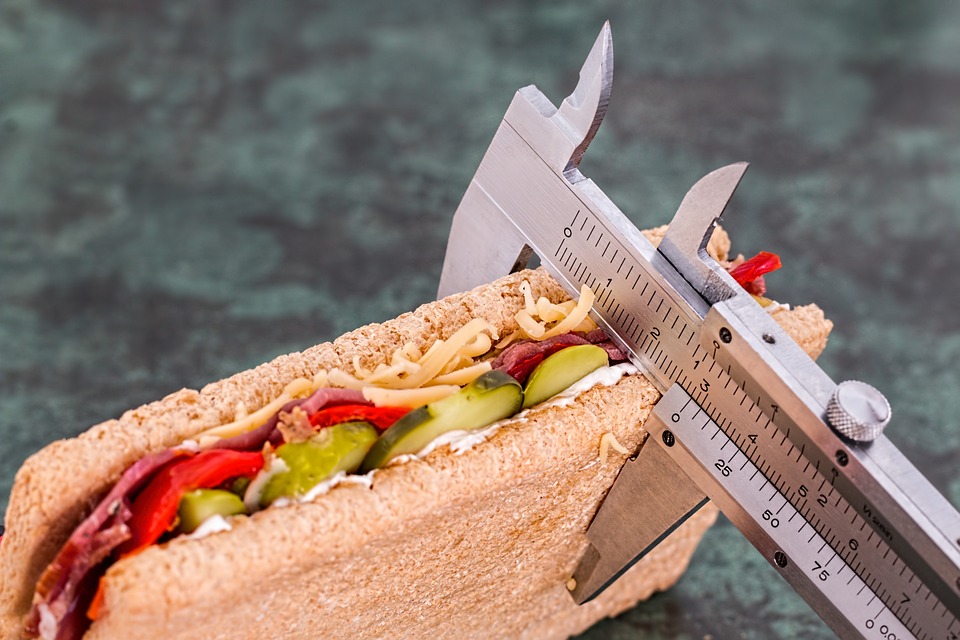
A dietitian or nutritionist can help you by providing nutritional information, meal planning and eating habits that can help you make the most of your workout without making yourself sick.  Picture yourself doing Cross Fit after eating at a Chinese buffet.  Not the greatest idea, right?  Sometimes, we all need a bit of guidance to do things properly. Fitness trainers, especially if they’re certified, can help you find fitness routines that fit your lifestyle, body type and can accommodate medical conditions that could hinder you or put you at risk.

Lastly, you need to hydrate.  This is true whether you work out or not.  The human body needs water.  If you do a heavy workout in the summer heat, you need to be mindful of hyponatremia,which is a condition where you sweat out all your mineral salts.  It can cause headaches, nausea and loss of balance.  I’ve had it a couple of times, when I’ve gone cycling in the hotter weather. In those instances, you need electrolytes and mineral salts and you can drink water until you die, it won’t make a great deal of difference.  Wow, don’t I sound like the harbinger of death…  Bottom line is, stay hydrated.

The take away lesson here, despite how long-winded and wordy I tend to get, is that if you start a new workout routine, be prepared to alter your diet to accommodate.  Maybe there are vitamins and minerals you simply aren’t getting enough of.  Maybe you need to ACTUALLY eat three balanced meals a day.  Be prepared to adjust, and remember that any fitness or dietary changes you make may be slow in showing results.  Proper health and fitness is a marathon, not a race! ☯

Here Comes The Heat! 🔥

Sunshine can be wonderful… Some warmth, Vitamin D is produced, flowers and plants begin to bloom… There can be a lot of benefits to there warmer season approaching. There can also be some pitfalls, and one needs to be aware of the requirements to enjoying the sunny outdoors without getting burned! I’m no fan of extreme heat, but even I can enjoy a sunny afternoon, albeit in the shade. In recent days, the temperatures in Regina, Saskatchewan have reached the mid to high 20’s, even reaching the high 30’s on the Celsius scale. It’s made for some dangerously high temperatures leading to several heat warnings for my area.

With those high temperatures, there are a number of things you should bear in mind before venturing out into the heat. Especially if you’ll be working out or exercising. And ESPECIALLY if you have Diabetes. Different people will have different reactions. In my case, being out in the extreme heat for too long tends to make my blood sugars drop. A doctor once told me its because my body is working harder to lower my core temp and as a result, my system works harder. Maybe so, but I remain skeptical. I’ve been in high temperatures on enough occasions where nothing’s happened to my blood sugars to convince that may not be the case.

But dehydration can be a very real thing, and it can sneak up on you if you aren’t careful. This can be the case whether you have Diabetes or not. Keeping a water bottle and consistently sipping water throughout the day can help to prevent dehydration and will help to regulate your body’s core temperature during your time outdoors. It can also help prevent nasty conditions, such as heat stroke.

Make sure you wear a hat, loose-fitting clothing that allow the expulsion and venting of heat and apply healthy doses of sunscreen to prevent sunburning. The sun emits ultraviolet rays, which can cause damage to living tissue after prolonged exposure, as well as being linked to skin cancer and a whole bunch of other nasty conditions. thesis the same celestial body that’s responsible for all life of Earth. Ironic, isn’t it? The same thing that’s responsible for our survival can also be deadly, after too much exposure. Such is the balance of life.

This is where sunblock comes in. Sunblock is defined as a gel or topical ointment that helps by reflecting UV rays away from the flesh, which prevents sunburns. You should always apply a sunscreen with an SPF of 15 or higher, before stepping out into the sun. In Canada, I’ve never seen anything lower than 15 and nothing higher than 50. When I visited Okinawa, they actually had some SPF 110 and they apologized for not having anything stronger as we were there in october and it was “off season.” Wow. 110, and they had nothing stronger.

I’ve read some articles that have explained that anything more than SPF 30 to 45 doesn’t offer any ADDED protection and should be reapplied just as often. And to clarify, SPF stand for Sun Protection Factor and is a multiplier to how long you can be in the sun’s light. So, if you step outside and you’d get a sunburn in 10 minutes, and SPF 15 allows you to be out in the sunlight for 150 minutes before needing to reapply. This is theoretical and like all things in life, is dependent on the person in question. If I were to burn in 10 minutes and apply and SPF 110, I find it hard to believe that I could spend 18 hours in the sun before needing to reapply.

Men’s Health has a pretty decent article about how much sunblock you should be applying. The takeaway is to ensure that you apply liberal amounts and be sure to cover all the areas of exposed flesh. Most people tend to dab some on, here and there. You want to make certain you spread your sunblock on evenly and properly. And if you use a spray sunblock, make sure you spray uniformly and evenly, to ensure you prevent UV damage to any areas of your skin. As per my usual preaching, drink plenty of fluids and test your blood sugars often. It can mean the difference between maintaining proper health during the summer months or succumbing to the hotter weather. ☯

There’s No Alternative To Zen

Modern life can be pretty hectic, and the requirements of daily life can get in the way of some of the things we do for our own benefit and well-being. Mostly, I’m referring to my study of Zen Buddhism and meditation. I have to admit that the past three years have derailed a lot of the self-discipline and routines I had in place for myself. once of the biggest gaps I have is the ability to sit in relative peace and quite and meditate, uninterrupted. Think about it… When was the last time you’ve found yourself able to find some total silence?

Even as I write this, I can hear vehicle traffic, engines revving and the sound of my own house’s air conditioning unit droning away. Silence? Yeah, right… I’m sitting in relative peace in my garage to write, but silence still eludes me. And finding time to meditate can be difficult, if you live a modern life. There’s work obligations, familial obligations and overall life obligations. It can make it difficult to find one’s inner Zen. And if you’re not careful, you can find yourself trying to find an alternative to the bliss of Zen.

Meditation can provide countless benefits to the body and mind. Not only is it relaxing but it can improve concentration, blood pressure and heart rate. It can aid in the healing of injuries, mitigate pain and provide benefits for a proper sleep cycle. So why WOULDN’T you meditate? Haven’t you been paying attention as you read??? BECAUSE LIFE GETS IN THE FREAKING WAY!!! When you get used to meditation, the lack of it can leave a pretty noticeable hole in your existence, and people will often try to substitute.

I have to admit that I’ve been guilty of this, myself. Indulging in a smooth cigar, having a couple of strong drinks or some other calming vice can often seem like a good idea. But the bad usually outweighs the good. And regret always sets in. And if you guys know anything about me, it’s that I don’t believe in regret. So, what’s a person to do?

The ideal solution would be to find an hour that you can allot for yourself. this can either be first thing in the morning before the family wakes up and your daily routine starts up, or lastly before bed. This also has the added benefit of sending you off to slumber with a relaxed body and mind, which can promote a better night’s sleep. The bottom line is, this is one of those situations where “there’s a will, there’s a way.”

There’s no alternative to Zen. So even when life gets in the way, it’s incumbent on you to find the time to make it a priority. There’s always an opportunity to make it happen. Meditation has been a staple of my life for over twenty years. When life gets harsh and difficult, it’s been one of the best coping methods imaginable. So maybe I need to put down the cigar and step back into meditative bliss. Food for thought… ☯

Turning Things Around

Yesterday’s post was pretty morose and depressing. I’ll be the first one to admit it. So I thought I would turn things around a bit and write about something a little more positive. My wife’s birthday is coming up in a few days, and I was trying to decide on something nice that I could get her. Given the current state of the world, going out for a night on the town is still out, although we’re getting closer to being able to do so. I found myself looking at alternatives and trying to think about things she may have mentioned she’d enjoy having.

I came up with an idea that would unfortunately require that I tell her what her gifts would be. This is mostly because I would need her input to ensure I got something she would specifically want. My first thought was to get a fire pit for the back yard. We’ve been talking about having one for a while and we avoided getting one because we believed we would likely be selling the house and moving in recent years. Since that’s no longer the case, we agreed to get one. Although I wanted to get one that connects to one of my propane tanks for ease of lighting and use, the small wood-burning pit is still wonderful and serves its purpose well.

It only took a few minutes to bolt the whole thing together, and we had the chance to blaze it up last Sunday when we had a friend of mine stop by for a coulee of cold ones. The photo above is of the shitty fire Nathan and I lit yesterday so I could snap a photo. I was out of wood and all I had were small brambles. It was pretty much out within ten minutes. But Sunday’s fire was mint, and lasted for the better part of an hour.

During my teen years, I spent countless evenings on local beaches with a fire burning, a few of us with some acoustic guitars and snack, crooning to easy music and simply enjoying the peaceful bliss of relaxing by a fire. There’s something soothing about the crackling flames and the warmth it projects while you connect and chat with good friends. I predict we’ll be making great use of this bad boy throughout the summer.

You may have noticed that I said “gifts.” My second thought was to get her a chaise lounger for the backyard. This could mean that on afternoons when she isn’t working, she can sprawl on the deck on her lounger, read a good book and even light a fire. If she chose to do so. But since it’s for her comfort, we’ve been shopping around to try and find something she’ll really enjoy. Sometimes, looking for what you want can be half the experience. ☯

Tilting Your Head Down To Cry…

I’ve written posts where I’ve referred to Type-1 Diabetes like riding a deadly roller coaster… The only difference is there’s no way to stop of get off of this ride. Some days, it feels amazingly overwhelming. The issues, complications and amount of control and attention that needs to be paid on a daily basis… It can get to be too much for some people. And despite my drive and determination, it can get to me, too.

Never much of one to feel sorry for himself, I’ve always fought hard against my unseen enemy. The harsh reality is that there are so many complications to Diabetes that I often lose track and wonder what’s wrong with me, forgetting that it’s all a part of the condition that I’ve had to train to love with, since birth. Yes, I know this post is likely coming off as depressing. And I’ll be the first to admit that it likely is. So recognize this fact: what I’m describing, depressing as it may be, is what every Type-1 Diabetic lives with on a daily basis.

Now that I’ve sufficiently harshed everyone’s buzz, I’ll provide an example. Last Monday, I travelled to Saskatoon for my eye injections, which happen every seven weeks. I was unable to secure a bus ticket, so I had to book a hotel room and stay the night since my oldest son goes to school and my wife has to work. Typically not a big deal, it still requires me to be away from my family for the night. I usually treat the evening like something of a mini vacay, indulging in a couple of pints at the pub in the hotel’s lobby while I binge-watch some Netflix on my cell phone.

On this particular trip, my blood sugars were reasonably normal and everything was going according to plan. I got my eye exam, followed by dilating drops, followed by surface scans of the back of my eyes. Then I was attended to by the eye surgeon who provided the injections into my eyes. Yes, it stings. And yes, it sucks. Even with the localized freezing, you still feel the needle pierce your eyeball and a hot pain flare through your skull. Good luck getting that image out of your head, tonight. Anyway, once the injections were done, I staggered back to the hotel room, where I planned to nap for an hour or two to allow the immediate pain to dissipate.

I checked my pump and noticed that my blood sugar was running slightly high, having crept above 11.0 mmol/L. No big deal, I corrected with a bolus and slipped onto the bed for my nap. I set an alarm and drifted off to sleep. I woke up just shy of 6 pm and felt like I had been struck by a freight train. I knew right away, by my urgent need to urinate when I had drank nothing in hours, that my blood sugars were still high. I checked my pump and found myself above 15.0 mmol/L. What the fuck??? I once again corrected with a bolus and slipped into a shower to clean off the high blood sugar sweats before heading to the pub for supper.

My head was throbbing and I felt groggy, but I needed to eat, so I headed downstairs to my favourite irish pub and ordered a pint and a sampler platter, which contained some mozzarella sticks, deep-fried pickles and three chicken strips. Yes, please! Now, calculating a bolus for beer has become a fine art for me. I’ve got it down pat and can usually accommodate beer with insulin in a pretty balance way. And the irony is that the platter contained items that on their own, would be essentially carb-free. If they weren’t wrapped in batter. Bar food. Fuck me…

I bolused as best I could for the platter, knowing full well that the bar staff wouldn’t have nutritional information for their menu items (although they should) and that in the past, they’ve looked at me like some kind of an alien for asking. So I ate slowly and sipped slowly, hoping to let the insulin take effect faster than the carbs would. I think that I watched some American Dad of all things, and got back to my hotel room shortly before 9:30 pm. I had to attend some video meetings for my job, in the morning before checking out, so I didn’t want to stay up too late. But as I’ve often said, life doesn’t care about your plan.

The platter of battered foods was apparently the tipping point, as my blood sugars were still in the high teens when I attempted to go to bed. I bolused and the pump actually provided some units, which told me that my blood was actually running high and not just a byproduct of having just eaten. My alarm was set for an appropriate time the following morning, so I sipped some Gatorade (sugar-free, of course) and laid my head on the pillow and unceremoniously passed out.

I woke up at about 11 pm to use the washroom. I cursed myself for the beer and for the Gatorade, which I assumed was why I had awoken. After using the washroom, I checked my insulin pump. 22.4 mmol/L. What. The. Bloody. HELL??? I checked my levels via fingerprick to make certain it wasn’t some sort of misread on the sensor’s behalf. Blood sugar level was confirmed to be in the low 20’s. I bolused once again, piling more units into my system. I could bore you with further details, but the bottom line is I woke up just about every hour after that. You read that right: every FREAKING hour!!!

It took the majority of night and constant fluids and bolusing to bring it down to the mid teens and I started to almost feel human again, just in time to attend my meetings. I know what you may be thinking. There are a number of things that could have caused a spike in blood sugar. But I take it as no coincidence that my blood sugars had been fine over the previous 24 hours, only to have them go haywire after getting eye injections and eating battered food. Ultimately, my only crime may have been just that: indulging in a drink with some bar food. My punishment is going through an almost sleepless night. Such is the reality of Diabetes.

I know a number of my Diabetic brothers and sisters who eventually just close up shop and give up. When you face the prospect of such nights on a regular basis, it can overwhelm a person. And it sucks. I’m lucky with respect to the fact that I work hard to maintain proper control. Not everyone has the benefit of an insulin pump. I have a friend back home, whose father succumbed to Diabetes. He had no augury of control whatsoever, had blood sugars off the charts, ended up having his feet amputated and died about six or seven years ago. It can sneak up on you pretty quick, if you’re not careful. ☯

Diabetes And The Workplace

Diabetes sucks! There, I said it. Want to know what sucks even more? Having some sort of “Diabetic episode” with no one knowing what the hell is going on, then doing more harm than good. This is the potential scenario someone with Type-1 Diabetes can face in the workplace if they choose to keep their condition to themselves. This is a sensitive topic; most people aren’t jazzed about the idea of revealing medical information about themselves to anybody. Least of all co-workers and employers, where it could be potentially held against them or used against them.

Think it doesn’t happen? Think again! According to an article posted by The National Benefits Authority, “The Canadian Government recognizes both type-1 and Type-2 Diabetes as disabilities, due to its impact on lifestyle, the constant monitoring of blood sugar levels, and the potential risks associated with the condition.” At least in Canada, Diabetes CAN be considered a disability but it isn’t always SO. In most cases, the affected individual has to declare and claim in order to reap some of the tax benefits and some of the other “perks” associated with declaring your condition as a disability.

Screw that noise! I don’t consider my condition as a disability. If anything, my Diabetes has helped forge me into the individual I am today. But when it comes to the work place, I’ve always been a firm believer in the concept that forewarned is forearmed. I’ve had some instances in my life where I’ve suffered low blood sugar so severe that I lost fine motor skill and couldn’t really speak. This can be disconcerting to someone who may not be aware that you have Diabetes.

Even if you wear a MedicAlert bracelet, an unknowing co-worker trying to be helpful and lend aid during a tough situation could potentially make things worse. Some medical professionals as well as paramedics and EMT’s abide by the policy of administering fast-acting glucose. If the blood sugars are too low, the glucose will help correct it. If the blood sugars are too high, the damage is already done by the existing high and they can’t treat on site anyway. So it gets dealt with at the hospital. This is small comfort to someone who may have climbed to 20.0 mmol/L or higher, only to be dragged up into the 30’s by someone’s fast-acting glucose. No, thank you!

Although most people feel inclined to keep their medical conditions private, my practice has always been full disclosure. This helps to avoid complicated situations and helps to ensure that anyone on scene won’t do something stupid, like trying to feed orange juice to someone who’s only semi-conscious. Believe it or not, I’ve seen that happen. By providing some cursory information and education, I can ensure that my coworkers know exactly what to do in the event of a “Diabetic episode” on the job.

The simple truth is this: unless any of your coworkers are trained, medical professionals, there’s very little they can actually do to help. Besides calling 911 on your behalf, of course. But my instructions have always been quite simple: If I’m conscious and speaking, I’ll tell you what I need. If I’m unconscious, don’t try to feed me anything or administer anything. Just call an ambulance and let them take care of me. Maybe have my glucometer ready for testing, in the event they don’t have one. If I’m conscious, speaking and can move on my own, maybe help guide me to where I need to go but let me administer my own self-care. Simple.

That little bit of education can mean the difference between avoiding an unnecessary hospital trip and being able to treat myself and get back to work. It doesn’t mean that I need to divulge my entire medical history and all the gross details. But that little bit of voluntary disclosure can be extremely helpful and save your life. In a previous life, I avoided wearing a MedicAlert bracelet as it could snag and pose a hazard on the job. Maybe now that I no longer face that obstacle, I could start wearing one on the reg. That would definitely be a step in the right direction.

Privacy and labour laws in Canada prohibit an employer from asking about such things and can also prohibit discrimination based on such aspects of a person’s respective condition. But when it comes to your health and well-being, a little disclosure can go a long way. Some food for thought when you’re thinking of keeping the fact you have Diabetes to yourself. ☯

Clean Yourself Up…

Cleanliness is important, especially as it relates to physical fitness. This means cleaning yourself, as well as cleaning the equipment you use. When you work out, you sweat. That’s no big secret. So, what happens if you don’t clean up properly? Believe it or not, it can be quite important to your overall health. It sure as hell affects the people around you, when you don’t.

Sweat is your body’s main function to control overall body temperature. You get too hot from working out, you sweat. Pretty simple, right? There are a few problems with that. Your body has pores, and that’s usually where your sweat comes from. Over the course of the day, your pores fill up with dirt, dust and bacteria. Part of your body’s sweating function is to eliminate all of that. You know, along with the elimination of a bunch of other nasty stuff. But it’s the bacterial content that usually makes sweat smell bad.

There’s nothing worse than an unwashed body. I know a lot of guys who go to the gym, then sit in their own sweat for the remainder of the day. The thing is, sweat is composed of ammonia, salts and urea. In case you’re not familiar with that last one, it’s one of the main components of piss. That’s right… Sweating is basically pissing out of every pore in your body. If that doesn’t gross you out enough, think about laying on a piece of gym equipment that hasn’t been wiped down!

If you don’t shower or clean yourself up, your pores will tend to clog as the sweat dries. Not only does that lead to some pretty nasty “B.O.” but it can also lead to rashes, infections and illness. Even if you don’t work out regularly, you can potentially face these issues if you DON’T wash your body on a regular basis. When you don’t bathe regularly, it can lead to a build up of dirt, sweat and bacteria. That’s where you’ll start to notice increased acne and sores, rashes and skin issues.

This might seem like a pretty obvious post, and I don’t think I’m sharing any new information. But I’ve trained in enough gyms and dojos to know that a lot of people don’t take personal hygiene to heart. And the big clue is when someone has an extreme level of funk BEFORE working out. And there are those, and those are they, who make the gym all the more difficult for others. Don’t take wiping down gym equipment for granted. Not only for yourself, but for other users. Launder your damn karate gi or gym gear and for the love of all the light, shower or bathe daily! Ax Body Spray is not a substitute for soap! ☯

Pitfall! Not Just An Old School Video Game…

I’m probably dating myself a bit, with the above title. Pitfall! was an excellent, 8-bit video game that was released in the early 80’s and that my father used to let me play on his Commodore 64. Yes, you read that right! A Commodore 64! If you have no idea what that is, Google it and prepare to be awed at the current state of technology, when compared to what we had available three decades ago. Games that gave you a finite number of lives and if you died, you started ALL the way at the beginning. None of this “save point” bullshit! But I digress…

Enough reminiscing about how I used to spend my weekends as a child. The pitfalls I’m referring to in the title relate to the use of an insulin pump. Just to be clear, I LOVE my insulin pump. Besides the fact that it makes insulin delivery a breeze at mealtimes, my current pump maintains pretty tight control of my blood sugars when properly used in conjunction with a CGM or Continuous Glucose Monitoring system. But innovations and technology are only as good as the user allows them to be. And user error is always a possibility.

In six months, I will have rounded the corner on seven years of insulin pump therapy. Being as obsessive as I am, I used to be in the habit of testing my blood via finger pokes almost a dozen times a day; something not everyone can afford to do, for various reasons. The use of an insulin pump with CGM has allowed me to have some freedom from the glucometer, at least as it relates to how often I used to test. A couple of months ago, I managed to achieve the best A1C reading that I’ve had in decades, a direct result of tighter control through the micro-bolusing provided through the SmartGuard technology and CGM.

As good and wonderful as all of it has been, and as often as I like to quip that I’ve become a cyborg (since I have both biological and mechanical/electronic parts sustaining me), there are definite pitfalls to the use of an insulin pump. Hence the title. I know that I tend to harp on Diabetes a fair bit. But it’s for good reason, since, well… Diabetes sucks! I often like to speculate about how life would have turned out for me, had I not been diagnosed with type-1 Diabetes. But the reality is that I have it, it’s here and I deal with it. And I think a big part of who I am has come from how I’ve had to fight against Diabetes. I remember reading a quote somewhere that said, “Diabetes is the leading cause of bravery, determination, resilience, maturity, empathy, strength and compassion.”

While it’s true that I’ve learned to be as strong as I am due in part to my condition, the pitfalls are quite measurable and user error can occur unintentionally. I recently wrote a post about how the pump had been waking me every couple of hours throughout the night. There’s nothing quite like being woken up because your levels are “too good” and the pump wants constant blood sugar readings to understand why nothing’s changing. But I worked with the pump manufacturer and managed to stem that issue. But now, I have a different problem keeping me up at night… My gut!

A few nights ago, my wife and I decided to get an early night’s sleep. This tends to happen at least once a week, where we crash very shortly after we put our kids to bed in an attempt to stem the increase of overall fatigue throughout the week. That night was just such an instance, and we ended up in bed prior to the 10 o’clock hour. At roughly 10:30, I was awoken by the sensation of my pump vibrating. It’s annoying as hell but I prefer to be woken by it, than having it escalate to the audible alarm that ends up waking my wife as well. I rolled over and took the pump out, thinking it was going to request a BG reading again.

Instead, the display told me that insulin flow was block and to consider changing my infusion set. I had barely been asleep for an hour and still had well over a hundred units in my reservoir, so there was no way in hell that I was changing out my set. I wiggled the cannula on my gut slightly, then start the arduous process of getting the pump back to functioning order. You see, if the pump thinks that insulin flow is blocked, it’ll do three things:

  1. Sets off a “blocked flow” alarm. This starts as a vibration, followed by an audible alarm that gets louder, the longer you ignore it. This is important, as non-delivery of insulin can lead to high blood sugars and a whole host of problems;
  2. Turns off Auto Mode. This is where I start to get pissed off. There should be some way for Auto Mode to continue working for the few minutes it takes me to correct the “blockage”; and
  3. Turns off SmartGuard. This is linked to Auto Mode and uses CGM sensor data at five-minute intervals in order to control overall blood sugar levels.

It doesn’t look/sound like a lot when you read the words, but getting all that shit started back up, takes between two to five minutes, which is more than enough time to wake me up to a state akin to poking a grizzly bear’s ass with a bar-wire wrapped baseball bat. So just imagine if that happens a few times, throughout the night? See my problem? A few nights ago, I was woken up this way at least three or four times. Bearing in mind that my blood sugar levels remained ideal, the insulin WAS being delivered. It took until the last time for me to realize that it was my gut, pressing against the cannula that was the issue.

It turned out that every time I turned over in my sleep, the pump would encounter resistance in delivery due to laying on my front. Teaching yourself not to move in your sleep is difficult, if not altogether impossible. The placement of the infusion set is critical, as well. I’ll admit that I have a bit of a “Buddha belly,” so the angle the cannula sits at, can mean the difference between a comfortable night’s sleep or having the pump lose its freakin’ mind every few hours.

As you can see, there are definitely pitfalls to the pump, despite the noticeable and measurable benefits that it provides. As smart as the machine is, it can’t recognize and adjust if I’m physically doing something that interferes with its proper function. On a separate note, it may be a helpful reminder that with the summer season I need to work on trimming my “Dad bod!” ☯

“Keto” – It Ain’t All Fad Diets And Workout Plans

Last April marked my entry into my 39th year as a Type-1 Diabetic. I’d love to sound like an old sage; able to say that I’ve seen it all and done it all. But the reality is that Diabetes continues to throw me for a loop and never ceases to surprise me. The latest instance was getting my first dose of the COVID-19 vaccine and having my blood sugars skyrocket into the low 20’s as a result. Yesterday’s post and YouTube video covers that experience, if you haven’t had a chance to check it out.

Anyway, I was talking about the “incident” with some colleagues and when I mentioned the increased blood sugars, I made a point of commenting that, “At least I didn’t get any symptoms of ketoacidosis…,” which prompted the all-too-often puzzled look, accompanied by the question, “What the fuck is ketoacidosis???” If you don’t have Diabetes and have no one in the family, some of the jargon can get a little confusing. When people here the term “Keto,” they automatically associate it with ketogenix or the Keto diet. Believe me when I say that those are entirely different things and have nothing to do with Diabetes.

I guess I should by defining this bad boy, and will do so using a quote I found from a page on MedlinePlus, as its online medical encyclopedia provides the most accurate definition. It states, “Diabetic ketoacidosis (DKA) is a life-threatening problem that affects people with Diabetes. It occurs when the body starts breaking down fat at a rate that is much too fast. The liver processes the fat into a fuel called ketones, which causes the blood to become acidic.” Nice, eh? Kinda makes you think a type-1 Diabetic will turn into one of those acid-blooded xenomorphs from Aliens. Given the foul mood that strikes when blood gets that high, that’s not too far off the mark…

The problem is not the breaking down of fat into ketones. Ketones can be a good thing and are useful to the body as a source of fuel when its been too long since you last ate. The problem starts when ketones are built up too quickly. This is where you get ketoacidosis, or DKA, as I will refer to it as from here on in. Otherwise, I’ll give myself carpal tunnel trying to type out the full term throughout the post. And we wouldn’t want that, would we? Alright, I’ll quit rambling and get on with the actual material.

When your blood sugars get too high, you don’t have enough insulin in the body to compensate, which is why the body starts to produce ketones too quickly. Heavy buildup of ketones in the blood stream cause your blood to become acidic. Okay, this sounds a little to similar to what was already defined in the previous paragraphs, so maybe I’ll move on to symptoms. For some, DKA can be an early warning sign that they may be developing Diabetes. Contrary to some sources, people with either Type-1 or Type-2 can get DKA.

Some of the more common symptoms will include nausea and vomiting, bodily aches and pains, weakness and fatigue, shortness of breath and confusion. Let’s not forget the two symptoms that lead to what I call the “Diabetic cycle.” First, you’ll have excessive thirst, which is a symptom of DKA. So you’ll consume more water, which is important when you reach the DKA stage anyway. You’ll have frequent urination, which is also a symptom of DKA as the body is trying to spill out the excess ketones. You’ll drink more because you’re thirsty, which will aggravate and increase the frequent urination. Then you’ll drink more water. Wash, rinse and repeat. A lot. It’s annoying.

For the most part, bolusing to adjust your high blood sugars and consuming plenty of fluids, especially electrolytes, is important as at-home methods of treating DKA. You should consult your doctor if an increase of blood sugar fails to bring your blood sugars down for an extended period of time. The Mayo Clinic recommends seeking emergency care if you’re consistently above 16.7 mmol/L and are experience any and/or all of the symptoms mentioned in the previous paragraph.

DKA is some scary shit. Coming from someone who’s experienced it, it can be a surreal feeling, doubled over in pain and puking, blood sugars refusing to come down and literally feeling like you must be dying. But there’s plenty you can do to prevent it. Regular exercise is a big help. I may have mentioned that exercise is good in some of my previous posts. Test your blood sugars frequently and educate yourself properly so that you can make adjustments to your insulin, should you need to. Last but not least, don’t ignore high blood sugar and act on it immediately, should you get a high reading.

Lastly, DKA is one of those Diabetic side effects that can actually kill you, if you ignore it. Take ownership of your health, train through your endocrinologist and insulin pump trainers (if you’re on the pump) and exercise like your life depends on it. because it often will. Taking those steps will go a long way towards preventing DKA so that you don’t have too experience it’s horrific effects. ☯