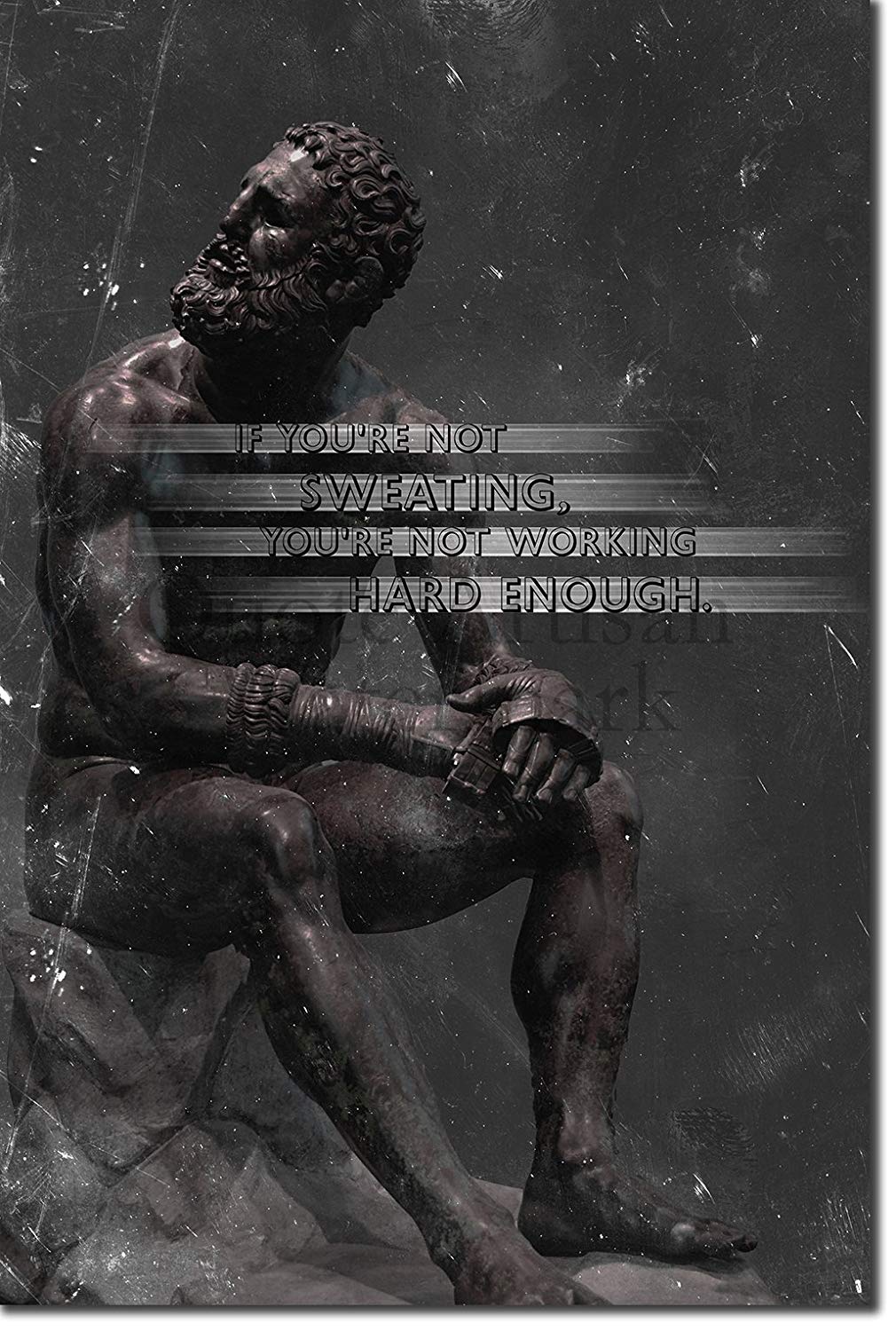
If Stress Built Muscles, I’d be Mr. Universe…

I’ve written about stress before, but it remains a predominant aspect of daily life for most people. In general, one could easily write about stress indefinitely, given the number of effects it has on the human body and life.

Stress isn’t inherently bad! Although we tend to view it in a negative way, stress is simply your body’s way of dealing with changes within one’s environment. How we adjust to these changes is what defines the response.

Picture this scenario, if you will…

You arrive at the office at 8 am on a Monday morning. You’ve had a reasonably restful weekend and you walk up to your desk in a relaxed manner. Nothing bothers you, no one is disturbing you and although you have some tasks on your desk awaiting completion, you’re not particularly rushed. Then it happens: your supervisor walks in. Within minutes, your supervisor discusses these tasks with you, imposes timelines and completion dates, and advises you of the additional tasks that will be assigned to you once you complete the current ones…

Sound familiar? If we follow the definition of stress in the literal sense, the supervisor is a the change in the environment that requires you to adjust and adapt, creating stress. But what would have happened if you’d been left to your own devices? I’m not trying to call anyone lazy, but one needs to admit that a person’s productivity tends to increase significantly when stressors are introduced.

When produced in small doses, stress can help you cope with daily life, meet goals and achieve deadlines. Believe it or not, if not for stress you likely wouldn’t be here. Since stress is part of your body’s early-warning system, it can often help produce the “fight or flight” reaction required for proper survival. This is something that, from an evolutionary standpoint, is pretty interesting.

But before I start going off on a tangent, let’s refocus on the stress aspect. Some studies have shown that small amounts of stress in the proper environments can actually help boost your immune system and help your body’s defences against infections and the like.

From a Diabetes standpoint, I can safely say that stress plays a major role in the proper control of one’s blood glucose levels. Since every person is different, the after effect will also differ. Stress tends to make my blood sugar spike; for someone else, it may drop.

I’m making a pretty good case in support of stress, but it can obviously be detrimental as well. Sustained stress over long periods of time can lead to many health complications, such as high blood pressure, anxiety and mental health issues.

There are certain signs that will allow you to recognize if your particular level of stress is too much for you. If you can’t seem to sleep properly, if your appetite, mood or weight begins to fluctuate and your immune system seems pooched to the point where you catch every little bug that floats by, it may be time to address the issue.

The mood aspect will have several different colourful sides as well. If you start being angry or irritated (more so than usual) in such a way that interferes with your daily life, there may be a problem.

Although stress is a part of life and there is no eliminating it, it’s important to recognize your limits and deal with stress in a healthy manner. Here’s where I get to suggest my usual dose of exercise, sleep and meditation. Those are a big help, but don’t be afraid to speak to a medical practitioner if you suddenly feel as though it may be getting out of your control. ☯
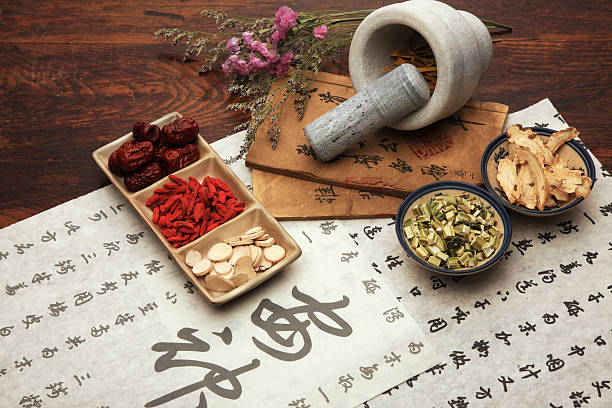
In With The New, But Don’t Forget The Old…

There’s been an ongoing debate for the past decades regarding what type of medicine is the best. Although some people are a bit more inclined towards the traditional forms of medicine, modern medicine has been the primary form of treatment for the past 3 to 4 centuries.

Let’s start by differentiating the two. When I refer to “traditional medicine”, I mean practices such as acupuncture, acupressure, herbology and homeopathy. Most forms of traditional medicine have been around for at least 2,200 years or longer. Some of the earliest writings, which happen to be from China, are thought to be from as far back as the 3rd century BC. These practices are often referred to as “alternative” medicine.

Modern medicine, or what’s often referred to as western medicine, started to emerge in the 19th century. The industrial revolution helped to spearhead a number of discoveries and inventions that led to the progression and advancement of how ailments were treated. The medical industry’s understanding of viruses and bacteria increased. One of the most important discoveries in my opinion, is the creation of insulin by Sir Frederick Banting (a Canadian, of course!) and Charles Best in 1921.

So, which is better? That part is what’s up for debate.

Some of the benefits of traditional medicine include, but are not limited to the safety behind some of the treatments, minimal side effects and improved quality of sleep and effect on the body. It can be viewed as more trustworthy, since it’s been around and practiced for so very long.

Some of the disadvantages of traditional medicine is the lack of dosage control for some herbs and lack of treatment for serious conditions such as traumatic injuries and serious diseases. One of the most common problems is also the fact that some herbs and natural remedies will interact negatively with modern medications.

Modern medicine has a number of very important advantages as well. For one thing, most branches of modern medicine require its practitioners to be properly educated and licensed to practice. The same can’t necessarily be said of all branches of traditional medicine. Dosage control and advancements are certainly more prominent in modern medicine.

The biggest disadvantage to modern medicine in my opinion, is the cost. If you don’t have medical insurance or coverage through your work, some of the better and more prominent medicines may not be available to you. And that’s taking into consideration that I’m Canadian and we have free public health care. I can only imagine the issue in countries that requires fully paid medical services. Improper diagnoses and mistakes in dosage delivery can lead to patient death or serious medical complications.

I think that something most firm advocates of traditional medicine tend to forget is that medications have evolved, and are based on herbs and traditional treatments. Medicine requires advancement. Imagine if we were still blood-letting or doing lobotomies? Go ahead and Google “Barbaric medical treatments”. Go ahead, I’ll wait… Some of that is pretty frightening.

If it weren’t for modern medicine, I’d be dead right now. No question, no debate. Without insulin, I wouldn’t have survived as long as I have. Does that mean traditional medicine is the loser of the debate? Not necessarily. I think there is a place in the world for both traditional and modern medicine. Both have pros and cons, and both have their benefit. Some of it may be a matter of preference. No matter what you choose, just be certain to do your research and consult your medical practitioner before starting any medical treatment. ☯

Did That Hurt? Well, It Was Supposed To…

I normally try and keep my inner zen and impart information objectively. My goal is generally to impart some wisdom through my stories and experiences, and perhaps teach a little something in the process.

But today, I’m going to hop up on my soap box for a little while and discuss an issue that weighs heavily on my soul. It began in the same way as it often does…

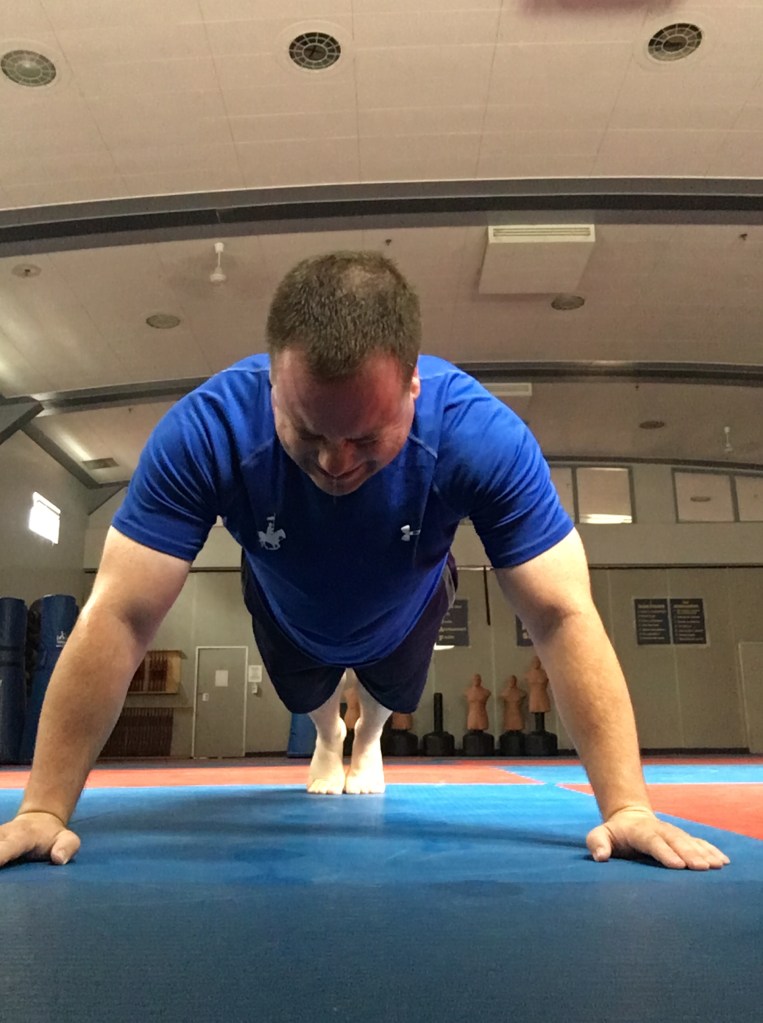
I walk into the dojo. The floor is cold and the hall is empty. The head instructor is setting up the required items for the evening’s class, and I stretch experimentally. I begin slowly; throwing a straight punch at a heavy bag. Then another, and another… Within moments, I start punching faster than I can keep track and am acting upon 30 years of instinct and training. I throw in the occasional kick for good measure, even though I’ve never been a fan of allowing my feet to leave the ground. I step away from the punching bag, allowing my breathing to steady. I fall into several forms followed by a number of knuckle push-ups. I stop and catch my breath, aware that several of the arriving students are watching me. I’m sweating profusely and have already done more on my own in the 15 minutes prior to the start of class than the entire student body…

It’s a sad story. One that has become more prominent in recent years. A lot of fitness and martial arts clubs have become a primarily social gathering, as opposed to a forum for proper training and development.

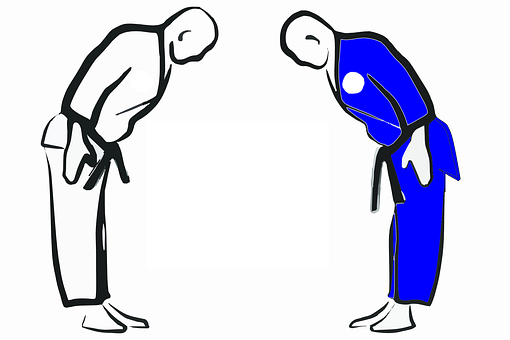
30 years ago when I started the martial arts, class started promptly at 6 pm and ended only at 8 pm. There were no washroom breaks, no water permitted within the dojo and the energy in the room was electric. Once you were inside, you weren’t permitted to leave the dojo until Sensei dismissed you, barring a medical emergency. Every student present knew their position. Everyone bowed; everyone kept going until the end. No one gave up. No one took it easy.

I feel that some of the genuine strength of the martial arts has become watered down. Let’s be realistic: all those awesome martial arts movies and kung fu flicks you likely watched as a kid (and perhaps still do) are based on real life martial artist who have spent their entire lives training and developing themselves. If not for the hard work of others, those awesome movies wouldn’t exist.

One good example is Bruce Lee. Even though he was an action movie star, he was also a traditional artist artist. Having trained from a young age, he developed himself and built himself to the point where he was able to surpass his teachings and even develop his own martial arts perspective in Jeet Kune Do. He was so skilled that the camera often had to be slowed in order be able to see the actual strike on film…

I use Bruce Lee as an example because he is well known inside and outside of martial arts circles. The likes of him hasn’t been seen since. But his example, as well as some others, set a precedence that effectively set the tone for my martial arts training from a young age well into my current state of being.

I’m a 40-year old man. By no means am I “old”, but I’m certainly not the spry, 21-year old green belt I was in 1999. But yet, I manage to work up more of sweat and burn more calories in 15 minutes than most of the teenage students in my current school will burn throughout the entire class. It may sound like a bit of a conceit, but it’s accurate. The change in the tide almost makes me feel as though traditional martial arts may disappear within the next generation.

It’s important to put in a maximum effort in any training you perform. It will sometimes be painful and it will be exhausting. But this is how you grow and progress. If you give it a minimum effort and basically “half ass” your workout, you may as well stay home. This applies to anything, whether you are training in the martial arts, learning a new sport of learning a new skill such as an instrument.

They say that showing up is the first step. I’ve heard this on occasion. And although I can agree that showing up is the first step, it is also the easiest. The next step becomes more difficult, as it requires the learner to put in a comparable effort for the skill they wish to learn.

So push yourself, damn it! If you don’t sweat, if you don’t feel aches and pains, if you don’t wake up the next morning barely able to walk, you’re not giving yourself the effort. And trust me, you are well worth the effort! ☯

If You “Whey” Out The Options…

Listen, I’m all for a bit of an advantage when trying to get in shape. There are all sorts of supplements and additives that athletes take that give them an “edge”. But how many of them are genuinely effective?

One of the most prominent and important supplements is whey protein. As a matter of import, protein is necessary for the building of muscle tissue, cartilage, bones and skin. It helps to build and support all these things, and also helps to increase strength and mass. Needless to say, most adults require a reasonable amount of protein in their diet.

According to WebMD, most adults get enough protein throughout the day. For a health adult, that means anywhere between 46 to 56 grams of protein, every day. But the question becomes whether or not they are getting the right type of protein.

Besides fibre, most natural sources of protein will help you to feel full for longer and can aid in weight loss. Decent sources of protein, such as fish, chicken and eggs are ideal. Depending on who you speak to, red meat shouldn’t be a constant indulgence, but lean cuts of meat can be a good source of protein.

Although the jury is still out, whey protein will apparently help will developing strength and increasing your athletic performance. Believe it or not, some studies have also shown that whey protein in the correct amount can help in lowering blood sugar levels, although I can’t attest to having experienced that myself.

There are tons of different brands of whey protein on the market, and they can be even be found at most chain retail locations. As always, you should consult your medical practitioner before starting any supplement, and they can recommend a brand and type that best fits what your nutritional and fitness needs may be.

It’s often said that we get enough protein with a healthy food-based diet. And if you eat three well-rounded meals during the course of your day, this may be the case. But for folks trying to build muscle mass or add a bit of an edge to your daily routine, whey protein may be the route for you. ☯

As The Old Saying Goes: It’s Not The Size Of The Hammer, It’s The Nail You’re Throwing It At!!!

When people work out, they tend to go for two major accomplishments: weight loss or mass development. That first one makes sense, to a point. But the second generally applies to the noticeable and well-known muscle groups, such as biceps, triceps, pectoral muscles, deltoids and quadriceps, to name a few.

But a big part of maintaining proper fitness and overall physical health is working the smaller muscle groups that help with your body’s support system and stability. Although these muscle groups aren’t directly used during weight lifting or intense physical activity, they do help to keep your body steady and stable during those particular activities.

As age has started its slow disassembly of my very soul (a bit dramatic, but bear with me!), I’ve started to notice certain pains in my body that don’t seem to go away. I’m a big fan of chiropractic medicine and massage therapy, but what do you do when those forms of treatment no longer help with the little aches and pains? Well, the little things can grow into something bigger over time!

According to an article published by Men’s Health, there are a number of muscle groups you should be focusing your attention on, in order to avoid some long term issues. And here they are:

Your rotator cuffs: This muscle group is responsible for the mobility of your shoulder joint and helps with mobility and movements that involve raising your arm over your head. The article indicates that most athletes unfortunately don’t train to repair this muscle group until it becomes injured.

Erector Spinae: Before y’all start making jokes about the name, this muscle group is built around the lower and mid back. Even though most weight lifters focus on building the upper back, this muscle group is very much responsible for support and posture.

Gluteus Minimus and Medius: Hey, I’m all for building that booty! But it ain’t all gluteus maximus! They’re the muscle groups responsible for pelvic support and stabilization while you’re busy building booty gains. Did I say it enough? Booty! There! Moving on…

Tibialis Anterior: This muscle is responsible for walking, running and sprinting. I remember getting shin splints during my basic training and cursing the fact that I had never taken the time to build these bad boys up.

Obliques: Listen, I’ve written about the issues surrounding the development of a six-pack in a previous post. I’m all about the strong hara, so I don’t focus much beyond a strong core as opposed to a sculpted middle. That being said, this is a muscle group often neglected, even by those looking to pose for an ab sculpt infomercial. They typically cross the rib cage and work towards keeping you upright.

Hamstrings: This muscle group is important as an opposing, balancing group to your quadricep. Underdevelopment of the hamstrings can result in an imbalance that can lead to knee injury.

Forearm Extensors: This muscle group is used for gripping. As in, every time you pick up dumbbells. So if these muscles groups are ignored, it sort of makes it hard to work on free weights.

For a list of possible exercises to develop all the muscle groups I’ve mentioned, you can read the Men’s Journal artilcle at https://www.mensjournal.com/health-fitness/7-muscles-everyone-ignores/

Just remember that while you’re busy sculpting your arms to get all “Arnold-esque”, be sure to pay some attention to those smaller muscle groups who are the underdogs of your body’s posture and stability. ☯

Testosterone, It’s Not Just For Action Heroes…

I’m sure most of you have heard of testosterone. It’s a hormone secreted within the body that many people attribute in derogatory ways.

“Wow, that guy has WAY too much testosterone…”

But how important is it? Although most people assume it’s a male hormone, it’s actually produced by both genders. It’s simply produced in larger amounts in men. It affects their appearance, helps build muscle and bone as well as sexual development and drive. Kind of important overall, right?

A man’s testosterone levels start being affected and drop after the age of 30. Doesn’t seem like a very advanced age, but that’s when it STARTS to decline. And problematically, low testosterone can cause a host of health issues within men.

Erectile Dysfunction! There, now that I’ve thrown the words out, we can discuss them openly. True enough, there’s always been a bit of a stigma with men discussing this issue, but it’s one of the top problems caused by lower levels of testosterone. Once your testosterone levels drop, it can cause a decrease in sex drive.

According to an article written in “Medical News Today”, roughly 1 in every 50 men are diagnosed with low testosterone levels. Besides the condition named above, this can cause hair loss, reduced bone density and muscle mass, difficulty sleeping, low energy levels, changes in mood and potential weight gain.

If it becomes a noticeable problem, you should obviously discuss it with your family practitioner. That being said, you shouldn’t assume it’s low testosterone levels WITHOUT a doctor’s diagnosis. The problem these days is that many doctors are, for some reason, reluctant to test for testosterone level deficiencies.

But if you suspect it and can get a diagnosis, there are ways to treat it. There are a number of dietary changes that can hep middle boost testosterone levels and help alleviate symptoms. A lot of them involve eating nutrient-rich foods.

If this doesn’t help, doctors can prescribe testosterone replacement therapy, which can be administered in a number of different ways. You can start seeing a difference within weeks of starting said therapies.

An important factor to keep in mind is that a man’s levels will lower slightly with time and age, and this isn’t what poses the issue. There has to be a significant drop for the symptoms to kick in. A normal drop won’t cause the aforementioned issues.

Some drops in levels will be caused by pre-existing conditions, and some of the symptoms will exist without an actual drop in levels. A little bit confusing? I would say so, but the takeaway is that communicating and discussing with medical professionals becomes important. And if you happen to hit a physician who shies aways from wanting to test for it, don’t hesitate to get a second opinion. ☯

Music Makes The World Go Round…

For those who study it, meditation is an integral part of everyday life. It can have a number of measurable benefits and help people with daily living as well as facing issues that arise in their day to day life.

Meditation, like most things, comes in a variety of types, methods, etc… But one of the most overlooked methods of meditation is music. Yes, you read that right: music!

Music has the ability to provoke a meditative state in most people, even those who have never studied meditation. Whether you listen to it, play it or sing, the end result is the same. Think about it; you listen to a peppy, upbeat song and it makes you happy or cheers you up, right? You listen to a soft ballad and it evokes memories or emotional attachment.

Music on its own can help to reduce blood pressure and has been shown to increase the release of dopamine and aid with muscle function. Listening to music during physical activity can help to motivate you and push your body farther during a workout.

Music therapy has been shown to help patients suffering symptoms of dementia and helps to reduce depression. (https://www.psychologytoday.com/us/blog/evidence-based-living/201708/music-is-good-the-soul-and-your-health)

I often use classical or asian meditation music in the background when practicing actual meditation. Any time I have a workout, whether cycling or weights at home, I put on some high energy music to help motivate me along.

So, crank up the tunes. The benefits are many and the drawbacks are few. ☯

Breathe. Just… Breathe…

The human body is an amazing machine. At any given time, there are dozens of functions and processes taking place that are not visible or obvious. Some involuntary or automatic.

For example, your body has an involuntary system that keeps you from wetting your underoos anytime you have more than a few sips of your morning coffee. Once your bladder is full, the involuntary system releases and that’s where your voluntary system takes over and you need to hold yourself in order to prevent living your worst high school nightmare and creating a puddle in public!

That’s only one example, but just imagine everything that happens inside of you that you’re not aware of. One of the most important involuntary functions your body performs is breathing.

Think about it! You breathe constantly, all day and all night. You don’t think about it at all. Ever since your doctor smacked your butt and started you crying, you’ve been drawing breath.

We breathe because we require oxygen to enter our blood cells and help break down glucose and sugar, which we then expel as carbon dioxide. When we exercise, our respiration rate increases because we use our muscles and require more oxygen in the blood. Our heart rate increases along with our respiration to help pump the oxygen rich blood through our system.

Breathing can be both voluntary and involuntary. When doing the martial arts, we’ve been taught to do specialized breathing that helps control the flow of oxygen when executing a technique or doing forms. We control our breathing.

For folks in law enforcement and emergency response, tactical breathing helps to calm a person and lower their heart rate, making it easier to maintain control of a situation and properly assess things. When you panic, your breathing shallows and increases your heart rate. This is because shallow and rapid breathing reduces the amount of carbon dioxide and your body is trying to enrich your blood with as much oxygen as possible.

Why is this important? Well, from a Diabetes standpoint, we start to breathe rapidly when we experience hypoglycemia (low blood sugar). This is because the lowered amount of glucose in our blood makes it difficult to produce enough cell energy, and your body thinks it needs more oxygen.

From a martial arts or fitness standpoint, controlling your breathing will allow you to keep a cool head and control the situation you may be facing. It will also help improve your level of training. By properly exhaling during strikes or techniques, you help to properly expel carbon dioxide and this will help to prevent muscle fatigue during actual combat.

Pretty cool, right? All that is happening, just based on how you breathe. With all the things left to discover in the world, it can often be humbling to realize there will always be so much about our own bodies we don’t know.

So, keep on breathing… Actually, you don’t have a choice! But proper breathing exercises and meditation can go a long way towards helping with everything I’ve mentioned above. ☯

Energy Drinks, Yay Or Nay…

Most people who know me are aware that I’m a firm advocate of energy drinks. Over the past fifteen years, there has been a lot of press relating to the pros and cons of energy drinks and their effects on the body.

Most energy drinks found at your local corner convenience store offer a variety of benefits. Multiple B-vitamins, which can help your cardiovascular, nervous and digestive systems, mild relief from arthritis symptoms and muscle cramps. Obviously, caffeine and taurine, which can provide benefits in multiple different areas of the body.

But what about the cons? Excessive caffeine use has been linked to headaches, insomnia, nervousness and jitters, to name a few… An article posted by the Mayo Clinic indicates that the average adult can safely consume approximately 400 milligrams of caffeine in a day. That is the equivalent of about four medium coffees or about three 473 mL cans of energy drink.

I’m not certain what the effect would be in drinking 400 milligrams of caffeine in one sitting, but I can’t imagine it would be good. And although this amount is reasonably safe for adults, children and even teenagers should avoid caffeine consumption.

One of the worst side effects of energy drinks is that it can become addictive. Believe me. Up until recently, I would start my morning with a full can of energy drink. By mid-afternoon I would need a second can, otherwise the headaches and exhaustion would set in. I tapered off and worked my way off of energy drinks. You may recall that in a previous post, I indicated that I was starting a green tea regime to replace this addiction. Its been going well by the way, thanks for asking!

Another thing to consider is that unless you’re purchasing a sugar-free energy drink, you’re consuming an OBSCENE amount of sugar and/or carbohydrates with every can. About 27 grams of sugar per can, to be exact! This is simply the average, but it’s still comparable to a can of Coke.

Excessive caffeine is also a diuretic, and will cause dehydration during exercise. This is why energy drinks are not ideal as a workout drink. A thorough workout will dehydrate you enough without adding an external diuretic into the mix!

Are energy drinks bad? I don’t think so. But I also believe they have their place in the grand scheme of things. Remember that moderation is key and if you get to the point that you need them to get your day going, it may be time to taper off. ☯

Do It Properly, Not Easily…

Martial arts is a special creature. I may or may not have written that, a time or two in previous posts. But it is. It’s one of the only things in the western world that combines, sport, fitness, art and mysticism bordering on the religious. It combines aspects of discipline and repetition to encourage a student’s self-confidence and growth.

However, it doesn’t. It really doesn’t. Encourage it, that is. From my experience, only about one in every 8 to 10 students will put in the raw effort and will to gain the experience and growth required to excel in the martial arts. All the fun stuff I described in the previous paragraph needs to be sought out and worked for. It doesn’t happen simply by walking into a dojo and following along.

I’ve seen too many students who attend class after class. I mean, their attendance is almost flawless (minus the ones who are “forced” there by parents, of course) but the effort they put into the classes is almost laughable.

Now, before anyone gets too high and mighty with me, I understand that every student is different; their needs are different and their wants are different. And I’ve met students who have joined the martial arts for many different reasons. Some people join to get in shape, some to learn to defend themselves… Some actually join simply for the social aspect of meeting others and being a part of something. No matter the reason, it IS important to you.

Sweat is the fuel in the forge of progress!

I frequently train at the rear of the class. I’ve long been a believer that a teacher can learn more by watching the students than standing at the front. And these days, I see so many students who phone it in while standing in class. Sometimes it’s easy to put in a minimum effort while the head instructor is busy monitoring so many students. But why be there if not to get the maximum return on your physical and spiritual investment?

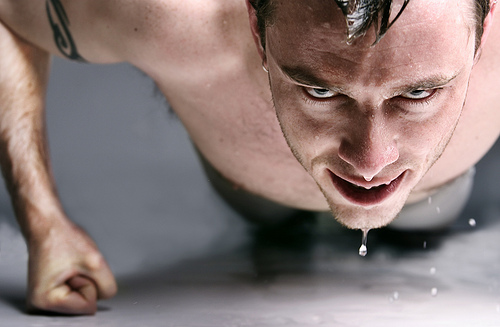
Train from your soul! Give it everything you’ve got. When you train, take a look at the other students around you. Within twenty minutes, there should be a puddle of sweat at your feet. If there isn’t, then you aren’t putting your entire being into your training.

You can be in it for your own reasons. Just make sure that while they’re your reasons, they’re still the right ones! ☯