I’m not a big fan of the extreme cold. Being born and raised in New Brunswick means that I’ve grown up accustomed to reasonably mild winters, albeit heavy snowfalls. So the past decade and a half of -50 degrees during the winter months have managed to find the chink in my armor and the ache in my joints. If I had to choose, I’d opt for the spring or the fall, where temperatures are on the cooler side without freezing me half to death. But I digress…
Nathan and I, about to tackle the slope!
I have to admit that one of the pleasant aspects of parenthood is the opportunity o relive some of the more enjoyable aspects of childhood. Namely, sledding! There’s a small mount near our home called “Mount Pleasant,” which is identified as a “toboggan hill.” Plenty of people go there to go sledding, and I brought Nathan there for the first time last week. He has a black sled that his grandmother bought him a couple of years ago, and since the weather was mild and the skies were sunny, I thought it would be a great opportunity to do something other than have him skim the back yard with it.
I had a really wicked video of Nathan and I shredding down the hill. But for some reason, my damn iPhone won’t upload the video. So I guess we’ll have to settle for this photo:
Nathan, hefting his sled back to the top
As you can see, there were some other people using the hill that day. But everyone was pretty good about staying the hell away from one another and some people were even wearing masks outdoors. Besides the few assholes who insisted on climbing back up the hill from the spot they came to a stop, thereby causing a collision hazard with other sledders, it was a fantastic afternoon with fresh air, sunshine and one hell of a workout getting to the top of that hill every few minutes.
We brought snacks, drinks and Diabetic supplies and we took a break halfway through the afternoon to enjoy the snack before taking turns, hefting the sled up the hill. It just goes to show that fitness doesn’t have to be all weights and cardio. Sometimes, good old fashioned fun can be great exercise. As long as you watch your blood sugars and recognize the winter temperatures will affect your levels and insulin absorption, there’s plenty of joy to be had despite all the white shit on the ground. ☯
No, I’m not being lewd or dirty-minded. I’m referring to something world-renowned but often disputed in martial arts circles. I’m talking about Bruce Lee’s one-inch punch. Depending on what circles you walk with, you may have grown up in the 70’s and 80’s watching movies such as Enter the Dragon, Fist of Fury and Game of Death. I loved those movies and spent my childhood throwing out my forefist, pretending I WAS Bruce Lee.
Lee is well-known for his fighting prowess, even to those who don’t travel in martial arts circles. And one of his best known techniques, famous even by today’s standards, is his one-inch punch. People are always quick to associate this technique to Lee, despite the fact that the one-inch punch is well-known in many traditional styles of Chinese martial arts. So the question is: does the one-inch punch actually work?
As you can see from the included YouTube clip, Lee is shown as able to impact a target from only an inch away, hence the name of the technique. The strike then sends a fully grown male staggering back into the waiting chair and sends him sliding back several inches while seated. The thing I like about this clip is that they show it in slow motion, allowing a trained martial artist to see exactly what may be going on when Lee executes the technique.
According to an article posted by Popular Mechanics, “[…] you first have to understand how Bruce Lee delivers the blow. Although Lee’s fist travels a tiny distance in mere milliseconds, the punch is an intricate full-body movement.” The article goes on to quote Jessica Rose, a Stanford University biomechanics engineer who points out that Lee’s technique starts with his legs. And that’s quite accurate. If you watch the video closely, you notice that Lee starts by carefully setting himself up and lining his entire body. This is followed by the explosive straightening of the knees, swivel to the hips, turning of the shoulders and straightening of the arm to deliver the punch.
It’s a matter of simple physiques. After all, Newton’s second law of motion tells us that Force equals the mass of an object multiplied by its total acceleration. So despite Lee’s average stature and slim musculature, the faster the fist travels, the bigger the expelled force once it impacts against its target. And all the individual components (legs, hips, torso, shoulders, arms) add to the total acceleration of Lee’s fist, prior to impact. This means that not only is the one-inch punch possible, it’s easily explainable with high school physics. Who knew?
It all comes down to proper bone alignment and velocity. That’s what makes it happen. Even in Uechi Ryu Karate, we train with a specific technique where we perform a structured, uppercut punch to the floating rib that looks suspiciously like a bastardization of the one-inch punch. We execute the technique by forcing from the thigh and hip, allowing all the major muscle groups to lend force to the fist, which is usually braced to the hip at the elbow. It’s effective and debilitating to one’s opponent.
This isn’t to mean that just anyone can do it. It actually takes years of training and precision to develop the technique in such a way that it can be effective in an actual fight. Even if it looks like the fist is only travelling an inch in distance, all the necessary parts require a whole lot of coordination. And even then, I wouldn’t use it. Gross motor function is always preferable over fine motor skill when it comes to a fight. If you have to take the time to line up your attack before you do it, it’s already too late.
It’s important not to believe everything you see in the movies. Especially martial arts movies, where the techniques and fights are grossly exaggerated. But as far as my personal jury goes, Lee is the genuine article and his one-inch punch is very real. It takes a lot of training and skill to properly execute it, but it’s real. At the risk of once again sounding lewd, for some people, one inch is enough. ☯
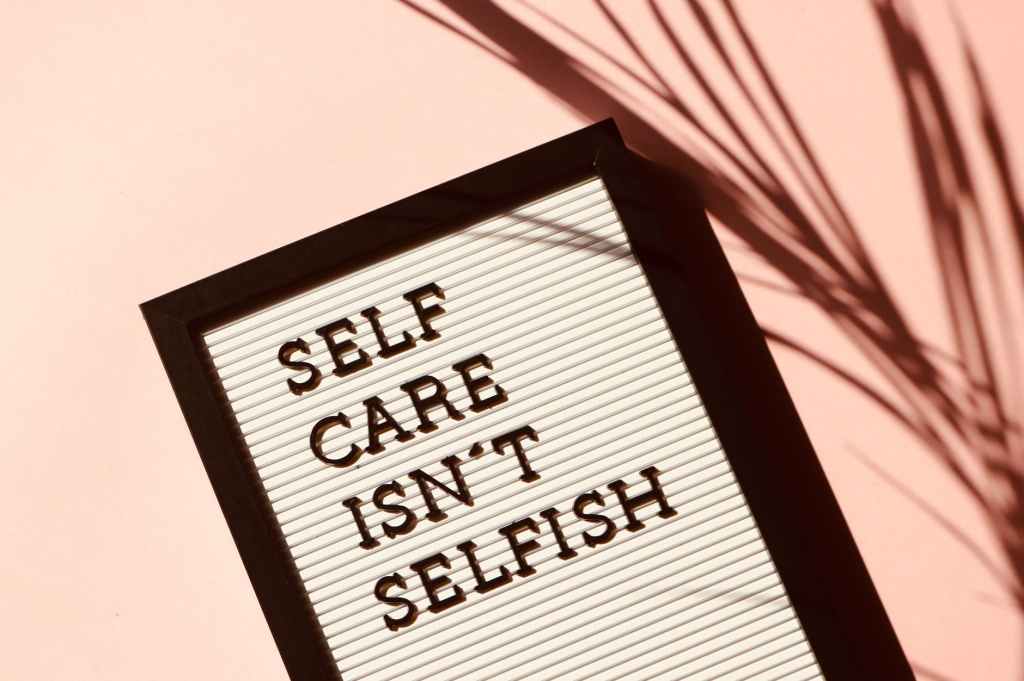
Taking proper care of yourself is one of life’s top priorities. This is true for any person, but especially true for someone suffering from Type-1 Diabetes. Although you can certainly find medical practitioners to help you navigate the complicated labyrinth of medications, treatments and methodologies required to properly balance your Diabetes, the ownership of your care ultimately falls to you. And even when people are fully aware of this, they very rarely recognize and acknowledge it.
In order to be healthy, you need to be happy. In order to be happy, you need to be healthy. As Sensei would say, these two go hand-in-hand and it’s very difficult to truly have one without the other. Over the years, I’ve found myself sacrificing my wellbeing for the betterment of others, often going as far as damaging my health, exhausting myself and/or making myself sick. Although sometimes duty, honour and obligation requires it, it’s pretty difficult helping others if you first don’t help yourself.
So what does self-care look like? I don’t necessarily mean taking your medications or frequently testing your blood, although these are every important. I mean the self-care that includes one’s mental wellbeing as well as the physical. For example, did you know that if you’re tired in the middle of the day and decide you want a nap, you really don’t need to explain yourself to anyone? (Unless you’re at work, in which case I don’t recommend trying it. And if you do, please don’t name drop me…)
In order to illustrate my point I’ll provide two examples from my personal life, which took place some years ago. The first is work. I don’t think I need to to explain that work is a necessary part of modern life. Unless you happen to have been born into a wealthy family, most of us are forced to punch a clock and usually contribute somewhere in the range of 2,100 hours a year to help line someone else’s pocket. When I used to work for a certain popular franchise, who shall remain nameless for liability reasons, I let myself fall victim to my attempts at being an all-star.
Although not always the case, most employers are not only more than happy when an employee goes above and beyond, they come to expect it without any form of additional remuneration or praise. If you happen to be a prospective go-getter, this plays havoc with your health. This was me, up until a little over a decade ago. I would never miss a shift, driving in dangerous, inclement weather, going in to work when I felt ill and even going as far as passing out twice on the job, to be brought to the hospital for diagnosis, only to return the next day.
Despite the fact I was in management (and in light of that fact), it really gave me no benefit to be sacrificing myself this way. I ignored critically low blood sugars, worked through bleeding polyps and even did the work of two people when I was short and couldn’t replace them. And it wasn’t until I finally put my foot down and tried to call in sick that I got the ever-popular retort from my boss. I’m sure you’ve all experienced it; it was a dialogue that went a little something like this:
ME: “I won’t be coming in today. I’ve been ill all morning…” BOSS: “Well, just how sick are you? I need you for tonight’s shift.” ME: “Sick enough that I don’t feel I should be coming in to work…” (Bearing in mind that Canadian Labour laws take a dim view of an employer asking about ANY medical condition, my answer was more accommodation than was required) BOSS: “Alright, fine. I’ll see if I can replace your shift. I’ll call you and let you know.” ME: “Let me know what?” BOSS: “Whether I can replace your shift or not!” ME: “Why do I need to know that?” BOSS: “Because if I can’t replace your shift, I need you to come in…” ME: “Maybe I’m not being clear. I’m calling in sick. I won’t be in tonight.” BOSS: “Well, if you’re going to be like that, you’ll have to bring me a doctor’s note.” (Also against the Labour Code) ME: “I’m not going to a hospital! I just need to get some rest and I’ll probably feel better tomorrow. THAT part, I will let you know…” BOSS: “If you aren’t sick enough to go to the hospital or see a doctor, then you aren’t sick enough to miss your shift.” (Also not a permissible statement, unless you HAPPEN to have “M.D.” after your name, but what do I know)
Any of my readers or followers from back home can probably guess at what employer this was and would likely be nodding their heads furiously right now. But given my propensity for picking my battles, I would foolishly go into work despite feeling like absolute shit. I can’t tell you the number of times I’ve worked through a shift with frequent trips to the washroom where I would accommodate either end of my anatomy (Enjoy getting THAT image out of your head). Was it worth it? Definitely not. It didn’t result in a pay increase or any advancement to my career. All it did was cause damage to an already damaged body. Not smart, on my part.
The next story is about relationships. For the most part, relationships on their own can be rough and challenging waters to navigate, especially when dealing with someone who has little concern or understanding for your wellbeing. This brings me back to my earlier comment about napping. You all know that I’m a big fan of napping, but for this story, I’m referring to the need for actual sleep.
You see, as an adult, there really isn’t any reason why you should have to explain yourself, should you decide you’re tired and want to go to bed. Tired means tired, and is about the farthest thing from selfish that I can think of; next to needing rest from illness. But this was something of an alien concept to the woman I will identify simply as “Ex” (my ex-wife).
Ex had a nice, cushy daytime job, 9 to 5, Monday to Friday. I worked shift work, which often included overnights. This is not to say that she didn’t work hard AT her job, the issue mostly arose from her time at home. The scenario would involve working overnight and getting off work at 6 a.m. By the time I’d get home, it would be closer to 7 a.m. and I would sneak carefully into bed as to not wake Ex. But one’s circadian rhythm can be a bitch, and she’d often wake up less than an hour later, despite being on a day off.
Now, one would be inclined to think that any reasonable person would understand that someone who’s worked throughout the night would need more than an hour or two’s sleep. Not Ex. She’d wake me shortly after she’d have breakfast in order to “get the day started.” When I’d argue that I needed a solid period of proper sleep because I had to work overnight again that night, it would be met with argument, including but not limited to the fact that I “was not to waste her entire day off sleeping.” Nice, eh? There’s a reason WHY she’s an ex.
I’ve provided both these scenarios, not because I wanted to complain about these two negative aspects of years past (despite the fact that venting about it was kind of nice), but to point out that both these scenarios wreaked havoc on my health, my blood sugar levels and even my mental wellbeing. The stress and anxiety associated with always having to explain yourself for things that should be an understandable requirement of physiological survival can have permanent repercussions on your sense of self-worth, value and confidence.
That’s why it’s important to take time for yourself and do things that are uniquely for yourself. Have that nap. Run out to grab a coffee. Take an hour a day to meditate or work out. None of that makes you selfish, it simply guarantees that you’ll be in a better state of health and a better state of mind to help take care of the daily grind, whether that includes family, work or whatever. And should you encounter an obstacle in your life that prevents your self-care, whether work or personal, that makes them a cancerous cyst that you need to down a shot of whiskey and quickly slice off in one quick swipe. You’ll be all the better for it. Surround yourself with people who will not only accept your needs, but will encourage them, as well. I know I did. ☯
Depending on the style of martial art that you study, the way you develop your strikes can be integral to a solid progression towards your goals. Personally, I have always had an issue with things like brick and/or board breaking, because I’ve always seen it as a futile exercise meant only to show off or demonstrate one’s prowess in breaking through an object that’s been set up to yield. For example, my Sensei’s school of karate never involved board breaking in class. If it ever did, it predates the time I joined.
“Boards Don’t Hit Back!”
– Bruce Lee, Enter The Dragon (1973)
But while I’ve never been a fan of breaking, it can lend some specific benefits to the traditional martial artist. Other than scaring your mother’s new boyfriend into submission, that is. The first point that I’ll bring up is unfortunately a negative one. The boards and bricks that are typically used for breaking are special, in that they have a thickness and composition that makes them ideal for breaking. The boards are usually thin, about 3/4″ thick, and cut with the grain to allow an easy break.
The bricks are usually thinner than you’d usually see for any practical building application as well, and are stacked in such a way that there is usually a minuscule gap of air between each one. This is where physics comes in. So long as you strike the brick properly, The strength and force of your fist will be assisted by gravity and help to break every subsequent brick. This is where the positive point comes in. You’ll notice I specified that you need to strike the brick “properly.” That’s where the big difference comes in…
From a martial arts perspective, if you walk into a dojo on Day 1 and try to punch through a board, you risk spraining and/or damaging your wrist, tendons, muscle tissue and potentially fracturing fingers or knuckles. It takes a reasonable period of training and developing one’s striking techniques before you can properly apply them against a hard surface like a board or a brick. And even then, the amount of focus required to strike safely and keep from injuring yourself is paramount.
“Very Good. But Brick Don’t Hit Back.”
– Bolo Yeung, Bloodsport (1988)
As I mentioned in the opening, the value of breaking is not a universally shared aspect among all styles. Most traditional Okinawan martial arts styles, such as karate, don’t lend much value to breaking, although some of our hand-strengthening methods are just as brutal, if not worse. And any style that focuses primarily on weapons or grappling won’t give breaking a second (or first) thought. But some “high-flying” styles, such as Tae Kwon Do, take breaking to a whole other level.
You can see senior belts breaking boards after flowering spin kicks, or boards held high above head level. While these types of breaks look spectacular to spectators, they lend little (if any) value in an actual fight situation. That being said, the precision, speed and skill required to pull off those techniques, even if they’re only worthy of demonstration, is beyond MY skill. So I can’t help but feel a little impressed by them, despite their worthlessness.
The bottom line is that as I explained in my previous post Making An Impact, training in the martial arts for any sort of long-term period will eventually require you to hit something. Whether it’s air, wood or fire, allowing your strikes to impact a surface is an important part of learning to strike properly. I’ve always been a bigger fan of pads or bags, because you can work on your precision, strength and speed without the risk of injury associated with striking a board or brick. That, and I don’t feel the need to convince others of my skill by smashing inanimate objects in front of them. But I digress.
As far as the jury ruling on breaking, the pros would include the development of strength, accuracy and getting those knuckles calloused up for proper striking. Don’t even get me started on using a knife hand on something like a brick. I wouldn’t even use a knife hand against an opponent, unless I was striking soft tissue or cartilage. There’s too much risk of breaking fingers, which would render them useless if the fight isn’t over or you face multiple opponents.
The cons would include junior students attempting to break before gaining the experience required, resulting in injury. It’s also an effectively useless display, since you need to clean up and replace every board and brick you break. There are no such issues while using a punching bag. Another con is the fact that some schools require breaking as a part of belt grading, which can be an issue if you have all the skills and precision to respectfully earn the belt. Would breaking bricks have made me a more effective black belt? I don’t think so, although I believe some would disagree.
At the end of the day, this is simply another aspect of the martial arts that has evolved as a means of impressing others as opposed to the use of skill for the betterment of oneself or the style. Much like competition, it’s been around for a long time and isn’t in any danger of disappearing any time soon. But should you find yourself starting the martial arts and join a school that maintains the practice, bear in mind the aspects I’ve written. And try not to break your fingers… ☯
I like to think that one is never too old to learn something new. The prospect of being unable to “teach an old dog new tricks” is something of a myth, as is the concept I’ll be speaking about today. I’ve spent decades believing this was actually a thing, and incorporating it in many, if not most of my workouts. I’m referring to a term known as “muscle confusion.” The term, which is arguably not a scientific one, describes the act of changing up your workout routine frequently in order to “confuse” your muscles in order to prevent hitting a plateau.
But how effective is it? I’ll admit that I’m a really big fan of variety in one’s workouts, if for no other reason than to keep things interesting. But if I’m training in something, I’ll keep at it until I master it. A decent article posted by Men’s Journal explained it best by saying, “One big problem with the muscle confusion principle is that you don’t spend enough time working on an exercise to really master it. It’s like training to ride a bike one day, then a skateboard the next, and then rollerblading after that. Your skills on the bike aren’t really going to get better.”
Traditional karate is really big on repetition in order to master movements, techniques and fitness methods. As Ziad K. Abdelnour once said, “Don’t practice until you get it right. Practice until you can’t get it wrong…ever.” So there’s heavy importance in doing things properly. But I would be lying if I said that we often have tons of material and new techniques piled on at the same time. But the way to prevent or get past hitting a plateau is simple: increase your weights, increase your time and push yourself harder.
An article I just read by HealthLine.com states that the theory of muscle confusion is just a myth, created to help propagate popular fitness programs. The article goes on to say that muscle confusion is hype when compared to other fitness theories that are grounded in science. I highly recommend reading the article; it has some really good information.
So despite the fact that I’ve been on board the muscle confusion train for years, every reputable source that I’ve found seems to agree that it’s a myth and the better method is to remain consistent. At the end of the day, there’s nothing wrong with changing up your routine. It’s especially important to experience new fitness routines and programs, if for no other reason than to keep things interesting and have some fun. Your chances of reaching your fitness goals will increase exponentially if you enjoy what you do. ☯
One of the bigger problems in regards to fitness, especially when you have Diabetes, is the consumption of food in tandem with your workouts. There’s nothing I dislike more than having an hour earmarked for a workout, only to realize that my blood has significantly dropped and I have to treat the low before doing anything. This often (although not always) results in a feeling of being full and depending on what you’ve eaten, mildly bloated and is not conducive to a productive workout. So this begs a question: Is it better to work out on an empty stomach?
There are a few schools of thought on this, but none of them provide an easy answer. In my mind, I’ve always thought that working out without eating first was an easy way to ensure that your body used its stored fat as a source of fuel and help to trim down. But the flip side to this is that one needs energy in order to effectively exercise, and depending on one’s fat stores is not as effective a way of doing this as having food in your system. So, which perspective is the correct one? I call it “perspective” because in my experience, their preference is one that’s adhered to by most people, regardless of the information provided.
According to an article posted by the Mayo Clinic entitled Eating and Exercise: 5 Tips to Maximize Your Workouts, “studies suggest that eating or drinking carbohydrates before exercise can improve workout performance and may allow you to workout for a longer time or at a higher intensity.” It goes on to say that not eating may result in sluggishness or light-headedness. If you workout in the morning, ensure to have finished your breakfast for at least an hour before exercising.
The article touches on portion size, explaining that large meals should be eaten three to four hours prior to exercising, with smaller meals being eaten one to three hours before a workout. Snacks effectively won’t provide any energy if you have them immediately before a workout, especially if your workout if less than 60 minutes in length. The article also makes two important point about eating AFTER a workout in order to help your body recover and repair itself, as well as staying properly hydrated. Which you should be doing, anyway.
According to what I’ve read in relation to the body’s fat stores and how they’re used, if you’ve fasted before a workout, you’re essentially guaranteed to be in calorie deficit, leading to the burning of fat. This is because the body’s only available fuel source IS your fat stores, if you’ve skipped a meal before exercising. And that’s all well and good, so long as you monitor your blood sugars and make sure you don’t crash from low levels, depending on the type of workout you’re doing.
If you’re doing a shorter workout, an empty stomach likely won’t affect performance. A quick, 30-minute workout over your lunch break won’t send you into a frenzy. But if your workout is one or even two hours long, working out on an empty stomach can lead to a whole bunch of nasty symptoms like dizziness, light-headedness, nausea and will likely make you drag your ass throughout your routine. Better to have something to eat prior to a long workout.
No matter what your preference is (and it should be based on your preference), the important takeaway is to make certain to eat after your workout to aid in recovery, stay hydrated and make certain that whatever you do doesn’t interfere with proper blood sugar control. At least no more than exercising usually does. One issue I’ve often had with karate, is that weekday classes have ALWAYS been around the 6 to 6:30 pm timeframe, meaning I might be in the middle of digesting supper when we start up. That’s when you want to ensure that your meal is light and easily digested, otherwise you’ll inevitably face difficulties during class.
In closing, I’ll point out that most sources have stated that even if working out on an empty stomach promotes the burning of fat as fuel, it may not provide the amount of fat reduction a person is looking for. But being in a calorie deficit is the only genuine way to truly get slimmer. Also, there’s no way to focus on just ONE area. For example, you can’t do hundreds of crunches for the purposes of burning belly fat. That’s a myth. Your abs will get strong enough to crack walnuts, but your fat stores will burn equally throughout your body. ☯
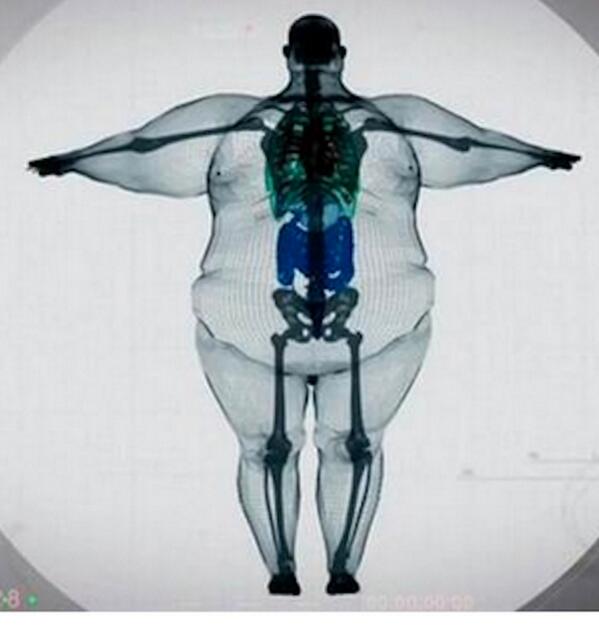
I always get a bit leery when tackling this subject. Not only has this particular topic long been incorrectly associated with Diabetes in its various Types, but given modern society’s penchant for body positivity no matter the shape of the body, it can make navigating the terminology in a diplomatic way a touch difficult. It doesn’t help that we live in a society where even something positive is usually interpreted as offensive. But on to the topic. I am referring to body fat.
From a body positivity standpoint, I agree 100% that a person can be on the heavier side and still be beautiful. And it’s important to understand and encourage that body positivity, so long as it doesn’t jeopardize one’s health. The issue I usually see is when someone who has excessive body fat or is obese, being encouraged to accept their body and it’s size and just kick their feet up and ignore the problem. No. This is incorrect. And dangerous. And now, I’m going to provide some explanations as to why.
First of all, body fat is important to the human body. Fat, in and of itself, is considered to be the stored energy source of the body. In other words, when your primary source of fuel runs out, the body taps into fat stores to keep you running until your next meal. Fat accumulation takes place when the amount of calories you take in exceed your body’s requirements. The body then stores the excess for later consumption, hence weight gain. There can be other causes for weight gain, but that’s the gist.
There’s no such thing as “Big Boned”
But your fat stores are intended to be a happy medium. Too much fat on the body can lead to cardiovascular and circulatory problems, damage the joints and cartilage of the body as well as possible metabolic issues. On the flip side, the human body can’t survive WITHOUT body fat, since it contributes to proper immune system health, energy balance and prevents starvation in instances when you can’t/don’t take in enough energy.
An article posted a few years ago by Freeletics.com states, “Too little body fat can cause deficiencies of fat-soluble vitamins, which your body can only absorb with fat. Another important factor is the risk of increased disease like heart disease, gastrointestinal problems, damage to the nervous system as well as the risk of organ shrinkage and an effect on your immune system.” The bottom line is that humans need fat in order to live. But it’s how much fat we allow to be stored on one’s body that is the issue.
It’s important to accept oneself as they are, but you excess weight can be detrimental to one’s life and health. The first step is to do SOMETHING. ANYTHING. Get off the couch and move. Even if you start with a simple walk and continue on from there, anything is better than nothing. Body fat doesn’t affect one’s personal beauty, inside or out. But fat can and will affect one’s health. And that’s where it becomes a problem. Proper diet and regular exercise are the best weapons. But bear in mind that certain medications and existing health conditions can also contribute. Be sure to speak to your doctor or medical practitioner if you feel there may be something hindering your weight-loss efforts. ☯
Once in a while, I like to tackle subjects that most people seem to believe are taboo or off-limits. While I don’t tackle the most extreme of topics, I tend to cover subjects that some consider shitty… But the truth is today’s post is about something everyone does: Passing gas. In fact, NOT doing it can lead to health complications, including abdominal distension, painful cramps and even reabsorption of gasses into your circulatory system, resulting in the gas being expelled through your breath. Yeah. Gross.
Whether on an elevator, in a cramped room or an office setting, passing gas can be awkward, embarrassing and is mostly considered rude. But one of the most embarrassing and often avoided environments is in a workout setting. In the gym or the dojo, especially in yoga class, passing gas is considered a big no-no. But this is one the places it’s likely to happen the most. And here’s why…
First and foremost, there are lot of reasons behind why flatulence happens. In general, it’s a natural part of the digestive process as gas tends to build up during the breakdown of food. There can be some bodily issues that cause excess flatulence, but this is generally the main reason for it. When you work out, there are two issues that can cause excess gas. Heavy breathing during an intense workout can cause you to swallow air. This air is then expelled through the digestive tract in the form of flatulence. If you’re lucky, it may only be a burp. But let’s be honest; who’s ever lucky? The second issue is that all the stretching, twisting and exertion will cause excess air in your system to be squeezed out.
Another aspect is that proper exercise will cause your digestion to work as well. So it may simply be good old fashioned gas. And the last detail to remember is that heavy weightlifting causes the damage and breakdown of muscle tissue in order for them to rebuild, bigger and stronger. And much like any breakdown process in the body, it will create gas. There are plenty of other reasons, but I’ve probably grossed out everyone enough for this week. So feel free to hit up WebMD, HealthLine.com and Men’s Health for more information.
The important thing to remember is that unless you’re intentionally crop-dusting someone, passing gas is natural, normal, happens to everyone and is a necessary function of the human body. There’s no getting around it. So don’t be surprised if you feel the urge to burp or pass gas during your next heavy workout. ☯
I had a bunch of fun last Thursday when Nathan and I went outside to clean up the snow that had fallen the previous day. We had a heavy snowfall, which resulted in a few inches settling nicely on my driveway, vehicle and sidewalk. Homeowners are responsible for clearing and cleaning the stretch of sidewalk in front of their property or risk being civilly liable, should someone not understand that snow and ice on concrete is fuckin’ slippery. Go figure…
The point is, I started by using my newly-purchased snowblower to eliminate the two inches of loose, powdered top snow. But I still had to get in there and scrap away all the nice, packed stuff that sat underneath. My sidewalk was an absolute disaster, since people have been walking on it for days and a lot of the snow got packed down. I spent the better part of an hour, scraping, lifting and tossing heavy chunks of packed snow.
In light of the fact that I had been at it for an hour, I counted it as a workout. Why not? I had been stretching, twisting and lifting heavy weight for an hour. I’m inclined to think that this is pretty close to the definition of a workout. I wouldn’t want it to be my usual, of course. But it makes me feel better about not having time to log a traditional workout.
There are a lot of “chores” a homeowner can perform that can be intensive enough to constitute a workout. So if the winter blahs are starting to get you down and you just can’t quite seem to find the energy to do a traditional workout, turn that frown upside down by using the chores you’re forced to perform as a means of maintaining your fitness. Just be sure to keep an eye on your blood sugar levels and remember that despite the colder weather, hydration is still important. ☯
I hate snow. I have a pretty solid dislike for the cold in general, despite the fact that I don’t yearn for sandy beaches and hot climates, but the snow holds a special place in the dark recesses of my heart. Mostly because I have to shovel that white shit. And as much as I enjoy the occasional romp in the snow, or pelting my son with a solid snowball, shovelling snow is my personal version of hell freezing over.
The depth of snow behind my vehicle at 6:30 am
Last Monday, I awoke to the sight of snow on the ground. At first glance, it didn’t seem to be a big deal. Then I opened my door and noticed that the snow around my SUV was two-feet deep. FML! I have a pretty specific and time-sensitive routine during weekday mornings. Most of it involves getting my 5-year old fed, dressed and his lunch kit put together before ushering him out the door to his bus stop.
Since his bus driver has instructions not to pick up or drop off without a parent present, I’ve taken to driving Nathan to the bus stop in order to wait for the bus inside a warm vehicle. I know, right? First world pleasures, to be sure. But considering the weather reached -20 degrees on Monday, it wouldn’t have been ideal to stand outside waiting (despite the fact I used to walk in colder temps when I was a kid).
I whipped through my morning routine at double speed then bundled up in warm thermals and winter clothing in order to go shovel out my vehicle. After about an hour of shovelling, I was sweating inside all my layers and had barely cleared half of my driveway. The worst part? Three of my neighbours were smiling and waving while quickly clearing their driveways using a snowblower. I was thinking, what kind of a masochist am I? I’m 42 years old, Type-1 Diabetic and a heart attack waiting to happen!
The world is blanketed in white
After noticing that I was the only goon using a manual shovel, and the calls for service I’ve attended where people have dropped dead from heart attack while shovelling, I had decided that enough was enough. I had been complaining to my wife about it for the four years we’ve lived where we are; this winter would be the one where I purchase a snow blower.
Shovelling snow puts enormous strain on the human heart. One doesn’t realize it when doing it, but you’re moving hundreds of pounds of snow over a short period of time, when shovelling out your driveway. Add that to the increased blood pressure one suffers due to the colder weather, and it’s a recipe for disaster. Add weakened organs due to Type-1 Diabetes, and it’s almost guaranteed that you’ll drop from the strain when all you were trying to do is clean out your driveway.
One of the worst calls I’ve ever attended involved a guy just a few years older than I am, coincidentally with Type-1 Diabetes. He was clearing snow with a snowblower and simply dropped on the side of his driveway. All those factors were in play. Last Monday was enough to convince me that even if I do consider myself to be somewhat in shape, I no longer want to be struggling with the evil white stuff at 6 in the morning. Bring on the snowblower.
If you routinely shovel snow, or are one of those idiots that try to make a few bucks doing so, you need to consider a few aspects. Like any workout, you should stretch and warm up before you go conquer the great, white yeti. Even while shovelling, you need to make sure to lift and push with your legs, not your chest or back. And you should exhale as you hurl your shovelful of white shit. These are all things that you would be doing for a traditional workout, so why wouldn’t you do it RIGHT before stressing your body in cold temperatures?
Take breaks, drink plenty of fluids and treat shovelling the same way as you would, any other physical activity. This means test your blood before, during and after as well. Now if you’ll excuse me, I need to go clean the snow off my car and snow blow the driveway… ☯






 The Blogging Buddhist