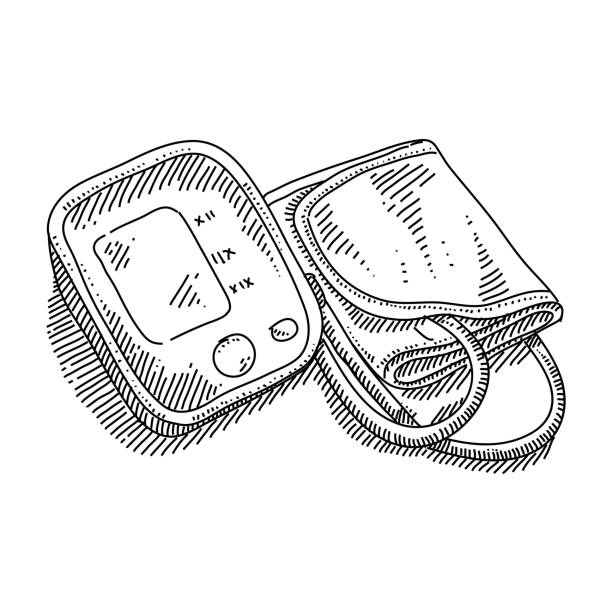
Diabetes is an extremely complicated condition, and it tends to affect all systems within the body. Recently, I’ve been trying to cover off the areas that seem to have the most impact. One of those areas happen to be high blood pressure.
Blood pressure is one of those enigmatic medical measurements that people generally don’t understand until their doctor tells them it’s too high. Speaking in general terms, a normal blood pressure for most people is about 120/80. This is the optimal range for people looking to maintain proper health, although your doctor will advise you what numbers are proper for your specific health and condition.
So what do those numbers mean? According to http://www.healthline.com, “the top number refers to the amount of pressure in your arteries during the contraction of your heart muscle. This is called systolic pressure. The bottom number refers to your blood pressure when your heart muscle is between beats. This is called diastolic pressure.”
Now that we have the medical jargon out of the way, how does this affect someone with Diabetes? There is a known and proven relationship between Type 1 Diabetes and high blood pressure. Having one automatically puts you at risk for the other.
Diabetes tends to cause damage to the arteries, which can lead to hardening and blood pressure issues. High blood pressure issues can lead to eye and kidney disease or aggravate an already existing condition. There are a number of other complications caused by high blood pressure that can be read on WebMD at https://www.webmd.com/diabetes/high-blood-pressure
There are a number of easy things you can do to help with blood pressure levels. Eating healthy and exercising are obvious steps. Maintaining your blood glucose levels and keeping your weight down can also help.
Your medical practitioner may also chose to put you on preventative blood pressure medication. Although I’m not a big fan of taking medication that isn’t needed in the immediate moment, this is one of those rare exceptions that prevention is best. I, myself, am on Ramipril, which is an ACE inhibitor that helps to treat high blood pressure.
Readers will likely notice that eating healthy, exercising and maintaining good blood glucose levels are the aspects I keep repeating over and over. But those three steps will certainly lead to an easier life when dealing with type 1 Diabetes. ☯
Recently, I wrote about the issues surrounding fitness during extreme weather and the effects of high heat on blood sugars. I’m going to reiterate by saying that during the summer season, blood sugars can be adversely affected by high temperatures. It can be different for some people, but in my case, my blood will often drop.
This can be caused by the body straining to lower your core body temperature through sweating and an increased heart rate due to the heat. This is why it’s SO important to consistently sip water throughout the day. It helps to keep you hydrated and aids in regulating your core body temperature to avoid issues like heat stroke and dehydration.
But before I start repeating everything I posted on a previous day, let’s address the culprit of all these issues: the Sun!
Now before I get into the crux of this post, I’ll take a moment to explain exactly what our Sun is. It is a star. It creates heat by fusing hydrogen into helium and this process is the reason behind the Sun’s light and heat. This energy travels to the Earth where it is responsible for most of the life on our planet. (Although explaining this shouldn’t be necessary, we live in a world where some people actually believe our world is flat, sooooo… you do the math!)
Ultraviolet light, or UV rays, are present in the Sun’s radiation and prolonged exposure to this radiation can be damaging to living tissue. This is where the application of sunblock or sunscreen lotion plays an important role.
Last week, I decided to be a smart ass and cycle for 21 kilometres. The temperatures that afternoon reached the high 20’s, low 30’s (that’s in Celsius) and I took off from home thinking if I got too hot, I’d simply turn around. By the time I started to feel the effects of the heat, I had already gone about 10 kilometres and would have to peddle another 10 to get home!
I drank plenty of water and stayed hydrated but as it is the beginning of the hotter season, I totally neglected to apply sunblock before taking off on my trek. Needless to say I got a nice red-skinned surprise later in the day.
Let’s talk about sunblock for a moment. Sunblock is a topical gel or lotion that’s applied to the skin. It helps by reflecting UV rays away from the skin, which prevents damage and sunburns.
What many people don’t know or understand (and what I only learned a couple of years back as well) is what the SPF number on your sunblock refers to. SPF stands for Sun Protection Factor and the number is a multiplier. So what that means is that if it takes you 10 minutes to start burning and you apply an SPF15 sunblock, you can theoretically be in the sunlight for 150 minutes before you start burning. Theoretically.
You should be applying sunscreen daily, or even any time you step out into the sunlight. According to an article posted by Men’s Health Magazine, the Centre for Disease Control recommends using AT LEAST an SPF15 or higher. To be honest, I don’t recall ever seeing anything lower. Most retail locations in Canada will carry SPF 15, 30 and 50. When I travelled to Japan, they had an SPF110 available, although I can’t speak to whether it was more effective than the 50 or not.
An important factor to consider is to ensure that you apply sunblock properly. Most people tend to dab here and there and assume they’re good to go. But you need to consider full coverage of your bare skin in order for the sunblock to be truly effective. Remember that you may need to reapply more frequently if you are swimming or sweating profusely.
Sunblock is important to help with the prevention of certain types of skin cancer and can help you enjoy the hotter season without the perils of getting sunburned. Apply sunblock often, drink plenty of fluids (bearing in mind that caffeinated and alcoholic beverages will contribute to dehydration) and take added precautions by wearing some sun-blocking clothing. Remember, don’t get burned! ☯
Guess what, folks? Summer is here, and with it comes the intense heat that often makes me feel like I’m working out in the thirteenth circle of hell…
All jokes aside, summer heat can adversely affect your blood sugars in an extreme way. Exposure to summer heat can potentially lead to dehydration. First and foremost, dehydration will lead to reduced blood circulation and therefore less insulin absorption. This means your blood sugar levels will spike.
When you dehydrate, as your blood sugar rise, you will experience frequent urination, which leads to further consumption of water and further urination… It’s a brutal cycle.
Although it’s important to monitor what you’ve eaten and adjust your insulin dosage accordingly, it becomes even more important to remember that including physical activity in the mix will cause further issues. It would be important to either avoid physical activity during the hottest peak hours of the day, or work out in a properly air-conditioned environment.
Make sure to drink plenty of water, even if you aren’t thirsty. This will ensure you don’t get dehydrated. Avoid alcoholic drinks during extreme heat as they will contribute to dehydration. As much as it kills me to say so, caffeinated drinks should be avoided as well. Caffeine acts as a diuretic and will dry you out further.
The next issue is your Diabetes medications and equipment. They don’t do so well in the heat. In fact, leaving your insulin in the hot sun will effectively cause the medication portion of it to evaporate and will basically become expensive water! The same can be said of your glucometer. Extreme heat will result in malfunction of your electronics and improper calibration of the same items. Keep all your equipment and medications in a cool, shady location during peak hours of the day.
The summer heat is inevitable, especially in the Prairies where I live. But it is possible to take preventative steps to keep it from affecting your Diabetes. Drink plenty of water, test your blood sugar often and remember to adjust your work outs accordingly to prevent issues during the peak summer season. ☯
One of the key reasons behind the consumption of food is to obtain carbohydrates for energy. The human body requires energy to carry on normal functions and, well… stay alive! But what else do we get from the food we eat?
A proper diet will also include a number of vitamins and minerals that we require to maintain proper health, growth and energy levels within the body. We’ve all heard about getting enough vitamins from a young age; I remember getting my Flintstones vitamin everyday as a kid.
But if you’re like most people, you’re likely wondering what these vitamins are for and what they do. My goal is to cover off the main ones here:
Vitamin A: This is an all-around vitamin that provides a number of functions including but not limited to the proper health of various bodily functions, tissues and helps to fight chronic disease and is known to be good for the eyes.
Vitamin B: This one is a bit complicated, as there is a large grouping of enzymes, vitamins and minerals that fall under the “B” category. In general, B-vitamins are used for energy production, immune function and absorbing iron. Some them include B2 (riboflavin), B3 (niacin), B9 (folate) and B12. There are a few more that I can’t recall, but B12 is considered amongst one of the most important of vitamins overall because it helps you turn food into energy.
Vitamin C: At some points, this one has been referred to as the sunshine vitamin. I’m thinking that’s mostly because people’s main source of Vitamin C is from citrus fruits. But this vitamin also helps with iron absorption, immune function and is a natural antioxidant that helps with the elimination of free radicals. Eating citrus fruits are also what sailors used to eat on long voyages to prevent scurvy.
Vitamin D: This vitamin helps with the strengthening of bones and teeth. Our bodies are designed to self-generate this vitamin naturally through exposure to sunlight, but obviously that needs to be done in small doses. Modern life has created an environment where more people spend their time indoors, away from the sun. So supplementation becomes important.
Vitamin E: A pretty straight forward vitamin, this one helps with proper blood circulation and clear skin.
Vitamin K: This vitamin is essential for blood-clotting. In order words, if you’re deficient in this vitamin, small cuts or injuries can cause excessive bleeding that can become dangerous.
Folic Acid: We hear people speak about this one as being necessary during pregnancy. And they would be correct! Folic Acid helps to prevent certain complications during childbirth but is important to everyone for proper cell renewal. This one is also known as Folate, or Vitamin B9 (as listed above).
Calcium: Most people should be familiar with this one. Teeth and bones, people! Teeth and bones! Good calcium levels are required to keep those body parts healthy.
Iron: This helps to build muscle tissue naturally and helps with proper health of the blood. As an interesting sidebar, it’s also what makes your blood red through the reflection of light!
Zinc: Immunity and Fertility. I’m a little unfamiliar with this one and haven’t had the opportunity to research it a great deal.
Chromium: This one is near and dear to my heart. Because it helps to control blood sugar levels. Chromium is what helps all the systems of your body to get the energy they need when they need it. Some traditional medicine practitioners will suggest Chromium supplements for Type 1 Diabetics who may have difficulty in maintaining proper levels.
Magnesium: This one helps your body to absorb all the other vitamins and minerals. It also acts as something of a relaxant to muscle tissue and play a role in proper muscle contraction.
Potassium: This mineral helps with the proper hydration of your body and helps to control blood pressure.
There are many others of course, but I’ve tried to cover off the main vitamins and minerals required for a proper diet. For more information and possible food sources for these vitamins and minerals, I’ve found the following two online articles that provide a lot of good information:
We get most of what we need by eating regularly and including a variety of healthy foods. A lot of people take a daily multi-vitamin, which is fine. But unless you are experiencing symptoms or unexplained illnesses, there shouldn’t be a need to actively try and take added amounts of anything. Your medical practitioner should be able to advise you if further supplementation is required. For example, patients who are recommended to take Folic Acid and Iron during pregnancy.
Obviously, all of this is extremely important; not only for proper health and fitness, which is important to me, but to help with Type 1 Diabetes as well. A big shout out to my wife, Laura, who provided me with this blog post idea by asking about B12 yesterday. ☯
In Canada, making a doctor’s appointment and having it be convenient is something of a challenge. Modern trends within medical offices have changed somewhat over the past twenty years, and not all of it has been in favour of the patient.
The days of seeing your family doctor on the day and time of your choosing are long dead, and an unknown receptionist at the end of a phone line will usually respond to your objections by saying “this is the only availability the doctor has at the moment.”
As a diabetic, I have often been faced with the dilemma of scheduling necessary appointments based on my availability. The safe bet is that I usually have to take a day off from work in order to accommodate and accept an appointment to see my doctor.
Once at the appointment, safe money says you won’t be getting beyond the reception desk at the time you were allotted. In fact, you’ll likely wait anywhere from forty to sixty minutes to get in to your “scheduled” appointment. And a common practice to medical offices these days is to restrict the patient to “one problem”. This means that you may have a few issues to bring up to your doctor, but in the interest of getting you in and out as fast as possible your doctor will likely require you to make a subsequent appointment for any added issues you wish to bring up.
Have you experienced this? Let’s say that you have a persistent cough, intestinal distress and your left knee is swollen and painful. Your doctor may only allow you to bring up one of those ailments for diagnosis and require you to return for the others.
Now, let’s be clear on something: doctors are overworked! Don’t believe me? Here’s the reality: In general, becoming a doctor in Canada takes approximately ten years. This includes obtaining an undergraduate’s degree, going to medical school and doing some form of residency. And that doesn’t include the additional time required for specialization.
Once all those steps have been achieved, doctors need to stay current on recent advancements and developments, study and familiarize themselves with all their patient files, write reports and referral letters as well as attend conferences, sit on various boards and committees and spend time in hospital. This is all AFTER spending full days within their medical practice, seeing the patients who complain that they had to wait the added thirty minutes.
Pretty brutal, right? Would you want to do that much work? The average resident works between 70 to 100 hours a week! And it doesn’t get much better once they complete their residency.
Most people see doctors and think “Oh, they make a wonderful salary. I’d love to make as much money as a doctor!” Although most doctors average a little more than $225,000 a year before taxes, the amount of debt and student loans amassed while getting to the finish line of their “MD” can easily match that, and it can take decades to pay back.
The face of medicine has certainly changed since I was a child. I remember walking into a doctor’s office and getting in within minutes of arriving. That still happens on occasion, but it’s become a rare occurrence. And there are good reasons for that. Most times, even while in clinic, doctors can get called away for emergent situations or to deal with an ongoing issue with one of their patients at their local hospital.
I guess my point is that patience is required when dealing with your medical practitioners. Although it would seem that you shouldn’t need to, it’s important to remember that your doctors are people too! And like everyone else, they’re fighting battles you know nothing about! ☯
I’ve written about stress before, but it remains a predominant aspect of daily life for most people. In general, one could easily write about stress indefinitely, given the number of effects it has on the human body and life.
Stress isn’t inherently bad! Although we tend to view it in a negative way, stress is simply your body’s way of dealing with changes within one’s environment. How we adjust to these changes is what defines the response.
Picture this scenario, if you will…
You arrive at the office at 8 am on a Monday morning. You’ve had a reasonably restful weekend and you walk up to your desk in a relaxed manner. Nothing bothers you, no one is disturbing you and although you have some tasks on your desk awaiting completion, you’re not particularly rushed. Then it happens: your supervisor walks in. Within minutes, your supervisor discusses these tasks with you, imposes timelines and completion dates, and advises you of the additional tasks that will be assigned to you once you complete the current ones…
Sound familiar? If we follow the definition of stress in the literal sense, the supervisor is a the change in the environment that requires you to adjust and adapt, creating stress. But what would have happened if you’d been left to your own devices? I’m not trying to call anyone lazy, but one needs to admit that a person’s productivity tends to increase significantly when stressors are introduced.
When produced in small doses, stress can help you cope with daily life, meet goals and achieve deadlines. Believe it or not, if not for stress you likely wouldn’t be here. Since stress is part of your body’s early-warning system, it can often help produce the “fight or flight” reaction required for proper survival. This is something that, from an evolutionary standpoint, is pretty interesting.
But before I start going off on a tangent, let’s refocus on the stress aspect. Some studies have shown that small amounts of stress in the proper environments can actually help boost your immune system and help your body’s defences against infections and the like.
From a Diabetes standpoint, I can safely say that stress plays a major role in the proper control of one’s blood glucose levels. Since every person is different, the after effect will also differ. Stress tends to make my blood sugar spike; for someone else, it may drop.
I’m making a pretty good case in support of stress, but it can obviously be detrimental as well. Sustained stress over long periods of time can lead to many health complications, such as high blood pressure, anxiety and mental health issues.
There are certain signs that will allow you to recognize if your particular level of stress is too much for you. If you can’t seem to sleep properly, if your appetite, mood or weight begins to fluctuate and your immune system seems pooched to the point where you catch every little bug that floats by, it may be time to address the issue.
The mood aspect will have several different colourful sides as well. If you start being angry or irritated (more so than usual) in such a way that interferes with your daily life, there may be a problem.
Although stress is a part of life and there is no eliminating it, it’s important to recognize your limits and deal with stress in a healthy manner. Here’s where I get to suggest my usual dose of exercise, sleep and meditation. Those are a big help, but don’t be afraid to speak to a medical practitioner if you suddenly feel as though it may be getting out of your control. ☯
There’s been an ongoing debate for the past decades regarding what type of medicine is the best. Although some people are a bit more inclined towards the traditional forms of medicine, modern medicine has been the primary form of treatment for the past 3 to 4 centuries.
Let’s start by differentiating the two. When I refer to “traditional medicine”, I mean practices such as acupuncture, acupressure, herbology and homeopathy. Most forms of traditional medicine have been around for at least 2,200 years or longer. Some of the earliest writings, which happen to be from China, are thought to be from as far back as the 3rd century BC. These practices are often referred to as “alternative” medicine.
Modern medicine, or what’s often referred to as western medicine, started to emerge in the 19th century. The industrial revolution helped to spearhead a number of discoveries and inventions that led to the progression and advancement of how ailments were treated. The medical industry’s understanding of viruses and bacteria increased. One of the most important discoveries in my opinion, is the creation of insulin by Sir Frederick Banting (a Canadian, of course!) and Charles Best in 1921.
So, which is better? That part is what’s up for debate.
Some of the benefits of traditional medicine include, but are not limited to the safety behind some of the treatments, minimal side effects and improved quality of sleep and effect on the body. It can be viewed as more trustworthy, since it’s been around and practiced for so very long.
Some of the disadvantages of traditional medicine is the lack of dosage control for some herbs and lack of treatment for serious conditions such as traumatic injuries and serious diseases. One of the most common problems is also the fact that some herbs and natural remedies will interact negatively with modern medications.
Modern medicine has a number of very important advantages as well. For one thing, most branches of modern medicine require its practitioners to be properly educated and licensed to practice. The same can’t necessarily be said of all branches of traditional medicine. Dosage control and advancements are certainly more prominent in modern medicine.
The biggest disadvantage to modern medicine in my opinion, is the cost. If you don’t have medical insurance or coverage through your work, some of the better and more prominent medicines may not be available to you. And that’s taking into consideration that I’m Canadian and we have free public health care. I can only imagine the issue in countries that requires fully paid medical services. Improper diagnoses and mistakes in dosage delivery can lead to patient death or serious medical complications.
I think that something most firm advocates of traditional medicine tend to forget is that medications have evolved, and are based on herbs and traditional treatments. Medicine requires advancement. Imagine if we were still blood-letting or doing lobotomies? Go ahead and Google “Barbaric medical treatments”. Go ahead, I’ll wait… Some of that is pretty frightening.
If it weren’t for modern medicine, I’d be dead right now. No question, no debate. Without insulin, I wouldn’t have survived as long as I have. Does that mean traditional medicine is the loser of the debate? Not necessarily. I think there is a place in the world for both traditional and modern medicine. Both have pros and cons, and both have their benefit. Some of it may be a matter of preference. No matter what you choose, just be certain to do your research and consult your medical practitioner before starting any medical treatment. ☯
I have frequently had people ask me how often I test my blood sugar levels in the course of a day. Truthfully, I’ve gotten this question from a number of Diabetics as well. Blood glucose testing is an important part of managing Diabetes, and requires some attention to detail.
According to an article published by The Mayo Clinic, Type 1 Diabetics should be testing their blood glucose levels somewhere between 4 to 10 times a day. This is conditional on recommendations from their health practitioner, as well.
Personally, I used to test over 12 times a day. At almost four decades of dealing with Type 1, I consider it a matter of import to test this often. Most Diabetics need to test their blood glucose at these moments: before meals, before rigorous exercise, when waking in the morning and before bed. This is hardly an exhaustive list. And you may need to test more frequently if you fall ill, start new medications or have some radical change in your daily routine.
The Abbott FreeStyle Libre is the testing sensor I currently use
You’ll notice I wrote that I “used” to test over 12 times a day… One can only poke one’s finger so often in the course of 24 hours! Last February, my endocrinologist prescribed the Freestyle Libre as a means to trying out continuous glucose monitoring in a simpler way. I now test well over two dozens times within the waking day. This allows me a better control of my blood glucose levels and provides the ability to spend more time “in range” (between 4.0 to 7.0 mmol/L).
For those who don’t know, continuous glucose monitoring (CGM) is a device used in conjunction with an insulin pump. It involves placing a small sensor into the interstitial tissue, which monitors and relays latent blood glucose readings to the insulin pump on a continuous basis. Hence, then name. It’s a handy device to help Diabetics keep their blood sugar levels in range.
A depiction of CGM on the left side with the pump’s infusion set on the right
Despite the use of CGM, it’s still important to test via fingertip blood when first waking up, or anytime your sensor may be in question or need calibration. For example, I recently scanned my sensor and got a reading of 3.5 mmol/L. This would normally require treating with some fast-acting glucose. I decided to err on the side of caution and tested with my glucometer. The result was that I was actually sitting at 4.2 mmol/L. Quite a difference and plays an important role in how I would treat.
The method of testing and its frequency will ultimately be something for discussion between you and your medical practitioner. After all, every case is different, and one’s testing needs differ from person to person. Your doctor may occasionally require you to wake and test during the middle of night, as well. This is so that proper balance throughout the entire day can be achieved.
I often have non-Diabetics comment that they don’t know how I deal with all the testing and the poking I do. Up until about six years ago, I took approximately 4 to 6 insulin injections a day (depending on how much I ate) and poke a finger over 12 times a day. Now, with the advent of these devices, I inject a needle once every three days to load the insulin pump, and poke a finger once or twice a day at most. It’s certainly a welcome change. ☯
Alright, so obviously I write about Diabetes a fair bit as I have been a Type 1 Diabetic since 1982. But here’s the reality: as of 2017, 1 out of every 16 Canadians have been diagnosed with some form of Diabetes (Type 1 or Type 2), which comes out at about 6% of the Canadian population. This is an increase from 1 out of every 32 Canadians back in 1982 when I was diagnosed.
The pancreas, responsible for the human body’s production of natural insulin.
But how much do we actually know about this organ? It sits just below the liver and behind the stomach. It’s usually about 6 inches long, depending on the person and it has many functions outside of insulin production. When you hear a Type 1 Diabetic state that their Pancreas is dead or doesn’t function, they couldn’t be more wrong.
The pancreas helps to aid in the digestion process by excreting certain enzymes. Besides producing insulin (if the gland is healthy), it plays an important role in overall digestion and helps with the break down of cholesterol.
When blood sugars drop dramatically, the pancreas releases a hormone called glucagon, which helps the liver break down glycogen into glucose to help elevate blood sugar. The only time this is trumped is when a Diabetic consumes heavy quantities of alcohol, which occupies the liver as such that it cannot break down the aforementioned glycogen. This is why Type 1 Diabetics have a sudden drop in blood glucose.
The actual issue that causes Type 1 Diabetes includes the body’s own immune system attacking the beta cells in the pancreas so that it can no longer produce insulin. So it isn’t so much that the gland isn’t functioning properly, it’s that one’s own body destroy’s the pancreas’ ability to maintain a proper insulin level.
Although the pancreas’ two primary functions include an exocrine function to help with digestion and an endocrine function that helps to take care of blood glucose levels (which is what leads to Diabetes), there are a number of functions that the pancreas performs that are normally behind the scenes.
So don’t despair, dear Diabetics! Your slim, 6-inch gland does have SOME use (pun fully intended). I’d like to thank my friend and colleague, Daryl, for providing the inspiration for this post. He provided the idea for me to write about the pancreas and it’s many functions outside of insulin production. Many thanks, Daryl! ☯
The human body is an amazing machine. At any given time, there are dozens of functions and processes taking place that are not visible or obvious. Some involuntary or automatic.
For example, your body has an involuntary system that keeps you from wetting your underoos anytime you have more than a few sips of your morning coffee. Once your bladder is full, the involuntary system releases and that’s where your voluntary system takes over and you need to hold yourself in order to prevent living your worst high school nightmare and creating a puddle in public!
That’s only one example, but just imagine everything that happens inside of you that you’re not aware of. One of the most important involuntary functions your body performs is breathing.
Think about it! You breathe constantly, all day and all night. You don’t think about it at all. Ever since your doctor smacked your butt and started you crying, you’ve been drawing breath.
We breathe because we require oxygen to enter our blood cells and help break down glucose and sugar, which we then expel as carbon dioxide. When we exercise, our respiration rate increases because we use our muscles and require more oxygen in the blood. Our heart rate increases along with our respiration to help pump the oxygen rich blood through our system.
Breathing can be both voluntary and involuntary. When doing the martial arts, we’ve been taught to do specialized breathing that helps control the flow of oxygen when executing a technique or doing forms. We control our breathing.
For folks in law enforcement and emergency response, tactical breathing helps to calm a person and lower their heart rate, making it easier to maintain control of a situation and properly assess things. When you panic, your breathing shallows and increases your heart rate. This is because shallow and rapid breathing reduces the amount of carbon dioxide and your body is trying to enrich your blood with as much oxygen as possible.
Why is this important? Well, from a Diabetes standpoint, we start to breathe rapidly when we experience hypoglycemia (low blood sugar). This is because the lowered amount of glucose in our blood makes it difficult to produce enough cell energy, and your body thinks it needs more oxygen.
From a martial arts or fitness standpoint, controlling your breathing will allow you to keep a cool head and control the situation you may be facing. It will also help improve your level of training. By properly exhaling during strikes or techniques, you help to properly expel carbon dioxide and this will help to prevent muscle fatigue during actual combat.
Pretty cool, right? All that is happening, just based on how you breathe. With all the things left to discover in the world, it can often be humbling to realize there will always be so much about our own bodies we don’t know.
So, keep on breathing… Actually, you don’t have a choice! But proper breathing exercises and meditation can go a long way towards helping with everything I’ve mentioned above. ☯