200 Followers!

Sometimes, it’s the little things in life that can bring a smile to your face. When I started this blog in February of 2019, I did so because I had shut myself out from all sources of social and traditional media. I did so, because an incident through social media in my workplace threatened the safety of my employment. And in fact, still does. I felt that I needed something to help keep my mind sharp and my skill to research and creatively write intact. I would like to think that I’ve been successful in that regard.

I started by sharing the blog with the few people I had direct contact with. They liked and followed and before I knew it, some of their friends started following, other bloggers started following, strangers looking to read about Buddhism, martial arts and Diabetes started following. I’ve seen some blogs with thousands, even tens of thousands of followers. 200 may seem like a small number, but I consider it to be 200 people who are interested in what I write. And that’s no small thing.

I’ll take a break from my usual long rants and soapbox opinions today. I think maybe I’ll go sledding with my son. But as I step forward into a new day with another small milestone in regards to my blog, I need to thank everyone who’s followed me, as well as everyone who has inspired and given me ideas on how to produce content. Last but not least, I need to thank my wife, who not only puts up with my shit but puts up with me isolating myself into my little corner to write everything that I do. If you’ve enjoyed the blog, suggest it to others. I intend to keep this train rolling for a LOOOOOONG time… ☯

Fill ‘Er Up, Please!

One of the bigger problems in regards to fitness, especially when you have Diabetes, is the consumption of food in tandem with your workouts. There’s nothing I dislike more than having an hour earmarked for a workout, only to realize that my blood has significantly dropped and I have to treat the low before doing anything. This often (although not always) results in a feeling of being full and depending on what you’ve eaten, mildly bloated and is not conducive to a productive workout. So this begs a question: Is it better to work out on an empty stomach?

There are a few schools of thought on this, but none of them provide an easy answer. In my mind, I’ve always thought that working out without eating first was an easy way to ensure that your body used its stored fat as a source of fuel and help to trim down. But the flip side to this is that one needs energy in order to effectively exercise, and depending on one’s fat stores is not as effective a way of doing this as having food in your system. So, which perspective is the correct one? I call it “perspective” because in my experience, their preference is one that’s adhered to by most people, regardless of the information provided.

According to an article posted by the Mayo Clinic entitled Eating and Exercise: 5 Tips to Maximize Your Workouts, “studies suggest that eating or drinking carbohydrates before exercise can improve workout performance and may allow you to workout for a longer time or at a higher intensity.” It goes on to say that not eating may result in sluggishness or light-headedness. If you workout in the morning, ensure to have finished your breakfast for at least an hour before exercising.

The article touches on portion size, explaining that large meals should be eaten three to four hours prior to exercising, with smaller meals being eaten one to three hours before a workout. Snacks effectively won’t provide any energy if you have them immediately before a workout, especially if your workout if less than 60 minutes in length. The article also makes two important point about eating AFTER a workout in order to help your body recover and repair itself, as well as staying properly hydrated. Which you should be doing, anyway.

According to what I’ve read in relation to the body’s fat stores and how they’re used, if you’ve fasted before a workout, you’re essentially guaranteed to be in calorie deficit, leading to the burning of fat. This is because the body’s only available fuel source IS your fat stores, if you’ve skipped a meal before exercising. And that’s all well and good, so long as you monitor your blood sugars and make sure you don’t crash from low levels, depending on the type of workout you’re doing.

If you’re doing a shorter workout, an empty stomach likely won’t affect performance. A quick, 30-minute workout over your lunch break won’t send you into a frenzy. But if your workout is one or even two hours long, working out on an empty stomach can lead to a whole bunch of nasty symptoms like dizziness, light-headedness, nausea and will likely make you drag your ass throughout your routine. Better to have something to eat prior to a long workout.

No matter what your preference is (and it should be based on your preference), the important takeaway is to make certain to eat after your workout to aid in recovery, stay hydrated and make certain that whatever you do doesn’t interfere with proper blood sugar control. At least no more than exercising usually does. One issue I’ve often had with karate, is that weekday classes have ALWAYS been around the 6 to 6:30 pm timeframe, meaning I might be in the middle of digesting supper when we start up. That’s when you want to ensure that your meal is light and easily digested, otherwise you’ll inevitably face difficulties during class.

In closing, I’ll point out that most sources have stated that even if working out on an empty stomach promotes the burning of fat as fuel, it may not provide the amount of fat reduction a person is looking for. But being in a calorie deficit is the only genuine way to truly get slimmer. Also, there’s no way to focus on just ONE area. For example, you can’t do hundreds of crunches for the purposes of burning belly fat. That’s a myth. Your abs will get strong enough to crack walnuts, but your fat stores will burn equally throughout your body. ☯

Brotherly Love

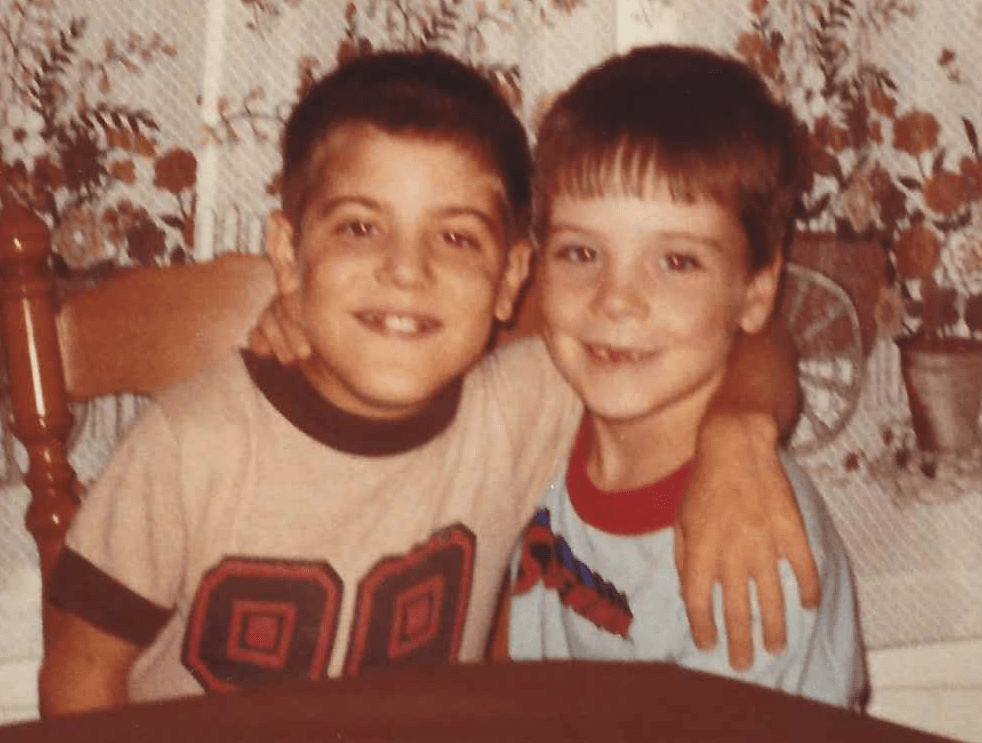
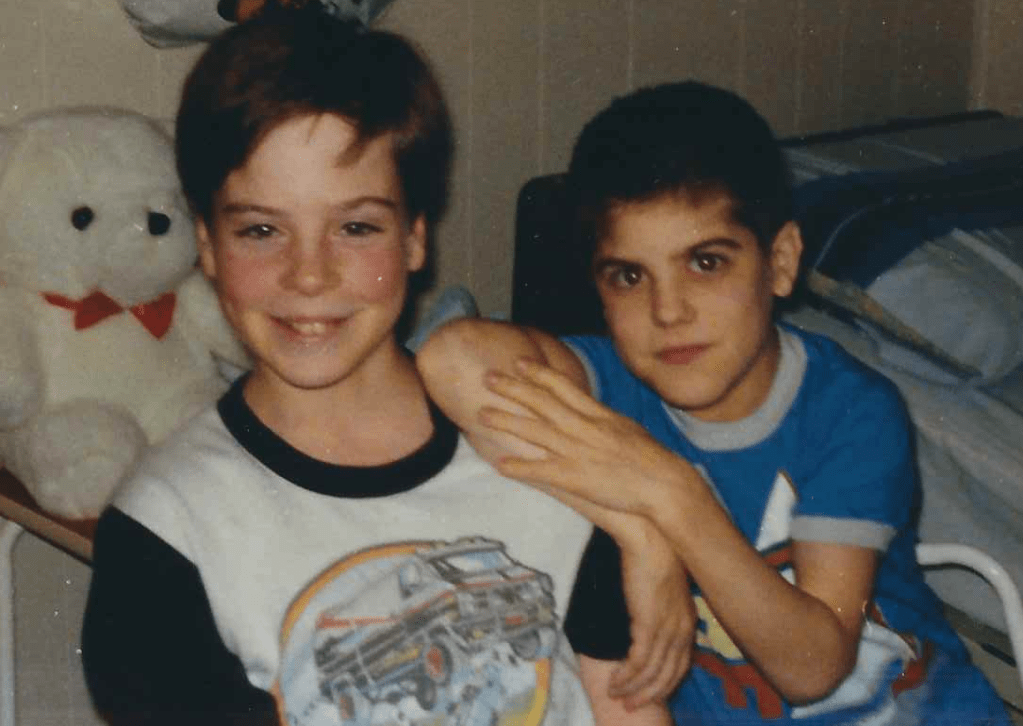
My brother and I. He was 12 in this photo, believe it or not.

Today is always a bit of a difficult day for me. It’s my brother’s birthday. Born on December 3rd 1972, he would have been 48 years old today, had he lived. Born with both kidneys in failure, epilepsy and fanconi syndrome (Google it!), he didn’t survive to see his 19th birthday. Despite all his health problems and constantly riding the rail between life and death, he was always quick to a smile and always ready to tell his family he loved them.

I was 11 or 12 years old when my brother passed away. They say that when someone loses a limb, they’ll often feel pain in that limb. Like a phantom pain, gone but still felt. This is how it’s been for the past 29 years. My brother may be gone but I feel the pain every day, like a phantom limb. Gone but never forgotten. Happy birthday, bro. ☯

Fat Chance, Y’all!

I always get a bit leery when tackling this subject. Not only has this particular topic long been incorrectly associated with Diabetes in its various Types, but given modern society’s penchant for body positivity no matter the shape of the body, it can make navigating the terminology in a diplomatic way a touch difficult. It doesn’t help that we live in a society where even something positive is usually interpreted as offensive. But on to the topic. I am referring to body fat.

From a body positivity standpoint, I agree 100% that a person can be on the heavier side and still be beautiful. And it’s important to understand and encourage that body positivity, so long as it doesn’t jeopardize one’s health. The issue I usually see is when someone who has excessive body fat or is obese, being encouraged to accept their body and it’s size and just kick their feet up and ignore the problem. No. This is incorrect. And dangerous. And now, I’m going to provide some explanations as to why.

First of all, body fat is important to the human body. Fat, in and of itself, is considered to be the stored energy source of the body. In other words, when your primary source of fuel runs out, the body taps into fat stores to keep you running until your next meal. Fat accumulation takes place when the amount of calories you take in exceed your body’s requirements. The body then stores the excess for later consumption, hence weight gain. There can be other causes for weight gain, but that’s the gist.

There’s no such thing as “Big Boned”

But your fat stores are intended to be a happy medium. Too much fat on the body can lead to cardiovascular and circulatory problems, damage the joints and cartilage of the body as well as possible metabolic issues. On the flip side, the human body can’t survive WITHOUT body fat, since it contributes to proper immune system health, energy balance and prevents starvation in instances when you can’t/don’t take in enough energy.

An article posted a few years ago by Freeletics.com states, “Too little body fat can cause deficiencies of fat-soluble vitamins, which your body can only absorb with fat. Another important factor is the risk of increased disease like heart disease, gastrointestinal problems, damage to the nervous system as well as the risk of organ shrinkage and an effect on your immune system.” The bottom line is that humans need fat in order to live. But it’s how much fat we allow to be stored on one’s body that is the issue.

It’s important to accept oneself as they are, but you excess weight can be detrimental to one’s life and health. The first step is to do SOMETHING. ANYTHING. Get off the couch and move. Even if you start with a simple walk and continue on from there, anything is better than nothing. Body fat doesn’t affect one’s personal beauty, inside or out. But fat can and will affect one’s health. And that’s where it becomes a problem. Proper diet and regular exercise are the best weapons. But bear in mind that certain medications and existing health conditions can also contribute. Be sure to speak to your doctor or medical practitioner if you feel there may be something hindering your weight-loss efforts. ☯

Don’t Fall Asleep While Reading This…

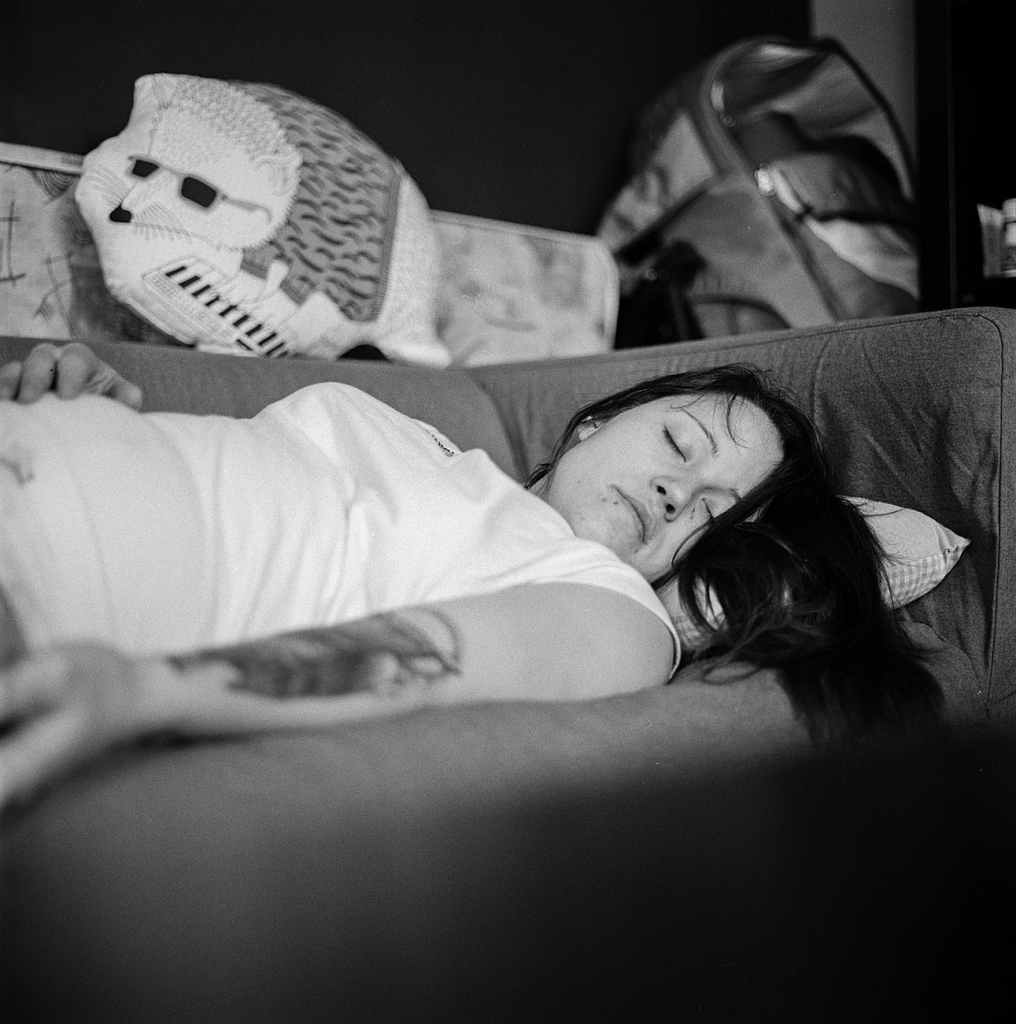
Naps are awesome. In many ways, I prefer napping over a nighttime sleep. If you think about it, going to sleep at night is a requirement. You’re basically forced to put yourself into a state of unconsciousness for seven to nine hours every night in order to maintain your health and keep from going insane. The how’s and why’s behind that can be a post for another day, but my point is that napping is a choice (mostly). It just fells cozier. And one usually makes the decision to curl up on the couch or lounger for an hour, or even a single bed, which is conveniently in your living room because you no longer have a room in the basement. But I digress…

There are a number of potential benefits to grabbing a quick snooze. According to an article I read on The Mayo Clinic‘s website, napping can help with relaxation, reducing fatigue, increasing alertness and improving mood and performance. Considering that many people find themselves stuck at home day after day in recent months, the possibility of adding naps into one’s daily routine is a definite possibility.

Given that my 6-year old son goes to school five days a week and we have an infant who typically naps twice a day, my wife and I have fallen into a routine where we usually join him on at least one of those naps. Problematically, it has gotten to the point where we experience pretty hefty fatigue towards the dinner hour if we haven’t managed to get OUR nap in, which can be a bad thing despite the benefits of napping.

I’ve checked with a number of different sources and leaned on all my usual go-to’s (WebMD, HealthLine.com and The Mayo Clinic) and they all pretty much make the same recommendations:

  1. Don’t nap for long durations: If you nap long enough for it to start looking like a full night’s sleep, it’s not napping anymore. Most sources recommend no longer than 30 minutes to an hour, with one post indicating no longer than 20 minutes. Screw that noise. And hour is normally my preference, otherwise I feel there’s no point;
  2. Don’t nap past 3pm: This is a tough one for me, because I have a tendency of sitting on the couch in the late afternoon and suddenly BAM! I’m out like disco. But napping past 3pm may interfere with the upcoming nighttime sleep;
  3. Nap in a restful environment: Ever try to nap in an airport while awaiting a flight? I have! It usually results in waking up feeling like a bag of smashed ass, coupled with severe bodily pain due to those uncomfortable termination seats. Travelling is one example of when one may not have a choice, but if you’re napping at home, be sure to do it in a calm, quiet, restful environment.

Having a nap can be a an effective way of boosting work performance and improving your chances of furthering your career. In fact, an article posted by the Japanese Times (I couldn’t find the damn article again in order to link it) explains that a growing number of Japanese companies are making possible for staff to grab quick snoozes at the office in order to help manage their health and improve productivity.

Of course, the average Japanese employee only sleeps about six and a half hours a night, so there’s that. But I certainly wouldn’t object to having a sleep pod in my office in order to close my eyes for thirty minutes over lunch. That would certainly help get me over my usual afternoon slumps. But the Japanese have turned to creating nap rooms and having sleep pods in their break rooms. Innovative bunch, those Japanese. I mean, hey, they created karate, so that was a foregone conclusion…

Naps are okay. They don’t mean you’re lazy and they don’t necessarily mean you’re lacking sleep. But they are a good way to plan ahead and stave off the effects of “expected” lost sleep, especially with things like shift work or getting up frequently with babies. But if you find yourself in a situation where you simply CAN’T get through the day without sprawling for a couple of hours, you may want to consider speaking with your doctor about it. Certain prescription medications will not only make you groggy but could potentially be interfering with your nighttime sleep, resulting in the requirement for a nap.

Consider also, that if you have a genuine sleep disorder such as insomnia, night terrors or depression to name a few, it can leave you feeling exhausted the following day. One should also avoid the boomerang effect where you don’t sleep well at night so you nap, which results in a bad nighttime sleep. Wash and repeat. Now if you’ll excuse me, I need to wear out the baby so he’ll go to bed. Daddy needs a nap! ☯

Push, Improve, Self-Motivate…

I grew up around a lot of ‘roid heads who would constantly pound their chest and brag about their athletic prowess. The joke is that many if not most of them would go to practice once a week and call themselves an athlete. Considering that my home town is in Northern New Brunswick, that usually involved hockey. Hockey and I have always had a bit of a love/hate relationship. Maybe it’s because they always thought they were the kings of the school. Maybe it was because many of them became bullies. Maybe, just maybe, it was because most of them made fun of karate but were still crazy enough to try out…

By the time I had improved and progressed enough that I was starting to teach newcomers, I had the pleasure, cough, cough,… I mean the responsibility of showing these bulky bastards why karate may not be for them. Not all of them, mind you. Just the ones that were known to be bullies. Sensei had no tolerance for that shit and I had even less, especially since I had at some point been the object of their bullying attention. But I’m digressing pretty bad, since the subject of today’s post isn’t bullying. I’ll save that one for another day. Today’s post is about calling yourself an athlete when you go to a one-hour practice, once a week. That thing.

Karate, and in fact martial arts in general, is a very special creature in terms of the kind of commitment you need to provide. If you show up to karate once a week for a one and a half hour practice and then call it a week, you may CALL yourself a martial artist but you’re a far cry from what that term really implies. One of the most important aspects to learning martial arts properly is showing up for every class. Early. And every time.

I remember a particular summer, I think it was 1995. I was 17 at the time and had my own vehicle (self-purchased, thank you very much). It was a particularly hot summer afternoon and a few friends and I decided to grab a swim in a location known to us as the south-east forest. There was a cold river with running water, which was perfect to fend off the summer heat. We had gotten there in the late afternoon and had a blast. Swimming, laughing and joking around, it was the very picture of what a teenage summer should involve. Then, I checked the time…

I noticed that karate class started in about an hour and a half. It would take about a half hour to get home and grab my gear, followed by fifteen to twenty minutes of travel time to get to the dojo. Pair this with the fact I always tried to be in class at least thirty minutes early to stretch, warm up and assist white belts, it made for a sudden urged panic to leave the river and get going. My friends were not impressed. In fact, the girl I was dating at the time was visibly angry at the fact I was cutting the pleasant outing short, just to go to class. The worst part is she was in karate as well. Go figure.

Consistency and commitment are key. This applies not only to karate but to all martial arts and in fact, any sport or hobby you choose to undertake. When I moved to Regina and joined the local Kenpo school, I made a point of attending every class even when it felt tedious, the classes may have been boring or not in keeping with what I wanted to be working on. And that’s what it takes to be a martial artist. You have to be consistent and show up. Every class. Every time.

I have no regrets. I know that a lot of the people I knew spent their free time out with friends, drinking and partying, enjoying their youth before the rigours of adulthood dropped a weighted veil across their eyes and stunted their freedom. I chose to spend my evenings training and building myself up. In a lot of ways, I believe that had I failed to do so, I might have succumbed to Diabetes a long time ago.

Sensei’s classes had a very specific way of running. Students would show up thirty minutes before class, stretch and warm up. Then, the class would be two hours. TWO HOURS! No water breaks, no washroom breaks, no checking your damned cell phone! Your ass was grass from 6:30 pm until 8:30 pm. Some beginners were permitted to leave at the one-hour mark, but all the same restrictions applied, regardless. When class ended at 8:30, many of us would stay in class for at least another thirty minutes, asking questions and practicing techniques.

The most committed of students spent a minimum of three hours in class, three times a week. This was paired with jogging, cycling, weightlifting and practices on the beach on our own time. We were true knights of the martial way. It was glorious. Hey, that sounds like it would make a great movie intro. But seriously, it’s a far cry from the students I see these days that walk into the dojo a minute before opening of class, finishing their Tim Horton’s coffee and chatting on their phone, muscles cold and lagging as they start. It’s a sad state of being. You gotta be committed. Every class. Every time. ☯

Fanconi Syndrome

Okay, so I’m going to take a slight break from harping on Diabetes today. Instead, I’m going to focus on something that was a primary concern for my late, departed brother: Fanconi Syndrome. When I mention this condition, most people have no idea what I’m talking about. And to be honest, it wasn’t until a couple of years ago that I researched it and came to know a little bit about it. I still don’t know the specifics, but I know enough to understand how it relates to my brother. And here’s what I know…

Fanconi Syndrome is a condition related to renal failure. It involves the body’s inadequate reabsorption in the proximal renal tubes of the kidney. There are several underlying reasons why this would occur, INCLUDING renal failure (which was my brother’s issue), a side effect of another disease or adverse drug reactions. Despite this, Fanconi Syndrome can be acquired but it can also be congenital or inherited from a parent who carries the gene.

Since my brother’s biological father was never in his life, I’ll never know if the fucker was responsible for that aspect of my brother’s suffering. There isn’t a whole lot one can do to treat Fanconi Syndrome. Majoritively, it’s treated with medications that replaces the lost elements through one’s urine, including bicarbonate. And since my brother suffered complete renal failure at birth, he kind of faced a chicken and the egg situation.

You can certainly lean on WebMD and Healthline.com for more specific information. I simply wanted to touch on it, since associates of mine asked the question. And it gives me a break from writing about Diabetes, which is always nice. ☯

Pardon Me, Can You Pass The Gas?

Once in a while, I like to tackle subjects that most people seem to believe are taboo or off-limits. While I don’t tackle the most extreme of topics, I tend to cover subjects that some consider shitty… But the truth is today’s post is about something everyone does: Passing gas. In fact, NOT doing it can lead to health complications, including abdominal distension, painful cramps and even reabsorption of gasses into your circulatory system, resulting in the gas being expelled through your breath. Yeah. Gross.

Whether on an elevator, in a cramped room or an office setting, passing gas can be awkward, embarrassing and is mostly considered rude. But one of the most embarrassing and often avoided environments is in a workout setting. In the gym or the dojo, especially in yoga class, passing gas is considered a big no-no. But this is one the places it’s likely to happen the most. And here’s why…

First and foremost, there are lot of reasons behind why flatulence happens. In general, it’s a natural part of the digestive process as gas tends to build up during the breakdown of food. There can be some bodily issues that cause excess flatulence, but this is generally the main reason for it. When you work out, there are two issues that can cause excess gas. Heavy breathing during an intense workout can cause you to swallow air. This air is then expelled through the digestive tract in the form of flatulence. If you’re lucky, it may only be a burp. But let’s be honest; who’s ever lucky? The second issue is that all the stretching, twisting and exertion will cause excess air in your system to be squeezed out.

Another aspect is that proper exercise will cause your digestion to work as well. So it may simply be good old fashioned gas. And the last detail to remember is that heavy weightlifting causes the damage and breakdown of muscle tissue in order for them to rebuild, bigger and stronger. And much like any breakdown process in the body, it will create gas. There are plenty of other reasons, but I’ve probably grossed out everyone enough for this week. So feel free to hit up WebMD, HealthLine.com and Men’s Health for more information.

The important thing to remember is that unless you’re intentionally crop-dusting someone, passing gas is natural, normal, happens to everyone and is a necessary function of the human body. There’s no getting around it. So don’t be surprised if you feel the urge to burp or pass gas during your next heavy workout. ☯

Paper Isn’t Just For Airplanes…

I remember my first job. I was just a kid, not even old enough to drive. I had started collecting comic books, which weren’t cheap. That being said, I realize that they cost a fortune today by comparison. But I was starting to come into my own and wanting things that my parents felt shouldn’t just be given, but earned. So, I did what any fastidious kid in my position would do: I went to Service Canada and not only looked for a job but enlisted some help in drafting a resume, despite the fact there was next to nothing on it.

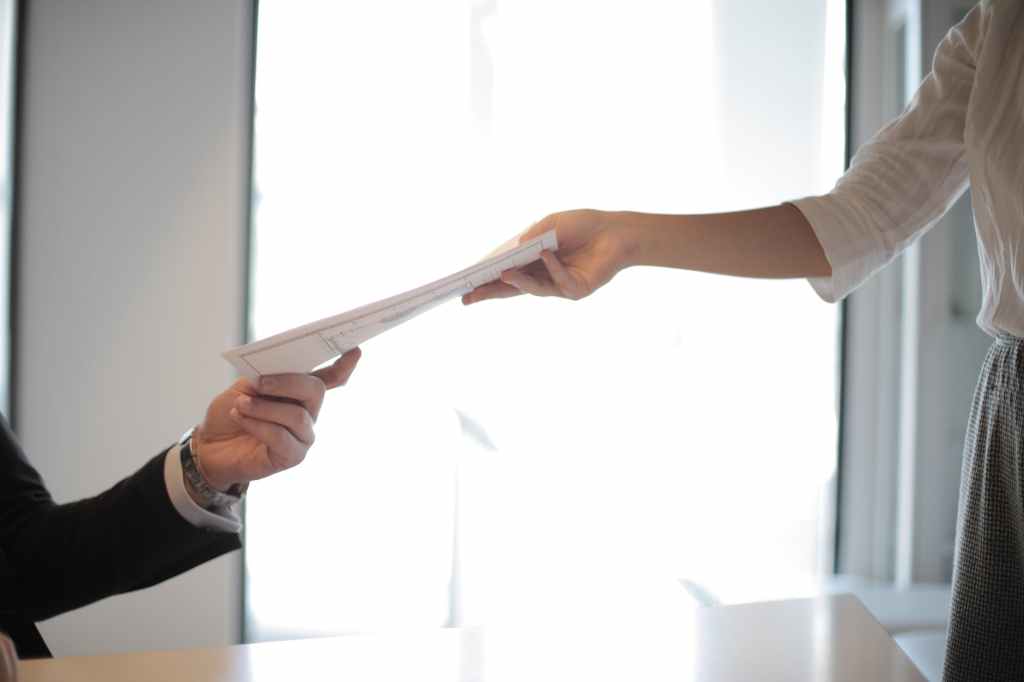
Decades ago, applying for a job required some personality on one’s part. Walking into a physical location, smiling and shaking hands before handing over the coveted document that would lay the baseline for the employer as to WHY they should choose you was the key element in not only securing an interview, but ultimately getting the job. That first interaction would allow a potential employer to see who you were as a person, even before sitting you down to ask questions relating to the job. Oh, how times have changed…

That first summer led to me acquiring a job digging trenches for sewer lines. Yeah, you read that right! At twelve years of age, I was shovelling dirt as a summer job. The labour laws of the time were, shall we say, a touch less strict. Considering my parents had just discovered my involvement in karate and I had to start paying my own way on things, I couldn’t afford to be choosy. And it was excellent exercise anyway.

That first job led to a permanent part-time job throughout the school year where I worked for the catholic church collecting used bingo cards every Thursday night. Except for getting the occasional bingo dabber stain on my fingers, it was pretty easy work and earned me ten dollars every week. That may not seem like a lot, but it paid my monthly karate tuition and kept me in comics.

Getting interviewed was always a nerve-wracking experience. Sitting across a desk from a potential employer who would ask you all sorts of questions that, although professional and pertaining to the job, could often seem a touch on the personal side and maybe even invasive. Some interviews that I’ve sat through have even bordered on the rude side. For example, wondering if you’ve ever been convicted of a criminal offence for which a pardon has not been granted is a pretty standard question for an interview and/or on an application form. But having a stranger verbally ask you, “Have you ever committed a crime? Ever? Tell me!” can be a little unnerving.

But there’s no better feeling than having an interview go well, getting to know your potential employer as they get to know you and allowing you the chance to explain why you’d be a fit for the job. That smile and handshake, followed by an affirmation that you’ll be a great fit or a phone call later in the day indicating the same thing would make it all worthwhile. But this doesn’t seem to be the standard of how things are done anymore.

These days, walking into a physical location and asking to see a manager is a futile move. If and when the manager is available, they’ll usually tell you to go online and apply on the company’s website. Very few places carry paper applications and even fewer bother with accepting a resume. All that stuff is done online. It takes away the human aspect of introducing oneself and shaking hands (although such things are currently a no-go anyway).

Once you’ve completed the online application process, you’re general faced with a structured interview that contains pre-scripted questions. The problem with this is a that such interviews, especially panel interviews where you’re questioned by multiple interviewers, also takes the human aspect out of the interview and really don’t allow a potential employer the benefit of getting to know the applicant. In truth, how can you hope to know if an applicant will be a good fit for your company without getting to know them?

The job industry is made all the more difficult by the fact that even your basic, minimum wage jobs that only require a hand and a heartbeat still require an exorbitant number of hoops to be jumped through. Having a decade or more of experience in a related field is still treated with suspicion and scrutiny and most of the time, it may be for a job that’s below what’s financially required of one’s household since, as is usually the case, everyone starts at the bottom.

Gone are the days where applying in person and having a positive attitude were enough to get you a chance. Should you be unfortunate enough not to be tech savvy or knowledgeable on the use of computers and navigating the workforce online, you either need to throw yourself on the mercy of someone who knows how or find yourself wanting. Although technology has brought us a long way towards progress, it’s also harmed us in others. ☯

When The Baby Becomes A Little Man

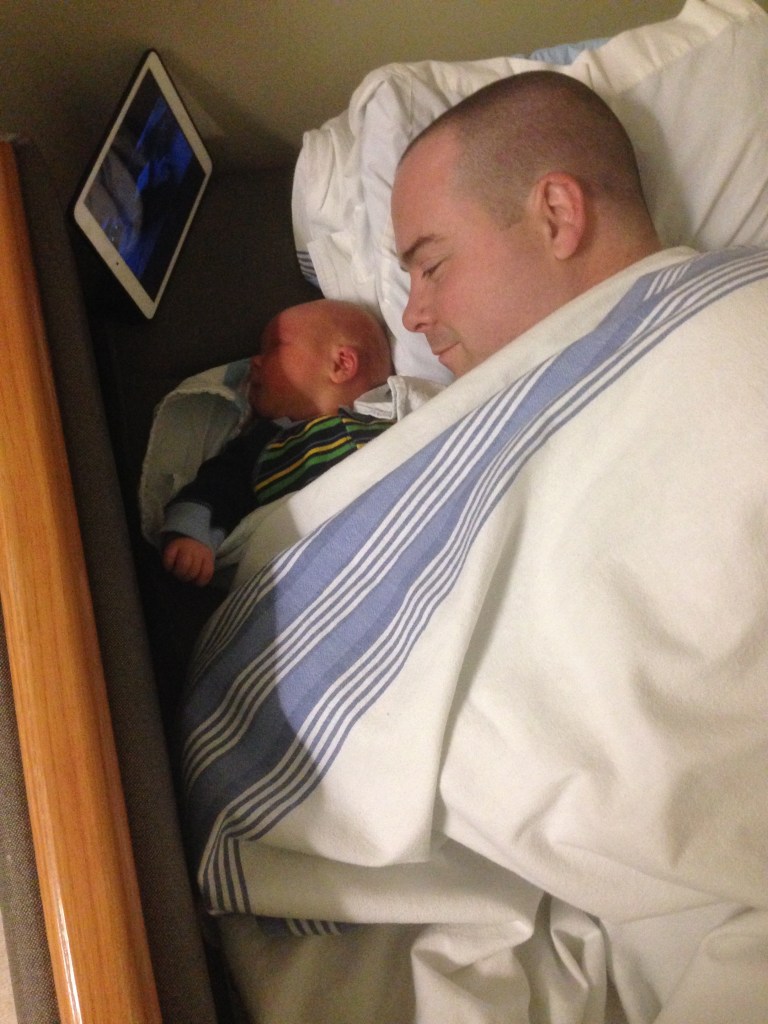
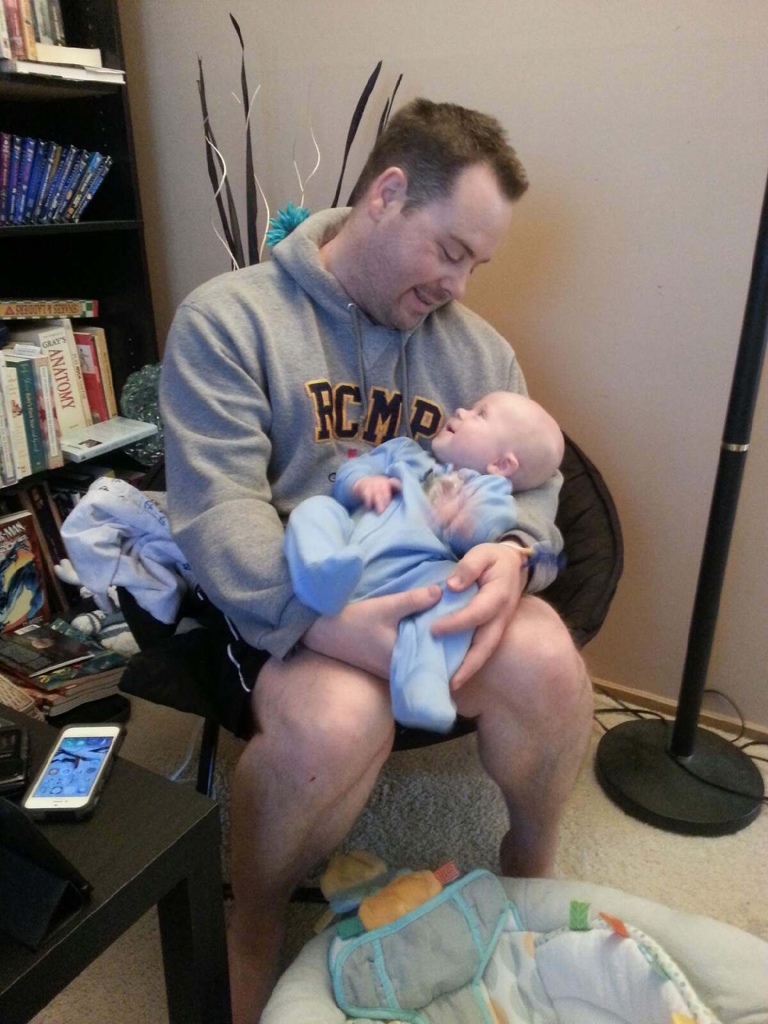
Nathan and I, a week after his birth

In 2014, my wife and I performed something akin to a miracle. We gave birth to our son, Nathan. Born in the early morning hours of November 26th at Cypress Regional Hospital in Swift Current and named Nathan David Peter Cook, he came along on the promise of defeating yet another obstacle that Type-1 Diabetes had presented in me. His birth was a long process, having started the previous day. But when he finally arrived, he proved that even a chronic condition such as mine can be overcome. He not only represented a piece of myself, but hope.

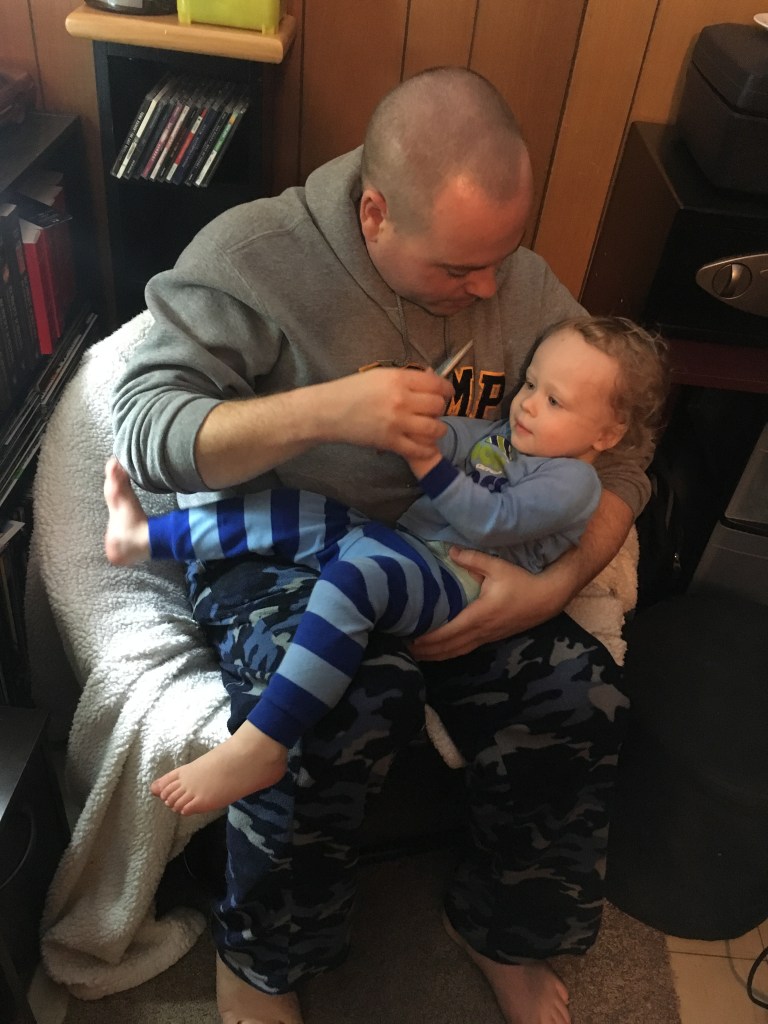
Nathan and I in 2015

Although not necessarily proven, men with Type-1 Diabetes with usually face fertility issues, altered and damaged DNA as well as neurological damage; all of which can make the conception of a child difficult, if not impossible. I had lived through most of my 20’s confident that I would never sire any children, even if no doctor in New Brunswick would help confirm my fertility until “you and a stable partner have been trying to conceive” for some time, first. Total bullshit.

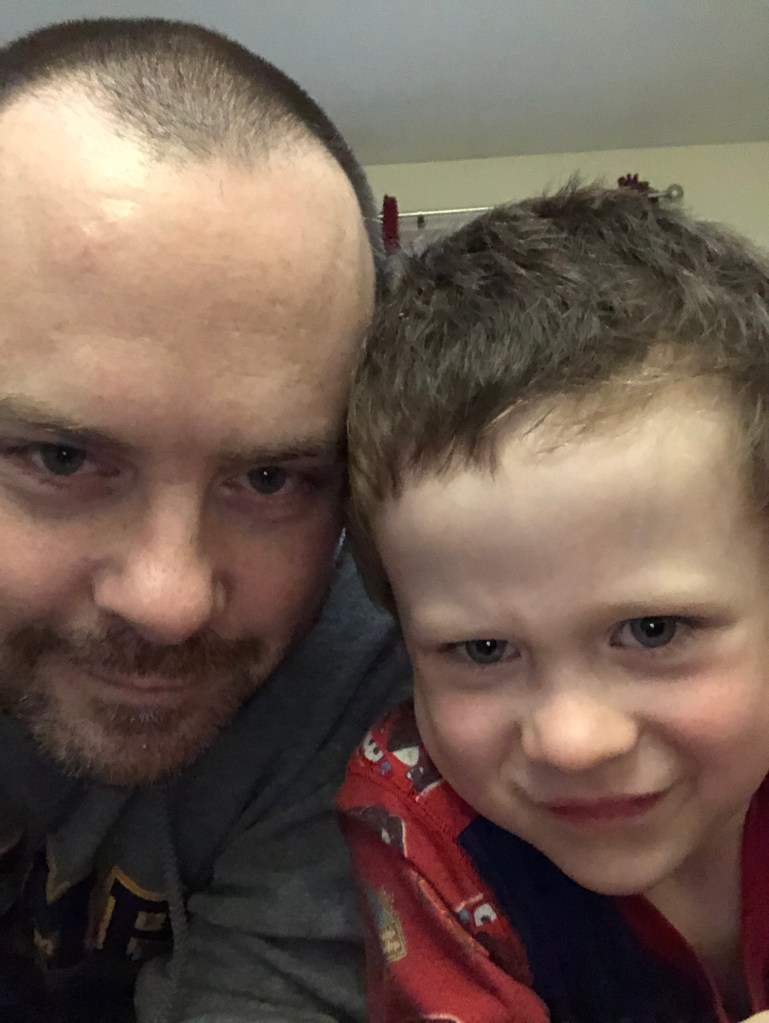
Nathan and I in 2017. Funny how our hairstyles reversed over two years.

This was a problem because since I HADN’T met the woman of my dreams yet, I also wasn’t ready to conceive children. But many (if not most) adult relationships can be defined by the decision and/or the ability to bear children. Such information would definitely be an asset when establishing those potential relationships. A fact that made it all the more heart-breaking when I couldn’t get the help I needed to secure that information.

When I met my wife and the subject of a family was considered, I was lucky enough that my wife was understanding and knew what she was getting into. A lesser woman wouldn’t have understood and wouldn’t have been as accommodating as she was. She has a strength she isn’t aware of. But that lack of awareness is what makes it a strength, I suppose. We were happy with each despite the prospect that we likely wouldn’t have children.

Nathan and I in 2020. All attitude, just like his daddy!

Since his birth and my refusal to leave his side at the hospital, Nathan has stuck to me like glue. He’s been my shadow and has quietly followed my every move since the doctors put him in my arms. Although he drives me nuts on the best of days, he has a spark of life that reminds me that there are more important things in life than perfection. There are more important things than money, accomplishments and time. As he’s often told me himself, “you can’t say no to love.” And the only other person who could show me more unconditional love than his mother is Nathan.

Today is Nathan’s 6th birthday. It seems as though that semi-sleepless night in late 2014 was a lifetime ago. Since then, he continues to amaze me with his intelligence, his stubbornness and his wantonness to seek out nature and absorb everything he can. Never lacking a question, the entire world is his classroom. Although not practical from a “structured” educational perspective, I know that his curiosity will never waiver. It will carry him far. No matter my failures, he is my greatest success, my greatest accomplishment and my best hope for the future.

We recently had Nathan tested for Type-1 Diabetes. My greatest fear is that I would have passed my condition on to my children. Believe me when I say that there is no greater feeling than knowing that his metabolism and immune system are clean and he shows no signs of Diabetes, Above all else, this is likely the best gift I can give him.

As you read this, Nathan is at school, likely bragging to everyone who will listen that today is his birthday and repeating the number 6 until people are sick of hearing it. When he gets home, he’ll be greeted with cake, gifts and his choice of favourite supper (he chose shepherd’s pie). I don’t know what the future will bring; I’m no oracle or prophet. But I know that if Nathan continues on his current path, he’ll no doubt forge a way through life that no one else has considered. And I can’t wait to see the outcome, should life will it so. Happy birthday, son! ☯