
One of the questions I get asked most frequently when karate comes into the conversation is, “Does that stuff really work, though? Like, push come to shove and in a real fight, does karate really provide you any benefit or advantage?” The easy answer is yes, yes it does. The explanation behind it is a little more in-depth and significant and may not be able to be covered in one post. But there are some integral differences between what you may have seen on screen (movies & television), what you may have seen in the dojo and what actually happens in the street. And that’s what I’m going to try to cover in today’s post. Not so much the question of whether it works or not. Rather, the differences between environments and why they matter. AND why you should focus on continued training to bridge those environments. But before I branch off on too many tangents, let’s get on with it, shall we?
Let’s start with the portrayals of fights on the big or small screen. Now, I’ve written entire posts about this in the past, and there’s nothing that irks me more than when someone asks me if I’m as good as any given action star that they may have seen in the latest flick. And don’t get me wrong; I LOVE a good action movie and despite knowing the ins and outs of empty hand combat, I enjoy the fights and the action scenes as much as the next person. However… What’s important to bear in mind is that the people you see portrayed on the screen, engaged in beating the living shit out of each other, are actors, not fighters. And that twenty minute fight sequence you just wet yourself over was likely filmed over weeks, not minutes. In reality, such a fight would rarely, if ever, happen. The reason for this is quite simple; the human body can’t take it. The average real fight that takes place on the street will usually last somewhere between two to ten minutes. That’s it. By that point, one of two things will happen. Either one of the combatants will take a solid punch to the head or some other soft area, which will end the fight. OR, they’ll end up on the ground, grappling and struggling with each and both combatants will lose steam.
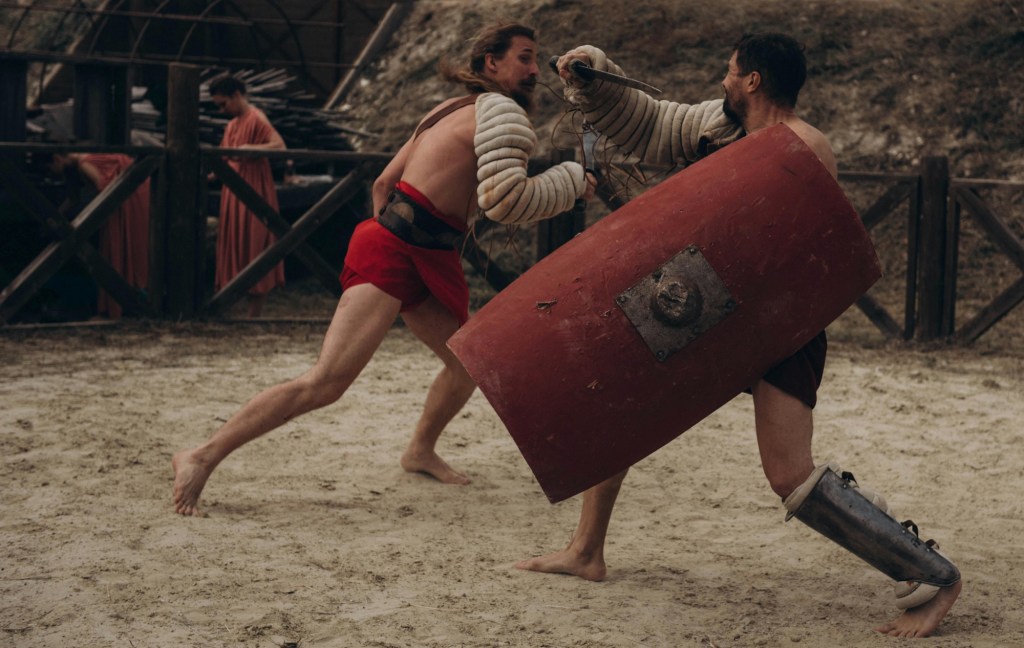
One can hardly blame the film industry for this approach. After all, it would be a big middle finger to the audience if, after sitting through a two-hour long film and waiting for the climactic fight at the end, the protagonist and their opponent fight for two movies and either get knocked out or gas out and give up. It would rather spoil the movie, right? It sure would, but the unfortunate after effect if that people believe that shit. Most folks genuinely believe that a trained fighter can hammer through and fight full tilt against an opponent, often a superior one in the movies, for thirty to forty minutes and actually come out successful. There are some exceptions, where organized fights like boxing will last an hour. But this is usually in digestible two to three minute rounds with breaks in between. And even then, fighters train EXTENSIVELY to last for this periods. I think it was Mickey in the Rocky movies who explained it best. I believe he said, “for a 45-minute fight, he has to train for 45,000 minutes.” This is just to build up the stamina and endurance to last for those multiple rounds. And you get the benefit of sitting, resting, sipping water and being tended to. None of those advantages will exist in the street.
Next, let’s discuss the dojo. Now, here’s where I get a little more particular, because I’ve spent the majority of my life (more than 75% at this point) training in various dojos and formal training halls. A dojo has structure, discipline and tradition. From the moment you step into the dojo, it all hits you. You must remove your shoes and bow as you enter. You may not step on or off the mats without your Sensei’s permission. Stand in a straight line at attention. No food or drink in the dojo. Obey all instructions and do as I say, not as I do, are common elements in most traditional dojos. When casual passerby’s are watching a class train in the dojo, they’ll often see drills, katas and structure where it would be reasonable to ASSUME that none of it would apply in a real fight. Guess what? They’re right… I should probably explain that a little bit better. For the most part and for the majority of what you may see in the dojo on any given night, all of those formalized movements and exercises are intended to develop structure, framework and muscle memory.
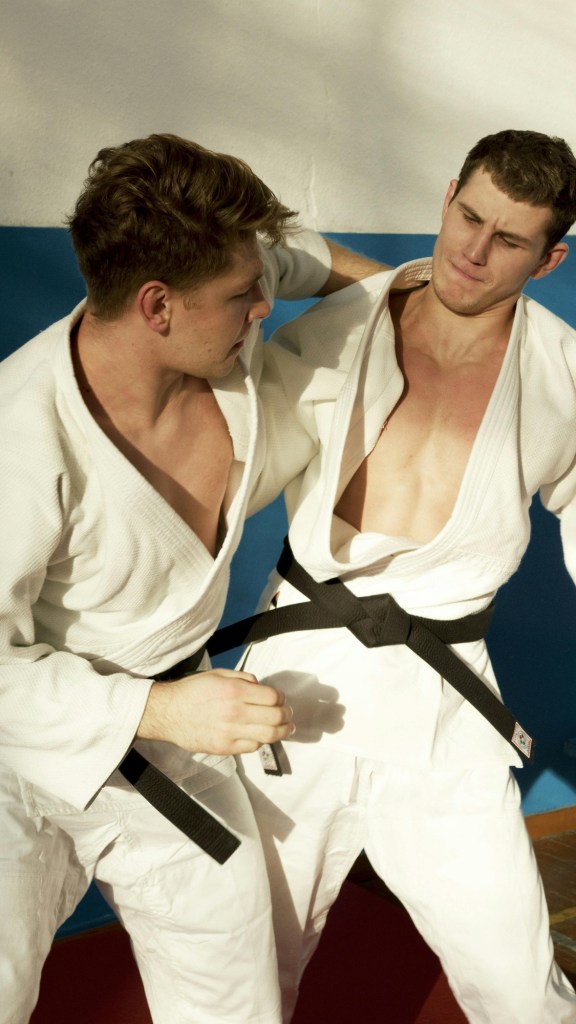
Generally speaking, the majority of this training is meant to build the foundation on which one’s martial arts prowess will flourish. what that means is, you likely wouldn’t use a particular stance you see in a kata during a real fight. But all of those steps and stances develop your legs and techniques to allow the proper flow of what you WOULD end up doing in order to defend yourself. While some of it may look strange and possibly useless when watching it, every step, every movement and every technique taught in the dojo is just one more piece of the overall puzzle needed to develop one’s martial arts skills. There are some aspects of the stamina training I referenced higher up. If you don’t believe me, you may want to watch when a dojo has their students perched on their knuckles for 30 minutes or in a horse stance for just as long. OR when we’d spend almost an hour simply repeating the same technique, over and over, in order to ensure it was embedded into our muscle memory.
It’s safe to say that the dojo takes a significantly indirect approach towards ensuring the practitioner can develop and if necessary, use their skills to defend themselves or others. It’s not always neat or clean, and it almost certainly takes years, but the result is being functionally capable of offering some sort big defense against an opponent, when necessary. For myself specifically, I have never competed. Sensei didn’t believe in contrition or training for points. But I can tell you that in real life and on several occasions, both on the job and in my personal life, karate was leaned on to defend myself and others. I have a singular benefit of saying that I have never been overwhelmed by an opponent and I have my extensive training to thank for that. Don’t get me wrong, I’ve had the crap kicked out of me, I’ve had sprains and fractured ribs, even. Karate doesn’t make you indestructible, nor does it shield you from injury completely. The reality is simply this; if you fight, you’ll likely get hurt. How hurt you get will depend on how hard you train.
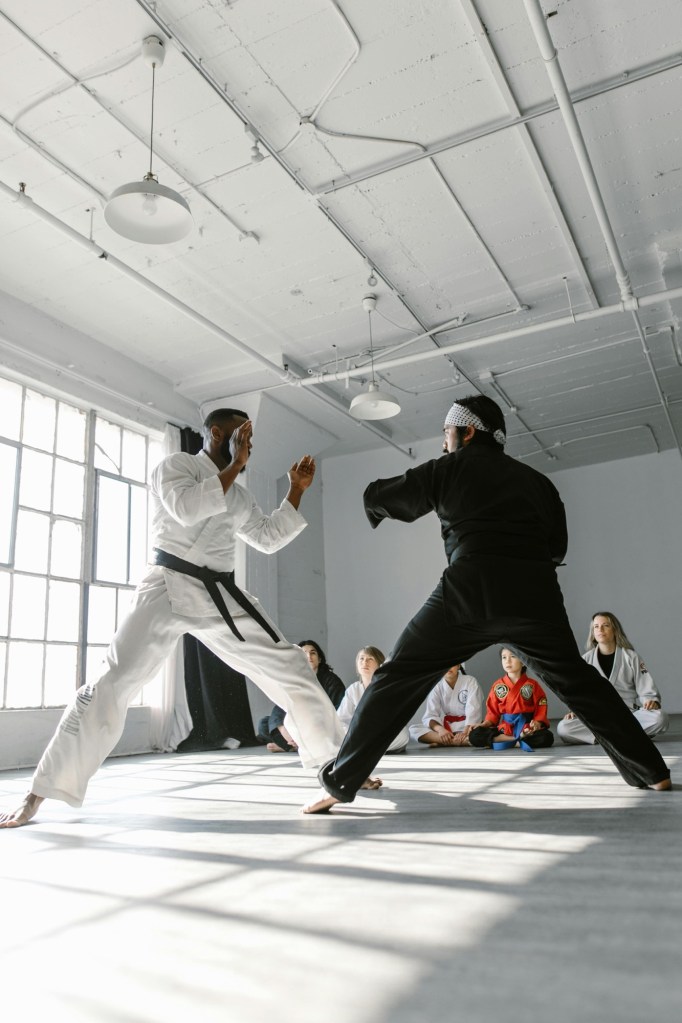
So, does martial arts work? Absolutely. Can one become proficient and carry it with them for the rest of their lives to defend themselves? Oh, fuck yeah! But how effective it’ll be will depend on how hard you train, how much you invest of yourself in it and how well you maintain yourself. This will mark the difference between walking away relatively injury-free, or suffering severe injuries. And that raises a good point. It may sound a little cliche, but a traditionally trained martial artist usually won’t WANT to fight. While some opponents will often view this as a sign of weakness or unwillingness to fight, most karateka simply acknowledge that unless there is no other choice, bringing significant injury to someone else, even if they’re an opponent, isn’t worth it. And if possible, it’s always better to walk away. Like any other weapon, just because you’re packin’ doesn’t mean you’ll pull it at every opportunity. Karate is no different. Food for thought… ☯️


