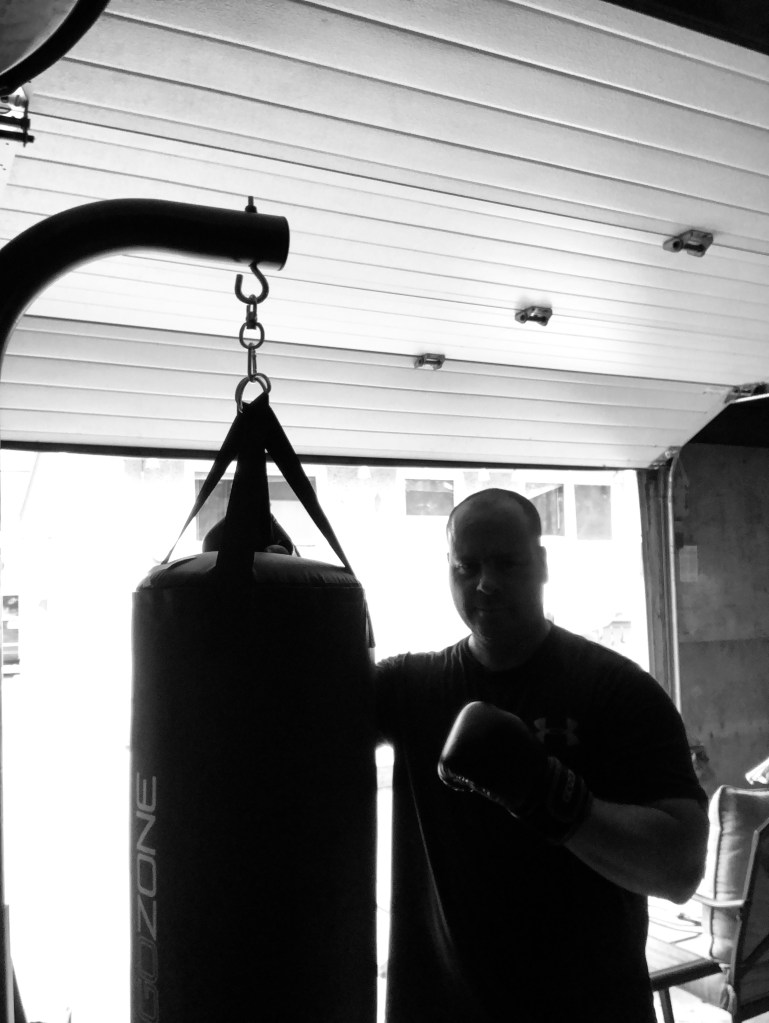
I like to think that I’m pretty good at paying attention to detail. After all, my professional livelihood has always depended on that very skill, so I usually make a point of noticing things even before I technically need to. However, something seems to have happened that I wasn’t even aware of. I appear to have exceeded 300 followers! I’m sitting at 303, to be exact.
When I started authoring this blog, I did so for two reasons:
To share pertinent information about Buddhism, Diabetes, Martial Arts as well as Health&Fitness as I knew of it; and
To grow my ability to write, research and express myself.
I like to think that I’ve easily accomplished those two goals. In the past two and half years, I’ve met some amazing people who write some amazing blogs. I’ve made contacts and helped to share the knowledge I’ve gathered from 38 years of managing Type-1 Diabetes and 32 years of studying Buddhism and karate (although the Buddhist aspect didn’t come along until a few years AFTER I started karate). It’s been an amazing and in fact, and unexpected pleasure in my daily life to start authoring this blog. And now that I’ve started, I don’t expect I’ll ever stop. It’s just too much fun and I find myself unable to shut up, so it works for me.
A big thanks for everyone who reads, comments and enjoys my blog. You keep reading them, I’ll keep writing them. And yes, I’m well aware that “300” is not a number worthy of celebration. But if it was enough for the Spartans to hold off the Persians (albeit temporarily), I’m comfortable knowing I already have an army behind me to keep this thing going. ☯
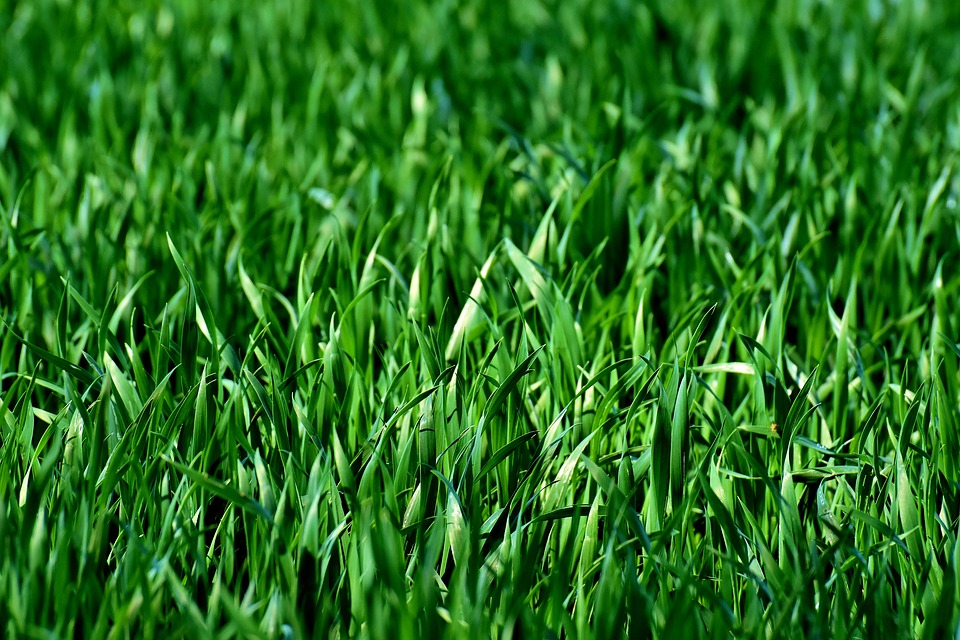
The grass is always greener on the other side. Is it, though? Humans are notorious for wanting what they can’t have, but they tend to be just as bad or worse for wanting what they DON’T have. It’s a pretty common reflex. If you want to purchase a particular vehicle that you’ve seen one of your neighbours driving, you may work towards getting it. But usually, soon thereafter you’ll see something ELSE and think, “Oh, wow! Wish I had that instead…”
Most of us have thought or felt this way, at some point in our lives. I believe the old school term is “coveting.” Although most people automatically think of the Holy Bible when they hear this term, it can easily apply to life in general. The problem is that modern life makes it likely that there will always be a “step up” from where you find yourself at or what you may possess. It shouldn’t come as a huge surprise that I’m a bit of a minimalist and could care less about possessions. But even I find myself in that same boat, on occasion.
It’s easy to covet what we don’t have. But once you accept what you DO have and appreciate it, life becomes so much easier and peaceful. I think it was Oprah Winfrey who said, “Be thankful for what you have; you’ll end up having more. If you concentrate on what you don’t have, you will never, ever have enough.” At least I think it was Oprah. It’s similar to saying that if you wait to spot the field with the greener grass, you’ll miss the whole train ride. ☯
“Appreciate What You Have, Before Time Makes You Appreciate What You Had.”
There’s an old saying that goes something along the lines of, Work to live, don’t live to work… Don’t quote me, and I don’t know where this originates from but it brings up an interesting line of thought. many people actually ENJOY living to work. Sensei used to say that if he genuinely enjoys what he’s doing, then it isn’t work. And if he gets paid for doing what he enjoys, then it’s icing on the cake. And that can be a beautiful thing. But it’s important to recognize that one needs to find a proper balance.
Most people refer to it as “work/life balance,” because it rolls off the tongue a little better. But I revered it to “life/work balance” in the title, because life should always come first. Even if it doesn’t care about your plans. And once again, I digress… Modern life no longer lets you get away with living life COMPLETELY off the grid and without a source of income and social resources. So for the most part, we need to make our peace with the fact that one way or another, you gotta get a job! (I hear my dad’s voice, booming in my head!)
There are no doubt some contrarians out there, who would argue that they know someone who spent their lives living in a cabin in the woods, off the grid and never had a need for money. I have to admit that such a life holds some appeal, but I would never survive since I require technology such as my insulin pump and medicine to go along with it. Eventually, these off-the-grid folks will need money in some way, shape or form in order to get treatment for grievous injuries or illnesses. But that’s hardly the point of today’s post.
The point is, you need to strike the correct balance between your work life and your home life. Depending on what you do for work, this can be superbly easy. You clock in, do your work and clock out. You may not need to think about work while you’re at home. But if you allow exhaustion and lack of motivation FROM work keep you from enjoying the aspects of life, then you still haven’t struck the right balance. You need to be able to enjoy your down time. AND you need to know how to “shut off” the work part of your brain. If you’re doing a puzzle with your wife but thinking of that proposal you need to finish writing, then you’re on the wrong track.
I can admit to being guilty of this, as my previous career showed me. Even when I was home, I was always “on duty,” unable to turn my mind off, sleep properly or enjoy my down time to its fullest extent. It can be harmful, and your loved ones can easily come to resent this behaviour, if left unchecked. So I guess the question is, what can you do to ensure that you find this proper balance? And how can you ensure that you maintain it? Lucky for you, I’m going to share some thoughts on that!
Have a routine. This is the spice of modern life, but most people don’t necessarily understand JUST how important it is. Having a specific routine, first thing in the morning can get your mind accustomed to the fact that you need to get moving. Whether you choose to start by sipping that first coffee and reading the paper or you prefer to shower, shave (for us guys), get dressed and wolf down that day-starting batch of carbs, staying consistent on work days will help you to have some very much-needed “get up and go.” When your work day is done, it’s also important to have a routine, for the opposite reason. It gets you and your body wound down for the night’s sleep ahead.
Do some stuff. This should be common sense, but if you flop down on the couch and do nothing once you get home, you’ll sour your energy, become stagnant and you’ll leave your thoughts open to contemplating the day’s work and potentially the following day. You want to be able to enjoy your free time. Play with your kids. Have a workout or go for a walk. Have a glass of wine and watch a movie. I often hear the siren call of naps and early sleep. But if you get a full night’s sleep anyway, you should work towards maintaining your energy for the awake hours.
Don’t work outside of scheduled hours. Sometimes, our plates can get pretty full and it can get away from us. For those of you committed to the work you do, it can be pretty tempting to bring your work home with you and try to catch up. This is significantly easier with current pandemic restrictions causing many office-based positions to be performed from home anyway. And working at home can feel more comfortable, since you’re among your home and your family. Things may feel less pressured at home, but it isn’t the office and you should save your home time for those things that are not related to work.
The bottom line is that unless you win millions of dollars through the lottery or inherit a fortune, the need to work isn’t going anywhere. And in truth, a job can be a fantastic means of expressing oneself and making a mark on the world. I often like to say that I’d continue working even if I won the lottery because I’d go out of my mind without something to focus my thoughts and skills on. Not to mention that I would potentially drive my wife nuts by being home around the clock. But the reality is that balance is when you clock out and head home at the end of the day, leaving the “work” behind to be picked up again tomorrow. And steer towards the “life.” There’ll always be work to do. But life doesn’t last forever. ☯
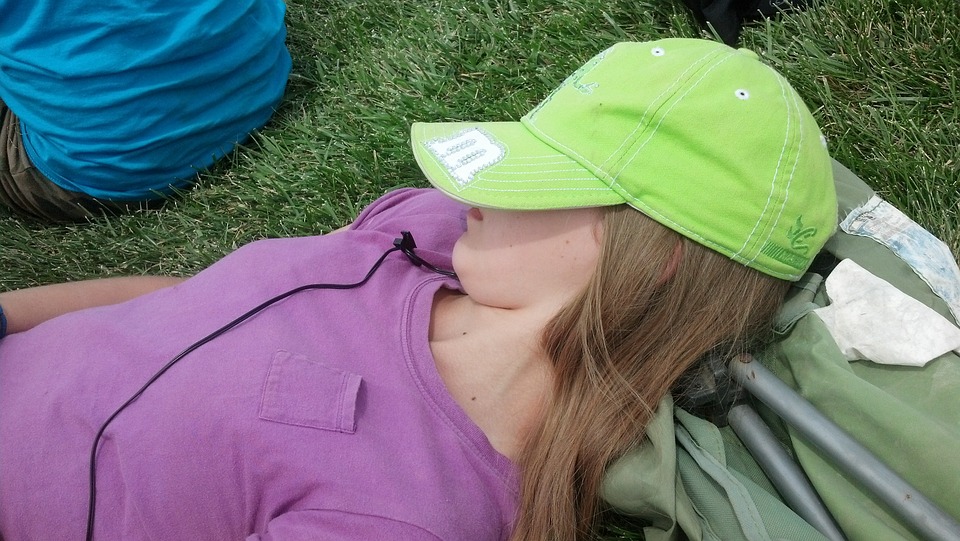
Sleep and fatigue are always “top of the list” topics for me, especially since Diabetes and various other issues have seemingly kept me from proper nights’ sleep for decades. It was even more difficult through my teen years, when my body seemed to turn against me in every possible way. I remember finding myself unable to keep my eyes open in class, and would usually roll out of bed around lunchtime during the summer. Ah, those were the days.
But I used to get a lot of flack from my folks who would point out that they had the time to get out of bed and almost get a full days’ work done before I’d wake up. Often, attempts at getting me out of bed would go unanswered to the point that my mother would come check on me to ensure I wasn’t in some sort of Diabetic distress. That usually didn’t end well, considering I had some pretty tight-wound martial arts reflexes by the time I reached my teens. But I digress…
In general, people tend to consider teenagers “lazy” when they reach the stage in their growth where they seem to always be tired, lack enthusiasm and motivation to do much and always seem to be moody and temperamental. As with many things in life, there are two sides to every coin. In my case, this included the Diabetes side and the non-Diabetes side, making it all the more difficult than usual. Even from the non-Diabetes side of things, there are reasons why teenagers seem to hit an “energy slump” through their formative years.
According to an article posted by The Mayo Clinic, one of the reasons why a teenager may feel tired throughout the day is because their circadian rhythm gets scrambled by puberty. Circadian rhythm is the internal clock that controls our sleep cycles, hormonal changes and appetite. That’s why we always refer to teenagers as going through “changes,” because their circadian rhythm is all over the place, causing their bodies to delay when they get sleepy.
Another issues is that teenagers tend to rebel when they reach this part of their lives. The general consensus is that it’s better to stay up late when all the action happens and sleep late into the day. The latter part of that previous sentence rarely happens, with the need to get up for school, sports and jobs getting in the way of their sleep-related plans. And believe it or not, teenage bodies require approximately 10 hours of sleep, every night. And since teenagers very rarely get that much, they’re often sleep-deprived.
I’ve written plenty of posts on sleep and what happens when you don’t get enough. Some of the more common side effects include loss of focus and concentration, irritability and mood swings. Sounds like just about every teenager I’ve ever met, myself included. Granted, I had a lot of Diabetes-related issues tacked on top of the list, which is what I’ll get to next.
Insulin is technically a growth hormone. So on top of one’s own stew of teenage hormones, I had the added benefit of competing with fluctuating blood sugars, incorrect insulin doses and dietary issues. Not to mention that I had stomach ulcers as a kid… Thinking you’d die before the end of your teen years will do that. That pretty much made me a mess, when I was a teenager. Obviously, I gained some augery of control through those formative years or I wouldn’t be here.
The lesson here is that if you’re the parent of a teenager, Diabetic or not, the whole sleepy and lazy thing is normal. It’ll pass within a few years but you need to be patient in riding it out. In reality, it’s not ACTUALLY their fault. Except for the lack of sleep. They could totally contribute to more sleep if they weren’t so stubborn as to stay up half the night. But there are plenty of things that you can do to keep your cranky teen on the straight and narrow.
Having them develop a routine and sticking with it, is a good start. And they should definitely be avoiding naps, especially long ones. Although it seems to be a more common trend in recent years, caffeine is a big no-no for teenagers as their bodies are still developing and the last thing they need is stimulants. Obviously, time outdoors and a healthy dose of exercise is recommended at any age. But as a teenager it can help to tire them out and encourage a better bed time as well as helping to maintain their health. Not all teenagers are lazy; most are just slaves to hormones. ☯
We often like to believe that the world as we know it is at its most chaotic and that things have never been this weird or strange. But in truth, things have pretty much always stayed consistent. In their own way. We generally feel like there’s been a measurable change in society because recent decades have opened a spigot on accepting everyone and everything, combined with a complete and total inability to process and accept criticism, judgement and opinions. It’s a toxic combination as it’s breeding a world where people can claim to be whatever they want (even if they aren’t that particular thing) and shame on you if you tell them different. Have you experienced this? I recently did and what’s worse is, it was with someone I’m actually acquainted with. I can’t imagine the further shit storm I would have faced, had I been a stranger.
One of the things that’s always lit a fire under me is how folks simply EXPECT you to know something about them. And of course, every situation is specific and circumstantial to the moment, but sometimes one needs to acknowledge that there has to be a bit of give to your take. A good example I can provide is from almost twenty years’ ago when I managed a restaurant. We had a gentleman who came in, almost on a daily basis. He was a bit older than I was and was usually accompanied by what appeared to be family. Nothing out of the ordinary, other than the fact that he was in a wheelchair. This was not a temporary thing and he had obviously had something happen to him, earlier in life.
Through coincidence and circumstance, I had never had the opportunity to serve him. Then one day, I did. I took his order, accepted his payment and held out his change, which he accepted. Then I made the apparently offensive mistake of offering to carry his tray to the table… Now, I totally get that everyone is on their own journey and we never know what they’re going through and so on and so forth. And that’s quite true. You never know what’s bubbling underneath the surface. But the way this gentleman reacted to me was disproportionate to the fact that I was simply making an offer to help. He took instant offence and became irritated, asking me how I dared to assume he was incapable of carrying his own tray.
Being as I had worked at that particular job for quite some time and had plenty of practice at staying calm in the face of customer anger, I simply took a step back, held my hands out placatingly and apologized, as the man grabbed his tray, laid it across the arms of his wheelchair and pushed off. He executed each movement with the kind of over-exaggerated jerkiness that made it clear he was upset. He also never broke eye contact, glaring at me the whole time. Holy shit. What just happened? I asked the two other floor managers I was working with if they knew the story, but neither of them did.
Since I’m a firm believer in allowing matters to cool before addressing them, I left the man alone but I chose to address one of the family members he had with him. I explained what had happened and I asked her if she knew why he had taken such offence. She explained that it was mostly a pride thing, as he always tried to be as independent as possible despite being in a wheelchair. I wanted to tell her that I understood but that he may want to reconsider his approach, since the person he’s addressing may not know that. instead, I just said that I understood and asked her to apologize on my behalf as he seemed to be pretty pissed at me. She nodded understandingly and said that she would.
This begs the question? Was I the asshole? And no, I don’t mean in general, before any of my friends or family jump on THAT particular bandwagon. But was it fair of this person to use their anger on me like that for something I didn’t know about? One would think that it would make sense to offer aid to someone who is in a wheelchair and although it could be understood that such a person would want to retain independence and do things for themselves, would it not be the better approach to simply explain that, rather than get angry?
The rights and acknowledgment of a large number of different groups has become a hot topic around the world. One good example is gender identity, which has become something of the norm in recent years. We always see stories on the news about people who have gotten into physical altercations and public arguments because someone might have said “sir” or “ma’am.” Every person has the right to their identity as they see fit, but is it fair to unleash the hounds on every person who may not know? You can see and read about these situations almost every day as they relate to politics, gender identity, handicap and the less visible diseases and sexual orientation.
And although I know that this can be a bit of a touchy subject, it begs an important question as to whether it’s more important to receive the correct acknowledgement or be treated in a specific way as opposed to making it clear in the first place. I think that if I address someone by a particular title, I would like to be informed if I’m incorrect. This would be much easier than starting an angered tirade that can easily snowball into something uglier. I’d rather not have that person emotionally explode in my face because they identify as something other than the term I used.
I’m not referring to times when dealing with specific folks who feels it necessary to work AGAINST any particular group. That’s an entirely different bag. I’m referring to the normal, everyday interactions that we have while out in public (not that THAT happens much these days). Harmony and peace would be so much easier if people would simply take a moment and say, “Please address me this way…” or “No, thank you. I can manage this on my own.” As a Diabetic, I’ve often had people try to be accommodating or helpful. Especially when they’re “helpfully” suggesting what I should or shouldn’t eat… But that’s for another post. My point is, I view such instances as a chance for education and clarification. If every person did as much, it could go a long way towards preventing so many negative encounters. Food for thought… ☯
Did you ever fall asleep on an arm or a leg as child, and marvelled at the sensation as proper body flow made its way back to the limb? Or maybe you were one of those kids who tightly wrapped a string around the tip of their finger, just to see it turn purple. Nathan does that… Freaks me out every time he does. But anyway, a limb tends to “fall asleep” when there isn’t sufficient or proper blood flow to the appendage. Left unchecked, it can become uncomfortable, numb and even painful until you get some movement into it and restore your circulation.
Everyone experiences this sensation in some given way, shape or form at one point or another in their lives. If you have Type-1 Diabetes for any number of years, this sensation happens on its own and usually far too often for comfort. Over years of having the condition, one’s blood circulation can become hindered by damaged blood vessels; a result of years of bad blood sugars, poor dietary habits and lifestyle. The damaged vessels will usually form more plaque than healthy ones, leading to less circulation.
This particular problem is aggravated if you happen to be a smoker or have high blood pressure. If left unchecked over time, it can lead to stroke, heart attack and permanent damage to limbs. Most literature seems to refer specifically to foot circulation, but it can occur in other limbs, as well. I’ve started to notice that I seem to lose feeling in my fingertips if I sit on the couch with my arm up on the back for more than five minutes. It’s incredibly annoying. I’ve also had to start altering my sleep habits, as if I didn’t already have enough trouble sleeping.
I’ll often wake up in a position where I fell asleep on my side or in a position that kept an arm or a leg under me for a period of time, resulting in several minutes of moving and flexing the limb in order to restore proper circulation before falling asleep again. It’s become somewhat problematic, and I can’t be certain if this is an issue surrounding my recent break from intense physical activity, progressing age or a combination of both. Having started a new routine where I’m awake at five o’clock every morning, every minute of sleep is critical.
All the material I’ve read (and there’s plenty out there) identifies physical activity as the top way to prevent circulatory issues in folks with Diabetes. Certain lifestyle changes, such as quitting smoking can go a long way as well. Smoking can harden the arteries and increase blood pressure, which can lead to poorer circulation. But getting your exercise in can be an easy and healthy way of increasing circulation and ensuring better health. That means it’s time for me to step off the sidelines and get back into an intensive groove,
Besides keeping good blood flow, poor circulation will also be the culprit when wounds take longer to heal. Over time, this can lead to infections and ulcers on the limb. This is one of the reasons why you often hear of uncontrolled Diabetes leading to some form of amputation. It can also lead to heart issues, since the damaging of blood vessels and arteries surrounding the heart can lead to heart disease.
Alright. Now that I’ve got everyone sufficiently bummed you all out, it isn’t ALL bad news. There’s plenty one can do to help stem and/or prevent these complications. Believe it or not, putting your feet up when you get home from work is a great start. I’ll leave it to you to decide if you may be putting your life at risk by coming home and kicking up your feet, first thing. But jokes aside, putting your feet up when you sit can be helpful. Keeping the movement going is another good practice. When my wife and I are watching television for any length of time, I’ll usually flex and move my toes every few minutes. Its become a subconscious habit, and it helps to maintaining proper circulation.
Other steps include all the usual stuff that any doctor will tell you. Increase your overall weekly fitness. Take a walk, go running, cycling or swimming. Aerobic exercise is best in this instance, but as long as you incorporate movement everywhere in your body, you can’t go wrong. Maintaining good blood sugar levels and better overall A1C’s is also key. The better controlled your blood sugars are, the less overall damage to your circulatory system you’ll cause. Doctors will often recommend sleeping with a pillow between one’s legs to prevent blocking blood flow, but let’s be honest… I move way too much in my sleep for THAT to be effective.
I’ve grown up seeing far too many other folks lose a foot or a leg to amputation due to poor circulation due to Diabetes. Although none of the complications associated with Diabetes are pleasant, I think using the use of my eyes or legs would definitely be at the top of my “nope” list. Last week, I started waking up at 5 o’clock, going downstairs and cracking out a quick, 30-minute circuit workout before getting prepped for work. With better weather on the horizon, it’s a good first step in moving back towards proper fitness. And letting it flow. ☯
Happy “May The Fourth,” everybody! And may the Force be with you! It’s no secret that I’ve long considered myself to be a nerd. And proud of it, for that matter. I think there’s a lot to be said for enjoying and finding inspiration in fantasy, science fiction and make-believe. And I’m one of the more hybrid fans, who won’t subscribe to a specific “camp.” What I mean by this, is that I’m a huge fan of Star Wars, Star Trek and all the other brands of fantasy and fiction including J.R.R. Tolkien, Robert Jordan, Brian Keene and Lee Child.
I spent the majority of my childhood, immersed in books. I escaped the cruel world of Diabetes, hospitals and illness by walking the road to Mordor with Frodo, travelling the stars with Captain James T. Kirk (and later Jean-Luc Picard) and learning about the One Power with Rand Al’Thor (That’s the Wheel of Time series, for you muggles!) What was particular and special is that Diabetes didn’t seem to exist in these worlds, which as a child, was one of the most appealing aspects of it. That, and a genuine love of reading kept me occupied whenever I wasn’t in karate class or studying.
Star Wars Day, or May the Fourth, started in 2011 as a way for fans to celebrate, well… Star Wars. Ironically, George Lucas had nothing to do with creating the so-called holiday but has since embraced it. I grew up on the original trilogy (Episodes IV, V and VI) and absolutely loved the use of a light sabre. It was actually one of the inspirational thoughts behind my study of Kendo. And there’s no denying that Jedi robes can easily be seen as something akin to a martial arts uniform. The Jedi Temple very much resembles a monastery, especially since they refer to themselves as the “Jedi Order.”
I know that not everyone has been a fan of the prequel trilogy or the newly-minted closing chapters of the Skywalker Saga (Episodes VII, VIII and IX), but I’ve loved and enjoyed every one of the movies, television shows and spin-offs. Except for Solo. That was a poorly-filmed piece of shit that cost me time I’ll never get back. But that’s just an opinion. I think that everything before, during and after the original movies painted a fantastic saga, and the books are even better. For example, I’ve read a book trilogy from the Old Republic days about the rise of Darth Bane and how he developed the “Rule of Two,” where there are only ever two Sith: A master and an apprentice.
I sincerely love that over four decades after the first movie was released, Star Wars is still hammering along has continued to the next generation of viewership and is adding more depth to the story. I’ve recently started watching The Mandalorian and it’s quite good. There are more plans in the works for different shows and features as well, and this nerd couldn’t be happier. Never discount a bit of sci-fi and fantasy. A touch of imagination and indulgence can go a long, long way. One might even say it can transport your imagination to a galaxy far, far away… ☯
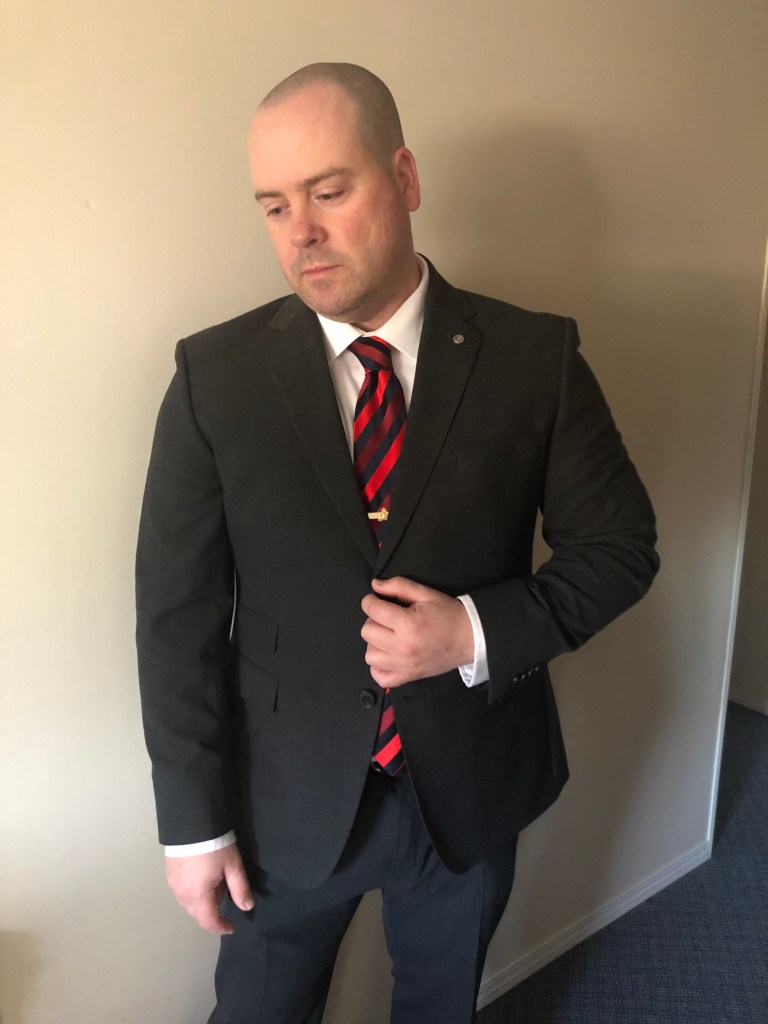
Look at that bald, handsome devil! I may be a bit biased, of course. This is me on my way to work, last week. Despite the current pandemic situation, I don’t have the available space or resources to be working from home. So I go to the office. There are a very limited number of staff working on site at the moment. And most employees have taken to dressing somewhat more casually than they usually would, with a full office. So, this begs the question… Why do I go through the effort of a clean shave and a properly tailored suit? I do it for me. Plain and simple.
Appearances aren’t everything, and this much is true. But there’s definitely something to be said about taking some steps to improve your self-image by dressing and/or training in such a way that makes YOU feel better about YOU. I could no doubt sit in my office in a pair of jeans and a t-shirt, but my suit makes ME feel professional and improves MY self-image. This leads to healthier, happier days and better productivity as a result.
This line of thinking came to mind when I was having a conversation with one of the guys at the office, who mentioned his disdain for people who constantly post photos of themselves without a shirt and flexing at the gym. He commented that he wondered who that was for and felt that it was a bit on the braggy side. I can honestly say that I agree. I know people who do nothing but posts constant stream of photos of themselves in various flexing poses and such. I know, I know… THIS, coming from the guy who just threw a GQ pose into his blog post…
I’m mostly referring to the folks who don’t post the photos to show their progress or to show the “before” and “after” side of their journey, but just take photos for the sake of flexing for people to comment on them. There’s a big difference between having a healthy image of oneself and being narcissistic. This is a personal opinion, of course. I’m sure there are those who feel that constantly posting photos of themselves does in fact help them to self-motivate and work towards their fitness and self-image goals. And as they say, to each their own. It simply isn’t the way a humble person does business.
The simple bottom line is this: Dress to impress. But it better be to impress yourself. How you look and feel to yourself is the primary importance. As long as you have a positive self-image and feel great, you’ll project the confidence and energy that you need to be successful. And if you’re brave enough to share your fitness journey through photographs, be sure that it’s also being done for you and your continued well-being. You’ll be all the better for it. Food for thought… ☯
One of the things I miss most about training at my local karate dojo is dealing with the lack of a punching bag. I’ve written on occasion about the importance of actually striking something during training. This is important, because form is all well and good but the effectiveness of your strike can’t be achieved unless you learn how it feels at point of impact and get used to it. Further, your knuckles also need to develop; something that can’t be done through forms. Knuckle push-ups will only get you so far and won’t contribute to experiencing the impact. But I digress…
My point is, having a punching bag or a striking surface can be integral to proper martial arts training. I’ve been considering getting my own punching bag ever since we moved to Regina, but there’s always been a lack of location and opportunity. My basement had no spot to safely install a punching bag, and I had to deal with fact that my continued pounding would cause chaos for the rest of the family, upstairs. Not least of which is the fact that our basement was recently demolished, leaving a bare basement with no safe area to work out in.
My new toy! Note the indent on the right edge as I couldn’t resist kicking it, as soon as I had it up.
With the warmer weather becoming more prominent, the time has come to shake some of the cobwebs off and start doing more physical activity outside. As such, I decided to stop being such a cheapskate and purchased a punching bag. Although the garage was effectively full last year as we demolished and braced our basement, we’ve moved enough stuff back into the house that I now had the available space to set up a bag. It didn’t take me long to run out to my local sports outlet and purchase what I needed.
The punching bag stand is made by Century, which if you recall is the same martial arts equipment company that makes the karate gi that we wear at Kenpo. It only took about a half hour to assemble, with nuts, bolts and washers included for easy assembly. The stand is unfortunately required, since the beams of the garage would no doubt hold a heavy bag but likely wouldn’t last under the constant barrage of strikes and impact I would inflict upon it.
Interestingly enough, the sports outlet that sold the stand had no punching bags available. Since it was the last stand they had in stock, I gambled and purchased it, sans punching bag. I really wanted a 100-pound bag, but I knew I would have to do some searching in order to find one. The first place I stopped at was a local retail store, which I won’t name for liability issues but it involves the color blue and usually has a fast food or coffee outlet inside. Draw your own conclusions from that.
Anyway, I managed to find a nice little kit containing a 70-pound bag, bag gloves, hand wraps and binding cords. Not too shabby. I added it to my cart so that I had a bag with which to start training and made my way home. I figured I could wok on getting a heavier bag later, depending on how much time I actually put in on it. I lifted the bag up to the hook and my wife helped by attaching it. A few experimental punches and kicks told me I would be enjoying some garage time, this summer.
Despite the fact that I usually enjoy cycling and swimming, a punching bag offers a wide variety of workouts that one can perform. These can include circuits and drills and even workouts where you incorporate the bag as a “set,” meaning you go do a number of sets of other exercises and keep coming back to the bag. Nathan and I like doing a back-and-forth where one of us punches the bag for a straight minute while the other is on a jump rope for that minute. Then we switch. It makes for a wicked sweat. This is what we did yesterday. Little bugger actually held his own for the whole half hour!
It worked nicely!
Punching bags can be nice as they allow you to experience the impact of your strike and help to properly develop them. But it also works almost all your muscle groups, provided you maintain correct posture, stance and incorporate punches AND kicks into your workout. Last but not least, sticking it out on punching drills makes it so that you end up with a killer cardio aspect, as well.
I’ve been in a bit of a fitness slump in recent weeks, which I attribute to the fatigue of starting a new job and having no access to my actual karate dojo. So I’m looking forward to doing something that will allow me to work up a sweat and start building back some arm strength. With our basement renovation plans expected to happen over the summer, the next step will be to get a bench and some free weights. here’s hoping it’ll be a good summer… ☯
When I was a child, my father and I sat through the original Christopher Reeve Superman movies. That’s plural, because by the time I actually sat down to watch them, I was about the same age as Nathan and they had just released Superman III, with the original Superman movie being released a few months after I was born. Now that I’ve effectively deepened my legendary status in nerdom and properly aged myself, I do have a point…
As long as he behaves himself, Friday nights are usually the evenings I spend with Nathan. My wife generally takes advantage to try and get some extra work in so that she can have her weekend, so Nathan and I will usually watch a movie, crash on the living room floor with sleeping bags and enjoy some snacks. As I mentioned, it’s all contingent on him behaving himself throughout the day. But everything had gone reasonably well yesterday, so we sat down on the couch and discussed what movie we would watch.
Much like the joke about couples never being able to pick a restaurant, Nathan is notorious for never making a choice but declining any offers I make. Last night, I asked if he’d like to watch a Superman movie. He nodded enthusiastically and I started to search my streaming services for one we could watch together. None of the original Christopher Reeve movies were available, so I opted for 2013’s Man of Steel.
Comparatively much more violent than the originals, considering the actual fights, punching and battles scenes involved, some may argue that such a movie wasn’t the most appropriate for a 6-year old. But I was then caught by surprise as Nathan learned a significant number of important lessons throughout the movie. And I’m going to share those lessons with you now. I should probably point out that sitting through an entire movie is something of an amazing accomplishment for Nathan. So, there’s that. Moving on…
If you’ve never watched Man of Steel, proceed at your own risk, as there will be spoilers. That being said, I have a great appreciation for the movie, since it steers away from the typical depiction of the all-powerful and invulnerable Superman in favour of a hero who actually feels and who can be affected/harmed by significant opposition. The movie starts by showing the birth of Kal’El, followed by his being sent out amongst the stars by his parents before the total destruction of Krypton. Although any Superman fan is well aware of Krypton’s destruction, it made for an interesting piece of the story to actually SEE some of the storyline, rather than the typical movie with the red and blue suit stepping into the frame within the first fifteen minutes.
As Superman’s parents place him in the rocket and say their heartfelt goodbyes, I glanced over at Nathan and noticed he was red-faced, red-eyed and had a single, fat tear rolling down his cheek. I asked him if he was alright and why he was crying. he responded, “I’m sad…” When I asked him why he was sad, he explained that those parents had to send their baby away and they would never get to see him again. He also pointed out that the baby would never get to know his parents. I was caught off guard with the emotional and mature response he provided. I don’t mind saying that it was extremely uncharacteristic of him.
As the movie progressed, there are a couple of scenes that reached Nathan and we discussed them. The first was when Clark Kent is working in a truck stop restaurant as a bus boy and tries to intervene against a trucker who’s harassing a female waitress. When the trucker confronts him, Clark chooses to walk away. Nathan asked why Clark didn’t just beat him up, as he was obviously stronger than the trucker. This gave us the opportunity to have a talk about how just because you’re stronger than someone else, doesn’t mean you should exercise that strength against them.
The next scene came when we flash back to Clark’s teen years and he gets shoved to the ground and taunted by a group of bullies. Clark sits there and ignores their taunts until they depart. He’s helped to his feet by another classmate and as he releases the steel post he was braced against, we see Clark’s hand has imprinted on the steel. Nathan was blown away at the level of strength and asked why Clark wouldn’t fight back and beat up the boys, since they started it and he should defend himself. I explained that Clark showed restraint, which can often be a more valuable quality than a show of force. Especially in light of the fact that he managed to de-escalate the situation by avoiding a fight.
There were a number of other scenes but honestly, I’ve made this post long enough at this point. I often say that knowledge and wisdom can come form the most unlikely sources, and last night effectively proved that point. What started out as an evening of movie-watching fun proved to be an evening of important life-lessons for my young son. We still had fun and enjoyed the movie, but a little growing was done at the same time. Not too shabby, for a Friday night… ☯