Get Your Head Out Of The Clouds

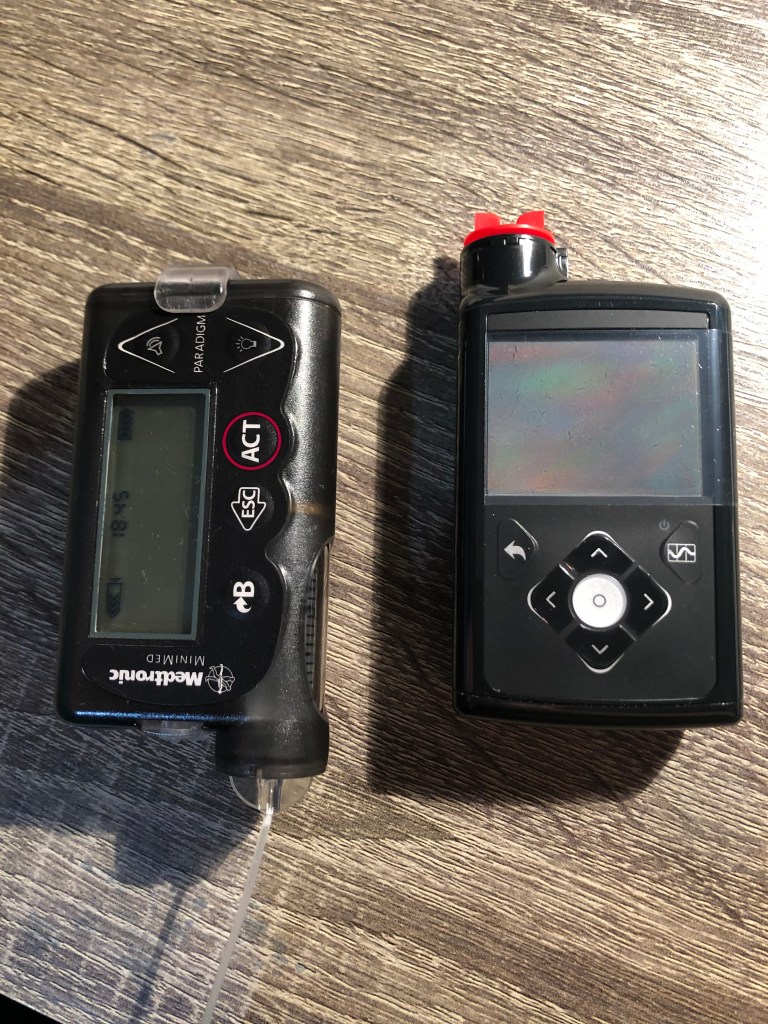
Travelling can be a real pain in the ass for anybody, whether it’s domestic or abroad. Especially if you’re flying. But any level of travel becomes even more involved when you have Diabetes. Considering the amount of equipment that the average Type-1 Diabetic requires on a day-to-day basis, the preparation required for any trip can be quite involved. When you add in the supplies required for an insulin pump, it can also be quite an ordeal.

Since I’ve recently “indulged” in some cross-country travel, I thought I would take the opportunity to touch on some of the more important aspects of travel preparation for someone with Diabetes.

First, let’s discuss travel by its very nature. Travel is abnormal. At least it is for the modern person. Our ancestors were thought to be nomadic and usually never settled in one place for extended periods of time. But as humans evolved and we developed societies and technologies, we became more sedentary and started establishing permanent homes. This means that we usually find comfort in staying in one place and having daily routines. These routines become important for someone with Diabetes. In fact, routine tends to make the control of Diabetes far easier. When we stray from our usual routine, it tends to rain hell on the Diabetic system.

One of the first things I noticed from my flights home yesterday, was my unusually high blood sugar level. Despite my best efforts to correct and bolus accordingly, my blood sugars stayed in the teens until a while past 10 p.m. when I finally worked it down to 8.6 mmol/L, the highest being 19.4 mmol/L earlier in the day. There are a number of reasons behind these high levels; not least of which being stress, from travel and some bad news.

According to an article posted online by BeyondType1.org, “There have been studies that suggest that higher altitudes can cause insulin resistance due to carbohydrates not being metabolized as effectively. This can be another cause of high blood sugar and it can also lead to ketones/ketoacidosis in extreme cases.” The article goes on to say, “Blood glucose meters, continuous glucose monitors (CGMs) and pumps have been known to not work as effectively in high altitudes.” This could certainly be one of the outlying reasons for my extreme highs. The jury’s still out…(https://beyondtype1.org/altitude-type-1-diabetes/)

An important thing to remember is to calculate your approximate insulin needs prior to your departure and pack two extra sets of everything BEYOND what your requirements will be for the entirety of your travel. For example, my trip to New Brunswick last September saw me run short of supplies for my pump. I ended up having to buy a bottle of Lantus and some syringes in order to maintain myself until I landed back in Saskatchewan. Damned inconvenient!

The next step is to ensure that everything is properly labeled and clearly legible, identifying it as Diabetic prescription medication. Airlines are a bit sticky on the transportation of needles and sharps, so you need to ensure that you’ve dotted your “i’s” and crossed your “t’s”. Wearing your MedicAlert bracelet is also a smart move. I’m told it’s a smart move to wear it at ALL times, but I absolutely hate mine and never wear it unless I travel.

Another issue would be the airport security x-ray machines. Now, opinions about the validity of what I’ll say next has been discussed and debated for years now. But some sources, including some of the manufacturers, seem to indicate that exposing insulin to x-rays can cause damage and even affect its potency. For the most part, airline security SHOULD be reasonably accommodating in allowing for a manual inspection of your person upon request. This should include any bottles of insulin and your insulin pump. That being said, you may encounter some staff who are resistant and will claim it’s unnecessary. Don’t be afraid to ask for a security supervisor to plead your case.

That being said, there’s been no evidence that the same x-rays will affect your insulin pump. Granted, your pump is filled with insulin, so… yeah. At the end of the day, planning ahead and being familiar with your airline’s policies and requirements will go a long way. If you’re like me, you show up two hours prior to your flight’s time of boarding. this provides the extra time required to ensure a manual inspection of your insulin and medical devices and still allow you to make your gate in time to be boarded on your flight.

Test your blood frequently and adjust your insulin accordingly. Although it may seem unusual to bolus so much, the unusual circumstance may require it. Ensure you don’t skip meals. That much is often my mistake. Speaking with your doctor or medical practitioner prior to your travel may be an option as well. As much as having Diabetes may be a major pain, travel can be just as painful if you aren’t prepared. ☯

The Worst Illness Is The One You Ignore

There are currently more than 12.5 million Canadians with some form of Diabetes at this very moment. Although I wasn’t able to find a source link, this information can be found on Statistics Canada’s website. Given that large number, this means that roughly one out of every three Canadians have some form of Diabetes or pre-Diabetes, with more being diagnosed every day.

One of my biggest pet peeve is hearing or reading about someone with Diabetes who ignores their condition. Although denial is a common and almost expected reaction for some people, there’s enough information and literature out there that no one should just roll over and let this condition take them. But even now, I often hear of people with Diabetes developing serious and severe complication and even dying.

The light knows that I’ve often written about the complications associated with Diabetes. And although I’ve usually focused on Type-1 (because that’s what I have), the complications are usually shared across the board. The reality is that untreated or undiagnosed Diabetes can easily and quickly become fatal.

The most common complications you hear about involve the nervous system, heart, eyes, kidneys and digestive system. Believe it or not, you can even gain complications related to your teeth and gums. Even the strictest control won’t prevent some of the symptoms or complications one can get, making it all the more important to keep a tight reign on your condition in order to mitigate them.

Limb amputation is a common thing you hear about in people with Diabetes. This is because poorly controlled Diabetes will cause blood vessel or nerve damage, leading to the death of certain extremities. Toe and foot amputation is generally the result

Eye and vision issues are also very common, and often for the same reasons when one considers Diabetic Retinopathy. Other issues include, but are not limited to Glaucoma, Cataracts and Diabetic Macular Edema.

Believe it or not, your teeth can even cause issues. Gums and teeth in someone with Diabetes will have a greater tendency towards sensitivity and bleeding, which can lead to increased chance of infection and complications.

Uncontrolled blood pressure and glucose levels will cause damage to the kidneys, ultimately leading to kidney failure. Your cardiac system is twice as likely to suffer complications as someone without Diabetes. Your blood sugar levels are what can cause the most symptoms, complications and issues. Extreme high blood sugar (hyperglycaemia) can lead to the advent of all these complications and can also put you in a coma, if left unchecked. The same can be said of extreme low blood sugar (hypoglycaemia). Once your blood sugar levels drop below a certain level, unconsciousness is almost a sure thing. If you’re unfortunate enough to live alone or not be woken by your drop in blood, death is usually the result.

It’s not all bad news! Although I often write about complications, this is mostly for awareness and to hopefully PREVENT such issues. I often feel that some people simply become overwhelmed by their condition and give up. Some people are just lazy and don’t want to take themselves in hand. But the reality is that the changes required to prevent and repair some of these complications are pretty simple and easy. Eating a healthy diet, testing your blood sugar often and exercising regularly is a big start. Avoiding things such as smoking, drinking alcohol and gaining excess weight will also go a long way towards helping. The bottom line is that there is no excuse for allowing Diabetes to control your fate. Only you can do that. ☯

Gestate On A Little Information

I think we can all agree that pregnancy can be a wondrous thing. Although I can sympathize but not relate, there’s a certain magic behind knowing that you have a little version of yourself on the way; buying baby clothes, setting up a nursery and trying to explain to your 5-year old why he won’t be the sole child in the house are all challenges that can be as much fun as they can be stressful.

Pregnancy carries its own batch of potential complications, and the light knows that my family has experienced a good number of them through the births of both my sons. Having either of my children contract Type-1 Diabetes has always been a concern of mine, given that I have Type-1 myself. But ladies, you have a Diabetic concern all your own to worry about while carrying around your little bambino for nine months. I’m talking Gestational Diabetes…

I’ve covered the different types of Diabetes in previous posts, but this one is more common than most people think. Gestational Diabetes, or Maternal Diabetes as it is sometimes referred to, is a condition in which the body does not allow insulin to be processed properly during pregnancy. According to a post by WebMD, “During pregnancy, your placenta makes hormones that cause glucose to build up in your blood. Usually, your pancreas can send out enough insulin to handle it. But if your body can’t make enough insulin like it should, your blood sugars rise, and you get Gestational Diabetes.” (https://www.webmd.com/diabetes/gestational-diabetes)

As though there isn’t enough to worry about during pregnancy! One of the big issues with Gestational Diabetes is the fact that the symptoms often aren’t noticed or are attributed to the pregnancy and ignored. This can obviously be a big problem and can pose a risk for mom and baby.

So how common is it? Well, the best I could find was on the Government of Canada website, Canada.ca, which provided that approximately 54.5% of women in 1,000 pregnancies developed Gestational Diabetes between 2004 to 2011. This is an incomplete number, since the Province of Quebec does not contribute to the pertinent database required for a total National average. That being said, the percentages vary from Province to Province and Territory. This is likely due to differences in Provincial Health Care, environment and available resources. (https://www.canada.ca/en/public-health/services/publications/healthy-living/maternal-diabetes-canada.html)

Depending on the circumstances, Gestational Diabetes has two sub-types: one where it can be treated with diet and exercise and the second, which will require insulin injections or medications. Screening for this condition is usually done by your doctor once you’ve reached certain points n your pregnancy, but don’t be afraid to ask your doctor about it. Even if it isn’t time to test for it, they should be able to put your mind at ease.

Prevention involves the same golden toolbox that just about everything else does. Exercise (yes, even during your pregnancy), eat a healthy diet and make certain that you’re getting the pre-natal care you require. Exercise should be moderate at most and your doctor will be able to recommend/refer you accordingly. Ultimately, it’s just one more way that Diabetes affects the lives of many people and is one more hiccup in an otherwise happy experience. When the time comes to tell your child, “Do you know what I had to go through to have you?” hopefully Gestational Diabetes isn’t on the list! ☯

Put Some Oomph In Your Ouch! 🎶

Music is awesome. It has the means to allow a person to express themselves in a very unique way. Music also has the means to reach every person. There are so many types of music that there is always at least one genre that appeals to any given person. Music can also communicate. There are few genuinely universal ways of communicating, but shaking your booty to great music is well understood anywhere in the world.

Music can also play an important role in how your workout plays out. It’s no secret that having an awesome playlist and some sick beats (I promise never to use that term again) can improve your workout and make you push harder towards a wicked sweat. So, why is this? IS it just our imagination? NO. There are actually some measurable reasons why music can help improve your fitness.

According to an article by the Huffington Post, “Listening to music while exercising can release feel-good chemicals – such as dopamine and opioids – that may boost your mood, dull pain and make you less tired […]” (https://www.huffingtonpost.ca/entry/how-music-affects-workout_n_55d746a3e4b0a40aa3aaa9da?ri18n=true) If this is true, than having some music blaring while you workout is definitely beneficial.

Some other theories include the fact that music is a distraction. If you are distracted from the agonizing shin-splints keeping you from completing your 3K-run in record time, you’re more likely to push hard and keep going. Speaking from experience here, folks! Another theory is that good music, or rather what may be good to you, will help increase your confidence. This causes us to push harder.

No matter what the reasons, and no definite evidence has been found despite many studies, you can’t argue that having your earbuds in while you push yourself adds a definite plus to your workout. Think about it. When was the last time you went to a gym that DIDN’T have at least some of the people wearing headphones or earbuds? And it’s almost a sure guarantee that fitness locations will usually have music playing on the intercom system. Unless it’s one of those heathen locations that have a sporting event blaring, but that’s an entirely separate problem.

My current karate school even uses music during the warm-up portion of the class. This is a bit of a controversial thing, considering that most martial arts schools include an aspect of discipline that doesn’t include having Metallica blaring while shadow boxing! But I’d be lying if I said that the addition of music didn’t get even the laziest of students moving a bit better.

So whatever your reasons for doing so, crank up the tunes. Whether it’s to make you feel better, distract you from the now or simply helps you follow along with a beat, it can be nothing but beneficial. Unless you work out to country music. Then you’re just asking for trouble. You know who who are! ☯

Don’t Try To Walk In Others’ Footsteps

Life is pretty dynamic. If you don’t wake up in the morning wondering what the day will bring, you’re not facing it head-on the way you should. Life also doesn’t care about your plan. I’ve said that more times than I can count, to more people than I can remember. No matter how well you plan, life will usually find a way to throw a wrench into your gears. Although it’s important to have goals, plans aren’t always ideal.

“You Don’t Always Need A Plan. Sometimes You Just Need To Breathe, Trust, Let Go, And See What Happens.”

– Mandy Hale

I was talking to an old friend of mine, some time ago. He was in his 30’s, single, still had debt and hadn’t met any of his goals. He was pretty disappointed and hard on himself, and he was of the opinion that he was “behind in life” because of these things. He had a good career-level job and was saving up nicely, but the missing aspects that he considered societal expectations weighed on him.

I tried explaining to him that his life was exactly that: his life. And there was no expectation to follow any kind of set expectations where life was concerned. Every person is different and so is the manner in which their lives will play out. All the so-called rules that say you should be married and settled down by a certain age are made up.

“Although No One Can Go Back And Make A Brand New Start, Anyone Can Start From Now And Make A Brand New Ending.”

– Carl Bard

My friend is now about to get married, owns a house and is building a family. It took him longer than he PLANNED, but he’s still reaching his goals. And that’s what’s important. There’s no need to be so hard on ourselves. As long as we keep trucking forward and working towards goals, life will keep you exactly where you need to be. ☯

It’s A Big Fat Lie! 🍫

Obesity is fast-becoming one of the biggest problems in North America. According to a report written by Stats Canada, “In 2018, 26.8% of Canadians 18 and older (roughly 7.3 million adults) reported height and weight that classified them as obese. Another 9.9 million adults (36.3%) were classified as overweight – bringing the total population with increased health risks due to excess weight to 63.1% in 2018.” That’s a pretty horrible statistic! That means that more than half and almost three quarters of the Canadian population falls under a category associated with obesity. Scary.

There are some obvious problems and exceptions with this total, however. As I’ve written about before, the first problem is with a tool known as BMI. BMI, or Body Mass Index, takes a person’s weight and divides it by the square of the person’s height. Unless assessed by a health professional, the readings can provide a false shadow on an otherwise healthy person.

For example, I happen to have a BMI of 32.1, which falls under the obese category. Anyone who has ever seen me in person could definitely confirm that I am not obese! BMI fails to take body mass, age, muscle and pregnancy or bodily changes. This means that if you visit Dr. Google for your BMI calculations, you’ll likely starve yourself into depression thinking that you’re obese!

The reason I bring up obesity is because I read a post by a fellow blogger who discussed this very thing. I took note of the fact that he wrote that obesity can be a cause of Type-2 Diabetes and I sincerely appreciated the fact that he took the time to make the discernation. Especially since obesity DOES NOT cause Type-1 Diabetes. You hear that, world? OBESITY DOES NOT CAUSE TYPE-1 DIABETES!!!! (Takes deep, calming breaths…)

Just to clarify, even if I’ve done so multiple times before, Type-1 Diabetes is an autoimmune disease in which the body destroys the insulin-producing cells in one’s body, preventing the processing of glucose. It can have a genetic component and has often been referred to as “Juvenile Diabetes” due to the fact that most sufferers are diagnosed quite early in life. That being said, it is possible for a person to contract Type-1 Diabetes much later in life. My father is an example of this.

Type-2 Diabetes is essentially an increased form of insulin resistance where the body still produces insulin, but the body is either “less” able to use it or unable to do so. Obesity has been directly linked as a factor behind this insulin resistance, which is why people so readily associated obesity with Diabetes.

Although there have been some studies related to wether or not obesity has any effect on someone with Type-1, it’s almost the opposite for the two types… Type-1 Diabetes can LEAD to obesity, of a number of different reasons. Obesity is one of the direct causes of Type-2 Diabetes. Make sense?

One of my biggest pet-peeves is how many times I’ve told someone I have Diabetes, only to have them look me up and down and say, “But you’re not fat!” One does not necessarily have anything to do with the other. It’s important to make the discernation between the two types and use them correctly.

Last but not least, here’s the page to Stats Canada and WebMD, if anyone wants to check them out ☯:

Swimming In The Benefits!

I brought my son to a public swimming pool, yesterday afternoon. He enjoyed that pool party for his classmate so much a couple of weeks ago, that I thought it would be a great way for us both to get some exercise and burn him out for the night. It would have been nice to snap a photo or two of the fun, but you DON’T want to be that adult taking photos at a public pool!

Swimming is often an overlooked activity by most people, because it seems rather inconvenient. You have to pack swimwear and towels, go to a specific location to swim (especially if it’s winter) and you need to worry about getting properly dry and dragging a bunch of wet things with you when you leave. But is that really any different than working out at a conventional gym? If you said yes, there’s something wrong with your workouts. Unless you have a full gym in the basement of your home (a slight tinge of jealousy over my brother-in-law’s basement comes to mind) then you still need to pack or wear workout gear, go to the gym’s specific location and if you aren’t soaking wet when you finish your workout, then you aren’t pushing hard enough!

Spending time in a pool can have a number of benefits, from a health and fitness standpoint. If you happen to be swimming with my son Nathan, I guarantee that you’ll lose track of the number of calories you burn. And that’s the nice thing: you’re burning through calories while having so much fun that you don’t notice it.

You work just about every muscle group. Even if all you’re doing is splashing around with your kids, working your way around under water requires the use of just about all your muscle groups, making for a great workout. It’s also a very low-impact way to workout, since the water takes a portion of the weight off of your back and joints.

The increased heart rate will improve your heart and lungs, and will help to reduce stress while improving your flexibility and mobility. That last one is particularly important if you need to maintain your fitness level through an injury like, oh let’s say… shin splints! The low impact will allow your injury to heal while still allowing you to burn calories.

It goes without saying, even if I’m saying it, that anyone with Diabetes needs to closely monitor their blood glucose levels while swimming. Often, your blood sugars can start to drop suddenly, especially if you’re caught up in the fun. When going to a public pool, I always arrange to keep my gym bag close by. It contains fast-acting glucose, my glucometer and my cell phone, which allows mw to test my blood sugar through my Freestyle Libre.

Last but not least, it’ll fire up your hunger and make you tired. This is a good sign that you’ve had a god burn and can retire to your home for a rest. One of the first things Nathan told me as we were towelling off to leave was, “Daddy, I’m tired…” Yes! He’ll be sleeping early tonight… No such luck. He got his second wind and was his typical destructive self.

Swimming can be beneficial in all sorts of ways and do nothing but good for the body. I spent most of my life living in the East Coast of Canada where i could spend the entirety of my summer, swimming on beaches, rivers and lakes. It was glorious! If you do swim outdoors, be sure you know how to swim and are aware of how to swim in bodies of water that may have currents and other dangers. Otherwise, you can’t go wrong. So get out there and dive in; the water’s fine! ☯

Winter Freezes Everything But The Sun ☀️

When the cold weather hits, everyone bundles up when they head outdoors. It can be really easy to forget that even though it may be -40 degrees, the Sun is still up there, blazing bright and true. Although a bit of natural sunlight can be beneficial to help your body generate the dose of Vitamin D it requires (see yesterday’s repost from June 2019), too much exposure to sunlight can be bad for you. I am referring to, of course, tanning.

Getting a tan is a practice through which the skin on a person becomes a darker shade due to exposure to UV Light. The body responds by producing melanin in order to prevent further damage from UV radiation. In the past, getting a tan was evidence of social status, having travelled to sunny destination or good health. But nothing could be further from the truth. The fact that the result is your body TRYING TO PROTECT ITSELF is a sign that tanning is bad, m’kay?

There are different ways to get a tan. The first and most direct, is natural sunlight. This basically involves exposing your flesh to the Sun. Pretty simple, right? The next is through the use of a tanning bed. This involves laying or standing in a specially constructed booth that exposes you to UVA rays, causing the production of melanin and darkening the skin. The last is a spray tan. Spray tanning is done by well, spraying yourself. A chemical called Dihydroxyacetone is misted against the skin, which in turn reacts with the body’s naturally occurring amino acids to turn the skin a darker shade.

Although this is a topic that has been widely debated in recent decades, and public opinion has gone back and forth, tanning is not good for you. The DHA mist used in spray tanning has no evidence of being harmful to the body. Okay, fair enough! But any form of tanning that causes the creation of melanin has been proven to be exceptionally bad for you. And it all begins with that very first tan…

If you tan your skin, you will cause a number of complications that you definitely want to live without. According to an article posted by WebMD, tanning is known to be a cause of Melanoma, which is a cancer of the skin cells. Tanning will also cause the premature aging of your skin, or what doctors refer to as “photo aging”. Other sources suggest that damage is caused with the very first tan and that being tanned does NOT prevent potential sunburns. Getting a “base tan” does nothing to help you.

Here are some good articles that cover these points in greater detail, should you want to have a read:

The point I’m making today, is that people tend to associate sun burns and sun exposure with the summer months because most people spend more time outdoors. But the Sun’s rays shine on, regardless of the season. The Sun’s rays will reflect off snow and ice and exposed skin can still suffer the same effects. So while you’re out and about in your winter wonderland, or if you’re crazy enough to be running during the snowy months like I’ve been, make sure to cover up and protect yourself accordingly.

For people with Diabetes, tanning exposes you an increased risk of dehydration and hypoglycaemia. You’ll also be at greater risk of excessive sweating, dizziness, headaches, nausea, increased heart rate and cramped muscles. Last but not least, I’d like to point out that tanning is actually defined as treating an animal hide in order to make leather! That should tell you all you need to know about what it’s doing to your skin. ☯

Let’s Boost That System, Shall We?

This is a re-posting of an entry I posted way back at the beginning of June, 2019. Considering the winter weather and how everyone is catching every little bug that comes about, I thought it would be a good idea to remind people of the importance of vitamins and minerals in the everyday diet. if you remember this post and read it already, my apologies. I promise to have some fresh content tomorrow.

One of the key reasons behind the consumption of food is to obtain carbohydrates for energy. The human body requires energy to carry on normal functions and, well… stay alive! But what else do we get from the food we eat?

A proper diet will also include a number of vitamins and minerals that we require to maintain proper health, growth and energy levels within the body. We’ve all heard about getting enough vitamins from a young age; I remember getting my Flintstones vitamin everyday as a kid.

But if you’re like most people, you’re likely wondering what these vitamins are for and what they do. My goal is to cover off the main ones here:

Vitamin A: This is an all-around vitamin that provides a number of functions including but not limited to the proper health of various bodily functions, tissues and helps to fight chronic disease and is known to be good for the eyes.

Vitamin B: This one is a bit complicated, as there is a large grouping of enzymes, vitamins and minerals that fall under the “B” category. In general, B-vitamins are used for energy production, immune function and absorbing iron. Some them include B2 (riboflavin), B3 (niacin), B9 (folate) and B12. There are a few more that I can’t recall, but B12 is considered amongst one of the most important of vitamins overall because it helps you turn food into energy.

Vitamin C: At some points, this one has been referred to as the sunshine vitamin. I’m thinking that’s mostly because people’s main source of Vitamin C is from citrus fruits. But this vitamin also helps with iron absorption, immune function and is a natural antioxidant that helps with the elimination of free radicals. Eating citrus fruits are also what sailors used to eat on long voyages to prevent scurvy.

Vitamin D: This vitamin helps with the strengthening of bones and teeth. Our bodies are designed to self-generate this vitamin naturally through exposure to sunlight, but obviously that needs to be done in small doses. Modern life has created an environment where more people spend their time indoors, away from the sun. So supplementation becomes important.

Vitamin E: A pretty straight forward vitamin, this one helps with proper blood circulation and clear skin.

Vitamin K: This vitamin is essential for blood-clotting. In order words, if you’re deficient in this vitamin, small cuts or injuries can cause excessive bleeding that can become dangerous.

Folic Acid: We hear people speak about this one as being necessary during pregnancy. And they would be correct! Folic Acid helps to prevent certain complications during childbirth but is important to everyone for proper cell renewal. This one is also known as Folate, or Vitamin B9 (as listed above).

Calcium: Most people should be familiar with this one. Teeth and bones, people! Teeth and bones! Good calcium levels are required to keep those body parts healthy.

Iron: This helps to build muscle tissue naturally and helps with proper health of the blood. As an interesting sidebar, it’s also what makes your blood red through the reflection of light!

Zinc: Immunity and Fertility. I’m a little unfamiliar with this one and haven’t had the opportunity to research it a great deal.

Chromium: This one is near and dear to my heart. Because it helps to control blood sugar levels. Chromium is what helps all the systems of your body to get the energy they need when they need it. Some traditional medicine practitioners will suggest Chromium supplements for Type 1 Diabetics who may have difficulty in maintaining proper levels.

Magnesium: This one helps your body to absorb all the other vitamins and minerals. It also acts as something of a relaxant to muscle tissue and play a role in proper muscle contraction.

Potassium: This mineral helps with the proper hydration of your body and helps to control blood pressure.

There are many others of course, but I’ve tried to cover off the main vitamins and minerals required for a proper diet. For more information and possible food sources for these vitamins and minerals, I’ve found the following two online articles that provide a lot of good information:

https://www.comvita.com/blog-article/10-essential-vitamins-your-body-needs/4100544

https://www.goodnet.org/articles/11-essential-vitamins-minerals-your-body-needs

We get most of what we need by eating regularly and including a variety of healthy foods. A lot of people take a daily multi-vitamin, which is fine. But unless you are experiencing symptoms or unexplained illnesses, there shouldn’t be a need to actively try and take added amounts of anything. Your medical practitioner should be able to advise you if further supplementation is required. For example, patients who are recommended to take Folic Acid and Iron during pregnancy.

Obviously, all of this is extremely important; not only for proper health and fitness, which is important to me, but to help with Type 1 Diabetes as well. A big shout out to my wife, Laura, who provided me with this blog post idea by asking about B12 yesterday. ☯

The Heart Of The Matter ❤️

The heart is a rather important piece of equipment for the human body. Although technically a muscle, the heart is responsible for pumping blood throughout the body, which in turn provides oxygen and nutrients. The heart is also responsible for helping to filter out certain wastes from the body. Without this particular organ, most of the tissues in your body would die out. And you would, well… die!

The heart also plays an important part in society as it represents the love centre of our very being and contributes to the emotional aspect of our lives. This is a misinterpretation, of course. Despite its importance, the heart is actually pretty frail and delicate and can suffer a huge host of problems, none of which are pleasant or easy to deal with. If you have Type-1 Diabetes, some of those conditions can be aggravated as well, since both Diabetes and Heart Disease share a number of similar risk factors, such as obesity, poor diet and blood pressure issues

According to an article posted by WebMD, “Data from the National heart Association from 2012 show 65% of people with Diabetes will die from some sort of heart disease and stroke. I general, the risk of heart disease death and stroke are more than twice as high in people with Diabetes.” (https://www.webmd.com/diabetes/heart-blood-disease#1)

Although it’s more prominent in people with Type-2, people with Type-1 are still at an increased risk. There are a number of things that one can do to prevent and mitigate some of the risk:

  1. Physical Activity: I know I sound like an annoying parrot with this, but exercising regularly will not only help maintain blood sugars but will control obesity; hence, my next point;
  2. Weight Management: Keeping your weight under control can help increase insulin sensitivity and help reduce the risk of cardiovascular disease;
  3. Control Cholesterol and Blood Pressure: My first two points will help with this, but there are also preventative medications that your doctor can prescribe to help maintain healthy cholesterol levels. The same can be said about your blood pressure;
  4. Take Drugs: This sounds worse than it is… Besides the cholesterol thing, some preventative drugs can be useful for people with Diabetes in reducing certain heart risks;
  5. Quit Smoking: This one is pretty self-explanatory and is a good idea whether you have Diabetes or not. I’m guilty of the occasional cigar, but any type of smoking carries and increased risk for heart disease and stroke. Quitting is not always the easiest thing and often requires some help, through therapies or quitting aids such as nicotine patches or gum;
  6. Brush Your Teeth: Although you may be asking, “What the hell do my teeth have to do with my heart?” the answer is, quite a bit. Bad dental hygiene has been linked to bacterial infections through the gums, which can propagate to the bloodstream and affect the heart valves. The mayo clinic has a short article outlining the reasons. (https://www.mayoclinic.org/healthy-lifestyle/adult-health/expert-answers/heart-disease-prevention/faq-20057986);
  7. Reduce Your Stress: This one is easier said than done, but reducing the active stress in your life will help with blood pressure and heart issues in general; and
  8. GET CHECKED!!!: There’s absolutely no problem with making an appointment and requesting a check-up for your heart. I, myself, run a stress test every three years and get checked regularly. Prevention is an extremely useful tool!

Everything that is usually recommended for good Diabetes management will also help with good cardiovascular health. Proper eating habits, good exercise and blood sugar control are paramount to preventing heart disease. When you get right to the heart of the matter, your health is in your hands (see what I did there?). ☯