Why Not Sleep On It? 😴

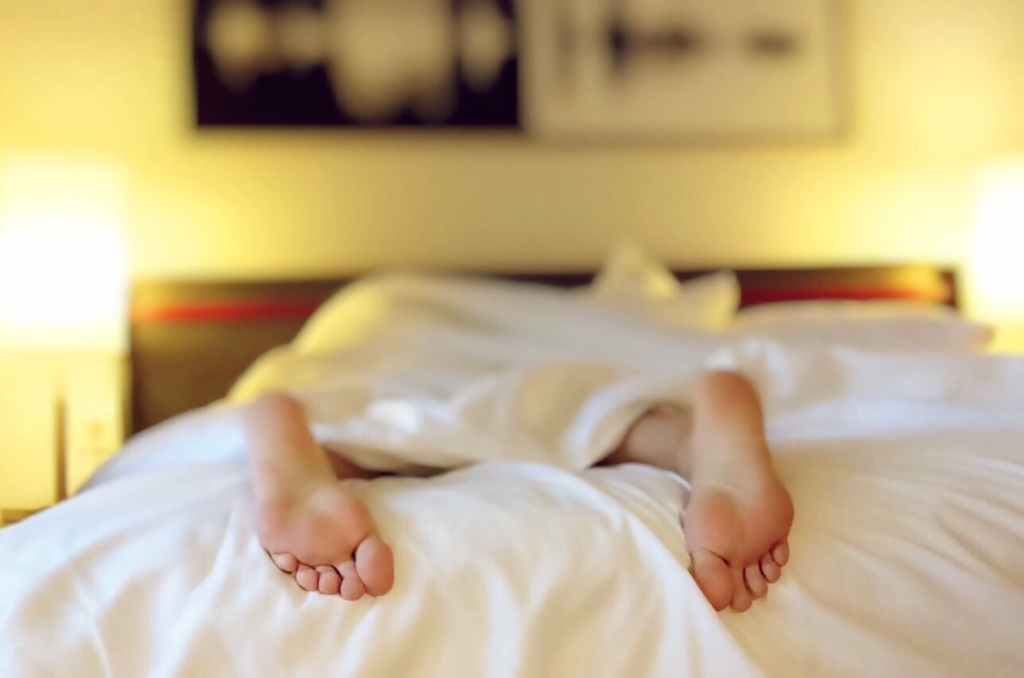
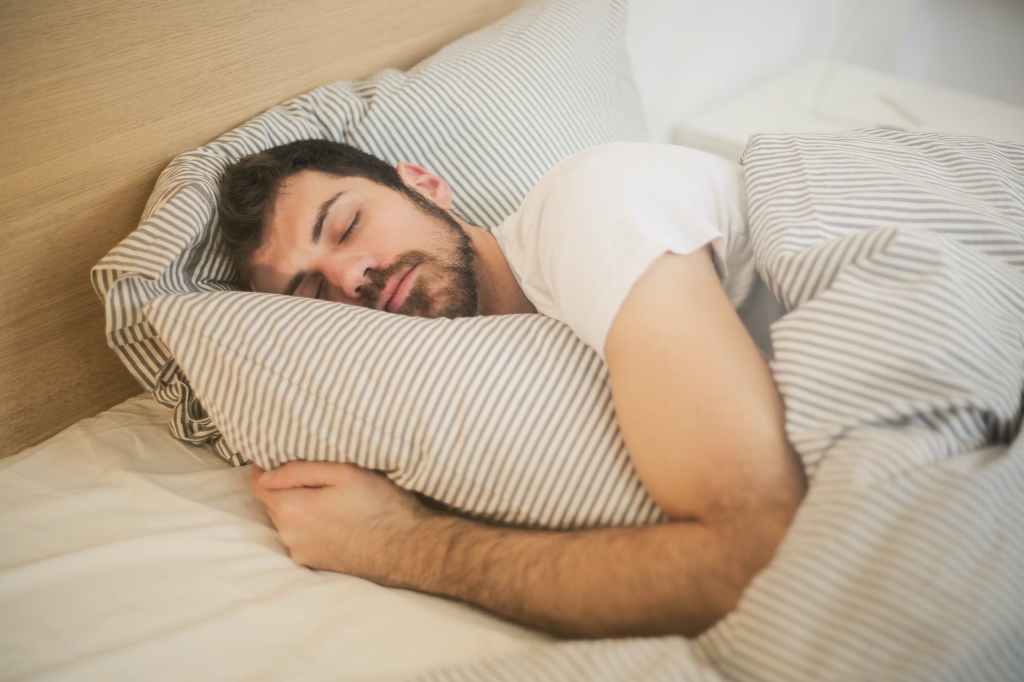
I love sleep. What little I get of it! But it’s without a doubt one of my favourite things after my family and martial arts. I’m a firm advocate of naps, recognizing their rejuvenative effects and benefits. But is it possible to get TOO much sleep? The lazy bastard in me says no, but the dominant, logical side of me says yes…

First, I need to be clear on the fact that I’m not referring to a generalized number of hours’ sleep for everyone. After all, every person is different. But it should be agreed that the average adult requires between 7 to 9 hours of uninterrupted sleep, every night, in order to function properly. Depending on the age group, you may need more or you may need less. The National Sleep Foundation has an online article at sleepfoundation.org that describes the amount of sleep you need by age group.

Here’s the irony: lack of sleep can cause a number of cognitive and physical side effects on the body. Heart and metabolic issues, problems with memory and increased risk of stroke have been linked to oversleeping. There are some mentions of Diabetes and death in there, as well. Although any correlation has yet to be proven on those. And to be clear, oversleeping means getting more than 9 hours in one sitting… or laying, I guess.

People will sometimes oversleep as a necessity for something their body is adjusting to. If you’re on prescribed medication that causes heavy drowsiness, getting yourself off the rack may take a bit more effort. If you turned a mean drunk with your buddies the night before, the following morning’s hangover may require you to stay in bed with the curtains closed for a tad longer than expected.

According to Dr. Michael J. Breus, who authors a webpage called The Sleep Doctor, oversleeping is more common than we think, and can often be linked to mental health issues, such as depression. The article goes on to explain that the amount of sleep required is contingent on a number of factors including but not limited to age, activity level, health and life circumstances. In those instances, the article is referring to a consistent problem and not the rare occasion where you seem to have problems getting to sleep.

One of the major issues facing someone with Type-1 Diabetes is the lack of a proper night’s sleep. Often, fluctuating blood sugars throughout the night will have you waking up for excessive urination or to take insulin because you’re running high, or to consume some fast-acting carbs because you’re having a low. This definitely messes with a full, uninterrupted night’s sleep. Restless Leg Syndrome is also a reality that folks with Diabetes are often forced to deal with, due to neurological damage caused as a side effect of Diabetes.

At this point, I’m usually out of bed around the same general time every morning, regardless of what time I fell asleep. Keeping a routine in terms of bedtime and wake time can be helpful. If I see I’m excessively exhausted, I allow myself the benefit of a short nap throughout the day (if my children permit). But there are a few things you can do to ensure a better sleep and hopefully prevent oversleeping:

  1. Have a Bedtime Routine: If you do the same thing every night, your body starts to recognize that it means bedtime. Getting into sleepwear, brushing your teeth and setting the morning’s alarm at the same time every night will help prepare your body for sleep. This brings me to my next point…;
  2. Set An Alarm: Hey, I love the thought of simply sleeping until my body feels ready to wake on its own as much as the next person. But this isn’t always possible, depending on work and familial obligations. Setting an alarm ensures you wake up consistently at the same time every morning. As much as that sucks, it helps with maintaining a proper sleep pattern;
  3. Avoid Caffeine and Alcohol: This one should be common sense, but let’s be real for a moment… Most of us consume alcohol during the evening and late night hours. There’s no requirement to do it this way; it’s simply the societal norm because it’s generally frowned upon to be consuming alcohol during the workday. However, unless the social get-together is planned for the late evening, having a drink or two around supper time then stopping will help to ensure that your sleep isn’t affected by your booze. Even if you “pass out” from drinking, it isn’t proper sleep and you’ll likely wake up feeling worse than you did when you hit the pillow;
  4. Get Plenty of Exercise: I can personally attest to this one! Having a wicked workout sometime during the day will increase your chances of getting a good night’s sleep. besides the fact that you’ll be tired, exercise is conducive to a good night’s sleep.
  5. Check Your Blood Sugar Levels: For us Diabetic folk, making sure we aren’t on an upward or downward trend with our blood sugars is important. Honestly, maintaining a total control all throughout the night is pretty unlikely. But if you can at least ensure that you aren’t skyrocketing when you nod off will help make sure your rest is significantly better. That, or if you’re like me, you don’t want your insulin pump running out during the night.

It sounds like a lot, but to be honest, once you have a routine it’s pretty mundane and, well… routine! Sometimes when I’m feeling tired, my eyes will close for about twenty minutes while I’m seated at the couch. My whole family gets a giggle out of hearing me snore and I get the quick refresher I need to get me through the rest of the day. But there you have it! Get proper sleep, not too much! ☯

Almighty Diabetic Sweet Tooth

One of the best parts about being a father is having the ability to allow my child to indulge in the things that I can’t. Namely, food and sweets. Although I try to keep my son on the nutritional straight and narrow, a big part of me is often envious that he can make it through his day by consuming high-carb foods without worrying about his blood sugar levels. A good example would be a few days ago. I woke up and hadn’t gotten any coffee in me yet.

My son had eaten a light breakfast, but expressed his desire to have some eggs. I was taken aback by this, as he is usually opposed to anything that isn’t crackers, bread or wraps. I told him I’d immediately fry him up a couple of eggs, but he corrected me by showing me the small bag of Hershey’s Eggies I had sitting in my workout area from a low I had suffered the day before (BTW, chocolate is absolutely horrible and the worst choice when you’re having low blood sugar, but I’ll save that one for another post!) I ended up shrugging my shoulders and said, “Why not?” and let him consume the five or six eggies that were left in the pouch. It was nine o’clock in the morning. Meinh…

My son has that benefit and his immune system is showing no signs of attacking his beta cells, much to my relief. But what can those of us who suffer from Diabetes do? If you’re anything like me, just HEARING about a specific food will have me craving it. I’ve lost count of the number of times that my wife has spoken the words, “You know what would be good?” only to have me salivate and suffer in silence. Okay, who am I kidding? I never do ANYTHING silent…

Although I am currently on pump therapy and some “experts” may say that the use of insulin allows for the consumption of sugared goods if I so choose, piling on more insulin isn’t a great solution and it has its share of side effects. Depending on the routine of your day, constant infusions of insulin outside of your meal periods can lead to difficulties controlling your overall blood glucose levels. I also don’t need to remind anyone that people with Diabetes can have difficulties with managing body weight and increased insulin definitely doesn’t help with that.

First and foremost, sugar can be addicting. Yes, you read that right. When was the last time you heard of a white powder that WASN’T addicting? But seriously, craving sweets can be an addictive habit where your body seeks the release of dopamine through the consumption of something sugary or sweet. The idea is to try to find some way of curbing that craving without succumbing to it. I can easily admit that I’m a big fan of allowing the occasional indulgence. Doing so not only allows you the occasional treat, it makes it easier to stick to your meal plans and less likely to falter from a diet you may be on.

According to an article posted on HealthLine.com, there are a number of foods that you can consume that will help to curb those nasty sugar craving. Although I won’t list ALL the foods in this article, I’ll point out my favourites and which ones I feel have worked the best for me. Obviously, you want to be able to recognize the difference between a craving and genuine hunger. But here are some options…

  1. Fruit: This is a great alternative since most fruits have a sweet taste. They do also contain sugar, so you want to know how much you’ll have to bolus in order to compensate. The difference is that it’s a much healthier option with fibre and other good stuff thrown into the mix;
  2. Dark Chocolate: My wife and I are both fans of dark chocolate. And it usually refers to any chocolate that is higher than 70% cacao. Dark chocolate has a number of fantastic benefits, which I wrote about in my post Embrace Your Dark Side. But the higher the percentage of the chocolate, the less sugar is usually contained within. Chocolate is still pretty high in fat, however. So, that’s a consideration;
  3. Chewing Gum: Yup, that’s right! Some studies have shown that chewing a piece of sugar-free gum can help to stave off sugar cravings, as well as help to control hunger. They’re sweetened with artificial sweeteners, of course, and not everyone likes that. But it’s certainly an easy way to stave off cravings.

These are just my top 3 and the ones I usually lean on. The chewing gum is actually my most-used method of staving off sugar cravings and/or controlling hunger throughout the day. The article includes 19 foods and does go on to say that if you find yourself constantly craving sugar, you should probably examine your diet and figure out what you’re lacking that might be causing it.

Last but not least, there are plenty of “Diabetes-friendly” desserts out there. Don’t be afraid to do some research and find some recipes, should your craving be for an actual dessert. The Diabetes Canada website has an entire section on recipes and can offer a variety of Diabetes-friendly recipes for not just desserts, but healthy meal options as well. The idea is not to try and go cold turkey, but to be smart about it and recognize the cravings for what they are. ☯

To Chi Or Not To Chi…

Does Chi exist? What is Chi? Chi can go by a number of different names: Chi, Ki or Qi, this energy is said to be the animating force behind all living things. In karate, we learn that our energy comes from the hara, or the belly area. This would be why ritual suicide in medieval japan was done by slicing open the belly as opposed to other “conventional” means.

But… Does it exist? This is the question that has been debated, especially in the Western world, for a very long time. Depending on what culture and/or background you may be referring to, Chi is what gives you the energy to keep going. We all have Chi and each person has the same amount throughout all of our lives. The use of that energy is simply allocated to different aspects as we get older. This would be one of the reasons why my 5-year old seems as though he has an endless pool of daddy-crushing energy while I wake up most mornings wondering if my body will actually get me out of bed.

It’s not magic or wild fantasy… I’ve seen some “scientists” speak about how Chi does not exist, there’s no evidence of it and there’s no way to prove its existence. Hmm. Perhaps they’re right, but some of the concepts behind Chi are also rooted in modern science. For example, the Law of Conservation of Energy teaches us that energy never ceases to exist; it is merely transformed or transferred. The amount of energy within a contained system remains constant.

So, ask yourself an important question: What are you? Are you simply the sum of your physical body? Nothing but a mass of tissue, water and bone? If so, what about the essence that makes you, well… you? The person you are, the sentience, the awareness, your personality and the living being that has put in years of existence in this life… What happens to that after you die? Is it simply a light switch that flicks off, or do you believe that your energy will be transformed or transferred?

Thinking about some of these questions can be scary. After all, no one likes to conceive of their own death. But as my uncle always says, “We only do TWO things in life; pay taxes and die!” The joke is many people get away from paying taxes. But death comes for us all. And the question of what comes after can yield anxious results.

I am totally on board with the fact that Chi isn’t some “magic” energy that can be harnessed. When you see people claiming to be able to push over opponents from behind a wall and shatter stone with the power of their Chi and other wild things, I can understand why people would be reluctant to believe or understand Chi. But just because a few charlatans have demonstrated fraudulently aspects, doesn’t mean it doesn’t exist.

That certain “something,” the unspoken quality that makes you sentient and self-aware, can’t be denied. It makes no difference whether or not you believe in gravity; it’ll still keep you firmly rooted to the ground. The same can be said about the energy that makes you who you are. Whether you choose to believe in its existence or not, won’t change the fact that you are still here. ☯

Nothing Is Free

I think it was Ted Hughes who said, “Nothing is free. Everything has to be paid for.” In fact, I’ve been hearing some iteration of that saying all my life. My family and close influences have always told me that nothing in life is free. And in many ways, they’re quite right. All life is a balance, and usually that balance is maintained by taking from column “A” and dropping into column “B”.

This is why I’ve always been fascinated by the term “free time.” To be clear, this is the term used to define the period of time where one is not required to work, or has the time to spare to engage in leisure activities. In recents weeks, people have been finding themselves with loads of “free” time and have often found themselves at a loss as to how to fill it.

Despite the current state of things, your time is certainly not free. Whenever you surrender your time for one thing, it usually comes at the cost of another. Consider this: It’s Sunday afternoon. You’ve followed whatever routine and habits your household adheres to and perhaps you’ve enjoyed Sunday brunch or some pre-planned meal.

Now comes the decision as to what you’ll do with your afternoon. Will you do some household chores? If you’re a homeowner, that list is never complete. Perhaps you could have a workout. Maybe you need to assess your taxes, complete paperwork needed for work on Monday, play with your kids or call you mother. The chances are that whatever choice you make will take away from everything else. If you choose to assess your taxes or focus on paperwork for your job, you’ll be ignoring your kids and sitting on your rump as opposed to getting some exercise.

“Nothing Of Value Is Free. Even The Breath Of Life Is Purchased At Birth Only Through Gasping Effort And Pain.”

– Robert Heinlein, author of Stranger in a Strange Land

At the end of the day, it all comes down to proper time management. Being able to decide how to accomplish things through the course of your day in conjunction with keeping deadlines is invaluable, whether it’s for your home or your work. Believe it or not, there is no such thing as multitasking.

Don’t believe me? Think about it… No matter how many tasks you think you’re doing simultaneously, you’re only ever actively doing one thing at a time. Even when you have two things on the go, one of them is usually progressing on its own while you’re attending to the other.

My job uses a colourful term referred to as “task sequencing.” This follows on the coattails of what I mentioned above, where you aren’t so much doing two things at once but doing one thing after another respectively, based on their importance. I may be getting on a bit of a rant here, and being a bit too specific and/or technical. My only point is that even in the midst of all this “free” time, one should be mindful of how their time is put to use.

If you do find yourself with some of this so-called free time, be sure to use it constructively. After all, idle hands lead to idle minds. It may be the perfect time to get to that book you’ve been dying to read or try and learn that second language. Online learning and courses are become all the rage, especially as a semi-permanent after-effect of a self-isolated world. Either way, when one is not exercising the body, one should be exercising the mind. So be sure to fill your time constructively. Not only will it pass the time, you will be all the better for it. ☯

I Apologize For This Post…

I’m sorry. That doesn’t seem difficult to say, does it? Yet, most people are reluctant, even hesitant, to say they’re sorry and apologize, even when the situation warrants it. And why is that? As reasonable, rational people, should apologizing be so difficult? For most people, it certainly is.

I found myself thinking about this recently, when I had a small confrontation with my 5-year old son. I had woken and got my first caffeine of the morning with the intention of sitting and enjoying it before having to deal with matters of the day. My son was playing nicely on the floor with his baby brother, Alex. When I came down to the floor to check on the baby, Nathan and I got into a playful wrestling match. Once it was done, I started to stand, but he was holding firmly to my leg.

When I finally convinced him to let go, I stood and took the first step towards my morning coffee. He grabbed my leg once again, shifting my balance and forcing me to bring my foot down hard to stabilize myself. I very nearly stepped on the baby’s leg. I was not impressed. I sternly told him never to grab someone’s leg when they were walking as he could have tripped me and harmed the baby.

He took direct offence to this, and started pouting. Without getting into unnecessary details, the interaction ended with Nathan being sent to his room for talking back and being the basic little brat he occasionally enjoys being (I blame his damned cartoons!) I instructed him not to move from there until he was ready to apologize and be good.

It took well over an hour before he finally emerged from his room and presented me with a scribbled piece of construction paper. The scribbling apparently was a written apology, which he delivered verbally as well. (Doesn’t it tug your heart strings?) I freed him from his imprisonment and as an afterthought, I apologized as well…

Did I do anything wrong? Did I need to apologize? Maybe not. But I got angry with my child. I raised my voice and I doled out punishment. And I was sorry for both of those things. So I voiced as much. We exchanged a hug and he carried on with his day. I’ll admit that I felt better for apologizing.

So, if it makes one feel better, why does it seem so hard to do? According to an article posted by PsychologyToday, people who fall under the category of “non-apologists” will avoid or refuse apologizing, even in the most required of circumstances. The reasons for this may include trying to separate actions from character, feeling shame from having to apologize, fear of further conflict and assuming full responsibility for the situation.

But even if you’re not a non-apologist, saying that you’re sorry, even when you may be responsible, can be difficult for most people. For some, apologizing can be difficult because it makes them feel vulnerable or humiliated. For others, it can be a matter of self-image as apologizing for something can make a person feel inadequate or lacking in something, since apologizing can often be interpreted as assuming fault or responsibility. Even if that’s not necessarily the case.

Saying that your sorry can be the easiest thing that is so hard to do. But there’s no denying that there would likely be less suffering in the world if we could all swallow our pride and simply say “I’m sorry” when it is asked of us. Whether wrong or not, sometimes it can mean all the difference. Maybe even to yourself. ☯

Let’s TEA Off…

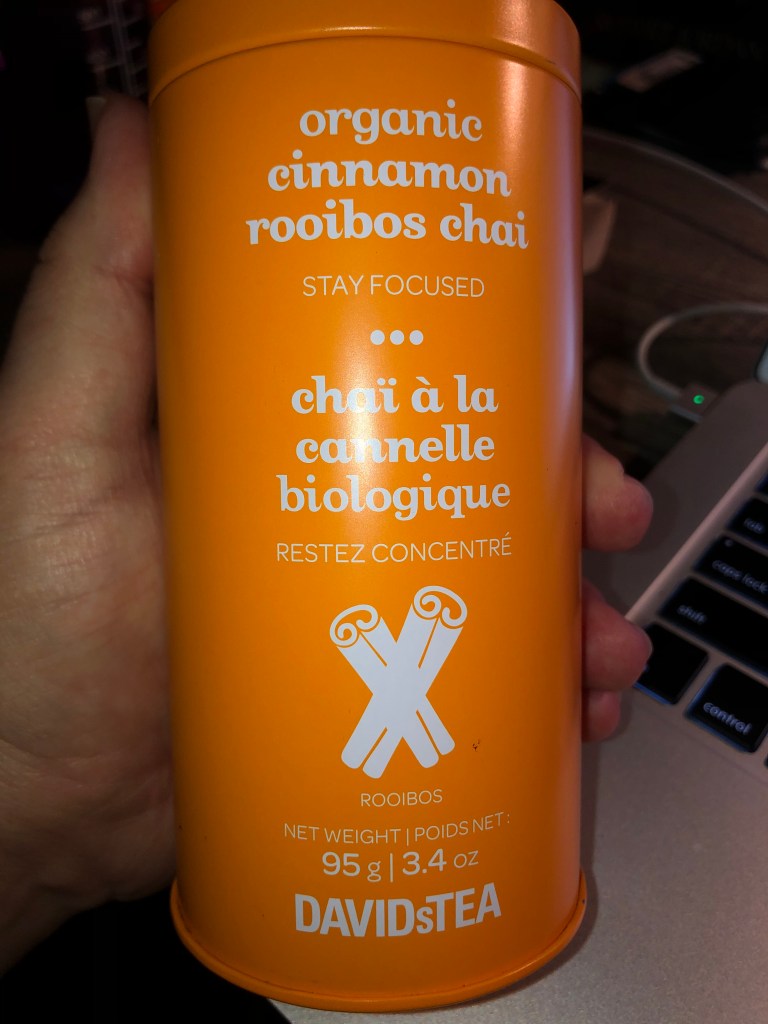
I’m not a fan of tea… In fact, anyone who knows me is well aware that I have a particular affinity to coffee and caffeine in general. But despite my personal preferences, tea in general does tend to have a reasonable amount of caffeine. In fact, a normal cup of pure green tea (without any additives) usually has almost 30 milligrams of caffeine, despite some sources claiming that green tea is “naturally” caffeine-free.

I learned this lesson the hard way last week, when I decided to enjoy a cup of green tea at about 7 o’clock in the evening and wound up being awake for most of the night. I spoke to my Sensei about it, who studies herbs and Chinese Medicine, only to be told not to consume tea after 5 p.m. for this very reason. I should have asked BEFORE trying it. Nothing like learning the hard way…

I wrote a post last year, outlining the benefits of green tea, called My Tea Is Green With Envy. In fact, I also wrote about the aspects of coffee called Sweet, Blessed Caffeine…, although it doesn’t necessarily cover the benefits of coffee so much as it discusses the appropriate levels of caffeine one can consume. Regardless, I won’t get into the benefits of Green Tea in this post, as you can easily read them in the linked article above.

As I said in the beginning, I’m not a fan of tea. I remember the first time I tried a cup. Although I don’t remember exactly when it was or how long ago, I had decided to try a cup in lieu of my constant stream of coffee. I remember wondering why in the hell I subjected myself to the brew as it reminded me of a cup of hot bath water (And no, I’m not speaking from experience. Before anyone asks…)

But I try and enjoy (and I use that term lightly) a cup of green tea at least once an afternoon. According to an article posted by the Pacific College Of Health And Science, “Green tea polyphenols and polysaccharides are effective in lowering blood sugars. […] The polyphenol group of green tea catechins has been shown to lower blood sugars, as well as the polysaccharides in green tea.”

Some other studies have explained that some blends of black tea can also have the same benefit, although I can’t seem to find my source so I’ll leave it to you to decide. But after my little insomnia “incident” with the green tea, I asked Sensei about some different teas that provided some, if any benefit. Here are some of the options he threw at me:

  • Ginger Tea: This is good for helping to stomach pains and nausea. It’s also been shown to help with muscle aches, making it ideal for post-workouts. A true herbal tea, this is a genuine caffeine-free alternative when compared to green or black teas;
  • Barley Tea: I honestly had never heard of barley tea until Sensei mentioned it. But it’s also good for helping with stomach issues and can help alleviate problems with your sleep patterns. Some also enjoy drinking it for it’s nutty flavour. Since barley tea is made from, well… barley, it falls under the same category as ginger tea and is said to be completely caffeine-free (I’m seeing a trend and I think Sensei is trying to tell me something!);
  • Dandelion Tea: Alright, this one sounds straight up disgusting! Sensei even suggested picking and drying my own dandelions to make this tea. But once I got to researching, dandelion tea has a significant number of benefits, according to an article posted by Healthline.com. These benefits include reducing water weight, helping with stomach issues, increasing liver health and preventing urinary tract infections. Sounds pretty good, although dandelion root can interact with some medications, so chat with your medical practitioner before drinking it in any serious way. Another caffeine-free alternative, some claim it tastes surprisingly similar to coffee;
  • Ginseng Tea: I’ve heard for decades that the consumption of Ginseng helps with increased brain function. Healthline.com also has a pretty decent article on this one. But some of the benefits include helping with erectile dysfunction, boosting the immune system and may increase energy levels. The interesting benefit to this one is that it could also help to lower blood sugar levels. Ginseng is actually on par with coffee on the caffeine front, which is likely how it “helps” with energy levels.

Last but not least, is a blend of tea that I actually kind of enjoy. This would be mint tea. Sensei recommends having a cup of mint tea in the evenings as it helps you to relax. Peppermint tea is said to be caffeine free as it is an herbal tea, and has a significant number of benefits that include the ones listed above. Not least of which would be the fact that it also helps to freshen your breath.

Although you can easily obtain any of these teas at your local grocery store, it’s also important to know what you’re putting in your body. Take a close look at the ingredients listed on the package. Some commercially-made teas will include additives, preservatives and ingredients you may not want with your tea.

I stand by my preference of coffee over tea, but there’s no denying that the benefits make it worth having a cup. Whether enjoyed while reading a book, streaming your favourite show or simply because you like it, a cup of herbal tea can be a great idea. Although I admit that I won’t be harvesting my own dandelions from the back yard anytime soon… ☯

Remembering When… (It’s A Long Read, FYI)

April is always a bit of a catch-22 for me, because it contains so many dates and milestones in my life… Some good, some bad but all remembered. For example, it was in April of 1988 that I first set foot inside a karate dojo and forever changed the direction of life as I knew it. It was in April of 2013 when my wife and I became a couple and April of the following year that we got married.

As fond as I am of those memories, April is also the month that my brother passed away after a chaotic, 18-year battle against kidney failure, heart issues, Epilepsy and a score of other illnesses too many to list. Ironically, April is also the month in 1982 where I passed out cold into my bowl of morning cereal, which resulted in an emergency visit to the hospital where I was diagnosed with Type-1 Diabetes…

For weeks, my parents had started seeing a change in me. I had been going to Kindergarten for a while and had joined a younger version of the Boy Scouts called “Beavers” (insert the NSFW jokes here). Life was playing out the way it should for a child my age, with the exception of spending the majority of my free time at the hospital with my brother and my strange affinity to reading books.

But as the next couple of months passed, I began to lose weight. I couldn’t stand foods I usually enjoyed and I was always moody, bordering on crabby. I started wetting the bed again, and I’m not sure who that chagrined the most; my parents or myself. I was constantly thirsty and often suffered from bad stomach pains and cramps. Having never experienced a normal childhood through my brother, my parents felt that I was likely just going through growing pains. How very wrong they were!

I awoke on a quiet morning in April of 1982. I remember my body feeling like a lead weight and my head was spinning. My stomach hurt like hell and I couldn’t seem to formulate any words. I managed to make it to the washroom, although I had wet myself once again. When I stumbled out to the main area of the apartment we all lived in, I found that my mother had prepared a bowl of my favourite cereal: Froot Loops. I remember sitting at the table and my mother saying something to me, then everything went black.

That’s the last thing I remember before waking up in a hospital, several days later. According to my mother, I sat down at the table and stared at my cereal. She started asking me questions, to which I apparently frowned at her and continued to stare without answering. She started asking me what my problem was and what was wrong. And then my face flopped down into my cereal and I was out cold.

I don’t recall how I would have gotten to the hospital. As I remember it, my father was gone to work and we only had one vehicle, so I have to assume that my mother either called for an ambulance or a neighbour in our building helped out. I opened my eyes and found my parents standing there with some medical staff. Oddly enough, I wasn’t scared. I was more upset about the fact that their voices seemed to have woken me than I was about my locale.

This was the first time I heard the term “Diabetes.” I had no idea what it meant, but the mention of it brought a look fear on both my parents’ face. I recognized that it must be something bad, although I wouldn’t fathom the seriousness for quite a few years to come. The next week flew by in a blur as I was taught how to test my blood and use a massive plastic brick called a “glucometer.” I was taught how to properly load and inject insulin into my thighs, butt and triceps, although my mother took care of injections for the first couple of years. And I spoke with nutritionists and dietitians at length, all of whom repeated the same mantra: DON’T EAT SUGAR!

By the time I was released and sent home, I was wearing a shiny new metal bracelet that read: JUVENILE DIABETES, a term which is now considered a misnomer but still used. I had a batch of new equipment that my family couldn’t afford and significant limitations placed upon me. I had to quit the Beavers. My kindergarten teacher was advised of my condition who in turn, advised the whole class that “I had a special illness and had to be watched carefully” and to advise the teacher if I was found acting strangely or looking ill. This set the stage for the decade that would follow and permanently give me the top position on the weirdo podium of life, guaranteeing I would never be popular and most kids even went as far as to avoid me (this pre-dated a time when everyone had tender sensitivities and angry phone calls by parents to teachers were a common thing, so I actually had to DEAL with my problems).

Although Diabetes was a well-known condition in the early 80’s, many of the specific aspects weren’t as focused as they are now. Carb counting was not a thing in my household; it was always “DON’T EAT SUGAR.” This meant that my parents erred in some respects that I now know better. Thirsty? Sure, have that glass of milk. Milk has no sugar… or If you need a snack, stay away from Froot Loops and have a handful of crackers. There’s no sugar in crackers… When in truth, crackers are just as bad (in some cases worse) than sugared cereal.

The next five years included a number of short-term comas, complications, lifestyle issues and my presumed death in the years to come due to the onset of severe insulin-resistance. By the time I had reached 9 years of age, I had grown accustomed to going to sleep wondering if I’d be in my bed or the hospital the next morning. My brother also became a combat veteran at waking up and fetching my parents if I slipped into medical distress. I truly owe him my life in more ways than I can count.

Over the next year, significant lifestyle changes and taking myself in hand turned things around. I refused to let my mother provide my insulin injections and began doing it all myself. I tested multiple times a day as opposed to the once or twice a day that we could afford, sacrificing other things I didn’t need in order to make it work. I was able to spread out some of my supplies. For example, I used to cut ketone test strips down the middle, creating two thinner test strips. You’re pissing on them, for pete’s sake! Who cares how wide they are, right?

The I started karate. The following year is when I started to see light at the end of the tunnel. Structured fitness and exercise routines, mixed with a heavy dose of discipline, helped me to gain mass, increase my cardio and overall health and reduce the effects of insulin-resistance. I had been studying karate for a number of years before I finally told my parents, who didn’t approve of the choice for fear that I would get injured or succumb to the effects of my condition.

I developed a drive for life that has seen me succeed in every aspect I’ve ever pursued. Because I always refused to simply lie down and die. And those doctors who believed I would succumb to my Diabetes in my early teens? I’ll be celebrating my 42nd birthday this year, and guess what? I’M STILL HERE!

I sometimes look back at those early years and wonder what may have become of me, had things turned out differently. At the time, my brother and I shared a bedroom. What if I had slipped into my comatose state and he hadn’t gotten my parents? Or what if I hadn’t decided to get into fitness and karate and allowed my condition to take control? Would I have been more popular? Would I have had more friends, joined more sports, gone on to do something different with my life?

SO many variables that I’ll never know… But ultimately, it’s all led to the here and now. And all of it had created the person I am today; the person who is currently typing out this blog. In retrospect, I wouldn’t change a thing… ☯

Get Green With Some Knowledge

This is a subject that I’m far from being an expert on… If one assumes that I’m an expert at anything… But today, I’d like to touch on the importance of plants and vegetation. Anyone who knows me is aware that I’m not exactly what anyone would call a vegetarian. But if there’s one thing that vegetarians and I can agree on, it’s the importance of plants.

Anyone who paid attention in school knows the basic importance behind plants. Through a process called photosynthesis, plants use carbon dioxide and water to create oxygen. This is significantly important since, well… we kinda need to breathe to stay alive. Plants are able to provide a broad variety of other benefits, such as being a source of fibre, medicine and even clothing. Some plants filter water and heavy metals and without plants, none of us would likely be here.

The reason for this is simple: plants are consumed by plant-eaters. Plant-eaters are consumed by meat-eaters. All life eventually dies and returns to the earth from which it came and fertilizes it for further plants to grow. (Cue the musical theme to the Lion King). So if all vegetation disappeared from the Earth, we would not survive. Make sense? Alright, moving on…

According to an article posted on EcoWatch.com, having plants within your home can provide some pretty important benefits. These include helping to purify the air in your home, balancing humidity, improving mental health and strengthening one’s immune system, which I don’t need to remind everyone is important for Type-1 Diabetics. You can read the article for yourself, as it provides many more examples: https://www.ecowatch.com/health-benefits-of-having-plants-at-home-2608386260.html

Sometimes we forget just how integral a role the vegetation on our planet plays in our daily lives. That floor you’re walking on? The frame of the couch you’re sitting on while reading this post? The struts and skeletal structure of your home? These are likely constructed of wood. Last time I checked, trees were vegetation too!

Plants and vegetation have been proven to reduce stress, either through having plants within the home or using gardening as a leisure activity. Reduced stress leads to reduced blood pressure and improved immune systems, which lead to better Diabetes control and blood sugars. The benefits are plentiful.

I once had a small cactus plant that required next to watering and no attention. And I STILL couldn’t manage to keep it alive. So at the end of the day, having plants isn’t for me. But they sure are delicious when roasted and seasoned properly. Their nutritional value is definitely not lost on me. But when you feel you’re tired of hearing about the issues with deforestation or the importance of plants and vegetation, remember that ALL living things are necessary in order to preserve the balance that is life. ☯

Sight Amongst The Chaos

The world is in a state of division: one side that is doing everything they can to avoid going out and having contact with other members of the public. The other side are the ones who throw caution and by proxy, all of our safety, to the wind. I can’t stress the current importance of social distancing and staying home unless absolutely necessary.

As much as some people would absolutely love to have the world grind to a halt for one or three months, there are some things that simply can’t be avoided. For example, families need groceries and pharmaceutical amenities. Some people have medical needs that extend beyond the call-in phone lines and require in-person visits. For those of us with Type-1 Diabetes, those appointments can mean the difference between continued health or the slow descent into loss of control.

As I’ve written before (and included gross photos), I attend Saskatoon City Hospital every 8 weeks for eye injections in order to reduce swelling and eliminate the effects of Diabetic Macular Edema. I’ve already written about this specific condition and you can read that post here (Part 1) and here (Part 2). So I won’t get into the conditions, per se. But if you read those two posts, you’ll understand what it is I go through every 8 weeks.

The point is, I had an eye injection appointment scheduled for yesterday. About two weeks ago, I reached out to the Saskatoon Retinal Consultants and consulted with Health Canada as well as the Saskatoon Health Region to ascertain what dangers may be considered and what options I had available. Based on all the consultations I received, Saskatoon was considered a “safe zone” and patients were being encouraged to keep their eye injection appointments.

The reason behind this was quite simple: Maintaining one’s eyesight and preventing blindness is definitely considered essential. I can’t say that I disagree with that sentiment, but the thought of leaving my family during these trying times was less than ideal, in my mind. But I couldn’t drag them out with me, considering everything going on. I didn’t want to bring an infant, a young juvenile and my wife into another large city where they’d be exposed to people who weren’t being safe.

I contacted my usual hotel of preference, the ParkTown Hotel. It’s a 10-minute walk and the price and comfort is above reproach. I reached out and asked if they were still accepting reservations. They were, but they had shut down everything within the hotel: restaurant, gym, pool and Finn’s Irish Pub, which is where i usually wash away the pain of my injections with a pint or two.

I booked the room regardless, and was offered a 20% discount, which tickled me to no end. The only problem is I would have to pack some food as the restaurant wasn’t available. No big deal. I woke up yesterday morning, packed my bags and took to the highway. It was a surreal 2-hour ride. There were almost no vehicles on the highway. It felt like something out of a bad book.

I reached the city at about 1 p.m. and went straight to the hotel. I had to be buzzed in, and I approached a reception counter wrapped in plexiglass. The receptionist confirmed that I had a reservation and had me press my ID against the glass and swipe my own credit card as a hold on the room. The place was quiet and the entries to all the amenities were shut and locked.

I checked into my room and responded to a number of emails and blog notifications before prepping my shoulder sling and walking to the hospital. Once Arrived at Saskatoon City Hospital, I was met at the door by security services who requested my name and checked a list. I felt as though it was Night At The Roxbury and they were checking if my name was on the VIP clipboard. I regretted not wearing my red satin suit…

I was “requested”, and I use that term lightly, to use hand sanitizer and place a face mask before accessing the hospital. I saw that my name, S. Cook, was on the clipboard, leading me to believe that I would not have been permitted inside had my name not been on the list.

The “Paper Ninja,” or perhaps The Invisible Man

Once inside, I reached the fourth floor where the Eye Care Centre is located, and checked in with the reception. Contrary to the usual process, I was given a small identification “sticker” to place on my clothing instead of the usual hospital band. I was ushered through all the usual steps I go through, but much quicker and all the waiting rooms were empty as I passed through.

My ophthalmologist came into the procedure room wrapped in paper OR gear, from head to toe. He was quick and efficient, and mentioned that the clinic administrator would mail out my next appointment. I walked out of the hospital half-blind, avoiding people as I walked. The problem with the paper face mask is that it would fog my glasses, making it all but impossible for me to make my way out without removing them.

The Paper Ninja, without his awesome shades…

I sauntered back to the hotel and spent a quiet evening watching Star Wars and writhing in pain. My usual regimen of beer and burgers was sorely missed, last night. Now, I make my way back home. If I’m being honest, it was a SHITTY 24 hours and I can’t wait to get back to the relative safety and comfort of my home. You think self-isolation and quarantine measures are bad? It could be worse.

Yes, the world has gone to hell without the benefit of a hand-basket. And some people will be outside their house despite the requirements of the Quarantine Act. But don’t be so quick to judge, as these people may be on route to required and necessary medical appointments they need for their continued health and well-being. As much as we should all be self-isolating and staying at home, some situations simply don’t make that possible. Respect and understanding can go a long way, especially now. ☯

Fuel The Machine 🍔

A big part of maintaining good health is nutrition. Food plays an important role in most of the aspects I write about, including Diabetes and fitness. Obviously. So how does one use their eating habits to maximize their fitness? I may have used a cheeseburger emoji in the title, but this doesn’t mean you should start wolfing down burgers. I’m just a fan of burgers…

It stands to reason that some of the basic food elements should be observed. Protein is important for the construction and repair of muscle tissue and carbohydrates are required as fuel. I’ve covered those aspects in previous posts, but when is the best time to eat when working out? The jury is out and sometimes it depends a bit on preference.

According to an article posted by HealthLine.com, exercising on an empty stomach could have some benefits. A fasted system means that the body may burn through its fat stores as fuel as opposed to using carbs, especially if you haven’t ingested any. There’s no firm evidence showing that will lead to permanent weight-loss, and the article also indicates that food should be consumed some hours prior to a long workout, as your body may need the additional fuel to get through the workout.

Either way, the article postulates that one should definitely eat AFTER a workout, especially if you worked out with a fasting system. The body will need to replenish its energy store and replace lost nutrients. (https://www.healthline.com/nutrition/eating-before-or-after-workout#long-duration-exercise)

Timing can also be an important factor. One usually shouldn’t eat immediately before working out, as this can cause stomach problems as your blood supply is dedicated to your muscle tissue instead of digestion. But you should certainly snack/eat a meal within an hour of working out in order to replenish yourself.

Try to choose healthy options that will provide what your body needs. Chocolate milk is a fantastic fitness staple, since its loaded with protein and carbs. Excellent for replenishing your body. It’s also made primarily of water and will help to keep you hydrated. You want to avoid fatty foods as these will take your body longer to break down and digest and, well… fat, right?

At the end of the day, the best course of action comes down to your preference. Every person’s body is different, so the requirements may be different as well. But the important and common factors are to drink plenty of water to stay hydrated, eat well to replenish AFTER a workout (but mind your portion size) and don’t be afraid to snack. Bear in mind that one of the things your mother told you growing up was accurate: breakfast is the most important meal of the day. ☯