I always get a bit leery when tackling this subject. Not only has this particular topic long been incorrectly associated with Diabetes in its various Types, but given modern society’s penchant for body positivity no matter the shape of the body, it can make navigating the terminology in a diplomatic way a touch difficult. It doesn’t help that we live in a society where even something positive is usually interpreted as offensive. But on to the topic. I am referring to body fat.
From a body positivity standpoint, I agree 100% that a person can be on the heavier side and still be beautiful. And it’s important to understand and encourage that body positivity, so long as it doesn’t jeopardize one’s health. The issue I usually see is when someone who has excessive body fat or is obese, being encouraged to accept their body and it’s size and just kick their feet up and ignore the problem. No. This is incorrect. And dangerous. And now, I’m going to provide some explanations as to why.
First of all, body fat is important to the human body. Fat, in and of itself, is considered to be the stored energy source of the body. In other words, when your primary source of fuel runs out, the body taps into fat stores to keep you running until your next meal. Fat accumulation takes place when the amount of calories you take in exceed your body’s requirements. The body then stores the excess for later consumption, hence weight gain. There can be other causes for weight gain, but that’s the gist.
There’s no such thing as “Big Boned”
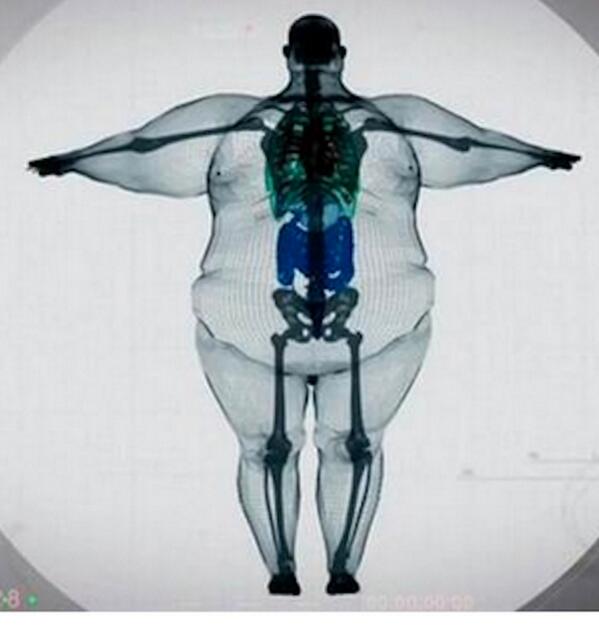
But your fat stores are intended to be a happy medium. Too much fat on the body can lead to cardiovascular and circulatory problems, damage the joints and cartilage of the body as well as possible metabolic issues. On the flip side, the human body can’t survive WITHOUT body fat, since it contributes to proper immune system health, energy balance and prevents starvation in instances when you can’t/don’t take in enough energy.
An article posted a few years ago by Freeletics.com states, “Too little body fat can cause deficiencies of fat-soluble vitamins, which your body can only absorb with fat. Another important factor is the risk of increased disease like heart disease, gastrointestinal problems, damage to the nervous system as well as the risk of organ shrinkage and an effect on your immune system.” The bottom line is that humans need fat in order to live. But it’s how much fat we allow to be stored on one’s body that is the issue.
It’s important to accept oneself as they are, but you excess weight can be detrimental to one’s life and health. The first step is to do SOMETHING. ANYTHING. Get off the couch and move. Even if you start with a simple walk and continue on from there, anything is better than nothing. Body fat doesn’t affect one’s personal beauty, inside or out. But fat can and will affect one’s health. And that’s where it becomes a problem. Proper diet and regular exercise are the best weapons. But bear in mind that certain medications and existing health conditions can also contribute. Be sure to speak to your doctor or medical practitioner if you feel there may be something hindering your weight-loss efforts. ☯
Naps are awesome. In many ways, I prefer napping over a nighttime sleep. If you think about it, going to sleep at night is a requirement. You’re basically forced to put yourself into a state of unconsciousness for seven to nine hours every night in order to maintain your health and keep from going insane. The how’s and why’s behind that can be a post for another day, but my point is that napping is a choice (mostly). It just fells cozier. And one usually makes the decision to curl up on the couch or lounger for an hour, or even a single bed, which is conveniently in your living room because you no longer have a room in the basement. But I digress…
There are a number of potential benefits to grabbing a quick snooze. According to an article I read on The Mayo Clinic‘s website, napping can help with relaxation, reducing fatigue, increasing alertness and improving mood and performance. Considering that many people find themselves stuck at home day after day in recent months, the possibility of adding naps into one’s daily routine is a definite possibility.
Given that my 6-year old son goes to school five days a week and we have an infant who typically naps twice a day, my wife and I have fallen into a routine where we usually join him on at least one of those naps. Problematically, it has gotten to the point where we experience pretty hefty fatigue towards the dinner hour if we haven’t managed to get OUR nap in, which can be a bad thing despite the benefits of napping.
I’ve checked with a number of different sources and leaned on all my usual go-to’s (WebMD, HealthLine.com and The Mayo Clinic) and they all pretty much make the same recommendations:
Don’t nap for long durations: If you nap long enough for it to start looking like a full night’s sleep, it’s not napping anymore. Most sources recommend no longer than 30 minutes to an hour, with one post indicating no longer than 20 minutes. Screw that noise. And hour is normally my preference, otherwise I feel there’s no point;
Don’t nap past 3pm: This is a tough one for me, because I have a tendency of sitting on the couch in the late afternoon and suddenly BAM! I’m out like disco. But napping past 3pm may interfere with the upcoming nighttime sleep;
Nap in a restful environment: Ever try to nap in an airport while awaiting a flight? I have! It usually results in waking up feeling like a bag of smashed ass, coupled with severe bodily pain due to those uncomfortable termination seats. Travelling is one example of when one may not have a choice, but if you’re napping at home, be sure to do it in a calm, quiet, restful environment.
Having a nap can be a an effective way of boosting work performance and improving your chances of furthering your career. In fact, an article posted by the Japanese Times (I couldn’t find the damn article again in order to link it) explains that a growing number of Japanese companies are making possible for staff to grab quick snoozes at the office in order to help manage their health and improve productivity.
Of course, the average Japanese employee only sleeps about six and a half hours a night, so there’s that. But I certainly wouldn’t object to having a sleep pod in my office in order to close my eyes for thirty minutes over lunch. That would certainly help get me over my usual afternoon slumps. But the Japanese have turned to creating nap rooms and having sleep pods in their break rooms. Innovative bunch, those Japanese. I mean, hey, they created karate, so that was a foregone conclusion…
Naps are okay. They don’t mean you’re lazy and they don’t necessarily mean you’re lacking sleep. But they are a good way to plan ahead and stave off the effects of “expected” lost sleep, especially with things like shift work or getting up frequently with babies. But if you find yourself in a situation where you simply CAN’T get through the day without sprawling for a couple of hours, you may want to consider speaking with your doctor about it. Certain prescription medications will not only make you groggy but could potentially be interfering with your nighttime sleep, resulting in the requirement for a nap.
Consider also, that if you have a genuine sleep disorder such as insomnia, night terrors or depression to name a few, it can leave you feeling exhausted the following day. One should also avoid the boomerang effect where you don’t sleep well at night so you nap, which results in a bad nighttime sleep. Wash and repeat. Now if you’ll excuse me, I need to wear out the baby so he’ll go to bed. Daddy needs a nap! ☯
Okay, so I’m going to take a slight break from harping on Diabetes today. Instead, I’m going to focus on something that was a primary concern for my late, departed brother: Fanconi Syndrome. When I mention this condition, most people have no idea what I’m talking about. And to be honest, it wasn’t until a couple of years ago that I researched it and came to know a little bit about it. I still don’t know the specifics, but I know enough to understand how it relates to my brother. And here’s what I know…
Fanconi Syndrome is a condition related to renal failure. It involves the body’s inadequate reabsorption in the proximal renal tubes of the kidney. There are several underlying reasons why this would occur, INCLUDING renal failure (which was my brother’s issue), a side effect of another disease or adverse drug reactions. Despite this, Fanconi Syndrome can be acquired but it can also be congenital or inherited from a parent who carries the gene.
Since my brother’s biological father was never in his life, I’ll never know if the fucker was responsible for that aspect of my brother’s suffering. There isn’t a whole lot one can do to treat Fanconi Syndrome. Majoritively, it’s treated with medications that replaces the lost elements through one’s urine, including bicarbonate. And since my brother suffered complete renal failure at birth, he kind of faced a chicken and the egg situation.
You can certainly lean on WebMD and Healthline.com for more specific information. I simply wanted to touch on it, since associates of mine asked the question. And it gives me a break from writing about Diabetes, which is always nice. ☯
Once in a while, I like to tackle subjects that most people seem to believe are taboo or off-limits. While I don’t tackle the most extreme of topics, I tend to cover subjects that some consider shitty… But the truth is today’s post is about something everyone does: Passing gas. In fact, NOT doing it can lead to health complications, including abdominal distension, painful cramps and even reabsorption of gasses into your circulatory system, resulting in the gas being expelled through your breath. Yeah. Gross.
Whether on an elevator, in a cramped room or an office setting, passing gas can be awkward, embarrassing and is mostly considered rude. But one of the most embarrassing and often avoided environments is in a workout setting. In the gym or the dojo, especially in yoga class, passing gas is considered a big no-no. But this is one the places it’s likely to happen the most. And here’s why…
First and foremost, there are lot of reasons behind why flatulence happens. In general, it’s a natural part of the digestive process as gas tends to build up during the breakdown of food. There can be some bodily issues that cause excess flatulence, but this is generally the main reason for it. When you work out, there are two issues that can cause excess gas. Heavy breathing during an intense workout can cause you to swallow air. This air is then expelled through the digestive tract in the form of flatulence. If you’re lucky, it may only be a burp. But let’s be honest; who’s ever lucky? The second issue is that all the stretching, twisting and exertion will cause excess air in your system to be squeezed out.
Another aspect is that proper exercise will cause your digestion to work as well. So it may simply be good old fashioned gas. And the last detail to remember is that heavy weightlifting causes the damage and breakdown of muscle tissue in order for them to rebuild, bigger and stronger. And much like any breakdown process in the body, it will create gas. There are plenty of other reasons, but I’ve probably grossed out everyone enough for this week. So feel free to hit up WebMD, HealthLine.com and Men’s Health for more information.
The important thing to remember is that unless you’re intentionally crop-dusting someone, passing gas is natural, normal, happens to everyone and is a necessary function of the human body. There’s no getting around it. So don’t be surprised if you feel the urge to burp or pass gas during your next heavy workout. ☯
One of the biggest aspects of my own core beliefs is that I have a profound respect for other people’s religions and faiths. I mean, as long as your personal faith and/or beliefs don’t bring harm to others or yourself, I’ve always lived by a standard of live and let live. Even if and when they conflict or contradict my own. It makes sense that not everyone sees things the same way, right? But how does one consolidate their beliefs, religious or otherwise, when they conflict with the requirements of the modern world?
The best example I can give, takes me all the way back to the early 2000’s. I was management, third in charge of a location, which for liability purposes I won’t name. But part of my responsibilities included the hiring and discipline of the staff. It was a trying position at times, and I didn’t always enjoy the conversations I had to have with employees, especially given the fact that some of those conversations were dictated by upper management and the owners.
One of the senior management attended a local church, where the youth congregation were invited to apply and based on that manager’s recommendation, most were hired and made up a significant portion of the part-time staff. And although I’m not a big fan of this type of nepotism, I’ll be the first to admit that the staff we hired were quite fantastic. Always on time, worked hard and seemed inclined to make a good name for themselves.
But one of my other responsibilities also included scheduling for a staff of almost a hundred. This task was often made all the more difficult by the fact that many of our part-time staff were involved in extracurriculars like sports, committees and hobbies. Trying to provide them with the three or four shifts a week they required while navigating those extracurriculars often proved challenging. Sometimes I found myself having to tell one of the part-timers that a big part of being a responsible person was deciding their priorities and choosing between work and outside activities.
For the most part, it was a smooth conversation, with both parties coming to some sort of consensus even when that consensus meant they’d be parting ways with the company. But one young lad made a point of providing an extremely tight availability and absolutely refused to work on Sundays. When I explained to him that as a high school student with limited availability, Saturdays and Sundays were integral to ensuring that he got his three shifts, it was an unhappy medium, because he demanded three shifts a week but refused to work on Sundays as it was “God’s day.”
As I was raised in a French Catholic family, I am very aware of the fact that scripture states that on the seventh day, God rested. That being said, the modern world makes very little convention for such observances, nor does the business world accommodate one’s belief that a part-time employee with a limited availability can be choosy about the days he works. And why would he? Buddhists have a number of “observed” dates throughout the year, but I’ve never refused to work on any of them.
This put everyone in an awkward position. Although it was just the beginning of the new millennium, this was my first taste of millennial entitlement as a leader of staff. It would go on to be a phenomenon that would become all too common in most workplaces. It was also a very fine line to walk. Disciplining or correcting someone on the basis of their religious beliefs is a dangerous thing, both inside and outside of the workplace. But despite having signed an employment agreement indicating that he’d work the hours that were given, the employee missed a couple of Sunday shifts in a row.
He was lucky in a way, because the first time he missed the shift he had called in the previous day to say he wouldn’t be coming in. I say that he was lucky because he got me on the phone. Any other manager likely would have told him to show up for work or he’d be fired. I, instead, asked him why he wasn’t coming in. I got the “God’s day” reasoning and told him that he had agreed to work any hours given to him and that church services were also held during evenings and many staff members adjusted to make it work. He made it clear he simply wouldn’t work on Sundays. Well. Fuck.
I’m a firm believer in picking my battles, so I simply documented the absence and reported it to the Store Manager and replaced his spot with someone who wanted a few more hours. The battle wasn’t worth the outcome for a 3-hour shift on a first occurrence. But the following week, he got scheduled a Friday evening, Saturday and Sunday shift as per the availability of being a part-time school student. This time, he chose to test his luck and simply didn’t show up for work on the Sunday at all. That’s when shit got real…
This time, he skipped out on a shift overseen by the Store Manager, who wasn’t having any of it. Our staffing levels were based on projected sales calculated from previous weeks and years, so if we had 5 staff persons scheduled to work, it was because we were expected to need those 5. The Store Manager contacted this employee, who responded with his usual rhetoric about it being a Sunday. The Store Manager advised he would take care of this one, personally. I was grateful for that.
So in all honesty, who’s the asshole here? Is it the employee for providing an availability and then reneging on it? Or is it the employer for failing to respect an organized religion’s day of observance? Is it considered a bit much for that day of observance to be every single week, or was this youth right in his thinking that no one should work on “God’s day?” While I’m here, I apologize if putting “God’s day” in quotation marks offends anyone, but I’m of the opinion that EVERY day is God’s day. But the very fact I the need to apologize for it is the very point behind this post.
There’s nothing wrong with having faith, so long as you’re faithful. So where does the concept of faith fit into the modern world, specifically the working world? There should be room to accommodate a balance of both, right? I’m using the platform of this story as a means of asking for your opinion. If you have thoughts to share, I’d love to hear them. Feel free to share your opinion in the comments. ☯
I was sitting in my living room last Wednesday, basking in the aftermath of a solid supper of two jalapeño cheddar burgers. I’m totally kidding. Not about eating two burgers; I totally demolished those! I’m kidding about the fact that I was basking in anything but pain. The jalapeño burgers were painful to eat, digest and think about. But I digress… Shortly after supper, while I was in the living room with my wife and infant son, I received a text from a friend of mine.
Now, one might be inclined to ask, “But Shawn, don’t you ALWAYS get texts from friends?” First of all, shaddup! Second of all, texts rarely have this level of importance or solicit as much of a reaction from me. This text message contained a link to an Edmonton CTV article indicating that there is a possibility that a cure for Diabetes may have been discovered. No, that’s not a typo. You read that right.
The article, published on November 17th by CTV News Edmonton, opens with a bold statement in its first line, “Scientists at the University of Alberta say they may have discovered a cure for Diabetes.” Apparently, their new process has already cured Diabetes in mice and the research team is hopeful that they’ll eventually be able to test it on human test subjects. You can read the article for yourself here.
The lead researcher is Dr. James Shapiro, who is a well-known rockstar in the Diabetes community as the creator of the “Edmonton Protocol” some twenty years ago. This protocol involved injecting Diabetes patients with insulin-producing islet cells in order to allow their bodies to produce and regulate blood sugars without daily injections. This was a fantastic breakthrough and an amazing step forward in Diabetes treatment. I had even looked into it myself, when it first came out.
One of the big problems is that the protocol doesn’t work for everybody. There are conditions that make the patient receptive to the treatment, and even for those who can get the treatment are usually stuck using anti-rejection meds for the rest of their lives in order to keep their bodies from rejecting the injected cells. Dr. Shapiro and his team have apparently found a way around this obstacle.
According to their new claims, the research team have somehow found a way to turn a patient’s own cells into islet-producing ones, circumventing the need for all the anti-rejection meds and side effects that accompany the Edmonton Protocol. Their current research has shown that they’ve been able to reverse the effects of Diabetes in mice to the point where the Diabetes is effectively cured. If successful in human trials, there is a very real possibility that we could see a cure for Diabetes within our lifetime.
Just reading the article brought tears to my eyes. After all, finding a cure for Diabetes is the “hopeless hope” of every T1D. And I’d be lying if I said that I even remember what life is like without Diabetes. But it’s gotta be better than this. Watching the video made even more misty-eyed (Thanks, Kristen!). As is the case with most scientific research, funding is the main issue. Dr. Shapiro requires additional funding for equipment and research in order to perfect this new treatment.
The video that accompanies the article discusses a man, whose son has Type-1 Diabetes, who has decided on a goal of raising 22 million dollars by 2022. He made a pretty good point; if every Canadian with Diabetes donated simply $22, Dr. Shapiro would be well beyond the funding required to make this work. With over 400 million people with Diabetes worldwide, it would really suck if there’s a cure on the horizon but no one could get it because of funding.
Between drying all the tears the article caused, I tried finding where one can donate for this specific cause. Unfortunately, I didn’t find anything so if one of you does, please include it in the comments so I can share it and pass it on. Diabetes has taken up such a large portion of my life and has helped mold me into the person I am today. I’ll admit that I would likely feel a bit lost if I suddenly found myself clear of it. But I’d adjust. Definitely. Read the article. In case one link wasn’t enough, HERE! ☯
“If You Wear A Mask Long Enough You Begin To Forget Who You Are Beneath It.”
– Alan Moore
I don’t have cable, nor do I watch the news or carry any subscriptions. I’ve recently taken to listening to morning news radio when bringing Nathan to school so that I won’t be completely in the dark with what’s happening in the world. And it’s a little difficult to avoid writing about issues surrounding COVID-19, considering we all get slapped in the face with it on a daily basis. Literally.
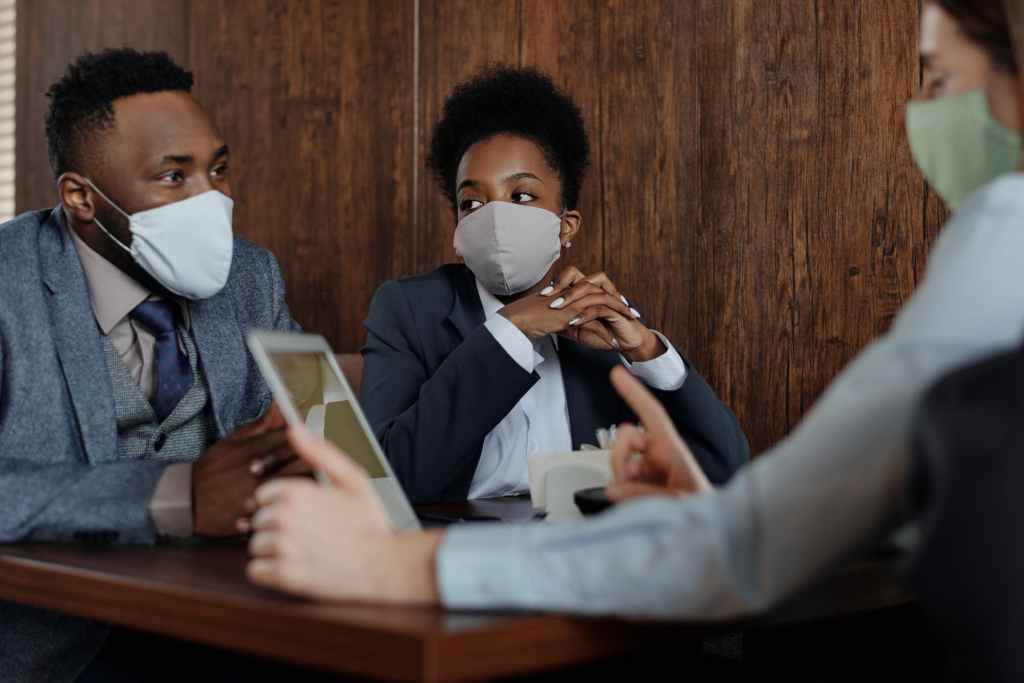
With this clever pun, I refer to the wearing of face coverings or masks. Although I’m uncertain about the state of this requirement around the rest of the world, many if not most Canadian Provinces have made the wearing of a mask or facial covering mandatory by law in public places, with Saskatchewan being no exception. In fact, facial masks have, until recently, been required on a location-by-location basis, being entirely dependant on the business itself to impose the wearing of the mask.
Most Provinces have legislated the wearing of facial coverings or masks with heavy monetary fines imposed on those who are caught without them. In Saskatchewan, fines ranging as high as $2,000 plus surcharges were imposed on the participant of a protest against the wearing of masks, which took place in Saskatoon (Star Phoenix). This isn’t something new, although most of Canada is starting to jump on the “mandatory” bandwagon for any towns or cities with a population higher than 5,000 people.
There’s a growing number of people with some very strange ideas and concepts related to COVID-19 and face masks… It isn’t all that surprising, since even the most common sense of concepts are often met with conspiracy theorists and the typical bullshit that people try to come up with, either due to ignorance or mental health issues. It’s a bit like trying to convince people the Earth isn’t flat. It doesn’t matter how many scientifically-proven reasons are given, these folks are still stupid enough to think the planet is a flat disc.
Sometimes, there’s just no convincing some people. And that’s fine! People are entitled to their opinions, so long as it doesn’t endanger others. And this happens to be the category we fall under, when it comes to wearing masks. I could spout the information that’s basically become general knowledge by this point, wearing the mask is more about protecting the population than the one person, it prevents spread by blocking virus droplets, it isn’t a substitute for social distancing… blah, blah, blah!
We’ve heard all of this stuff on a weekly basis for the past eight months, so I won’t regurgitate it. What I AM going to do, is discuss some specifics about the proper wearing of a mask. Take these for grain of salt and I encourage you to do your own research if you have any doubts. So long as you do your research somewhere reputable like the World Health Organization or Health Canada. If you get your information from The Onion, then I can’t help you…
First and foremost, cloth masks are just fine. As long as you ensure that they contain two or three layers and are made of a tightly-woven but breathable fabric such as cotton, you’re good to go. You shouldn’t wear masks that have exhalation valves, as these are designed to prevent particles from coming in and may not stop them from going out. This means you may inadvertently be spreading the virus, should you happen to be a carrier who doesn’t show symptoms.
Try to avoid solid or non-breathable materials like leather or plastic. Masks with a clear, plastic window are all the rage right now with people believing they’re great for allowing people to see each other’s smiles and facial expressions. But realistically, they just make it much more difficult to breathe through. Although they potentially have their place in situations where a deaf person may need to lip read, this isn’t the norm and you should stick to something snug-fitting, made out of cloth material or the single-use paper masks. Same goes for those stupid masks with built-in straws. Just drink your damn Slurpee when you get home!
Wash your masks! I can’t stress this one enough! I wear reusable masks and my wife and I made a quick grocery run after eating at a burger joint, the one day. I accidentally burped into my mask and nearly passed out! You wouldn’t wear your underwear indefinitely without laundering them (or maybe you would, I’m not here to judge) so why would you continue to wear a mask that you’re exhaling bacteria into? Just like hand-washing, you need to maintain proper hygiene when it comes to the wearing of these masks.
There have been a number of posts circulating online about how wearing a mask for long periods can increase the amount of carbon dioxide that you breathe back in, but it’s all bullshit that’s been disproven ten ways from Sunday. Masks are far too breathable for you to take in any significant amount of CO2 from your own exhalation. Not to mention that every breath you exhale is still oxygen-rich enough to constitute a second breath. Why do you think giving mouth-to-mouth resuscitation is acceptable? But the bacteria build-up is a very real thing and your masks should be laundered after a couple of outings or disposed of, if they’re the disposable, paper kind.
Cover your nose. This one drives me up the fuckin’ wall, honestly! What’s the point of wearing a face mask if you simply leave your nose uncovered for all your COVID-19 boogers to come flying out like mortars on a battlefield? Use some common sense and wear the mask properly! It’s kind of like wearing a condom, if you don’t wear it properly, there will be consequences. Except those consequences likely won’t kill you like COVID-19 could. But I digress…
First responders and medical professionals wear facial masks for hours and hours on end, most for a minimum of 8 hours during scheduled shifts but some for very much longer, with no lingering negative effects other than putting up with the mask itself. That’s been happening for longer than I’ve been around. So, a long time. Unless you have a serious, diagnosed pulmonary issue, are someone with cognitive or mental health issues making comprehension difficult or have suffered some trauma involving the covering of your face, there’s really no excuse for simply not obeying what is now the law and WEAR. YOUR. DAMN. MASK.
To the conspiracy theorists, I offer a question: what possible benefit could there be in convincing the population to wear a face mask? From a conspiracy perspective? Seriously. Give me an answer. I’ll wait. No, honesty I won’t. At the end of the day, maintaining social distancing is something that should have started years ago. Many countries have taken to wearing face masks in public for decades. None of this is new. And considering there have been almost a million and half deaths from COVID-19 worldwide, I think that slipping on a mask for half an hour while you pick up your groceries won’t kill you. But COVID-19 might. Food for thought…☯
I hate snow. I have a pretty solid dislike for the cold in general, despite the fact that I don’t yearn for sandy beaches and hot climates, but the snow holds a special place in the dark recesses of my heart. Mostly because I have to shovel that white shit. And as much as I enjoy the occasional romp in the snow, or pelting my son with a solid snowball, shovelling snow is my personal version of hell freezing over.
The depth of snow behind my vehicle at 6:30 am
Last Monday, I awoke to the sight of snow on the ground. At first glance, it didn’t seem to be a big deal. Then I opened my door and noticed that the snow around my SUV was two-feet deep. FML! I have a pretty specific and time-sensitive routine during weekday mornings. Most of it involves getting my 5-year old fed, dressed and his lunch kit put together before ushering him out the door to his bus stop.
Since his bus driver has instructions not to pick up or drop off without a parent present, I’ve taken to driving Nathan to the bus stop in order to wait for the bus inside a warm vehicle. I know, right? First world pleasures, to be sure. But considering the weather reached -20 degrees on Monday, it wouldn’t have been ideal to stand outside waiting (despite the fact I used to walk in colder temps when I was a kid).
I whipped through my morning routine at double speed then bundled up in warm thermals and winter clothing in order to go shovel out my vehicle. After about an hour of shovelling, I was sweating inside all my layers and had barely cleared half of my driveway. The worst part? Three of my neighbours were smiling and waving while quickly clearing their driveways using a snowblower. I was thinking, what kind of a masochist am I? I’m 42 years old, Type-1 Diabetic and a heart attack waiting to happen!
The world is blanketed in white
After noticing that I was the only goon using a manual shovel, and the calls for service I’ve attended where people have dropped dead from heart attack while shovelling, I had decided that enough was enough. I had been complaining to my wife about it for the four years we’ve lived where we are; this winter would be the one where I purchase a snow blower.
Shovelling snow puts enormous strain on the human heart. One doesn’t realize it when doing it, but you’re moving hundreds of pounds of snow over a short period of time, when shovelling out your driveway. Add that to the increased blood pressure one suffers due to the colder weather, and it’s a recipe for disaster. Add weakened organs due to Type-1 Diabetes, and it’s almost guaranteed that you’ll drop from the strain when all you were trying to do is clean out your driveway.
One of the worst calls I’ve ever attended involved a guy just a few years older than I am, coincidentally with Type-1 Diabetes. He was clearing snow with a snowblower and simply dropped on the side of his driveway. All those factors were in play. Last Monday was enough to convince me that even if I do consider myself to be somewhat in shape, I no longer want to be struggling with the evil white stuff at 6 in the morning. Bring on the snowblower.
If you routinely shovel snow, or are one of those idiots that try to make a few bucks doing so, you need to consider a few aspects. Like any workout, you should stretch and warm up before you go conquer the great, white yeti. Even while shovelling, you need to make sure to lift and push with your legs, not your chest or back. And you should exhale as you hurl your shovelful of white shit. These are all things that you would be doing for a traditional workout, so why wouldn’t you do it RIGHT before stressing your body in cold temperatures?
Take breaks, drink plenty of fluids and treat shovelling the same way as you would, any other physical activity. This means test your blood before, during and after as well. Now if you’ll excuse me, I need to go clean the snow off my car and snow blow the driveway… ☯
I know I harp on many of these so-called “holidays” that seem to riddle the calendar with every passing month. But this one just happens to be personal to me, for obvious reasons. Every year on November 14th, which is the birthday of Sir Frederick Banting, we celebrate World Diabetes Day. November is already Diabetes Awareness Month in most medical circles, but today is a day where focus is brought to the growing number of people being diagnosed with type 1 Diabetes.
World Diabetes Day was created in 1991 but the International Diabetes Federation and the World Health Organization, and is often recognized by the signature blue circle logo and is usually accompanied by a different theme every year. But rather than get into all the hubbub that is yet another yearly holiday, I thought it would be a good idea to remind folks about the actual discovery of insulin and a bit of its history.
As most may know, insulin is a peptide hormone created by beta cells inside the pancreas. Insulin helps with the processing and regulating of carbohydrates by absorbing glucose from the blood into various tissues of the body. Beta cells release insulin into the body in response to blood sugar levels, specifically high ones. Insulin plays a number of different roles outside of this, but for the purposes of this post, I’ll keep it simple.
Although the discovery of insulin is attributed to Sir Frederick Banting and his lab assistant, Charles Best, it should be noted that the road to insulin’s discovery started over 50 years before Banting made the discovery. The relationship between the pancreas and Diabetes was therefore established during the late 1860’s and 70’s, with a number of experimental treatments never quite hitting the mark. It also surprised me to discovery just how many of these experiments were performed on dogs. Whether this is because they constitute a large mammal or because they were simply available is beyond me. Oh, how they were different times!
Starting in the early 1920’s, Banting and Best began experimenting with islet cells and injecting them into a Diabetic dog, which resulted in a dramatic drop in blood sugar levels. In January of 1922, the first injections to human patients were given and the rest is history. Banting won the Nobel Prize in Physiology or Medicine in 1923, for the discovery of insulin. He shared the prize with Charles Best and sold the patent for insulin to the University of Toronto for a dollar.
The world would be a significantly different place if insulin had never been discovered. Obviously, I wouldn’t be here. But the millions of people who have been diagnosed with Diabetes certainly wouldn’t be either, as that diagnosis was basically akin to a death sentence before insulin came along. This isn’t really a “celebratory” holiday; you won’t likely catch people throwing parties or going crazy in any significant way. I mean, good on them if they do! Hopefully, they take the time to count the carbs in their drinks while they celebrate… ☯
A person’s body weight holds a lot of sway on many aspects of their lives. Social acceptance, self-image and what societal sub-culture you may end up with, can sometimes be influenced by your body type and overall weight. Throughout the decades, what’s been considered a “sexy” body type has changed dramatically based on the state of the world and said societal trends.
In the 1910’s, a slender body with little to no body fat was considered the ideal weight and attractive body type. But once the end of World War II rolled around the corner, the extended period of scrimping, sacrificing and the Great Depression came to end an end as well. And everyone’s body weight started to increase in the 1950’s. But how body weight has been perceived by people has changed dramatically over the decades.
It’s no secret that Type-1 Diabetes can sometimes contribute to a thicker middle. So much so, that the population often puts the cart before the horse and assume that heavier set people are more prone to Diabetes. But studies have since shown that obesity and heavier weight isn’t what causes Diabetes (even type-2), although it can be a factor in the overall totality that may cause a person to be diagnosed.
Because of this, I’ve found my weight fluctuating back and forth a reasonable amount in the past three decades. Sometimes for the better; sometimes, not so much. One of the worst instances I can remember is going home to New Brunswick to visit family. At one point, I was visiting with my grandmother along with some other family and she looks at me and says, “You’re looking well-fed, Shawn! You’ve gained lots of weight!”
Da fuk did you just say to me??? It took me a minute to understand that to her perspective, having gained some weight is a good thing in light of the fact that she spent her adulthood through those turbulent times when people could only indulge and start to gain weight once they had worked their way past the war and the economy began to recover. A weight gain was seen as a positive thing; just not to me.
My point is, despite the fact I seem to be going on a rant, is that finding one’s ideal weight not only depends on your specific body type, but a number of different factors. For example, two people can weigh the exact same thing, with one having too much “fat” and the other simply having heavier muscle mass. Consulting a medical practitioner is your best bet, since things like BMI are insanely inaccurate without medical interpretation.
The flip side to this coin, is that too LITTLE weight can also be problematic. Being underweight, despite one’s self-image, can lead to joint issues, fertility issues and immune system problems, to name a few. Even though everyone may be telling you that weight loss is ideal, such a thing is only ideal within the right context for your body type, health conditions and requirements.
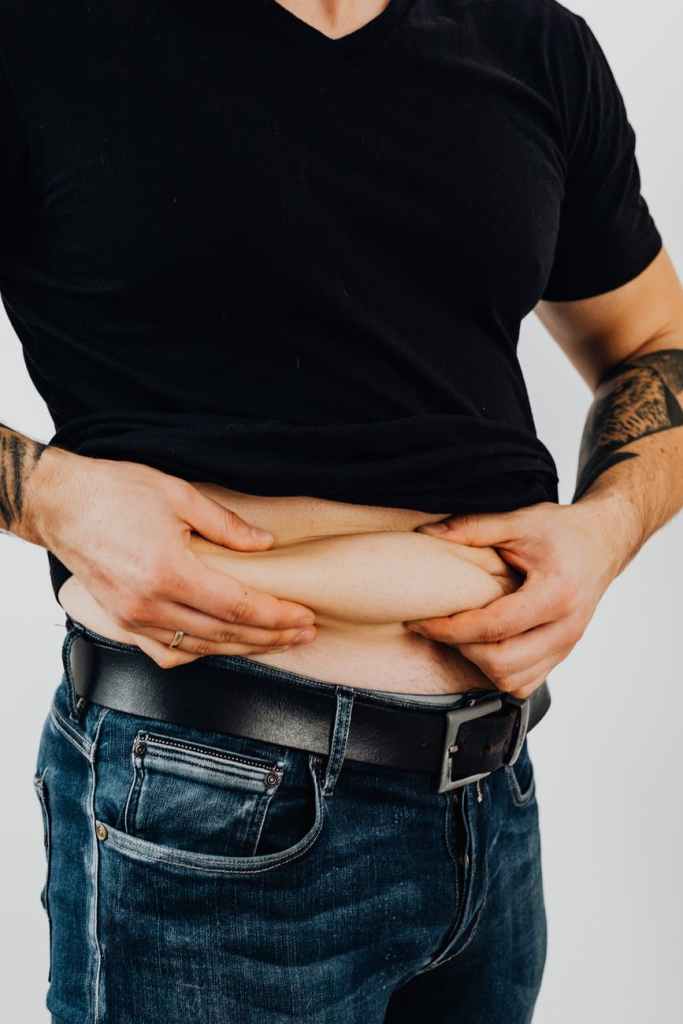
Most people don’t enjoy looking in the mirror and seeing a pouch, hanging off their gut. Trust me, I speak from experience. But realistically, so long as you’re healthy, you eat and exercise regularly and be sure to consult your doctor or medical practitioner before starting any new exercise regiment or diet, you’ll come out shining with the results you need to have. Stay healthy. ☯







 The Blogging Buddhist