When Bad Habits Can Be Good

I’ve been known to have my share of bad habits, from lack of sleep to eating a plate of nachos when I’m too lazy to make an actual meal. But, can there be times when bad habits can actually have some benefits? I’ve done a fair bit of searching, only to find that the articles that typically deal with the “benefits” of bad habits refer to things such as cursing, consuming too much coffee and fidgeting. But what about some of the more common bad habits that no one claims any benefit to? Are there any? I believe so…

A short while back, I took a couple of hours to indulge in the holy trifecta of bad habits: a cigar, a beer and a comic book. Classically, all three of these things are viewed as unhealthy. There’s no argument here, that smoking is bad for you. I have the benefit of saying that I have the occasional cigar every few months and it isn’t a consistent habit. That’s how I rationalize it. The occasional glasses of wine or beer are a bit more frequent, and one needs to recognize the calories, carbohydrates and effects it can have on a Type-1’s blood sugar levels. Coming books certainly aren’t a bad habit, per say. But there are obviously better, more constructive uses of my money and time if I wanted to read something.

My trifecta. Don’t judge my choice of beer.

As I was sitting there enjoying my little treasure trove of bad habits, I got to thinking about what it is I ACTUALLY get out of indulging in these habits. And I came up with a few reasonably good points. This is a short list, and I in no way endorse or encourage the use and indulgence of the above seen items in the photo. This is simply my opinion and what I feel I get out of it.

Relaxation: If I have to explain the how’s and why’s that alcohol can relax a person, then you’re either a minor who shouldn’t be drinking anyway, or a someone who has simply never had a drink, which is good. Stick with that. But the “ceremony” of sitting back and sipping on an ice cold beer on a sunny afternoon has a distinctive calming effect. And being calm is good. The aroma and warmth of the cigar also has a calming effect;
Time Alone: No matter your familial situation and ESPECIALLY given the current state of the world, taking some time to spend on your own is important and has its benefits as well. Time alone allows you to collect your thoughts, contemplate the days that have passed and allows you to partake in reading or just enjoying the day, without interruption;
I Can Meditate While Doing It: This is more of a “me” benefit, but if monks can sit in a meditative state while incense is burning and coiling around them, my cigar should be no different. Considering life obligations and distractions, meditation no longer happens for me as often as I’d like. These little quiet moments are an opportunity to do just that. This isn’t traditional or typical, but one can get themselves to a point where they can effectively meditate while performing other actions, such as these;
Enjoyment: And this last one simply points to the more selfish side of me. I enjoy the occasional beer. I enjoy the occasional cigar. And I certainly wouldn’t be the Alpha Nerd that I am if I didn’t enjoy comic books. Granted, I essentially enjoy reading in general.

Are these bad habits? Yes. Could I live without them? Absolutely. And that’s the difference. When stating these “benefits,” I’m not referring to the unfortunate folks who have addiction or are slaves to their bad habits. That’s an entirely different ball game. And I can certainly admit that all of these things have a financial cost to them that could likely be allotted elsewhere. But as everyone has no doubt heard, at some point in their lives, you can’t take it with you. Happiness is important to proper health and longer life. ☯

The “What’s It For?” Side Of Food…

I’ve been writing this blog for a few years at this point and I have some posts that I like more than others. And one of the best posts I feel I’ve ever written is one that describes the purpose and use of most vitamins and minerals that we get through our food. People usually focus on what they can eat that’s healthy, can make them lose weight or accommodates certain food allergies or aversions. But very rare is it do people take the time to consider what the actual nutritional aspects of food provide for the human body.

We ultimately consume food for two reasons: for energy, which we obtain through the consumption of calories, and nutrition. As a Type-1 Diabetic, I usually focus on the energy side of things, things carbohydrates are the form of fuel we obtain that affects blood sugars. But the nutritional aspect is important. Because if you’re taking in tons of calories but getting none of the nutrition, you could be causing issues for your body that nobody wants.

So, what do all of these vitamins and minerals do? Each one can serve a purpose and provide something for the body, and I compiled a list about two years ago that walks us through all of them. It’s a bit of a long read, but the good news is the list is mostly in alphabetical order, so you can go straight to the vitamin and/or mineral you’re looking for. And without further ado, here’s the regurgitated list:

Vitamin A: This is an all-around vitamin that provides a number of functions including but not limited to the proper health of various bodily functions, tissues and helps to fight chronic disease and is known to be good for the eyes.

Vitamin B: This one is a bit complicated, as there is a large grouping of enzymes, vitamins and minerals that fall under the “B” category. In general, B-vitamins are used for energy production, immune function and absorbing iron. Some them include B2 (riboflavin), B3 (niacin), B9 (folate) and B12. There are a few more that I can’t recall, but B12 is considered amongst one of the most important of vitamins overall because it helps you turn food into energy.

Vitamin C: At some points, this one has been referred to as the sunshine vitamin. I’m thinking that’s mostly because people’s main source of Vitamin C is from citrus fruits. But this vitamin also helps with iron absorption, immune function and is a natural antioxidant that helps with the elimination of free radicals. Eating citrus fruits are also what sailors used to eat on long voyages to prevent scurvy.

Vitamin D: This vitamin helps with the strengthening of bones and teeth. Our bodies are designed to self-generate this vitamin naturally through exposure to sunlight, but obviously that needs to be done in small doses. Modern life has created an environment where more people spend their time indoors, away from the sun. So supplementation becomes important.

Vitamin E: A pretty straight forward vitamin, this one helps with proper blood circulation and clear skin.

Vitamin K: This vitamin is essential for blood-clotting. In order words, if you’re deficient in this vitamin, small cuts or injuries can cause excessive bleeding that can become dangerous.

Folic Acid: We hear people speak about this one as being necessary during pregnancy. And they would be correct! Folic Acid helps to prevent certain complications during childbirth but is important to everyone for proper cell renewal. This one is also known as Folate, or Vitamin B9 (as listed above).

Calcium: Most people should be familiar with this one. Teeth and bones, people! Teeth and bones! Good calcium levels are required to keep those body parts healthy.

Iron: This helps to build muscle tissue naturally and helps with proper health of the blood. As an interesting sidebar, it’s also what makes your blood red through the reflection of light!

Zinc: Immunity and Fertility. I’m a little unfamiliar with this one and haven’t had the opportunity to research it a great deal.

Chromium: This one is near and dear to my heart. Because it helps to control blood sugar levels. Chromium is what helps all the systems of your body to get the energy they need when they need it. Some traditional medicine practitioners will suggest Chromium supplements for Type 1 Diabetics who may have difficulty in maintaining proper levels.

Magnesium: This one helps your body to absorb all the other vitamins and minerals. It also acts as something of a relaxant to muscle tissue and play a role in proper muscle contraction.

Potassium: This mineral helps with the proper hydration of your body and helps to control blood pressure.

These are really just the major ones and there are plenty more. But these are the common ones that you’d be looking for in your food and your multi-vitamin. There’s a lot of mixed opinion about multivitamins, with some believing that you get nothing out of them and some swearing by them. Although we’d like to think we get everything we need out of our daily meals, such is not always the case and a multivitamin can help. My doctor has always sworn by them, so I make a point of taking a daily capsule. This can be of particular importance, especially if you’ve had a lazy day where your meals may not incorporate everything your body may need. ☯

Clash Of The Styles…

If there’s one thing that everyone knows, regardless of whether they’ve studied martial arts or not, is that there’s a HUGE family tree spanning several thousand years when it comes to the martial arts. Different styles, different schools and different families can sometimes make it difficult to know and understand if one style is better than the other or which one you should pursue, if you’re looking to do so. The reality is that there isn’t so much one style that’s better than the other; it’s about how it’s taught and how it works for you. I’ve written about this on a few occasions.

It can be difficult two schools of opposing view come face-to-face, especially if they happen to be training in the same complex or their respective dojos are on the same city block or something. It’s reminiscent of those old, corny kung fu movies where you’d always get one clan or style that would be feuding with another. “Our kung fu is stronger than yours!” I used to love those movies. No stunt doubles or CGI, just clean, semi-realistic fighting fun. It was a guilty pleasure of mine as a kid. But I digress…

If we were to use generalized terms to describe TYPES of martial arts, we can easily classify them under four categories: Traditional, Modern, Weapons-based and Hybrid. I’m sure that some fellow martial artists would divide these categories differently, so I should likely point out that this is a personal perspective and not necessarily something official and/or recognized. But when I hear of any given style, I usually find myself able to place them in any one of these four categories. Still with me? Good. Moving on…

Traditional martial arts describes “pure” styles that were developed at the start of of a specific martial art’s existence and usually involves a lot of protocol, ceremony and tradition. Further, they rely on training methods that many mainstream fighters consider ineffective, such as forms. It can cover a variety of methods including striking, grappling, pressure points and joint manipulation. In my experience, I’ve found that teachers of a traditional art tend to be the most difficult and inflexible, claiming their style to be the best one and everyone else’s is junk. They’ll usually discourage their students from exploring other styles and learning or adapting techniques from elsewhere as it would “cloud” their own techniques.

Modern styles are ones that are pretty recent in their development and often include the combining and amalgamation of one and/or several traditional styles. Although there’s nothing inherently wrong with modern styles, they often boast a slew of benefits when compared to traditional styles, even when this is not always the case. It also won’t necessarily be a combination of a pre-existing style but can be something created by someone else, using previous martial arts training as a starting point. Jeet Kune Do is a very good example, with his foundational use of Wing Chun Kung Fu as the starting point, although JKD is seen by many as more of a philosophy than and specific style. But an applied philosophy, if nothing else.

Hybrids are a different type of creature. These are the ones that usually a mixture of something that’s pre-existing. What differentiates them from the modern category? Mostly the fact that a given school will provide certifications for any of those combined styles. Although Kyojushinkai (a modern style) is a style of karate developed by combining various other deeper-rooted karate styles, one would only train to achieve belts IN Kyokushinkai. But hybrids will allow you to achieve belts in various styles. For example, if you work out in a dojo that trains in karate and judo and the instructors can/will issue belts in either of those disciplines. Although some options can be nice and it can be useful to add some variety and incorporate techniques from other styles, trying to achieve belts in two styles simultaneously can be confusing and difficult. And many new age styles of “academies” actually follow this practice.

Weapons-based is pretty straight forward. We’re talking your Kobudo, Kendo, Iaido, Kyudo, Escrima… Anything style of martial art that primarily teaches the use of some sort of hand-held weapons. Are any of these four inherently better than the other three? Not necessarily. I would say it depends on what you genuinely hope to get out of your martial arts experience. Each one has their benefits and disadvantages. Traditional styles can be very rewarding. I study and train in a traditional style, myself. But it can also be pretty restrictive if you’re training under someone who doesn’t allow the flexibility of exploring techniques outside of the existing curriculum. Modern styles can be more accommodating but may lack some of the traditions and history of a traditional style.

Hybrid styles or schools, I would say, carry the most disadvantage. This is a personal opinion of course, but hybrid schools can “muddy the waters” for a beginner trying to properly train in the martial arts. Although variety is the spice of life, it can be very difficult to properly master one style when studying many in tandem. If you happen to join a martial arts academy that carries this hybrid philosophy, my recommendation would be to choose ONE discipline and stay with it (unless you hate it or it doesn’t work for you) with some cursory or occasional visitation to the other styles in order to gain some variety.

Take all these descriptions with grain of salt. As I’ve often written before, the choice of style and training method has to work for you. It can be frustrating, but it can take trying and training with a few different schools before you find one that suits your purpose and goals. And be wary of instructors who bad-mouth or speak negatively of other schools or dojos. Respect and positivity should be ever-present values in ANY dojo. If those don’t exist in a given school, you likely won’t have a good experience, regardless of what your training goals may be. Train hard, my friends. ☯

Taking A Little Respite…

I’m an incredibly long way from what I would consider to be lazy. Between my continued efforts towards fitness, Diabetes control and giving my maximum in everything I do, I very rarely sit still. The fact I have difficulty sitting still in general tends to help, as well… But once in a while, even the most dedicated person needs to take a step back and throttle back on life and take a rest. And mental exhaustion being a very real thing, it can lend a heavy impact on one’s motivation.

A couple of weeks ago, I found myself skipping karate classes and performed personal workouts a lot less than usual. I’ve had the pleasure of throwing a couple of quick, 10-kilometre bike rides into the mix, which was nice. But with the warmer weather coming along, the opportunity for different and increased number of workouts is becoming a thing. The recent heavy snows we’ve had in Regina notwithstanding, of course. But a severe lack of motivation has unfortunately thrown a monkey wrench in my otherwise rusty gears.

I’m a big advocate of pushing oneself, and of making an effort to workout, even when you don’t feel like it. Given the nature of Diabetes and the effects it has on a person’s body, it’s no surprise that there are days where either the body or the mind simply don’t want to put in the effort. I had both my body AND my mind gang up on me in recent weeks when I’ve skipped the majority of my workouts. Even while acknowledging that I should have been doing something, I just didn’t want to. To use the vernacular of today’s younger generation, I can’t even…

And you know what? That’s okay. Even if it may feel like you’re being lazy, stepping back and taking a break from your fitness habits can have a lot of benefits. Yes, yes, I know… The benefits of doing SOMETHING definitely outweigh doing NOTHING. But here are some quick benefits that I’ve noticed, whenever I’ve taken a break:

  • You Can Relax: I think we can all agree that being “switched on” all the time can take a toll. There is such a thing as over-training, and it’s important to recognize that point. Taking a break week can let your body fully recuperate and allow you to relax a bit and maybe focus on other interests, such as reading or playing with your kids;
  • You Can Regroup: Honestly, there’s something to be said for having the time to just sit back and contemplate things. Whether you want to take the time to meditate, focus on work or even come up with some new workouts, taking a break can allow you the time to figure it out. Personally, I get bored of doing the same workout over and over and I like to design new circuits and try new things. Otherwise, I feel my fitness is becoming stagnant;
  • You Can Heal: Constantly working out can be taxing on the human body, and even more so when you’ve reached my age. Even though you can continue to work out with mild injuries (with limitations), it can be nice to allow some extra time for the systems on your body to reset themselves and for any outstanding injury to heal completely.

Given the particular life changes and adjustments tat have taken place within my household in the past week, it’s no surprise that I continue to be exhausted. Like many people, I’ve spent the last little while hibernating at home while COVID-19 has marinated on the outside. The result of this has been that waking at 5 in the morning every day is no longer something I’m used to. I’m slowly getting adjusted o it, now. But I’d be lying if I said that I haven’t been sneaking off to bed as soon as my wife and I get the kids down. Surprisingly, my blood sugars have fared quite well during all of this. I think that can be attributed to routine, since I eat my meals at pre-planned times and don’t snack or eat outside of those times.

As one always does, I’ll adjust. I usually find that taking a “lazy week” once in a while will allow me to reap all those benefits mentioned above. The important thing to remember is not to go on some sort of junk food bender while you’re sitting around doing nothing. And I’m definitely not saying that you should do this indefinitely. Or often. Especially since a sudden change in your level of fitness and activity will play hell with even the best balanced blood sugars. But if you allow yourself the occasional break, it can even help improve your mood and energy levels for when you DO get back to it. And one always needs a little time to adjust to any new routing. Food for thought… ☯

Oh, There’s An App For That…

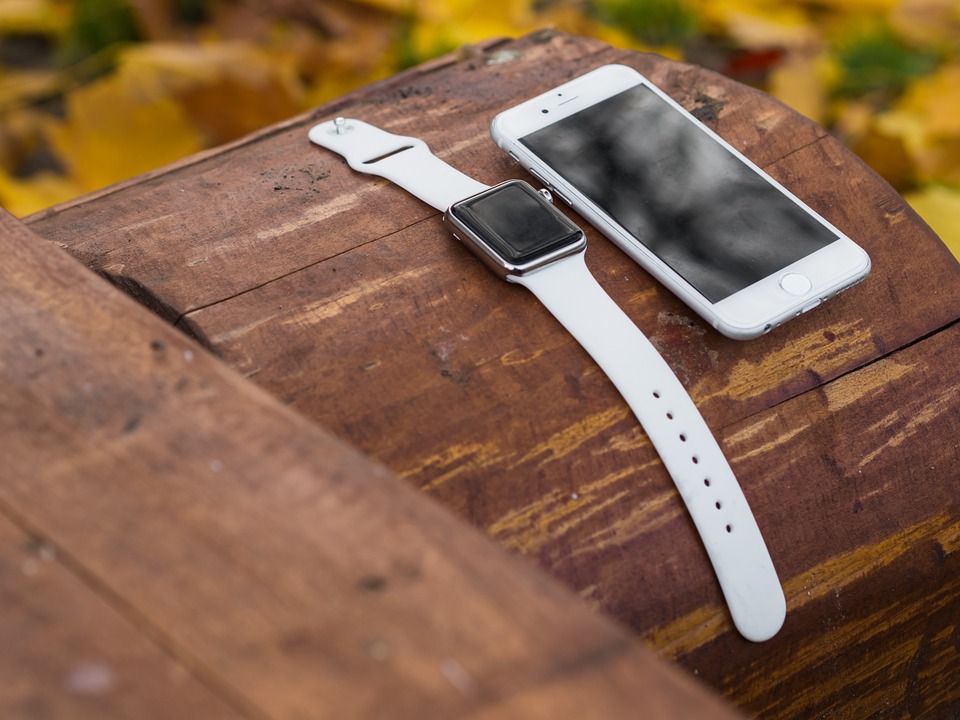
I know that I’m usually the first to rag on people’s addiction to technology and their smart devices. That being said, I also acknowledge that my health wouldn’t be what it is today, if not for advancements in the technology that make things like my insulin pump and continuous glucose monitor possible. So, I’m also the first one to swallow my words when technology works in my favour. Maybe that sounds like a double standard, but what are you gonna do? It’s my blog! Moving on… Anyone who reads my blog on a regular basis is also aware that I’m a big fan of fitness, exercise and maintaining one’s health. And these are all things that can work great in tandem with said technology.

It seems not a week goes by without hearing someone say “Oh, there’s an app for that…” And that’s usually pretty accurate. From finance to planing and organizing, dieting to social media, smart devices have pretty much opened the spigot on the market for programmers to put out an app for just about everything under the sun. This includes health & fitness. Now, I’m usually one to endorse working out and maintaining one’s health ‘au natural,” if you will. This means that I have no issues working up a solid sweat by using a small square of floor space and using nothing but my own body weight in order to work up a solid sweat.

All this being said, I’ve also gotten into the routine of enjoying a number of different apps on my phone, which I use to track fitness and health habits in my daily life. Most of you know this already, as I use one particular app to prominently track my walking, running and cycling workouts. And since I’ve always used an iPhone, these apps will be ones that are available through iTunes and the App Store. I can’t speak to what equivalents may be available for Android users. But without further ado, here are my top five apps that I use to help improve my health & fitness habits:

  • LibreLink: Of course, I have to include something directly related to Diabetes, here. This is a free app that works in conjunction with the FreeStyle Libre, which as my Endocrinologist puts it is the “poor man’s CGM.” The FreeStyle Libre works by being injected into the tricep and held in place by an adhesive and can be read by specialized software. If you’re old school and don’t have access to a smart phone, you can purchase the Librelink Reader for roughly $50 (depending on the pharmacy you shop at) but you can definitely save the cost by using the app. Simply hold the phone up to the Freestyle Libre and it will read your sensor glucose, same as a CGM would. The app is fantastic as it allows you to input your age, weight and a bunch of other stats and will show you trends, graphs and even has an A1C calculator based on the readings held in its memory;
  • Noisli: If you have a whole bunch of brain-burning acronyms attached to your name like I do, sleep can be a fleeting thing. And even more fleeting when Diabetes issues keep you up as well. It can be difficult to find something to help you sleep that doesn’t involve medication or gets drunk. That’s where Noisli comes in. This is a free “white noise” app that allows you to use and customize a wide variety of sounds to help you drift off to la-la land. Sounds include rain, thunder, wind, rustling trees, leaves, trickling and dripping water (those ones would make me need a diaper overnight), crackling fire and even some more eclectic sounds like the background of a coffee shop and a train clacking on railroad tracks. The aspect I enjoy most is having access to white, pink and brown noise, which are all varieties of a static-like sound that are designed to help calm your mind and help you drift off. I actually did a full post on white noise, which you can read here. My favourite aspect of this app is that you can combine any combination of those sounds and even save them as specific profiles so that they’re available the next time you open the app, without having to combine them all together every time;
  • My Water Balance: If you guys aren’t tired of hearing me say how important it is to stay hydrated, you haven’t been paying attention! This app is a fun little program that allows you to set goals and track your daily intake of fluids. You can input your weight and hydration goals and the tracker will keep a tally of how much you’ve drank throughout the day. You can download the free version, which tracks the basics like water, coffee, tea and a few others. I’ve paid the small amount to download the full version, which has a batch of additional options and lets you track just about every type of beverage including, ahem… wine and beer! The app suggests how much you should be drinking based on your age and weight, but you can also set your own goal. The only downside is you have to manually enter the amount of fluids you drink, which can be problematic if you’re using a glass at home and don’t know how much it holds;
  • Seconds Pro: This app is actually called “Seconds,” but I forked over the added money to get the Pro version. This app features an interval timer that you can program yourself. in other words, you can develop your own circuit timers using your own, chosen exercises. Not only does it let you customize your workout, it also connects to your device’s music library, meaning you can link your favourite workout playlist and have it play in conjunction to the circuit you’re doing. Now, paying for the Pro version does have it’s share of increased features and functions, including different TYPES of circuits and certain tracking features. I purchased a Lightning to HDMI cable and I used to run this app directly to the large, flat screen available at one of my postings. It was incredibly handy to help keep my workouts on point. But the last benefit I’ll mention, is that the app’s voice over means you don’t require a screen. The app will tell you when a timer count is ending, what exercise you’re on and when the workout is done. Think Siri, but for fitness; and
  • Runkeeper App: This one was saved for last because it’s my overlord of fitness… I use it to track everything else. This app has features that allow you to enter your age, weight, height, fitness goals and what units of measurement you want to use for everything (metric or imperial, etc…) Then, you can use the GPS function to track your distance, speed, mileage and calories burned for trackable activities such as walking, running and cycling. It also allows you to manually log other activities, such as swimming, elliptical and even yoga and meditation (yes, meditating burns calories. Read about it here). The basic app is free and you can join fitness competitions, add “friends” through your contacts or Facebook (provided they’re also using the app). I use it to log ALL my activities including weight workouts and karate sessions. There’s a paid or “Pro” version you can sign up for, but it comes in pretty costly at $13.99/month, which may be cheaper than a public gym membership but more than a person is willing to pay on an app. I’ve been using the basic version since 2017, and it’s suited my purposes quite well. In fact, if you’ve read any of my posts on my cycling goals, the images that I feature are usually screenshots from this app.

There you have it, folks! My top five apps that I use for health and fitness. This is the part where I point out that I am in no way being compensated for speaking about these apps, nor do I endorse them specifically above any others that you may have tried/like. In fact, I’ve tried a score of others. Some have been as simple as a library of different exercises. Some have been so over-the-top complicated that I removed them from my device within the first week. The important thing is to find some helpful apps that work for you and your lifestyle.

I don’t endorse technology all that often, so mark this day on your calendars! Actually, besides the technology used for my pump and Diabetic supplies, I usually don’t endorse technology at all, haha. But since society as a whole is normally tethered to their smart devices, it only makes sense to use them to benefit our health & fitness. I find that all of these apps are somewhat subjective to the user. I think the five I’ve listed are fantastic and even if I’ve removed some of them on occasion, I always seem to come back to them. There’s plenty of good, free apps out there so don’t be afraid to install a few and try them. Worse that happens is you don’t like them and remove them. ☯

Time To KID Around, Part 1 (The Martial Arts Aspect)

Children can be a wonderful addition to the household and they certainly add a touch of colourful chaos to the overall home dynamic, which is well-demonstrated by my son Nathan’s usual behavioural issues. Today is the first of a 3-part post on children as they relate to the three big pieces of my life: martial arts, Buddhism and Diabetes. As a general rule, I’ve never been a fan of trying to force or coerce children into the martial arts, usually preferring to train kids that actually WANT to be there. But when it comes to those first few, formative years when kids don’t really understand the difference, the best one can usually hope for is to show them little pieces, bit by bit, and hope that they’ll have an active interest. But it doesn’t always work out that way.

When Nathan was a toddler and started scooting around under his own steam, he started imitating the karate movements he’d see me practicing, and started to wrestle and smack me when we’d play on the floor. As some time elapsed, we started to broach the subject of self-control and trying to differentiate the difference between play fighting and harming someone. Not an easy task, when it involves a small child. But critically important towards making the child understand that this self- control is important towards ensuring they don’t grow up to be a bully.

Nathan and I in 2017

One of the more fun aspects has been sparring. Nathan loves to roughhouse and will often try to jump me as soon as I come down to his height, even when we may be doing something completely unrelated to martial arts. It’s a nasty habit I’ve been trying to break in him, but lately he’s been enjoying putting on the gloves and practicing some techniques with me. The photo above shows some playing around that we had started doing a few years ago.

But in recent weeks, I’ve been focusing more on his ability to block and strike, keeping his head up and his eyes open and not allowing himself to simply flop down to the floor when a strike comes towards him. He’s been doing pretty well, and one can’t blame him for squinting his eyes or lowering his head when someone with five times your mass is coming at you with a large, gloved fist. But teaching him balance, footwork and the ability to keep his eyes open so that he can see what his opponent is doing (me) has been going well.

Father and son, hitting the mats

Some people question the idea of having a small kid spar, but control is of the ultimate importance when teaching a young kid something like sparring. Control on the kid’s behalf and control on the teacher’s behalf, as well. It stands to reason that I can’t belt him with solid shots the way I’d do with any of my adult counterparts in the dojo, but he’s still learning a lot of individual skills that will not only apply to karate but any sport or physical hobby he may choose to pursue as he gets older.

Sparring with Nathan is excellent training for me, as well. His random, chaotic movements keep me on my toes and ensure a certain level of development as I work to try and block effectively when I have absolutely no clue where he might swing next. It’s been a great combination of fun, sweat and learning, albeit without him necessarily realizing that he’s being taught something. Maybe he’ll eventually snap out of it and realize, “Hey, this is great! Show me more, dad…” Until then, I ensure that there’s no pressure or coercion towards karate on my part so that he isn’t soured by the idea. ☯

Never Back Down, Except When You Do…

Most people like to act tough, especially those who are trained to fight. There’s a “never back down” mentality that kicks in when someone aggressive is challenged, but real fights never quite turn out the way we see it in the movies. For example, one of my favourite movies that just came out recently (recently, being a loosely-used term) is Creed II. The movie has the kind of inspirational tone one would expect from a Rocky spinoff; the protagonist is defeated by a larger, stronger opponent and is laid up in a hospital with severe injuries. Once he recovers, he goes on this wicked training montage to train and build himself back up before defeating the antagonist in an awesome rematch.

It’s very 80’s, which means I absolutely love it. Despite the unrealistic nature of it. Most people who suffer such injuries will usually call it quits and step away from fighting such opponents. Even in the most traditional of styles, we see a sort of expectation that you’ll hammer forward, even when the odds are against you. I’ve never been one who much felt this way, which makes sense when you recognize that I live my life trying to eliminate suffering and propagate peace. But even Sensei used to say, “If you’re going to fight, make sure you win…” I believe he was mostly referring to competing, which our school never did (officially). But it certainly applies to how we train.

I’ve always been a firm believer in drills. Correction and repetition are important in order to establish muscle memory and make it more likely that your body will react properly in a “real fight” scenario. But you’ll notice that the majority of dojos practice these drills by stepping forward, stepping into the opponent or meeting an attack head on. And there’s nothing wrong with that, but it’s also important to perform drills where the practitioner is stepping BACK. Most schools or dojos don’t recognize this, but it can be extremely important if you find yourself in a real fight.

Stepping back while performing drills holds many benefits. The first one is that it can be helpful in better positioning yourself to block an incoming attack. Sometimes a strike may be close enough to be effective against you without leaving you any room to block properly. Another benefit is that you may need to back away in order to set YOURSELF up for a particular attack. Although one needs to recognize that a real fight scenario likely won’t leave you with enough time to “plan out” an attack, a preferred technique that you’ve worked extensively may need some setting up.

The last point is that there is no shame in stepping away from a fight. If you can avoid the fight altogether, that’s always the best option. But if it means protecting yourself or someone else, avoidance isn’t always an option. This is where backing up or “tactically repositioning” becomes important. Maybe you need that little bit of space to examine and reevaluate the situation in order to make a proper decision. When you get right down to it, backing away isn’t cowardly but quite smart, in terms of finding a way to win your confrontation.

Never back down? Well, I’m not saying you should always quit or give up. You should never give up. But backing down is not the same as giving up. I’ll always be more than happy letting some ‘roided douchebag think he’s the tougher one, if it means I walk away uninjured and safe. As long as I can do without it being at the expense of someone else’s safety and/or wellbeing. The lesson here is that in very much the same way as a karateka should be ambidextrous in his or her techniques, said techniques should also be practice stepping in or stepping back. ☯

Because It Can’t All Be About The Meat…

In the past year, I’ve tried a wide assortment of meat alternatives and veggie based alternatives that I never would have considered, even just a few years ago. I still favour my Mushroom Swiss Burger from FatBurger and I can’t see myself ever swaying from it. But I would be lying if I said that vegetables aren’t loaded with a wide variety of health and nutritional benefits that make adding them to your meal a good idea. I usually favour a cruciferous option, like broccoli or brussel sprouts. But I seem to be the only one in the household who likes them. I know brussel sprouts are pretty universally hated, but sprinkle a bit of cheese on some broccoli? Fuggedaboutit…

As I have a firm belief in the balance of things, I like to point out how there’s inherently a good and a bad side to all things. We already know that vegetables can provide vitamins, minerals and nutrients that some other foods may not. And there’s certainly the benefit of feeling full for longer that comes with having plenty of green on your plate, steering one away from over eating and helping with the reduction of your total daily caloric intake. But what about veggie-based meat alternatives?

A balance can be important if you’re trying to control say, oh I don’t know… your carbohydrate intake so that you can maintain better blood sugars… From a fitness standpoint, vegetables are important for a variety of reasons besides what they provide your body for building and healing muscles tissue and there are also some vegetables that will help you to sleep and digest better. If you’re looking to replace some of the meat in your diet with an alternative, it would be helpful if you gained all these benefits in the process, right?

If we get to the meat and potatoes of it (see what i did there?), some of the meat alternatives mentioned in the opening paragraph may not be all they’re cracked up to be. And this is where the BAD side of things comes in. I’ve written about this before but as I’ve tried different things, I think it’s pretty important to recognize the potential pitfalls of trying to replace everything in your diet with a vegetarian alternative. Here’s a short list of things to bear in mind when purchase veggie-based meat alternatives at the supermarket:

  1. They’re Loaded With Preservatives: This is the first and probably the top one. Anything you eat that’s been mass-produced and sold at the supermarket will go through some sort of processing that will involve preservatives in some given way, shape or form. Without getting into the specifics surrounding potential pesticides used for crops, you can be certain that real vegetables and real cuts of meat won’t have all these preservatives, making them the better option. There are a number of negative effects to the over-consumption of preservatives, including some forms of cancer. No, I’m not trying to say that eating these meat-alternatives will give you cancer! Simply that excess preservatives have been long found to be bad for the body. Moving on…;
  2. They’re Also Packed With Salt: I’ve often written about the importance of checking the nutritional label when eating something packaged. People rarely consider the amount of sodium they may be eating when consuming something “healthy,” and portion sizes are often not proportionate with how much a person would actually eat. I learned this lesson the hard when, in an effort to reduce the amount of carbs I consume in a day, I was starting my morning with a mug of chicken broth. Sounds like a warm, reasonable way to start the day. But the portion size is usually about half a cup of vegetable broth, which accounts for roughly 25% of your daily sodium intake. Once I’ve guzzled down a full mug, I’ve already packed on well more than half of my daily intake of sodium and it’s first thing in the morning. And speaking of carbs…;
  3. They’re Full Of Carbs: I was pretty excited about six months ago when I found a package of buffalo “chicken” bites that were made with cauliflower. They tasted even better, which made me believe I had found a healthy alternative to eating platefuls of buffalo bites made of chicken, which happens to be my next food addiction after burgers. Then I realized that despite being made from vegetables, the bites had almost double the amount of carbohydrates than traditional chicken bites. It probably didn’t help that they were battered. Not so great for a Type-1 Diabetic who’s trying to control blood sugars and the amount of carbs he’s taking in!
  4. They Can Cost A LOT: Processing and packaging food that’s been prepared in any particular given way gets costly, and that cost is usually reflected in the item’s price point. It’s made all the worse when you have to make something look like something else. Have you seen the chicken nuggets made from vegetables? I swear, I wouldn’t be able to tell the difference, based on appearance. The point is, a small box of cauliflower buffalo bites will usually cost about as much as a traditional box of buffalo chicken bites, making them ridiculously costly.

So the big question is, are these veggie-based alternatives better for you? From an overall and Diabetic standpoint, the answer is a resounding NO. You’ll end up taking in as many carbohydrates, if not more than your traditional versions and you’ll pay more for it, to boot. Watching your sodium intake is quite important when you have Diabetes, as proper kidney health is always a concern at the best of times. The only way to balance the scales (except for the cost aspect) would be to eat significantly less of the alternatives, which could potentially leave you feeling hungry and unsatisfied.

On the flip side, if you’re okay with eating small amounts at a time and you’re looking for a veggie-based alternative snack, they can be okay. So long as you bolus correctly for them and take the sodium into account. The long and short of it (let’s be honest, I always go for the long…) is that you’re better off having yourself a plate of carrot or celery sticks with a touch of ranch dip, a hot bowl of broccoli with cheese sprinkled on top or even a bowl of boiled Brussel sprouts with a touch of melted butter and pepper. Any of those will be far healthier, satisfy you and make you feel full for longer, whether you have it as a snack or part of your meal, and you’ll get all the included benefits without any of the preservatives. ☯

Spatial Awareness

The world is a dangerous place, and it’s made all the more dangerous by people who ignore their surroundings and have no sense of spatial awareness. This can apply to a martial arts context as well as in everyday life. In the video below, I share my thoughts on that very thing. ☯

Let’s Take A Break… Fast!

People tend to have bad habits in their daily routine. And very few people are the exception. Hell, I have many bad habits that I often TRY to avoid but I would lying if I said that my efforts are often half-hearted. But a VERY bad habit that people have is skipping breakfast. Now, I’ve written posts about the importance of breakfast before and whether or not it genuinely is the “most important meal of the day.” On the home front, the jury is still out but there certainly are important benefits to ensuring that you consume that first meal of the day upon waking up.

The whole point behind the breakfast meal is to do just that: break your fast. And as most of you already know, a “fast” is a period of time where you don’t eat. When you hear of someone “fasting,” it’s usually associated with a LONG period of time often for medical or dietary reasons. But the reality is that we fast every night, from the moment we go to bed until we wake up in the morning. Unless you compulsively snack at night. Which is another bad habit. Which I also occasionally have. My point is that breakfast is intended to be the first meal of your day that breaks your overnight fast, hence the term “breakfast.”

You may be thinking, “Why is this cheeky mother-f%&ker giving us the definition of breakfast?” Well, simply to impress upon you the importance of starting your day with a proper meal. The take-home lesson is that you should have your breakfast within an hour or two of waking up as it will be the first batch of vitamins, minerals and nutrients your body receives after a period of fasting. You should also think of it as refilling the fuel tank for your engine after it’s emptied itself out.

According to a good article on WebMD, “Skipping the morning meal can throw off your body’s rhythm of fasting and eating. […] If your body doesn’t get that fuel from food, you may fell zapped of energy — and you’ll be more likely to overeat later in the day.” The article goes on to say that your breakfast doesn’t need to be huge, but should include a variety of carbohydrates, protein, healthy fats and fibre.

However, an article posted by HealthLine.com seems to have an opposing view in that they claim that there is no evidence that breakfast eaters are healthier, that eating breakfast boosts your metabolism for the day and that in fact, skipping breakfast can have some benefits for folks who do intermittent fasting. It’s unusual for me to find a topic where those two sources oppose each other, but it’s kind of refreshing. The article caps off by explaining that breakfast is optional, won’t boost your metabolism and doesn’t automatically lead to weight gain and obesity. Basically, if you don’t find yourself hungry when you wake up in the morning, there’s no need to eat.

I’ll be the first one to agree that every person is different. Actually, I’ve written about that very thing on more occasions than I can recall. So although it may be true that skipping your first meal of the day is a matter of choice, it may not be the smart one for everyone. And this is where the Diabetic aspect of this post comes in. If you have Type-1 Diabetes, skipping a meal can be problematic. Especially if your insulin’s basal rates and your specific condition requires you to eat, first thing in the morning. You may wake up extremely high or low blood sugar.

Although I’m a big believer that a person with Diabetes can do anything that a non-Diabetic can, intermittent fasting is possible but problematic and skipping meals will skew your blood sugar control. And despite what any source material may say, I believe it’s critically important for all people to start their day with a good hit of nutritional fuel to start your day. It may not stroke your metabolism and may not affect your weight, but it helps to guarantee you won’t have that “early-morning slump” because of an empty stomach.

As I mentioned in the opening paragraph, the jury is still out on whether or not breakfast is the MOST important meal of the day. But it’s safe to say that it is IMPORTANT. Most people unfortunately tend to skip breakfast because they’re rushing off to work or taking care of their children before taking care of themselves. Personally, I usually enjoy a toasted english muffin with a slice of cheese. Some carbs and protein, doesn’t fill me to bursting and gets me on my way. It can be just as simple as that. And speaking of which, look at that! It’s breakfast time… ☯