Get Green With Some Knowledge

This is a subject that I’m far from being an expert on… If one assumes that I’m an expert at anything… But today, I’d like to touch on the importance of plants and vegetation. Anyone who knows me is aware that I’m not exactly what anyone would call a vegetarian. But if there’s one thing that vegetarians and I can agree on, it’s the importance of plants.

Anyone who paid attention in school knows the basic importance behind plants. Through a process called photosynthesis, plants use carbon dioxide and water to create oxygen. This is significantly important since, well… we kinda need to breathe to stay alive. Plants are able to provide a broad variety of other benefits, such as being a source of fibre, medicine and even clothing. Some plants filter water and heavy metals and without plants, none of us would likely be here.

The reason for this is simple: plants are consumed by plant-eaters. Plant-eaters are consumed by meat-eaters. All life eventually dies and returns to the earth from which it came and fertilizes it for further plants to grow. (Cue the musical theme to the Lion King). So if all vegetation disappeared from the Earth, we would not survive. Make sense? Alright, moving on…

According to an article posted on EcoWatch.com, having plants within your home can provide some pretty important benefits. These include helping to purify the air in your home, balancing humidity, improving mental health and strengthening one’s immune system, which I don’t need to remind everyone is important for Type-1 Diabetics. You can read the article for yourself, as it provides many more examples: https://www.ecowatch.com/health-benefits-of-having-plants-at-home-2608386260.html

Sometimes we forget just how integral a role the vegetation on our planet plays in our daily lives. That floor you’re walking on? The frame of the couch you’re sitting on while reading this post? The struts and skeletal structure of your home? These are likely constructed of wood. Last time I checked, trees were vegetation too!

Plants and vegetation have been proven to reduce stress, either through having plants within the home or using gardening as a leisure activity. Reduced stress leads to reduced blood pressure and improved immune systems, which lead to better Diabetes control and blood sugars. The benefits are plentiful.

I once had a small cactus plant that required next to watering and no attention. And I STILL couldn’t manage to keep it alive. So at the end of the day, having plants isn’t for me. But they sure are delicious when roasted and seasoned properly. Their nutritional value is definitely not lost on me. But when you feel you’re tired of hearing about the issues with deforestation or the importance of plants and vegetation, remember that ALL living things are necessary in order to preserve the balance that is life. ☯

Sight Amongst The Chaos

The world is in a state of division: one side that is doing everything they can to avoid going out and having contact with other members of the public. The other side are the ones who throw caution and by proxy, all of our safety, to the wind. I can’t stress the current importance of social distancing and staying home unless absolutely necessary.

As much as some people would absolutely love to have the world grind to a halt for one or three months, there are some things that simply can’t be avoided. For example, families need groceries and pharmaceutical amenities. Some people have medical needs that extend beyond the call-in phone lines and require in-person visits. For those of us with Type-1 Diabetes, those appointments can mean the difference between continued health or the slow descent into loss of control.

As I’ve written before (and included gross photos), I attend Saskatoon City Hospital every 8 weeks for eye injections in order to reduce swelling and eliminate the effects of Diabetic Macular Edema. I’ve already written about this specific condition and you can read that post here (Part 1) and here (Part 2). So I won’t get into the conditions, per se. But if you read those two posts, you’ll understand what it is I go through every 8 weeks.

The point is, I had an eye injection appointment scheduled for yesterday. About two weeks ago, I reached out to the Saskatoon Retinal Consultants and consulted with Health Canada as well as the Saskatoon Health Region to ascertain what dangers may be considered and what options I had available. Based on all the consultations I received, Saskatoon was considered a “safe zone” and patients were being encouraged to keep their eye injection appointments.

The reason behind this was quite simple: Maintaining one’s eyesight and preventing blindness is definitely considered essential. I can’t say that I disagree with that sentiment, but the thought of leaving my family during these trying times was less than ideal, in my mind. But I couldn’t drag them out with me, considering everything going on. I didn’t want to bring an infant, a young juvenile and my wife into another large city where they’d be exposed to people who weren’t being safe.

I contacted my usual hotel of preference, the ParkTown Hotel. It’s a 10-minute walk and the price and comfort is above reproach. I reached out and asked if they were still accepting reservations. They were, but they had shut down everything within the hotel: restaurant, gym, pool and Finn’s Irish Pub, which is where i usually wash away the pain of my injections with a pint or two.

I booked the room regardless, and was offered a 20% discount, which tickled me to no end. The only problem is I would have to pack some food as the restaurant wasn’t available. No big deal. I woke up yesterday morning, packed my bags and took to the highway. It was a surreal 2-hour ride. There were almost no vehicles on the highway. It felt like something out of a bad book.

I reached the city at about 1 p.m. and went straight to the hotel. I had to be buzzed in, and I approached a reception counter wrapped in plexiglass. The receptionist confirmed that I had a reservation and had me press my ID against the glass and swipe my own credit card as a hold on the room. The place was quiet and the entries to all the amenities were shut and locked.

I checked into my room and responded to a number of emails and blog notifications before prepping my shoulder sling and walking to the hospital. Once Arrived at Saskatoon City Hospital, I was met at the door by security services who requested my name and checked a list. I felt as though it was Night At The Roxbury and they were checking if my name was on the VIP clipboard. I regretted not wearing my red satin suit…

I was “requested”, and I use that term lightly, to use hand sanitizer and place a face mask before accessing the hospital. I saw that my name, S. Cook, was on the clipboard, leading me to believe that I would not have been permitted inside had my name not been on the list.

The “Paper Ninja,” or perhaps The Invisible Man

Once inside, I reached the fourth floor where the Eye Care Centre is located, and checked in with the reception. Contrary to the usual process, I was given a small identification “sticker” to place on my clothing instead of the usual hospital band. I was ushered through all the usual steps I go through, but much quicker and all the waiting rooms were empty as I passed through.

My ophthalmologist came into the procedure room wrapped in paper OR gear, from head to toe. He was quick and efficient, and mentioned that the clinic administrator would mail out my next appointment. I walked out of the hospital half-blind, avoiding people as I walked. The problem with the paper face mask is that it would fog my glasses, making it all but impossible for me to make my way out without removing them.

The Paper Ninja, without his awesome shades…

I sauntered back to the hotel and spent a quiet evening watching Star Wars and writhing in pain. My usual regimen of beer and burgers was sorely missed, last night. Now, I make my way back home. If I’m being honest, it was a SHITTY 24 hours and I can’t wait to get back to the relative safety and comfort of my home. You think self-isolation and quarantine measures are bad? It could be worse.

Yes, the world has gone to hell without the benefit of a hand-basket. And some people will be outside their house despite the requirements of the Quarantine Act. But don’t be so quick to judge, as these people may be on route to required and necessary medical appointments they need for their continued health and well-being. As much as we should all be self-isolating and staying at home, some situations simply don’t make that possible. Respect and understanding can go a long way, especially now. ☯

Fuel The Machine 🍔

A big part of maintaining good health is nutrition. Food plays an important role in most of the aspects I write about, including Diabetes and fitness. Obviously. So how does one use their eating habits to maximize their fitness? I may have used a cheeseburger emoji in the title, but this doesn’t mean you should start wolfing down burgers. I’m just a fan of burgers…

It stands to reason that some of the basic food elements should be observed. Protein is important for the construction and repair of muscle tissue and carbohydrates are required as fuel. I’ve covered those aspects in previous posts, but when is the best time to eat when working out? The jury is out and sometimes it depends a bit on preference.

According to an article posted by HealthLine.com, exercising on an empty stomach could have some benefits. A fasted system means that the body may burn through its fat stores as fuel as opposed to using carbs, especially if you haven’t ingested any. There’s no firm evidence showing that will lead to permanent weight-loss, and the article also indicates that food should be consumed some hours prior to a long workout, as your body may need the additional fuel to get through the workout.

Either way, the article postulates that one should definitely eat AFTER a workout, especially if you worked out with a fasting system. The body will need to replenish its energy store and replace lost nutrients. (https://www.healthline.com/nutrition/eating-before-or-after-workout#long-duration-exercise)

Timing can also be an important factor. One usually shouldn’t eat immediately before working out, as this can cause stomach problems as your blood supply is dedicated to your muscle tissue instead of digestion. But you should certainly snack/eat a meal within an hour of working out in order to replenish yourself.

Try to choose healthy options that will provide what your body needs. Chocolate milk is a fantastic fitness staple, since its loaded with protein and carbs. Excellent for replenishing your body. It’s also made primarily of water and will help to keep you hydrated. You want to avoid fatty foods as these will take your body longer to break down and digest and, well… fat, right?

At the end of the day, the best course of action comes down to your preference. Every person’s body is different, so the requirements may be different as well. But the important and common factors are to drink plenty of water to stay hydrated, eat well to replenish AFTER a workout (but mind your portion size) and don’t be afraid to snack. Bear in mind that one of the things your mother told you growing up was accurate: breakfast is the most important meal of the day. ☯

Supplement Yo’self to Improve Yo’self 💊

If you have Diabetes and are anything like me (and hopefully you are, if you’re Diabetic) you work hard towards maintaining your blood sugar levels. While diet, exercise and frequent blood sugar testing are the top methods of ensuring proper blood glucose levels, there are some supplements that are believed to help you along.

I wrote a post last year about the differences in vitamins and supplements, their varied uses and benefits. I re-posted this article in February, called Let’s Boost That System, Shall We? (https://thebloggingbuddhist.com/2020/02/22/lets-boost-that-system-shall-we/)

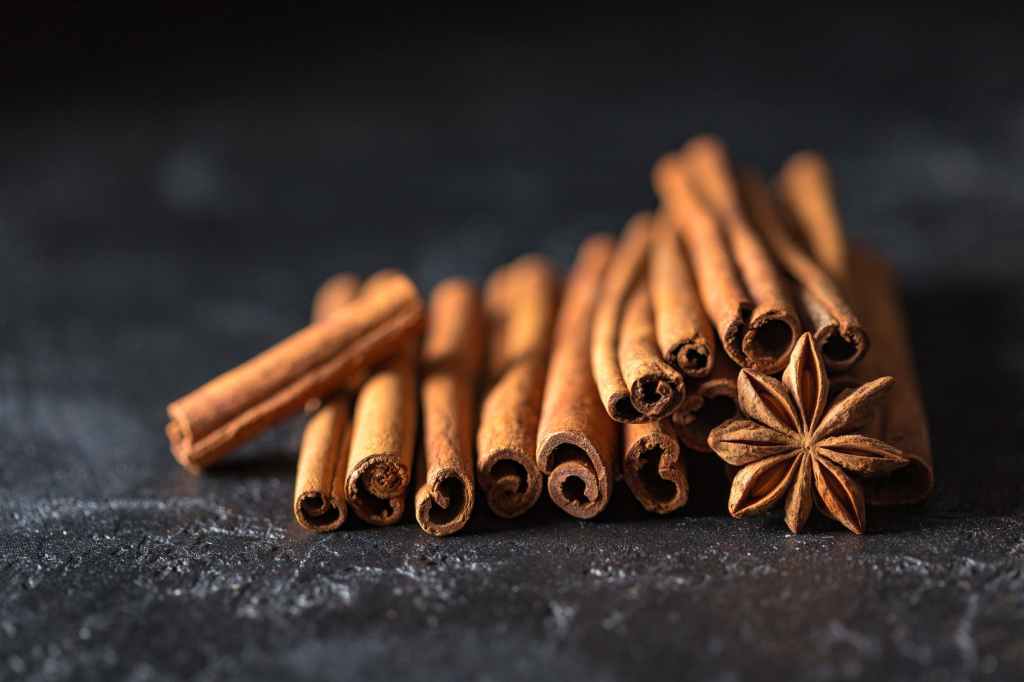
Cinnamon, one of the more popular Diabetes supplements

One of the things that irk me the most about these supplements is that they’re generally described as being the most beneficial for people with Type-2 Diabetes. This is because people with Type-2 generally still produce insulin of their own, if only in small amounts. So their systems use and manage insulin and supplements in different ways than a Type-1’s system would. With that in mind, here are some of the more commonly known supplements that can be helpful…

  1. Chromium. This is the one I have something of a familiarity with, since it’s one that my Sensei has been recommending to me since my teens (Sensei happens to be an herbologist and practitioner of Chinese medicine). Chromium doesn’t so much affect blood sugar as it helps to improve the effects of insulin, thereby helping control blood sugar levels. This supplement can apply to both Type-1 and Type-2;
  2. Magnesium. This is a supplement that your body uses during normal insulin production. For people with Type-2, magnesium deficiency is often a thing. For this reason, taking magnesium supplements can help improve fasting blood sugars. Magnesium should usually be taken with a meal for better effect, and taking too much can play hell on your digestion and cause unwanted bathroom issues, if you take my meaning…;
  3. Vitamin D. This is another one that usually applies to Type-2. This is because Vitamin D is believed to improve the function of the pancreas, which produces insulin. This wouldn’t apply to Type-1. Some studies have shown that most Type-2’s have some level of deficiency in Vitamin D, which is why supplementing can be helpful;
  4. Cinnamon. This is the most popular and well-known of supplements associated with Diabetes, although it also applies primarily to Type-2. It helps the body absorb and respond to insulin, improving blood sugar and A1C levels overall. The caution with this one is that excessive amounts of cinnamon can be damaging to the liver, depending on the variety of cinnamon you’re using.

I’ll be totally honest, I kept repeating the fact that most of these apply to Type-2 because I don’t want someone with Type-1 potentially wolfing down supplements, thinking that it’ll fix their blood sugar levels for them. My familiarity with the specifics of Type-2 is significantly less than it would be for Type-1, which is why this is the time where I recommend speaking to your doctor or health practitioner before starting on ANY supplements that could affect your overall Diabetes control.

It would be fantastic if there were a magic pill we could take to maintain our blood sugar levels. Hell, sometimes I find myself jealous of Type-2’s who can control blood glucose levels through the use of oral medication. But for those with Type-2, it’s important to know that there are things you can take to help yourself along. ☯

Some Watered Down Information

Water is life. Quite literally. The human body, on average, is composed of about 60% water depending on age, weight and varying factors. Water is one of the simplest things in the world, composed simply of hydrogen and oxygen. It’s odourless, tasteless, inorganic and contains absolutely no calories. Despite these facts, we need to consume a reasonable amount of water ever day in order to survive. But not all waters are created equal…

First of all, let me be clear that I’m not talking about flavoured or sparkling waters, or anything that’s been processed or served into bottles or cans that you might find at your local convenience or grocery store. I’m talking about the differences between distilled and spring water.

Let’s start with spring water, or what one typically sees at the store as bottled water. This is water that has come from a natural source, like the mountains or underground. Although most people tend to consider this water to be the “best” water to drink, those same people don’t realize that this water may or may not have been treated and have no idea what contaminants may be included.

Now, I’m not trying to get myself taken out by an assassin hired by “big water” but I should probably point out that for the most part, drinking bottled water is no better and no worse than drinking tap water. In fact, tap water often has more stringent treatment and purification processes than the water you get in a plastic bottle. in fact, studies performed by the NRDC (Yes, the National Resources Defence Council that Marshall Erikson worked at in How I Met Your Mother) have found contaminants contained in some bottled water (https://www.nrdc.org/stories/truth-about-tap#table2)

Distilled water is an entirely different creature. Distilled water is purified, filtered and stripped of absolutely everything EXCEPT hydrogen and oxygen. That’s why most people consider distilled water to be stale and flat. Because there’s literally nothing in it. You know that one specific brand of bottled water that you absolutely LOVE the taste of? That taste is the result of the minerals and contaminants within the water.

Distilled water is usually what’s used for medical purposes or for people with vulnerable systems. For example, my wife and I use distilled water to make our infant son’s formula, since it prevents the addition of said contaminants. Depending on what you’re trying to do, distilled water can also be used for recipes and such. So distilled and spring water are not necessarily interchangeable, depending on who’s consuming it and why.

At the end of the day, if you have a dedicated drinking water tap at home with a decent filter, that option is perfectly fine and will do the job. You’ll also notice that bottles of distilled water will often cost a touch more than spring water, due to the process required to purify it. if you wonder about the purity of your tap water, check with your municipality’s water board. Depending on where you live, the majority of towns and cities are obligated to test their water frequently and make the results public.

Most importantly, be sure to drink plenty of water. Staying hydrated will help eliminate fatigue, stave off unnecessary hunger and help to flush out your body’s systems. Although not all waters are created equal, as long as you keep on drinking it, you can’t go wrong. ☯

Take Time To Heal

Like most martial artists, I’m no stranger to blood, sweat and tears. There have been multiple times in the past thirty tears when I’ve “pushed through the pain” and trained and/or worked out even when I felt ill or weaker than I should have. It’s no mystery that high blood sugar and other Diabetic issues can weaken the body’s immune system and make Type-1 Diabetics more prone to colds and other annoying illnesses.

But despite one’s pride and hard-headedness, is it IDEAL to train when one is sick? Depending on who you speak to, recovery time is always the best route. Allowing your body the time it needs to heal is preferable, especially when Diabetic, to pushing your body to where you compromise your immune system and potentially open yourself up to infection.

I’ve been struggling with a cold for the past four days. At the risk of being accused of having “man flu,” my face has been swollen and in pain, sinuses are pooched and I have an extreme lack of energy. Today is one of the first days that I’ve begun to feel better. I’ve stayed off my feet and taken it easy but my wife has suggested that maybe the best medicine would be a solid workout to build up a sweat and burn the illness out of me.

I’ve done some reading from all of my general go-to websites, including WebMD and the Mayo Clinic. I’m surprised to find that most of the sources I consulted all seem to agree on the same limitations and factors when considering working out when sick.

According to a quote on WebMD by Neil Schachter, MD, “if your symptoms are above the neck, including a sore throat, nasal congestion, sneezing, and tearing eyes, then it’s okay to exercise,” He goes on to explain, “If your symptoms are below the neck, such as coughing, body aches, fever and fatigue, then it’s time to hang up the running shoes until these symptoms subside.” (https://www.webmd.com/cold-and-flu/features/exercising-when-sick#1)

According to a Q&A response provided by Edward R. Laskowski, MD on the Mayo Clinic’s website, the same “neck check’ rule is to be considered when thinking of working out while sick (https://www.mayoclinic.org/healthy-lifestyle/fitness/expert-answers/exercise/faq-20058494)

The point at which you should NOT work out, includes when one is suffering from a fever. Having a fever puts you at higher risk of dehydration, muscle cramps and aggravated Diabetic issues. Below the neck symptoms that should be considered include vomiting, diarrhea, coughing where something is expelled, body pain and fatigue.

At the end of the day, the decision whether you work out or not falls on your shoulders. If you’re not feeling up to it, don’t do it. Another option, if you feel well enough to do anything, is to simply tone down your workout so that it doesn’t floor you. Take a walk instead of a run. Do Tai Chi as opposed to shadow boxing. And if you are returning to your workout routine, do it gradually.

If your workouts are done in a public setting, such as a gym or fitness centre, then be considerate of others in relation to your illness. Don’t be blowing your nose every five minutes and putting your hands all over the equipment, spreading your phlegm on every surface. Carry a towel and be certain to place it on the bench before you lay on it. Use an alcohol-based sanitizer after you’re done with the equipment. And be certain to scrub your hands with soap and hot water often.

At the end of the day, you and your body will dictate whether you decide to continue exercising or not. Considering my cough, fatigue and all over bodily aches, I don’t regret choosing not to workout over the past several days. And a decent workout can even be beneficial as it can provide benefits such as opening the breathing passages. But I’ll admit that I can’t wait to get back at it. And don’t forget to test your blood sugar often. ☯

Around The World

Diabetes is a prevalent condition in Canada, with roughly one in three Canadians diagnosed with some form of Diabetes or pre-Diabetes. This means that as of 2019, roughly 12.5 million Canadians have Diabetes. This includes Type-1 and Type-2.

According to an online article posted by Diabetes Canada, Diabetes accounts for 30% of strokes, 40% of heart attacks, 50% of kidney failures and 70% of non-traumatic amputations that occur annually in Canada (https://www.diabetes.ca/media-room/press-releases/one-in-three-canadians-is-living-with-diabetes-or-prediabetes,-yet-knowledge-of-risk-and-complicatio)

I had someone recently ask me if there are any countries that have a higher rate of Diabetes than others. I did a reasonable amount of digging and research, but I wasn’t quite able to find anything definitive. The World Health Organization’s website had a spreadsheet that showed prevalence of Diabetes in different countries, but when I landed on Canada, the numbers didn’t seem to add up to what’s reported on Diabetes-related websites and Statistics Canada.

So, what country has the highest rate of Diabetes? According to a site called Statista, China is the country with the highest prevalence of Diabetes at 116.4 million people with some form of the disease (https://www.statista.com/statistics/281082/countries-with-highest-number-of-diabetics/).

According to a page on dLife.com, a ranking of the top 20 countries with the highest prevalence of Diabetes shows a small island country called Tokelau as the top country with a prevalence of 96%. I had to look this place up, since I’d never heard of it. And Tokelau, as it turns out, is a small group of atoll islands in the South Pacific Ocean. (https://dlife.com/20-countries-with-the-highest-diabetes-rates/)

I’m not sure how confident I am in these numbers, as I usually prefer to lean on verifiable sources to confirm these types of statistics. But one of the things that was mentioned in the sites I searched is that a higher percentage of Diabetes prevalence seems to affect small island countries where malnutrition and bad food labelling is a measurable problem. This would seem to suggest that the result lean more towards Type-2. Long story short, I didn’t find anything definitive, which disappoints me…

The World Health Organization states that there are 422 million people world-wide living with Diabetes as of 2014 (https://www.who.int/news-room/fact-sheets/detail/diabetes) and that was the latest information. 2014! Who knows how high that number has risen in the past six years.

Maybe I’m losing my touch and my ability to research and look up information is slipping. But I can certainly confirm that Diabetes is a very real presence in most countries around the world. It usually causes a strain on the health industry and contributes to a significant number of deaths every year. ☯

Adding Insult To Injury

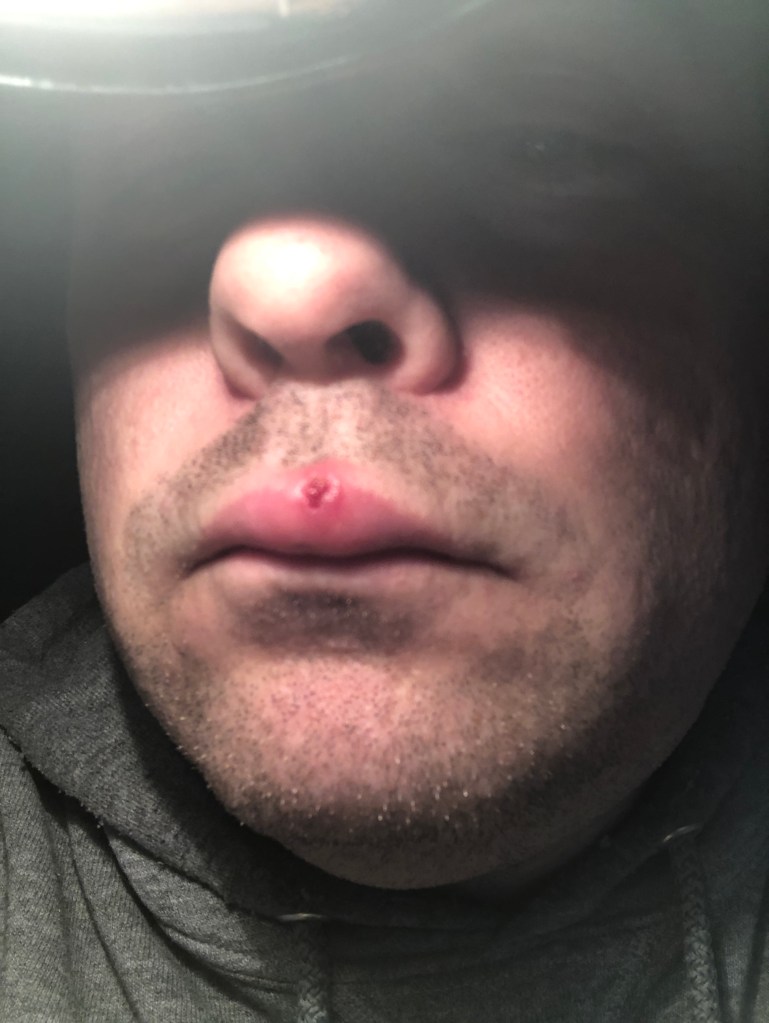
I woke up yesterday morning feeling like a dried piece of beef jerky left out in the sun for too long. Since this isn’t a NEW experience for me, it didn’t surprise me. I have this weird thing where my face swells up when I get a cold. Yes, you read that right; I will usually get a small swelling of the upper or lower lip (usually upper) that inflames and doubles by the next day.

And yes, I’ve already had it checked by my doctor on a previous occasion. Apparently it’s totally normal for your face and neck to swell when you catch a cold. This is because a cold will make it easier for your sinuses to infect, causing swelling around the face, eyes, forehead and base of the neck. Fun, eh? Not least of which to mention that it plays hell with the blood sugars. I woke up with 15.7 mmol/L as a waking blood sugar level. Brutal.

Not to gross anyone out before lunch, just a quick look at my swollen face

It’s already bad enough that everyone is limited to their homes due to quarantine measures, but somehow catching a cold on top of that seems to add insult to injury. I’ve relegated myself to the basement so that I hopefully don’t pass it on to my wife and kids. The part that sucks is that getting some fresh air occasionally helps with swollen sinuses and makes me feel a bit better, and it’s quite cold and windy today. Hmm, if only there was something to help cheer me up a bit… Oh, wait!

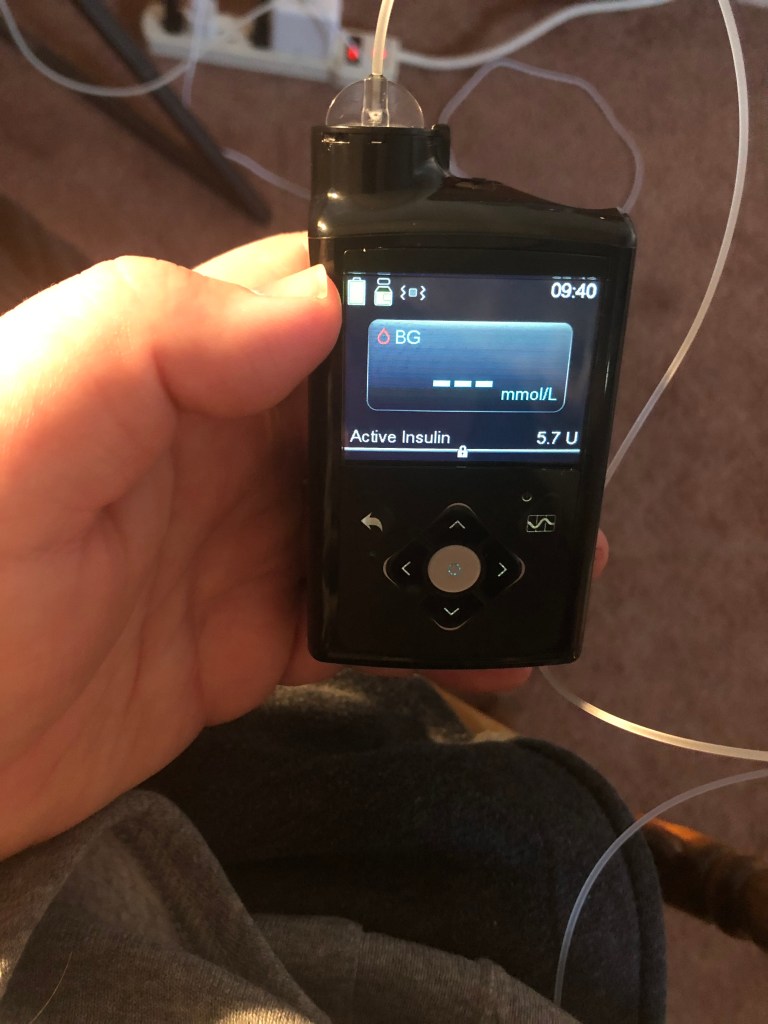
I started on this new bad-boy this morning. All pretty and shiny, but it felt weird to load up a pump that wasn’t my usual one. I’m certain that once I get my in-person training (IF I get my in-person training) and start on Continuous Glucose Monitoring, it will make a world of difference in how my blood sugar levels are maintained. High hopes are the best ones, right?

Hopefully everyone is staying safe and healthy. Remember that sitting at home presents a number of problems for someone with Diabetes (doesn’t everything?). Get some exercise, even if it means crushing out a batch of push-ups, squats, sit-ups and jumping jacks in the living room. Stay well hydrated. People have a nasty tendency of neglecting that aspect when sitting quietly at home, but sipping water or fluids consistently throughout the day is still important.

Now if you’ll excuse me, I’m going to grab some cold meds and unceremoniously curl up in the fetal position and pass out (No, I do not have “man flu”). ☯

National Beer Day… 🍺

This morning’s post was a bit short and I thought that was fine for a change, but it wouldn’t be me if I didn’t provide something longer to read. And here we are. Last year, I covered a number of different “holidays” in April and May that come around every year. You’ll notice the quotation marks, because these so-called holidays are generally not recognized and are just for fun.

Some of these are pretty weird (like National Ferret Day), but some are pretty interesting and decent (like National Siblings Day and Deep-dish Pizza Day). Although the majority of these come out of the United States, I can promise you that most of them are celebrated here in Canada as well; there’s no way in hell that Canadians WOULDN’T celebrate National Donut Day (that’s coming on June 5th, BTW).

But today is National Beer Day, and yes, it IS an American holiday but it’s well-observed in Canada as well. National Beer Day is celebrated on April 7th marking the day that the Cullen-Harrison Act was enacted after being signed into law by President Franklin Roosevelt in 1933. Although this didn’t mark the end of prohibition in the US, which took place later on in the year, it was the beginning of the end.

National Beer Day was created by an American named Justin Smith in 2009, who started the “holiday” as a Facebook page at the behest of his friends. Since then, it has become a recognized holiday by the Commonwealth of Virginia (where Smith is from). I checked Wikipedia for these facts, so take them for what you will: https://en.wikipedia.org/wiki/National_Beer_Day_(United_States)

Beer holds a particular interest for me. And unlike the average consumer, I enjoy consuming it for the different flavours and different blends, as opposed to the intoxicating effects (that’s my story and I’m sticking to it). I’m an odd duck in comparison to my counterparts in Canada, as I only start drinking beer when I was 23 years of age in Japan of all places, as opposed to early in my teens like most of my friends. This is mostly because of beer’s significant carb-count and effects on the waistline.

Depending on what history book you read, the first beer is thought to have been brewed by the Chinese almost 9,000 years ago. But beer as it’s brewed today (or close to it) is believed to have been started by the Mesopotamians around 3,500 to 3,100 BCE. Although some scholars think it may have been accidentally discovered when grains used for bread fermented, some postulated that not only was it brewed for its intoxicating effects but also as a dietary staple.

Regardless of who did it first, beer is here and most of us couldn’t be happier. And believe it or not, beer may have some particular health benefits in addition to being the beverage of choice for guitar-playing teens sitting by the fire on a beach. I found an article on a website called EverydayHealth.com, which lists 8 ways that beer is good for you. Here are the ways…

  1. Beer Fights Inflammation. The article suggests that some of the hops used in beer can contain bitter acids that help fight inflammation;
  2. Beer Aids Digestion. Those same bitter acids can also help with the release of stomach acids, essentially helping you to digest;
  3. Beer May prevent Some Cancers. Beer contains Lupulone and Xanthohumol, which have shown promise in fighting tumours. Most of these are just in the study phase;
  4. Beer Builds Bones. Beer contains silicone, which is said to be important for the building of strong bones. The article suggest India Pale Ale (my favourite) as the best source for this;
  5. Beer Is Heart-Healthy. A study in 2012 apparently links the consumption of one or two beer a day as beneficial for the prevention of heart issues, and the prevention of further issues in those who already have them;
  6. Beer “Polishes” Your Teeth. Beer apparently beats out tea and other methods of eliminating the biofilm that accumulates on your teeth if you haven’t brushed for a while, according to another study done in 2012 (were we all just drinking THAT much in 2012?);
  7. Beer Protects Brain Cells. A 2015 study from China describes some benefits in this regard. Finally, a study that WASN’T done in 2012;
  8. Beer Prevents Kidney Stones. Some studies have shown that consuming beer may help prevent the formation of kidney stones.

Here’s that EverydayHealth page, should you want to get further details, and perhaps read some of the linked studies I mentioned above: https://www.everydayhealth.com/pictures/ways-beer-good-you/

So there you have it! Beer isn’t all bar fights and hangovers but can actually do some good for you. As with all things, the idea is moderation. Too much consumption can lead to the reversal of some of the benefits listed above, and can also include increased blood pressure and weight gain. So the idea isn’t to down a twelve-pack thinking you’ve found the secret to eternal life! And bear in mind that the average can of beer can be anywhere between 11 to 25 grams of carbohydrates, depending on the blend and size of container. So, know what you’re drinking and how to bolus accordingly.

Enjoy National Beer Day and treat yourself to a cold one! I’d say wait until 5 p.m. but believe it or not, that’s not an actual rule and is mainly a social norm because the majority of people end their work day at 5. So, if you’re sitting at home binge-watching your preferred streaming service and you have nothing else to do considering quarantine measures, enjoy a beer (in moderation). I miss going out for beers with my occasional beer buddies (you know who you are!) so hopefully the state of the world will change soon and we can get back to the norm. ☯

I’ll Just Leave This Right Here…

I found this online a few days ago and I thought I’d share it. Its probably surprising to read a post of mine that doesn’t involve lists or long convoluted explanations about something, but sometimes you just gotta keep things simple. Enjoy! ☯