Heavy Or Fast, Exercise Has An Effect…

I’m a huge believer in the fact that a person should be training and/or working out several times a week, if not daily. I’ve had many of my counterparts (both Diabetic and martial artist) point out that it’s possible to have too much of a good thing and that daily training isn’t ideal. But when you factor in sessions of meditation, low-impact yoga and walks, it can be pretty easy to log something different seven days a week.

And before all the yoga practitioners jump on here and tear me a new one, I’m not saying that yoga isn’t a fantastic workout, because it can bring the sweat like anything else. But the point I’m trying to make today, especially for my fellow Type-1 Diabetic readers, is that different TYPES of workouts will have a different effect on your body and blood sugar. And it can be confusing and difficult to make heads or tails of it. After all, one would be inclined to think, “burn glucose to lower, eat carbs to increase,” right?

Last week, I had the privilege of enjoying two workouts. The first one was a circuit-style workout, with some speed and intervals thrown in. I performed this workout with my 6-year old son and we ended the workout with about fifteen minutes of punching the mitts. All in all, it lasted about forty minutes. During this period, my CGM was taking care of monitoring my blood sugar levels and I sat in the range of 5.3 to 5.7 throughout the entire workout and for a while afterwards. Okay, not bad.

The second workout was a period of doing karate forms, or kata. I practiced these alone for about a half hour, doing two or three of each of my forms required for my next belt certification. Doing them alone didn’t stop my son from sitting on the steps and watching quietly while occasionally mimicking some of the techniques he saw. But during that brief half hour, my blood sugar dropped from the mid 6’s to about 3.8 mmol/L.

The fact is, different workouts will have different effects on your body whether you have Diabetes or not. But it’s because of that Diabetes that you need to be wary of said effects. There’s no magic formula to figuring this out. Most of it will be trial and error and will require you to try different things to see what works for you. But I’m going to throw out some basic concepts as they relate to Diabetes. If you want some in-depth information, the Juvenile Diabetes Research Foundation has a great article that covers what I’ll be saying in greater detail.

Let’s start with cardio. I’m not a huge fan of running but as some of you know, I LOVE cycling. Cardio (or aerobic) exercises tend to last longer than say, weightlifting or other types of exercise. Although exhausting, biking for 70 kilometres will typically be less intense than say, doing repetitive sets of heavy weights for 30 minutes. Under normal circumstances, you’ll burn glucose consistently throughout the majority of your workout, meaning you’ll experience a low at some point during your workout. Pretty straightforward, right?

Next is anaerobic exercise, or your weightlifting, karate, boxing… Most of the workouts that are higher in intensity and will build muscle as opposed to cardio. Because of the higher intensity, the release of adrenaline will trigger the breakdown of glycogen in your system which is then turned into glucose, resulting in a spike in blood sugars. This is usually a real pain in the ass for me, especially since I usually suspend my insulin pump and leave it in my gym bag to avoid damage during karate classes.

Still with me? Good. The JDRF link I provided above will also offer some insight into combination aerobic/anaerobic workouts like team sports, but that shit gives me a headache to think about. So check out the link. The bottom line is you may have to suffer through some trial and error in order to figure out what works best for you. Removing my pump is normally a good idea during karate to keep from damaging it. But if I do as my doctor suggests and bolus a unit or two to compensate for the pump’s absence, I usually suffer a low quite quickly. I’m usually better off letting the spike happen and correcting it after class is done. Although not the best choice, that works for me. It may not work for someone else.

Having Diabetes shouldn’t stop someone from enjoying the full range of health and fitness that their bodies can allow. Although it may take a bit more planning and tweaking than the average person, there isn’t anything I can’t do. The important thing is to plan ahead. Always keep some fast-acting glucose with you, in case you suffer a low. Keep a blood glucose meter close by s that you can confirm your blood sugar levels, whether you wear a CGM or not. And of course, be sure to stay hydrated. ☯

yin-yang-2

Help Me To Keep This Permanent!

My content may be free and I absolutely love providing it, but my time is not! I’m trying to make a go of it as a full time writer but obviously, everyone needs to get paid for the time they put in. Your donation to this blog can mean the difference between seeing daily content or wondering “whatever happened to The Blogging Buddhist.” Help me keep this permanent. Any small donation helps and will not go unappreciated.

CA$5.00

Don’t Get Salty, I’m Just The Messenger…

Ahh, salt… It’s the most common seasoning in most household kitchens and unless you have some medical restriction that prohibits its use, I don’t know too many people who haven’t thrown a dash on their food from one time to another. Salt is pretty old school and has dipped its toes in to a number of different aspects of humanity. It’s not only been used as a seasoning, but has also been used as a preservative for food, a disinfectant and even as a form of currency. So, what’s the real deal with salt?

Many people actually crave salt. There are a number of different possible reasons for this and I’m sure at some point, you or someone close to you has demonstrated the inability to stop eating once you’ve started in on a salty snack. You know, “betcha can’t eat just one?” As with all things in life, there’s some good and some bad. And I’m going to spit out some of both…

Depending on which generation you grew up in, you’ll have noticed that most salt containers will have the words “with Iodine” or “iodized” added to it. This is because Iodine is a necessary mineral component that’s part of a hormone called thyroxin, which helps to regulate one’s thyroid. Humans need to obtain Iodine from outside sources in their diet, since the human body doesn’t produce it. So most of North America began adding it to salt, sometime in the 1920’s.

Sodium, which is only one of the components of salt, is a necessary mineral that the human body needs in order to properly balance one’s hydration and blood volume. This is usually done with the consumption of potassium and magnesium as well. Sodium directly influences blood pressure, and folks who suffer from chronically low blood pressure will sometimes be advised to increase their sodium intake.

The hydration aspect is an important one, from a fitness AND a Diabetes perspective. As I can easily attest from a lengthy bike ride in extreme summer heat, lack of mineral salts, such as sodium, will cause a condition called hypionatremia, which is a problem when the water levels in your body rise too high and your tissues and blood cells begin to swell. Sodium can act as an electrolyte to help balance out hydration and the absorption of water in your system. Your body also needs sodium for proper muscle and nerve tissue health. The contracting of your muscle tissue depends on proper sodium levels, as well.

Since life is a matter of balance, there’s a bad side to salt/sodium, as well. Too much sodium increases your risk of stroke, kidney disease, bone and joint issues as well as heart failure. Sound familiar? It should; these are all possible Diabetes complications, as well. So for someone who has Diabeties, an increased level of sodium will aggravate all those existing complications.

Whether you have Diabetes or not, sodium falls under the same category as carbohydrates. Your body needs it, but you have to find the proper balance. Not enough sodium will cause issues and too much sodium will cause complications. Just like the over-consumption of carbohydrates. From a fitness standpoint, you sodium (as well as other mineral salts) in order to stay properly hydrated when exercising. In fact, most “sports drinks” are just water infused with variations of sodium and potassium, with some colouring and flavouring thrown in to justify the crazy price retailers charge you for it.

The average person will get all the salt/sodium they need through the consumption of their regular food, as most food has pretty solid levels of sodium. This means that unless you’re training at an athletic level or in the extreme heat, consistently sipping water and eating a healthy diet will be enough. For the former, sipping the occasional electrolyte sports drink can be helpful to avoid nausea, muscle cramps and fatigue during heavy workout. ☯

yin-yang

Let’s Keep The Engine Going!

My content may be free and I absolutely love providing it, but my time is not! I’m trying to make a go of it as a full time writer but obviously, everyone needs to get paid for the time they put in. Your donation to this blog can mean the difference between seeing daily content or wondering “whatever happened to The Blogging Buddhist.” Help me keep this permanent. Any small donation helps and will not go unappreciated.

CA$5.00

The Needle Jammed Into Your Haystack

Today, I’m going to tackle a side effect of Diabetes that I never have before. Although I’ve touched on it briefly in previous posts, I’ve never really taken the time to examine it and put a name to it. Well, today is the day. No time like the present. I’m talking about a well-known condition that usually remains unnamed for most Diabetics called Lipohypertrophy.

So what is Lipohypertrophy? According to an article posted by HealthLine.com, it’s defined as “an abnormal accumulation of fat underneath the surface of the skin. It’s most commonly seen in people who receive multiple daily injections, such as people with Type-1 Diabetes. In fact, up to 50 percent of people with Type-1 Diabetes experience it at some point.”

In layman’s terms, Lypohypertrophy is the scar tissue that one accumulates from repeated injections in the same area. This is especially true if you wear an insulin pump and/or test your blood sugar frequently throughout the day. The difference between Lypohypertrophy and actual scar tissue is that the former isn’t permanent. Providing you take the proper steps. I’ve read a number of different sources in relation to this, and most of them recommend everything from mildly massaging the area, all the way to liposuction to remove the fat deposits. I don’t know about you, but I have no interest in such extreme measures (I mean the liposuction).

For the most part, Lypohypertrophy will pass if you allow some time between injection sites. Sometimes when I remove an infusion site, I’ll see a hard, red spot where the cannula pierced my flesh. That spot will disappear. Typically. This process, however, can happen as quickly as days or take as long as months. So it’s important to rotate your injection sites regularly and try to avoid always jabbing a needle into the same spot, constantly.

Other important steps to prevent Lypohypertrophy is to ensure to always use fresh needles. Although on a microscopic level, needles will start to bend at the tip after only one use. Many Diabetics will try and save a few bucks by re-using the same needle over and over. But doing so can result in thicker scar tissue and possible infection. Rotating your site and even considering smaller needles can be good ways to prevent and avoid Lypohypertrophy. I’m not sure how acupuncture would help, but I’m certain your local acupuncturist could explain it. In extreme cases, liposuction can provide an immediate solution to elimination the unsightly lumps, but you face the same risks as you would with any surgery.

The reality is that although we don’t think of it in that way, there’s plenty of real estate to inject your insulin, so you should avoid repeated use of the same injection sites. Some people even keep a log to ensure they avoid repeated sites for as long as possible. You’ll know it’s time to visit your doctor if your injection sites become red and swollen, are hot to the touch or painful without touching, all of which are signs of infection.

The same can be said of your fingertips, although this is straight up scar tissue and there’s little you can do to heal it once it forms. The difference is that Lypohypertrophy will affect how your body absorbs insulin. But as long as blood is drawn, the desired result is achieved. Maybe take it easy on the guitar practice while your fingers heal, but otherwise you’re good to go. Just one more aspect of the Diabetes rollercoaster one needs to think about. ☯

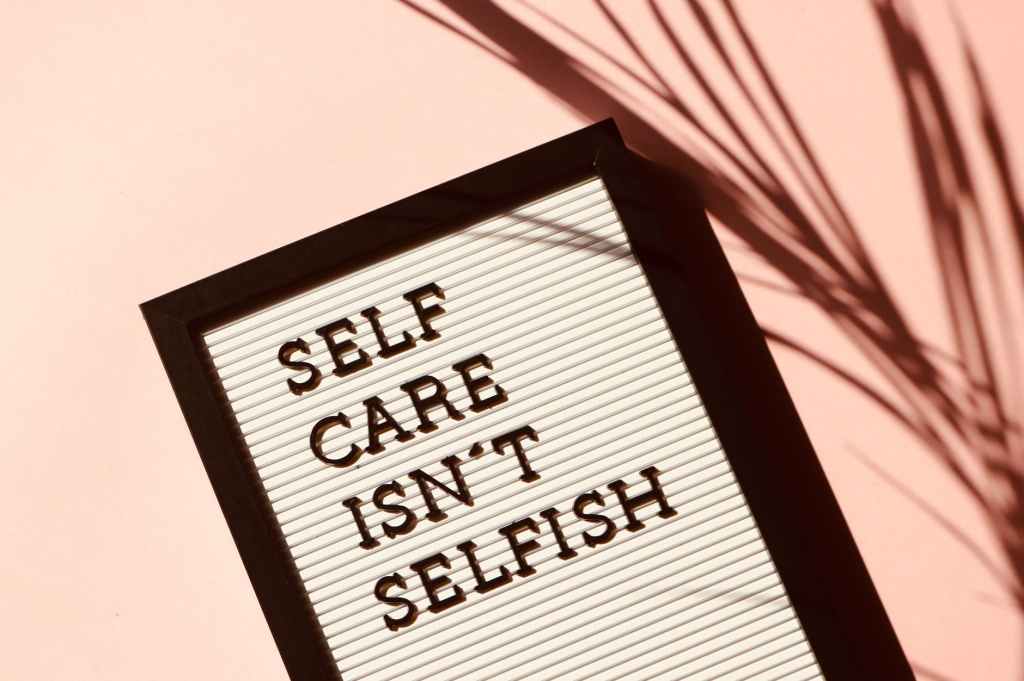
Self-Care Doesn’t Mean Self-Importance

Taking proper care of yourself is one of life’s top priorities. This is true for any person, but especially true for someone suffering from Type-1 Diabetes. Although you can certainly find medical practitioners to help you navigate the complicated labyrinth of medications, treatments and methodologies required to properly balance your Diabetes, the ownership of your care ultimately falls to you. And even when people are fully aware of this, they very rarely recognize and acknowledge it.

In order to be healthy, you need to be happy. In order to be happy, you need to be healthy. As Sensei would say, these two go hand-in-hand and it’s very difficult to truly have one without the other. Over the years, I’ve found myself sacrificing my wellbeing for the betterment of others, often going as far as damaging my health, exhausting myself and/or making myself sick. Although sometimes duty, honour and obligation requires it, it’s pretty difficult helping others if you first don’t help yourself.

So what does self-care look like? I don’t necessarily mean taking your medications or frequently testing your blood, although these are every important. I mean the self-care that includes one’s mental wellbeing as well as the physical. For example, did you know that if you’re tired in the middle of the day and decide you want a nap, you really don’t need to explain yourself to anyone? (Unless you’re at work, in which case I don’t recommend trying it. And if you do, please don’t name drop me…)

In order to illustrate my point I’ll provide two examples from my personal life, which took place some years ago. The first is work. I don’t think I need to to explain that work is a necessary part of modern life. Unless you happen to have been born into a wealthy family, most of us are forced to punch a clock and usually contribute somewhere in the range of 2,100 hours a year to help line someone else’s pocket. When I used to work for a certain popular franchise, who shall remain nameless for liability reasons, I let myself fall victim to my attempts at being an all-star.

Although not always the case, most employers are not only more than happy when an employee goes above and beyond, they come to expect it without any form of additional remuneration or praise. If you happen to be a prospective go-getter, this plays havoc with your health. This was me, up until a little over a decade ago. I would never miss a shift, driving in dangerous, inclement weather, going in to work when I felt ill and even going as far as passing out twice on the job, to be brought to the hospital for diagnosis, only to return the next day.

Despite the fact I was in management (and in light of that fact), it really gave me no benefit to be sacrificing myself this way. I ignored critically low blood sugars, worked through bleeding polyps and even did the work of two people when I was short and couldn’t replace them. And it wasn’t until I finally put my foot down and tried to call in sick that I got the ever-popular retort from my boss. I’m sure you’ve all experienced it; it was a dialogue that went a little something like this:

ME: “I won’t be coming in today. I’ve been ill all morning…”
BOSS: “Well, just how sick are you? I need you for tonight’s shift.”
ME: “Sick enough that I don’t feel I should be coming in to work…” (Bearing in mind that Canadian Labour laws take a dim view of an employer asking about ANY medical condition, my answer was more accommodation than was required)
BOSS: “Alright, fine. I’ll see if I can replace your shift. I’ll call you and let you know.”
ME: “Let me know what?”
BOSS: “Whether I can replace your shift or not!”
ME: “Why do I need to know that?”
BOSS: “Because if I can’t replace your shift, I need you to come in…”
ME: “Maybe I’m not being clear. I’m calling in sick. I won’t be in tonight.”
BOSS: “Well, if you’re going to be like that, you’ll have to bring me a doctor’s note.” (Also against the Labour Code)
ME: “I’m not going to a hospital! I just need to get some rest and I’ll probably feel better tomorrow. THAT part, I will let you know…”
BOSS: “If you aren’t sick enough to go to the hospital or see a doctor, then you aren’t sick enough to miss your shift.” (Also not a permissible statement, unless you HAPPEN to have “M.D.” after your name, but what do I know)

Any of my readers or followers from back home can probably guess at what employer this was and would likely be nodding their heads furiously right now. But given my propensity for picking my battles, I would foolishly go into work despite feeling like absolute shit. I can’t tell you the number of times I’ve worked through a shift with frequent trips to the washroom where I would accommodate either end of my anatomy (Enjoy getting THAT image out of your head). Was it worth it? Definitely not. It didn’t result in a pay increase or any advancement to my career. All it did was cause damage to an already damaged body. Not smart, on my part.

The next story is about relationships. For the most part, relationships on their own can be rough and challenging waters to navigate, especially when dealing with someone who has little concern or understanding for your wellbeing. This brings me back to my earlier comment about napping. You all know that I’m a big fan of napping, but for this story, I’m referring to the need for actual sleep.

You see, as an adult, there really isn’t any reason why you should have to explain yourself, should you decide you’re tired and want to go to bed. Tired means tired, and is about the farthest thing from selfish that I can think of; next to needing rest from illness. But this was something of an alien concept to the woman I will identify simply as “Ex” (my ex-wife).

Ex had a nice, cushy daytime job, 9 to 5, Monday to Friday. I worked shift work, which often included overnights. This is not to say that she didn’t work hard AT her job, the issue mostly arose from her time at home. The scenario would involve working overnight and getting off work at 6 a.m. By the time I’d get home, it would be closer to 7 a.m. and I would sneak carefully into bed as to not wake Ex. But one’s circadian rhythm can be a bitch, and she’d often wake up less than an hour later, despite being on a day off.

Now, one would be inclined to think that any reasonable person would understand that someone who’s worked throughout the night would need more than an hour or two’s sleep. Not Ex. She’d wake me shortly after she’d have breakfast in order to “get the day started.” When I’d argue that I needed a solid period of proper sleep because I had to work overnight again that night, it would be met with argument, including but not limited to the fact that I “was not to waste her entire day off sleeping.” Nice, eh? There’s a reason WHY she’s an ex.

I’ve provided both these scenarios, not because I wanted to complain about these two negative aspects of years past (despite the fact that venting about it was kind of nice), but to point out that both these scenarios wreaked havoc on my health, my blood sugar levels and even my mental wellbeing. The stress and anxiety associated with always having to explain yourself for things that should be an understandable requirement of physiological survival can have permanent repercussions on your sense of self-worth, value and confidence.

That’s why it’s important to take time for yourself and do things that are uniquely for yourself. Have that nap. Run out to grab a coffee. Take an hour a day to meditate or work out. None of that makes you selfish, it simply guarantees that you’ll be in a better state of health and a better state of mind to help take care of the daily grind, whether that includes family, work or whatever. And should you encounter an obstacle in your life that prevents your self-care, whether work or personal, that makes them a cancerous cyst that you need to down a shot of whiskey and quickly slice off in one quick swipe. You’ll be all the better for it. Surround yourself with people who will not only accept your needs, but will encourage them, as well. I know I did. ☯

Because I Never Talk About Sleep…

Anyone who is a regular reader of my blog knows that I’m totally being sarcastic with that title. I’ve written a handful of blog posts about proper sleep, rest and napping. And it’s something I can’t stress enough. I’m no stranger to lack of sleep, between PTSD, Diabetes and its various symptoms and the regular stresses of life making my nights shorter than they should be. But there can be a number of common reasons as to why the Sandman’s dust fell off your face early. And here are just a few…

First of all, I should point out that all the reading I’ve done on the topic has shown that most scientists are uncertain as to the WHY of sleep, with its purpose being mainly unknown. That being said, there’s a lot of evidence on the WHAT that takes place while we sleep. According to an article by HealthLine.com, one of my favourite websites, sleep allows for certain biological functions, such as cell and energy restoration, elimination of toxic waste and a bunch of aspects related to improving memories. from a Diabetes standpoint, the article also includes that sleep can help prevent insulin resistance.

Now that I’ve gotten the specifics out of the way, let’s talk about some of these reasons I mentioned in the opening paragraph. Since this is a list combining my own reasons as well as some from outside sources, I’ll link my references below for those who wish to do some further reading. Here we go:

  1. Bad Bedtime Routine: This is a pretty basic one, but it’s surprising how many people have a terrible routine at bedtime that simply doesn’t allow them to fall asleep nicely. Bedtime should (work permitting) be around the same time every night, with a process that’s familiar to your body and allows it to recognize that sleep is forthcoming. Changing into sleepwear, brushing your teeth and ensuring a quiet environment, are good steps to prepare yourself for a good night’s sleep;
  2. Still Plugged In: This refers to our wonderful smart devices. If you have the habit of checking social media or gaming when your head hits the pillow, it may have a measurable impact on how well you sleep. A backlit screen can interrupt your body’s production of Melatonin, which is a hormone your body starts to produce late in the day, signalling that bedtime is coming. I’m guilty of this one, as I need some noise in the background to fall asleep or my frayed nerves will jump for every bump and creek that I hear within and without the house. But if you’re not as paranoid as I am, try reading a book instead. Really, any alternative that doesn’t involve a lit screen in your eyes would be preferable;
  3. Getting Drunk: Hey, I have a deep-rooted love for wine, so I can’t say a great deal about this one. But most of us have been here at one time or another. You’re out at a party or a social gathering and you have a couple of drinks too many, which inevitably allows you to unceremoniously black out once your head hits the pillow. But this kind of sleep is usually of diminished quality. Although alcohol may help you fall asleep and sleep deeply, it also disrupts your REM cycle, which is necessary for a restorative sleep. Not to mention that you’re taxing your body’s liver to process the alcohol while it should be doing other things;
  4. Medical Conditions: Obviously, I know a thing or two about this one. Having Type-1 Diabetes will cause all sorts of havoc on getting a good night’s rest. Fluctuating blood sugars, Restless Leg Syndrome and an annoying insulin pump that insists on beeping and/or vibrating for every little thing can make for a choppy night. There are a variety of other conditions that can make it hard to sleep well, including depression, Narcolepsy and bodily injury that causes pain;
  5. Diet and Exercise: Ah, my favourite go-to… It stands to reason that proper exercise will help you to fall asleep and get better rest. There are so many reasons behind this that I’ll just let y’all research this part yourself. I’m sure I ramble on enough without making it worse. But diet plays an important role as well. If you eat something that you have an intolerance for, causes heartburn or indigestion or that has spoiled, you may find yourself running to the washroom and spending half the night up;
  6. Stress: This is the big one, and among the most common. How often have you let your head hit the pillow to suddenly start thinking about the big project at work? Or how you’ll manage to pay that bill that just came in? Or whether the person you swiped on tinder was ACTUALLY of the gender you’re seeking? Stress can play hell on your ability to sleep and can even lead to measurable physiological effects on the body. This is where calming exercises and meditation can be of definite advantage.

Sleep can be fleeting, but the take-home to all of this is to eat and exercise properly, have a structure bedtime routine and ensure a cool, dark, quiet environment to sleep in. Experts say that sleep should come easily and that if you haven’t managed to fall asleep after about 15 minutes, you should leave the bedroom and do something else; reading, meditating, etc before trying again. Rest well, my friends. ☯

References:

  1. https://www.health.harvard.edu/sleep/8-reasons-why-youre-not-sleeping
  2. https://www.sleepfoundation.org/insomnia/treatment/what-do-when-you-cant-sleep
  3. https://www.webmd.com/sleep-disorders/understanding-sleep-problems-basics
  4. https://www.webmd.com/sleep-disorders/news/20130118/alcohol-sleep

Take A “Shot” At Some Facts…

It’s no secret that people have been enjoying the added opportunity to partake in, shall we say, “adult beverages” during this whole pandemic thing. I’ve jumped on that bandwagon myself, allowing my repressed inner teenager who never got to enjoy a drunken evening out with friends in his youth to indulge a bit as I generally have nowhere to go, nothing to do and no reason to worry, should I find myself a touch over the legal limit.

So acceptable has become the hobby of enjoying a daytime drunk, that most Provincial governments have elected not to close licensed premises for fear that the alcohol withdrawals will cause an overabundance of strain on the health care system. And this is probably accurate, if we’re being true and honest. But I’m not here to discuss the pros and cons of alcohol consumption or its continued sale throughout the pandemic. I’d here to focus on the consumption of alcohol for someone who has Diabetes. Of any type.

First and foremost, I’d like to point out that every person is different, as is their management of Diabetes. Everyone’s journey is unique, despite the condition being similar. Some of this will apply to all the types and subtypes of Diabetes, with some only applying to specific ones. For example, should you have Gestational Diabetes, I pray to the Light that you aren’t consuming alcohol. But that’s a totally separate issue. Since I’m Type-1, that’s the one I’ll mostly be focusing on.

Let’s start with some basic nutritional information. Alcoholic beverages contain carbohydrates. There are some spirits or “hard alcohols” that find themselves sitting at the 0 carbs level, but most bottle drinks you purchase at your local store will contain some, if not a lot, of carbohydrates. Although every blend, type and amount will differ, I offer the following comparison through the use of a photo I took a few days ago:

Spirits, beer and wine

Now, ignoring the fact that I had all three of these items available on a sunny afternoon in order to take the photo, I’ll ask the following question: Which of these contain the most carbohydrates? Most people would likely think it would be the shot (it’s FireBall, BTW). This would be a natural conclusion, since most flavoured liquors are loaded with sugar. But believe it or not, you would be wrong. I’d like to point out that I’m using these three specific drinks/brands because they are what I had on hand and are no reflection as to whether one should consume these brands or not. This is just for educational purposes.

Let’s start with the shot. The average shot glass is approximately 1.5 fluid ounces. A small bottle (375 mL) contains approximately 10 shots. I contacted the parent company who makes FireBall and was informed that a shot sits at approximately 11 grams of carbohydrates. 11 grams, for a tiny gulp that does nothing more than burn the throat! This means that the entire bottle sits at about 110 grams of carbohydrates. Not that one would necessarily drink an entire bottle… Although I did experience this last year, as explained in my post A Decade Of Blood, Sweat And Literal Tears…, FireBall is not something typically consumed in large quantities. But it packs a solid carb-punch!

Next, we’ll discuss the beer. Believe it or not, the beer has the most carbohydrates per single drink. Sitting at approximately 25 grams of carbohydrates (this is not specific to the brand illustrated in my photo) per can, it can make having a six-pack pretty difficult as it totals at 150 grams of carbohydrates. This can range anywhere from 20 to 28 grams, depending on the brand and blend of beer you drink. It also tends to fill you more.

Finally, the wine. Ah, my beloved wine… Although nothing close to being a connoisseur, I do enjoy tasting the different blends of wine and comparing them. What’s nice is that an entire 750 mL of red wine averages between 12 to 15 grams of carbohydrates. For the entire bottle! Since one whole bottle sits at less than one shot of spirits, I tend to favour wine. Also, it’s important to bear in mind that white wine will contain significantly more carbohydrates red. But since I’m a Malbec or Shiraz man, I don’t have to deal with that issue.

If we quickly do the math, FireBall sits at 0.25 grams of carbs per millilitre. Despite the wallop packed by a can of beer, it’s only 0.05 grams of carbs per millilitre. The red wine is the big winner at the lowest amount, sitting at 0.02g/mL. Per mill, the wine is still the lowest. Per expected drink, the beer is the highest. It all depends on whether you’re having a casual drink or planning to drown your woes.

Most of this could easily be interpreted as useless facts, but the take-home lesson is that any alcoholic beverage you consume will require some blousing and calculation on your part. If you have Diabetes. Moderate alcohol consumption will likely result in increased blood sugars if you don’t bolus correctly. However, a heavy night of drinking will likely lead to hypoglycaemia, since alcohol will inhibit your liver’s ability to release glycogen and your body won’t receive the glucose it should.

These are just guidelines, but there’s a pretty good chart that’s put out by Diabetes Canada. It provides information and guidelines about the consumption of alcohol if you have Diabetes, as well as some baseline carb counts for the majority of drinks. These are guidelines only, and you should lean on your specific drink’s nutritional information combined with your specific insulin sensitivity to deal with all of it. As usual, moderation is key. Consume safely, my friends. ☯

Fill ‘Er Up, Please!

One of the bigger problems in regards to fitness, especially when you have Diabetes, is the consumption of food in tandem with your workouts. There’s nothing I dislike more than having an hour earmarked for a workout, only to realize that my blood has significantly dropped and I have to treat the low before doing anything. This often (although not always) results in a feeling of being full and depending on what you’ve eaten, mildly bloated and is not conducive to a productive workout. So this begs a question: Is it better to work out on an empty stomach?

There are a few schools of thought on this, but none of them provide an easy answer. In my mind, I’ve always thought that working out without eating first was an easy way to ensure that your body used its stored fat as a source of fuel and help to trim down. But the flip side to this is that one needs energy in order to effectively exercise, and depending on one’s fat stores is not as effective a way of doing this as having food in your system. So, which perspective is the correct one? I call it “perspective” because in my experience, their preference is one that’s adhered to by most people, regardless of the information provided.

According to an article posted by the Mayo Clinic entitled Eating and Exercise: 5 Tips to Maximize Your Workouts, “studies suggest that eating or drinking carbohydrates before exercise can improve workout performance and may allow you to workout for a longer time or at a higher intensity.” It goes on to say that not eating may result in sluggishness or light-headedness. If you workout in the morning, ensure to have finished your breakfast for at least an hour before exercising.

The article touches on portion size, explaining that large meals should be eaten three to four hours prior to exercising, with smaller meals being eaten one to three hours before a workout. Snacks effectively won’t provide any energy if you have them immediately before a workout, especially if your workout if less than 60 minutes in length. The article also makes two important point about eating AFTER a workout in order to help your body recover and repair itself, as well as staying properly hydrated. Which you should be doing, anyway.

According to what I’ve read in relation to the body’s fat stores and how they’re used, if you’ve fasted before a workout, you’re essentially guaranteed to be in calorie deficit, leading to the burning of fat. This is because the body’s only available fuel source IS your fat stores, if you’ve skipped a meal before exercising. And that’s all well and good, so long as you monitor your blood sugars and make sure you don’t crash from low levels, depending on the type of workout you’re doing.

If you’re doing a shorter workout, an empty stomach likely won’t affect performance. A quick, 30-minute workout over your lunch break won’t send you into a frenzy. But if your workout is one or even two hours long, working out on an empty stomach can lead to a whole bunch of nasty symptoms like dizziness, light-headedness, nausea and will likely make you drag your ass throughout your routine. Better to have something to eat prior to a long workout.

No matter what your preference is (and it should be based on your preference), the important takeaway is to make certain to eat after your workout to aid in recovery, stay hydrated and make certain that whatever you do doesn’t interfere with proper blood sugar control. At least no more than exercising usually does. One issue I’ve often had with karate, is that weekday classes have ALWAYS been around the 6 to 6:30 pm timeframe, meaning I might be in the middle of digesting supper when we start up. That’s when you want to ensure that your meal is light and easily digested, otherwise you’ll inevitably face difficulties during class.

In closing, I’ll point out that most sources have stated that even if working out on an empty stomach promotes the burning of fat as fuel, it may not provide the amount of fat reduction a person is looking for. But being in a calorie deficit is the only genuine way to truly get slimmer. Also, there’s no way to focus on just ONE area. For example, you can’t do hundreds of crunches for the purposes of burning belly fat. That’s a myth. Your abs will get strong enough to crack walnuts, but your fat stores will burn equally throughout your body. ☯

Fat Chance, Y’all!

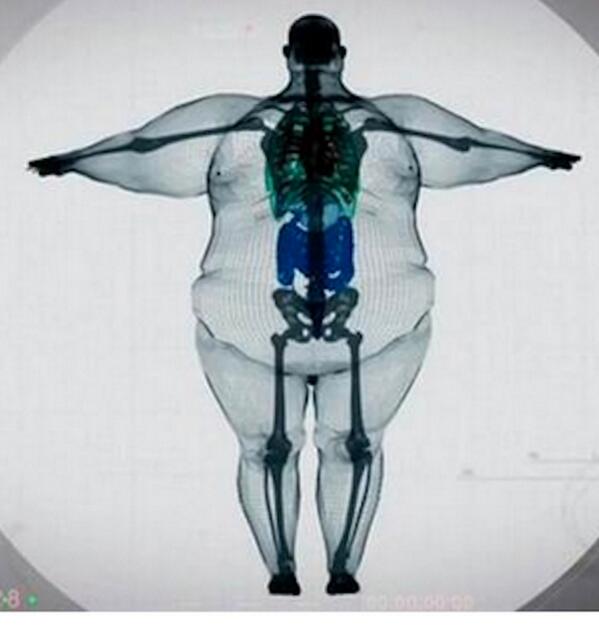
I always get a bit leery when tackling this subject. Not only has this particular topic long been incorrectly associated with Diabetes in its various Types, but given modern society’s penchant for body positivity no matter the shape of the body, it can make navigating the terminology in a diplomatic way a touch difficult. It doesn’t help that we live in a society where even something positive is usually interpreted as offensive. But on to the topic. I am referring to body fat.

From a body positivity standpoint, I agree 100% that a person can be on the heavier side and still be beautiful. And it’s important to understand and encourage that body positivity, so long as it doesn’t jeopardize one’s health. The issue I usually see is when someone who has excessive body fat or is obese, being encouraged to accept their body and it’s size and just kick their feet up and ignore the problem. No. This is incorrect. And dangerous. And now, I’m going to provide some explanations as to why.

First of all, body fat is important to the human body. Fat, in and of itself, is considered to be the stored energy source of the body. In other words, when your primary source of fuel runs out, the body taps into fat stores to keep you running until your next meal. Fat accumulation takes place when the amount of calories you take in exceed your body’s requirements. The body then stores the excess for later consumption, hence weight gain. There can be other causes for weight gain, but that’s the gist.

There’s no such thing as “Big Boned”

But your fat stores are intended to be a happy medium. Too much fat on the body can lead to cardiovascular and circulatory problems, damage the joints and cartilage of the body as well as possible metabolic issues. On the flip side, the human body can’t survive WITHOUT body fat, since it contributes to proper immune system health, energy balance and prevents starvation in instances when you can’t/don’t take in enough energy.

An article posted a few years ago by Freeletics.com states, “Too little body fat can cause deficiencies of fat-soluble vitamins, which your body can only absorb with fat. Another important factor is the risk of increased disease like heart disease, gastrointestinal problems, damage to the nervous system as well as the risk of organ shrinkage and an effect on your immune system.” The bottom line is that humans need fat in order to live. But it’s how much fat we allow to be stored on one’s body that is the issue.

It’s important to accept oneself as they are, but you excess weight can be detrimental to one’s life and health. The first step is to do SOMETHING. ANYTHING. Get off the couch and move. Even if you start with a simple walk and continue on from there, anything is better than nothing. Body fat doesn’t affect one’s personal beauty, inside or out. But fat can and will affect one’s health. And that’s where it becomes a problem. Proper diet and regular exercise are the best weapons. But bear in mind that certain medications and existing health conditions can also contribute. Be sure to speak to your doctor or medical practitioner if you feel there may be something hindering your weight-loss efforts. ☯

Don’t Fall Asleep While Reading This…

Naps are awesome. In many ways, I prefer napping over a nighttime sleep. If you think about it, going to sleep at night is a requirement. You’re basically forced to put yourself into a state of unconsciousness for seven to nine hours every night in order to maintain your health and keep from going insane. The how’s and why’s behind that can be a post for another day, but my point is that napping is a choice (mostly). It just fells cozier. And one usually makes the decision to curl up on the couch or lounger for an hour, or even a single bed, which is conveniently in your living room because you no longer have a room in the basement. But I digress…

There are a number of potential benefits to grabbing a quick snooze. According to an article I read on The Mayo Clinic‘s website, napping can help with relaxation, reducing fatigue, increasing alertness and improving mood and performance. Considering that many people find themselves stuck at home day after day in recent months, the possibility of adding naps into one’s daily routine is a definite possibility.

Given that my 6-year old son goes to school five days a week and we have an infant who typically naps twice a day, my wife and I have fallen into a routine where we usually join him on at least one of those naps. Problematically, it has gotten to the point where we experience pretty hefty fatigue towards the dinner hour if we haven’t managed to get OUR nap in, which can be a bad thing despite the benefits of napping.

I’ve checked with a number of different sources and leaned on all my usual go-to’s (WebMD, HealthLine.com and The Mayo Clinic) and they all pretty much make the same recommendations:

  1. Don’t nap for long durations: If you nap long enough for it to start looking like a full night’s sleep, it’s not napping anymore. Most sources recommend no longer than 30 minutes to an hour, with one post indicating no longer than 20 minutes. Screw that noise. And hour is normally my preference, otherwise I feel there’s no point;
  2. Don’t nap past 3pm: This is a tough one for me, because I have a tendency of sitting on the couch in the late afternoon and suddenly BAM! I’m out like disco. But napping past 3pm may interfere with the upcoming nighttime sleep;
  3. Nap in a restful environment: Ever try to nap in an airport while awaiting a flight? I have! It usually results in waking up feeling like a bag of smashed ass, coupled with severe bodily pain due to those uncomfortable termination seats. Travelling is one example of when one may not have a choice, but if you’re napping at home, be sure to do it in a calm, quiet, restful environment.

Having a nap can be a an effective way of boosting work performance and improving your chances of furthering your career. In fact, an article posted by the Japanese Times (I couldn’t find the damn article again in order to link it) explains that a growing number of Japanese companies are making possible for staff to grab quick snoozes at the office in order to help manage their health and improve productivity.

Of course, the average Japanese employee only sleeps about six and a half hours a night, so there’s that. But I certainly wouldn’t object to having a sleep pod in my office in order to close my eyes for thirty minutes over lunch. That would certainly help get me over my usual afternoon slumps. But the Japanese have turned to creating nap rooms and having sleep pods in their break rooms. Innovative bunch, those Japanese. I mean, hey, they created karate, so that was a foregone conclusion…

Naps are okay. They don’t mean you’re lazy and they don’t necessarily mean you’re lacking sleep. But they are a good way to plan ahead and stave off the effects of “expected” lost sleep, especially with things like shift work or getting up frequently with babies. But if you find yourself in a situation where you simply CAN’T get through the day without sprawling for a couple of hours, you may want to consider speaking with your doctor about it. Certain prescription medications will not only make you groggy but could potentially be interfering with your nighttime sleep, resulting in the requirement for a nap.

Consider also, that if you have a genuine sleep disorder such as insomnia, night terrors or depression to name a few, it can leave you feeling exhausted the following day. One should also avoid the boomerang effect where you don’t sleep well at night so you nap, which results in a bad nighttime sleep. Wash and repeat. Now if you’ll excuse me, I need to wear out the baby so he’ll go to bed. Daddy needs a nap! ☯

The Possible Light At The End Of The Tunnel…

I was sitting in my living room last Wednesday, basking in the aftermath of a solid supper of two jalapeño cheddar burgers. I’m totally kidding. Not about eating two burgers; I totally demolished those! I’m kidding about the fact that I was basking in anything but pain. The jalapeño burgers were painful to eat, digest and think about. But I digress… Shortly after supper, while I was in the living room with my wife and infant son, I received a text from a friend of mine.

Now, one might be inclined to ask, “But Shawn, don’t you ALWAYS get texts from friends?” First of all, shaddup! Second of all, texts rarely have this level of importance or solicit as much of a reaction from me. This text message contained a link to an Edmonton CTV article indicating that there is a possibility that a cure for Diabetes may have been discovered. No, that’s not a typo. You read that right.

The article, published on November 17th by CTV News Edmonton, opens with a bold statement in its first line, “Scientists at the University of Alberta say they may have discovered a cure for Diabetes.” Apparently, their new process has already cured Diabetes in mice and the research team is hopeful that they’ll eventually be able to test it on human test subjects. You can read the article for yourself here.

The lead researcher is Dr. James Shapiro, who is a well-known rockstar in the Diabetes community as the creator of the “Edmonton Protocol” some twenty years ago. This protocol involved injecting Diabetes patients with insulin-producing islet cells in order to allow their bodies to produce and regulate blood sugars without daily injections. This was a fantastic breakthrough and an amazing step forward in Diabetes treatment. I had even looked into it myself, when it first came out.

One of the big problems is that the protocol doesn’t work for everybody. There are conditions that make the patient receptive to the treatment, and even for those who can get the treatment are usually stuck using anti-rejection meds for the rest of their lives in order to keep their bodies from rejecting the injected cells. Dr. Shapiro and his team have apparently found a way around this obstacle.

According to their new claims, the research team have somehow found a way to turn a patient’s own cells into islet-producing ones, circumventing the need for all the anti-rejection meds and side effects that accompany the Edmonton Protocol. Their current research has shown that they’ve been able to reverse the effects of Diabetes in mice to the point where the Diabetes is effectively cured. If successful in human trials, there is a very real possibility that we could see a cure for Diabetes within our lifetime.

Just reading the article brought tears to my eyes. After all, finding a cure for Diabetes is the “hopeless hope” of every T1D. And I’d be lying if I said that I even remember what life is like without Diabetes. But it’s gotta be better than this. Watching the video made even more misty-eyed (Thanks, Kristen!). As is the case with most scientific research, funding is the main issue. Dr. Shapiro requires additional funding for equipment and research in order to perfect this new treatment.

The video that accompanies the article discusses a man, whose son has Type-1 Diabetes, who has decided on a goal of raising 22 million dollars by 2022. He made a pretty good point; if every Canadian with Diabetes donated simply $22, Dr. Shapiro would be well beyond the funding required to make this work. With over 400 million people with Diabetes worldwide, it would really suck if there’s a cure on the horizon but no one could get it because of funding.

Between drying all the tears the article caused, I tried finding where one can donate for this specific cause. Unfortunately, I didn’t find anything so if one of you does, please include it in the comments so I can share it and pass it on. Diabetes has taken up such a large portion of my life and has helped mold me into the person I am today. I’ll admit that I would likely feel a bit lost if I suddenly found myself clear of it. But I’d adjust. Definitely. Read the article. In case one link wasn’t enough, HERE! ☯