The BlendJet 2: A Review…

Yesterday I posted about how I’ve been using flax seed in the new addition to my morning routine, which is to consume a smoothie for breakfast while I prep for work. I made a brief mention of my mini blender but wanted my focus to be on the flax seed aspect. But I think it would be a good idea to talk about this new little gadget I purchased, as it really is amazing and I’m enjoying the hell out of it. Buckle up…

First of all, before anyone gets all high and mighty and fills my comments section with their bullshit, let me clarify: I am NOT endorsing this product in return for compensation. BlendJet hasn’t asked me to do this, I’m simply sharing my thoughts on the product because I bought it and it’s great. Trust me, I’d be bashing it if it were the other way around. Or maybe not, since I try to stay positive. But I digress…

A few weeks ago, after consuming a few well-deserved scotches, I was wandering around online and came upon an advertisement for BlendJet’s mini blender, the BlendJet 2. Not one to be taken in by advertisements, I was intrigued by the company boasting how effective and easy to clean it is. I had been contemplating moving one of my meals to smoothies, as you would have read in yesterday’s post, so I decided to take a shot and ordered one.

It took about a week to receive it, which was super quick. I’ve used it repeatedly over the past week and let me say that the company isn’t exaggerating the effectiveness of its product. I excitedly opened the box and read through the instructions. It only takes about an hour and a half to fully charge before full use and is charged by using an included USB-C cord. So you can recharge it using your computer or a charging cube, just like a smart phone. Once it was fully charged, I decided to clean it and give it a try.

My new BlendJet, still wet from this morning

As per the advertisement, I put a tiny drop of dish soap and warm water in the blender, screwed on the lid and started a blend cycle. What’s nice is the blender will run for about twenty seconds or so and stop on its own. Once it was rinsed out, I found some frozen fruit in our freezer, some milk and a handful of chocolate chips because, well…chocolate! I blasted those ingredients and I was surprised at how well this thing worked. I poured a small glass for each of my kids and I have to say, besides a few of the chocolate chips staying intact and at the bottom, it worked really well.

It boasts about 15 blends on a single charge, but I’ve been using it for over a week where I use two blends, one to make the smoothie and one for cleaning, and I haven’t had to charge it yet. The unit comes apart so that if you want to wash it in the regular dishes as opposed to running a blend cycle to clean it, you can. But I’ve been jamming all sorts of ingredients into this thing, including flax seed… Go read yesterday’s post! It’s made my morning routine so much easier and keeps me from going hungry while making my way towards the lunch hour.

What’s fun is that there are over two dozen different colours you can order this thing in. And I’m not sure if it’s because it’s the Christmas season or what, but they appear to be half price, on their website. Again, I don’t often make a point of endorsing or promoting specific companies or products, but I think this mini blender is an excellent gadget and well worth the purchase. If y’all wanna check it out, you can visit BlendJet’s website here. ☯️

Sometimes, Older Is Better…

I’ve noticed that a lot of times when new “trends” emerge, they turn out to be something that’s been available for a long time; people simply weren’t aware or making use of it. A good example of this is flax seeds. I recently bought a mini blender that doubles as a tumbler. It charges through USB, takes 30 seconds to clean and will grind almost anything. But more to come on THAT in another post. Today, I want to talk about flax seeds…

Mornings for me have a tendency to be rushed. Once my alarm goes off, I usually hit the ground running to prepare lunches for myself and my son Nathan, shave, shower and get dressed before rushing out the door. This usually leaves me with very little time to consume anything for breakfast. Yeah, yeah, I know what you’re going to say; I could just get up a bit earlier. I hear that a lot and I honestly don’t get what people have against sleeping in. But I digress…

The bottom line is that I’ve been trying to find something to kickstart my day that ISN’T simply grabbing a protein bar or eating take out food. So, I’ve started making smoothies in the morning. Five minutes to throw some fruit, milk, flax seed and whatever else I want into the blender and I’m off to the races. Almost literally. But I can gulp down the smoothie while I get ready for my day, making it practical and quick.

I make reference to the concept of people thinking something old is new because there’s a lot of hype in nutrition circles surrounding flax seed, for all of its health benefits. But according to an article posted by WebMD, “Flaxseed was cultivated in Babylon as early as 3000 BC.” It’s been around for quite some time and the health benefits were suspected as early as the 8th century when King Charlemagne passed laws requiring his subjects to consume it because he believed so strongly in how good it was.

Flax seed is found in a lot of different foods as an ingredient. But you can purchase flax seed itself either ground up or in whole form, although most sources I’ve read recommend consuming the ground up version since the whole seeds are harder to digest. But there are a ton of benefits and I’ll list a few of them here. I got most of them from a list posted by HealthLine.com, but some are simply what I’ve observed.

First and foremost, flax seed is loaded with good stuff that your body needs, including fibre and omega-3. But they also have all sorts of nutrients and good stuff to help your body along. The fibre aspect is a big win for me, and flax seed has lots of it. In fact, flax seed apparently has soluble and insoluble fibre, helping you feel full for longer, reduce the amount of glucose released in the body and keeps those bowel movements on the regular.

Good digestive health is important for weight loss, fitness, overall health and blood sugar control. I know that I don’t consume as much fibre as I should, and this has become an easy way for me to increase my intake. But flax seed has also shown the potential for lowering cholesterol and blood pressure; two things that I currently take “preventative” pills for, every morning.

Flax seed also packs a decent amount of plant-based protein and since the fibre aspect helps keep hunger at bay by making you feel full for longer, it can potentially help with a bit of weight loss since you may not snack as frequently if you still feel full. I like it because it adds a bit of a nutty flavour to my smoothies, it’s reasonably inexpensive for a lot of it and it covers off a bunch of aspect one might want from any meal, all consumed within a glass of liquid.

It’s only been about a week, so I can’t boast that I’m seeing all these results from consuming a shake every morning. But what I can say is that with about a half dozen blueberries, a cup of milk, a tablespoon of flax seed and a pinch of Splenda for sweetness, I’ve enjoyed working through my mornings without feeling hungry or snacking. It also prevents my bad habit of skipping breakfast all together, which helps with proper blood sugar control and helps me get on with my day with a bit more energy. Flax seed… the 3,000-year old “new” superfood. ☯️

Walking In A Winter Wasteland…

I know a lot of people who absolutely LOVE the winter season… They love the falling snow, wearing puffy sweaters and sipping tea or hot chocolate in front of a fireplace or a picturesque window, revelling in the the wonderful tableau spread out before them… Screw that noise! Winter is horrible. It’s cold, it’s wet and there’s greater opportunity for those of us with compromised immune systems to get sick. Winter wonderland, indeed!

Despite my rather bitter-sounding opening paragraph, I can appreciate some of the things winter brings, such as snowball fights and snow forts, Christmas and the disappearance of wasps and mosquitoes. That last one is particularly near and dear to my heart. And no one who’s had to shovel for hours on end would usually claim to love the winter season. But putting aside the delicate balance between love and hate for a moment, there are a number of things one needs to be wary of, during the colder weather.

Having spent my entire life living in Canada, I’m no stranger to winter conditions, with snowy months starting in late October and often staying through April and into May. The cold weather also has a nasty effect on blood sugar levels, which just makes things all the more complicated. But some folks aren’t aware of the difference between some winter conditions, so let’s explore a couple.

1. Frostbite: Ah, frostbite… I’ve actually had this happen, albeit on a very mild scale. Frostbite occurs when the tissues in your body freeze. this can include the skin or underlying tissues. It can start with numbness and tingling and will progress to pain. It usually happens when exposed to cold temperatures (d-uh!) and you treat it by slowly warming the tissues back up.
2. Hypothermia: It’s weird how many people confuse the last term with this one. Unlike Frostbite, hypothermia happens due to prolonged exposure to cold weather, causing your body to lose its heat or core temperature. It usually starts out with shivering, which can make it tough to recognize as most people will naturally shiver when they’re cold, right? But as it progresses, one might begin to lose coordination, feel sleepy and confused and ultimately lose consciousness. Anything beyond that is death. Nice, eh? If it’s mild hypothermia, it can be treated by slowly bringing one’s core temp up with warm drinks and warm clothing.
3. Dehydration: That’s right, I said dehydration. Most people associate dehydration with heat, which is quite accurate. But a person can easily dehydrate in the cold as well, especially if they’re exerting themselves for long periods, like shovelling, skiing, playing with the kids or even walking. The problem with dehydration is that you’re less likely to recognize the symptoms of thirst in the cold. Your body simply won’t sense it as easily.
4. Sunburn: By now, some of you may be scrolling back up to the top to see if I’ve mistakenly posted a summer post instead of a winter one. No, I’m quite clear on the fact that these things can happen in the winter. Here’s the thing; the sun doesn’t care that there’s snow on the ground or that it’s cold. Just because you don’t feel the heat, doesn’t mean UV rays aren’t still blasting their way into your skin. And because you don’t feel the heat of the sun as intensely in the cold, your exposed skin will be prone to sunburn before you necessarily recognize that it’s happening.

I make the winter sound pretty bleak, but in truth it isn’t all THAT bad. Dress warmly and in layers, don’t remain in freezing conditions longer than you have to and remember to slap on some sunscreen to any exposed flesh. People don’t usually think of using sunblock in the winter but even spending long hours driving somewhere on a sunny, winter day will have you sporting an awkward tan showing the outline of your sunglasses. Not sexy in the least. But I digress…

And as a last piece of advice you didn’t ask for, keep close tabs on your blood sugars. Doing 1 hour of rigorous activity outside will lower blood sugars way faster than 1 hour of the same activity inside. It’s important to remember that your body isn’t just doing whatever you have it doing, it’s also working hard at trying to keep you warm. This means it’s burning more energy and your blood sugars will drop. And it can happen suddenly. If you’re shovelling or playing in the snow, take breaks and test your blood. This is also an easy way to allow you to warm up to prevent frostbite and hypothermia. ☯️

Alright, You Jocks! Hopefully This Post Doesn’t Make you Itchy…

Maintaining one’s health is important, especially when dealing with the complications of Type-1 Diabetes. T1D has enough side effects and complications on its own without adding to the burden. But the truth is, maintaining one’s fitness comes at a price, as well. Between pulled muscles, aches, pains, sores, excessive sweating and dehydration, there are many issues that working out can carry. And although all things are best in moderation, anyone who’s read my posts already knows that my opinion on fitness is that it SHOULD involve blood, sweat and tears in order to reach one’s fitness goals.

There’s one issue that faces a lot of athletes and people who work out that most don’t talk about. It’s a real pain, it’s annoying and it can be unseemly because of the effect it causes. I’m talking about jock itch. Although named because it’s often associated with athletes who sweat a lot (and because it’s pre-dominantly occurs on the inner thighs and near the groin), jock itch is actually a fungal infection that develops a red, itchy rash around the warm, moist areas of the body. So it would make sense that it would occur in the inner thighs, as most people tend to keep that area covered up when doing cardio and working out, since exercising nude in public is frowned upon. Prudes.

Realistically, despite its name, jock itch isn’t JUST experienced by athletes. It can develop in non-active individuals who may sweat excessively, have excess body weight or who are simply experiencing the rigours of the summer heat. According to a post by The Mayo Clinic, jock itch is uncomfortable and bothersome but usually isn’t serious. The treatment often involves keeping the area clean and dry and potentially using an anti-fungal cream to help clear it up. The awkward part comes from the fact that given the itchy nature of jock itch, it may look like you’re compulsively scratching your groin, which can be awkward.

The article goes on to explain that you can be at greater risk of jock itch if you are male, wear tight underwear, are overweight or sweat excessively, have a weakened immune system or have Diabetes. Great. Lovely. those last two should give you a bit of a hint about how I came to write this post. But jock itch is usually caused by the same fungus that causes athlete’s foot, which is why it’s so important to ensure that you stay clean, stay dry and change out your underwear and treat athlete’s foot, should you have it, in order to prevent its spread to the groin.

Given that I’m citing some facts from the Mayo Clinic’s website, which is one of my favourite sources of medical information, I’ll point out that another of my favourite sites, WebMD, reflects the information I’ve shared here, almost word for word. The only exception is that it states that you don’t need to be male or an athlete in order to get it. If it doesn’t clear up on its own after a few days of daily cleaning, staying dry and changing out your underwear, over-the-counter anti-fungals from your local pharmacy can help move things along and clear it up faster.

Yes, it’s pretty gross but it’s the reality of fitness and wellbeing and in some cases, even if you aren’t active. The anti-fungals I mentioned come in a variety of types, including ointments, sprays and powders. It can be tough to stay on top of, especially if you have an intense workout followed by sitting in your own sweat for an hour or two until you’re able to get to a shower. Planning ahead can help. Keep a small container fo talcum or baby powder in your gym bag and give your “areas” a sprinkle before your workout to prevent unwanted friction while running and to keep the area cool and dry. Then, give it another sprinkling AFTER the workout to help dry things up until you reach a shower.

Using baby powder in your fitness shoes can be a great help, as well. preventing athlete’s foot is almost as important as treating jock itch, since one can lead to the other. It can be an embarrassing and uncomfortable condition, especially since one’s daily life won’t allow for one to constantly be scratching one’s groin. But proper prevention and treatment can go a long way towards ensuring that jock itch will be one less problem you’ll have to deal with while travelling on your fitness journey. ☯️

Sugar Free Doesn’t Mean Problem Free…

I don’t think there’s any need to dispute the fact that soda and carbonated drinks can have adverse affects on the body. There are a whole bunch of reported and documented side effects, including cardiac issues, weight gain, insulin resistance, rotting one’s teeth and potentially becoming addicted due to the sugar content. Ooh, that sweet, sweet sugar…

So what about sugar-free or unsweetened soda and carbonated beverages? Without all the sugar, most of those issues should be, well… a non-issue, right? Perhaps, but given that your ingesting gulps of liquid containing gas, there are other issues at play that one needs to consider. Take this information with grain of salt, since this is where I make a point of indicating that I’m not a dietitian or medical practitioner.

The problem with consuming ANY carbonated beverage is that your gulping down carbon dioxide, which turns into a gas once it settles in your stomach. Not only will this have you belching like a drunken sailor, it can cause uncomfortable bloating and distending of the stomach. This can be a pain in the ass, especially if you’re about to go for a work out and you’re all puffy from sipping your tonic water with lemon. My compression shirts just don’t fit as well, damn it! But I digress…

According to an article posted by HealthLine, even though carbonated beverages won’t CAUSE irritable bowel syndrome (IBS), it can certainly cause IBS flare-ups if the condition already exists. the article goes on to explain that even though your carbonated drink may be sugar-free, it may increase a hunger hormone called ghrelin, which could lead to increased eating due to feelings of hunger, leading to weight gain. For once, sugar is NOT the only culprit. Wow, who would have thought that a Type-1 Diabetic would be defending sugar…

The bottom line is that if you’re anything like me, finding a drink alternative that has no sugar/carbohydrates to worry about (besides water) can be a bit of a challenge. Especially if you just want to kick back and enjoy something to drink during your down time without worrying about the effects it may have on your blood sugar levels. But even “sugar-free” drinks may have additives that can contain surprises, like sweeteners, additives and sodium, which can all have adverse effects on blood sugar and the body.

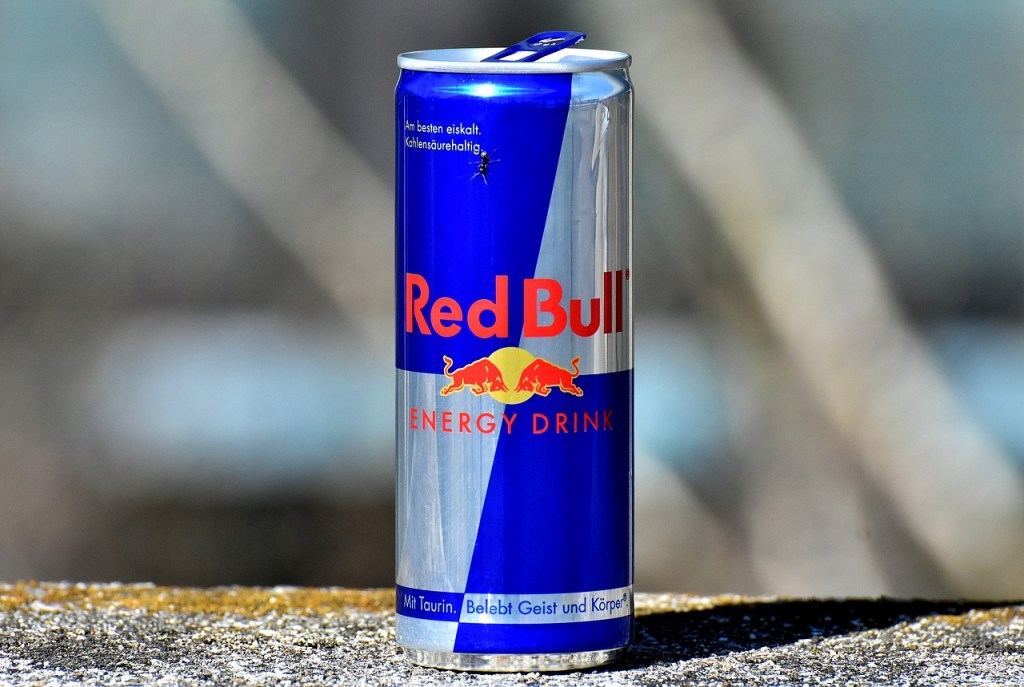
For me, the biggest pet peeve is the burping and bloating that comes with carbonated beverages. this definitely sucks, since I tend to start my mornings with an energy drink and those are carbonated to hell and back. I’ve cut down significantly on the amount of energy drinks I consume, but a recent incident while running cardio is what led to this post. I was on my way to the gym and was sipping on the remainder of an energy drink while on the way. That’s where I noticed the bloated feeling and belching that made the workout all the more difficult.

The best practice is to keep your eyes open and be sure to read through all the ingredients on anything you consume. That’s good advice, regardless of what the consumption may be, but don’t be fooled by a label that says “sugar-free.” You never know what may be hiding in those bubbles. ☯️

If You’re Sick Of My Posts, Too Bad!

No, I’m not mad at anyone. It’s just a play on words to illustrate the topic of today’s post. Today, I want to talk about how to deal with common illnesses when you have Type-1 Diabetes. First and foremost, no illness is ever common when you are Diabetic. Especially in light of the fact that our lovely immune system tends to catch each and every little bug that happens to float on by. Thank you very much, random person on the bus who sneezed in my direction… But for the sake of clarity, I’m referring to the common cold, the flu, maybe pneumonia and lovely conditions like chicken pox.

Being sick when you have Diabetes is a special kind of hell, because any illness you get is likely to aggravate your condition. Or your condition may be responsible for catching whatever it is you have, which is TOTALLY icing on the cake. As a child, I would get ill at the drop of a pin. Although back then, my blood sugars were very poorly controlled, I suffered through a number of comas and my immune system was about as flimsy as parchment paper stretched over too large an area. So it stands to reason that viruses would choose to set up shop in my body; my immune system made for a pretty poor bouncer.

I used past tens on that last sentence because honestly, over the past two decades, I’ve managed to gain some augury of control over the illnesses that decide to storm my beach front. It hasn’t been easy; there’s a lot of hands-on involvement that goes into something as simple as trying NOT to catch a cold. Having Type-1 Diabetes complicates everything, as I’m sure I don’t have to explain to any of my Dia-brothers or sisters. But here are the issues I’ve noticed that are aggravated by Diabetes, as it relates to illness:

  1. You Dehydrate WAY Easier… As a child, into my teens and even into my twenties, I would usually experience at least three or four instances a year, where I would need to be rushed to the hospital and hooked up to an IV drip to rehydrate. This was regardless of how much water I consumed and let’s remember that prior to my early 20’s, I hadn’t EVER consumed caffeine or alcohol. Anytime I caught an illness as simple as a common cold, it was almost a guarantee that I would be hospitalized due to dehydration. Lovely, right?
  2. Your Blood Sugars Decide To Screw You Over Completely… I can’t stress how this one is likely the biggest problem. On the one side, you may be nauseous and unable to eat, but have no choice but to attempt to do so, as Diabetics can’t go days without nutrition the way a normal person could, provided they have adequate fluids. The balance of carbohydrates and insulin need to be closely controlled, although there was no such control in the 80’s and 90’s before I took a firm control of myself. On the flip side, various medications and treatments for almost any ailment would usually make my blood sugars skyrocket, pushing me towards my lovely arch-nemesis Diabetic KetoAcidosis.
  3. You Can’t Heal Worth A Shit… I’m sure you’ve heard that Diabetics have difficulties healing wounds on their feet and extremities. This is usually because of poor blood circulation to those extremities. But the reality is that healing in general is complicated issue for Type-1 Diabetics, especially if their blood sugars aren’t well controlled for whatever given reason. I caught the chicken pox when I was in my 20’s. Yeah. Splendid. I have worse scars because the bastards wouldn’t heal. I have a lovely one, right at my hairline. A result of it tearing and the pus drying against my hair, followed by the scab getting torn off when I combed my hair.

Luckily, over the years I’ve become adept at consuming a non-stop flow of fluids, making point #1 moot. I also have a much better control over my blood sugars and thanks to my insulin pump (when I’m actually able to afford CGM), I keep my levels within range almost constantly, with some occasional exceptions. The key is knowing one’s body. Besides keeping fast-acting glucose at hand, one should also consider keeping plenty of fluid-based electrolytes on hand, in the event of dehydration. Recognize the signs of illness and be prepared for them. Test your blood sugar frequently to ensure you’re staying within levels.

Getting ill sucks, no matter who you are. But it can be all the more annoying (and dangerous) when it’s aggravated by a condition like Diabetes. Knowledge and preparation can help prepare you and save you some visits to the ER, especially in light of the current state of the world. ☯️

Caffeine, Not For Every Situation…

There’s no denying that caffeine plays an important role in the daily grind of many people. Most will start their day by reaching for a steaming cup of joe… and will usually follow up by consuming two or three more cups throughout their day. I, personally start my day with an energy drink. I enjoy the fact that energy drinks are cold and can be consumed easier than hot coffee, first thing in the morning. And the B Vitamins sure add some kick to my day.

But as with all things in life, there’s good and bad to every situation. And the consumption of caffeine is obviously included among that concept. Recently, I’ve noticed that getting through a cardio workout after consuming an energy drink or coffee is difficult. I’ll often feel sluggish, start sweating long before hitting my peak and will be exhausted, even when I’m only at my halfway point. Are they just bad days? Maybe if it was only one of these on very rare occasions, but I’ve come to notice that I’ll usually have an energy drink on the go prior to the sluggish workouts in question. Is there a correlation?

I decided to look into if it was possible that a beverage meant to stimulate me and make me feel more awake and alert could be causing me to feel sluggish and affect my workouts. I found a bunch of different information, although the bare bones information didn’t make for a definite answer. This is why I won’t be citing any sources, since I couldn’t find anything certain. But here are some things I know about caffeine that could have something to do with it.

  1. Caffeine Can Dehydrate You: It’s no secret that consuming large amounts of caffeine will cause dehydration. If you experience even mild dehydration, it can cause bodily pain, headaches, sluggishness and profuse sweating. Imagine all that WHILE trying to run, cycle or perform some level of cardio?
  2. Caffeine Is A Diuretic: Your workout will be cut pretty short if you have to take a piss every five minutes. Increased levels of caffeine will cause you to urinate frequently. And if it isn’t bad enough that blood sugar fluctuations will cause that to begin with, downing coffee or an energy drink before your workout may have the same effect.
  3. Coffee And Caffeinated Beverages Can Cause A Wide Variety Of Symptoms: Stomach pains, headaches and upset stomachs are only some of the symptoms you might experience while working out, if you’ve consumed significant caffeine beforehand.
  4. It Can Have An Effect On Your Heart Rate: Some people will feel an effect on their heart rate when they consume caffeine. This is one of the reasons why you’ll be told not to consume caffeine before a stress test or a fitness test. Imagine, for a moment that your heart rate can be measured on a scale of one to ten, where one is at rest and ten is where you die because your heart give out. Let’s assume that an average run gets you to a seven or an eight, depending on your age and overall health. This would be normal, right? Your heart rate will increase the more your exert yourself. But if consuming an energy drink or caffeine already gets you to a seven or an eight, then you add cardio on top of an already elevated heart rate, I’m sure you can do the math and see where the problem comes in.

As with all things, caffeine is best enjoyed in moderation. The key point for me, will be trying to resist the urge to gulp some caffeine before a run because I’m already feeling like shit. The lesson here is that all you have to do is get yourself going. Once you’re in the groove, you may find you perform just as well as you would with caffeine on board. Don’t get me wrong, I still love my caffeine. I may simply have to re-examine its use during my fitness routine. now if you’ll excuse me, it’s early and I need a coffee… ☯️

Sex & Cardio…

I’m definitely not one to shy away from tackling something that’s mildly on the taboo side. I’m not the most “risqué” writer, but I do like to occasionally take on subjects that would potentially be avoided by others. And although not the most NSFW topic you could potentially be reading today, I thought I would discuss the correlation between cardiovascular health and sex. It’s no secret that good cardiovascular health will help to avoid a bunch of heart-related medical issues, but did you know that sex will also help with this? Let’s see if we can discuss this topic like mature adults without having me crack any sarcastic jokes. Because that TOTALLY sounds like me. Moving on…

This is the part of the post where I throw out my usual disclaimer, explaining that I’m not a doctor or medical practitioner, have no formal training and base my writing on personal experience mixed with information gathered from reputable, peer-reviewed sites. Despite anything I may say or write in this post, you should DEFINITELY consult your medical practitioner or doctor before engaging in any new activity that could put a strain on your heart. And yes, that includes sex. Now that I’ve gotten that out of the way, let’s get on with it!

First of all, let’s consider the fact that there are a number of similarities between sex and cardiovascular exercise, or “cardio.” Sex is fun. If you haven’t had it, I highly recommend it. It’s an amazing coming together (hopefully) of two people, releases an amazing number and amount of endorphins and leaves you feeling relaxed and sleep easier when you’re done. It can also cause you to break a mean sweat, works every part of your body (when you do it right) and burns a wicked number of calories. Sex aside, does any of that sound familiar?

Cardio and exercise can also be fun. Some motivational tunes blaring in your ears, working up a great sweat and reaching a greater distance and/or speed than your previous workout will also leave you feeling relaxed and refreshed, tired but in a good way. Albeit without the “happy ending.” But I digress… The point is, there are similarities between what the body goes through during sex and what it goes through during cardio. Some might argue that in their younger years, one could easily cause the other and vice versa. Good for them.

Strictly from a personal standpoint as a Type-1 Diabetic male in his 40’s, there are a lot of issues behind the prospect of sex. Testosterone levels and blood circulation begin to decrease with age and Diabetes complications will aggravate both of those factors. This can make it difficult to keep everything up and coming *wink, wink*. But this is where the importance of good exercise comes in, whether you have Diabetes or not. And the importance of good, consistent sexual activity as well.

An article posted by John Hopkins says that, “Studies suggest that men who have sex at least twice a week and women who report having satisfying sex lives are less likely to have a heart attack.” The article goes on to say that, “Sex is a form of exercise and helps strengthen your heart, lower your blood pressure, reduce your stress and improve sleep.” That all sounds pretty f#$kin’ good to me… Almost just as important is the fact that consistent cardio will reproduce many if not all of these benefits, as well. Once again, without the happy ending. I just can’t let that go, can I?

So it stands to reason that sex can provide a plethora of health benefits, as also outlined by this list on WebMD. But when it comes to having Type-1 Diabetes and sex, sometimes a guy’s get-up-and-go has gotten-up-and-gone. It can be frustrating and potentially lead to complications in a relationship. This is where we reach a bit of a chicken and the egg scenario. And no, I’m not making a “who came first” joke… Jeeze, grow up guys! But good, consistent exercise will lower blood pressure, help control blood sugar levels, control cholesterol and increase your ability to reach and sustain a solid increase in heart rate safely, so that you can reach and sustain “other” things…

Ironically, if you already have heart issues, your libido may be taking a hit. Some doctors assess one’s cardiovascular health by asking some questions about their sexual libido, activities frequency. For people with Diabetics, arousal can be an issue due to poor circulation, which can be a problem for both men and women. Once again speaking for the male side of the equation, a noticeable lack in libido or sexual interest could point to a testosterone deficiency or something else that may be missing from the overall required recipe of one’s physiology.

The bottom line is that a strong sex life is healthy and will help sustain one’s health in much the same way as consistent cardiovascular exercise would. On the flip side, consistent and frequent cardio exercise may make it more likely that you’ll have the heart health and good blood circulation to park your Ferrari in it’s assigned stall… Ahem, cough, cough… I only have a few of those left in me, and the post is coming to an end, anyway. I apologize for my inability to grow up, but offer no apologies for my enjoying it. Once again, moving on…

For my Diabetic brothers and sisters, some advice I can offer through my many years of learning the hard way (there we go again, I didn’t even TRY that time and the pun came on its own. OMG, I just made a pun inside my pun…), is that communication is key. Even though a prospective partner may already know you have Diabetes, it doesn’t mean that he or she may necessarily understand what they’re in for and what COULD happen, if T1D decides to be a cock-block. Or a… What is the feminine version of “cock-block?” My point is, communication is important so that your prospective partner understands that it isn’t them, should your little soldier fail to “rise” to the occasion…

Further, like any exercise you may plan on doing, you should be prepared by ensuring you check your blood glucose and having some fast-acting carbohydrates and fluids available; a good idea during sex even if you AREN’T Diabetic. Exercise and staying hydrated will all be a help as well. So, what are you waiting for? Haven’t you been paying attention? Get out there and run a few miles so that you can have sex, damn it! I mean, work on your fitness for the sake of your heart health, of course. ☯️

A Little Monday Motivation…

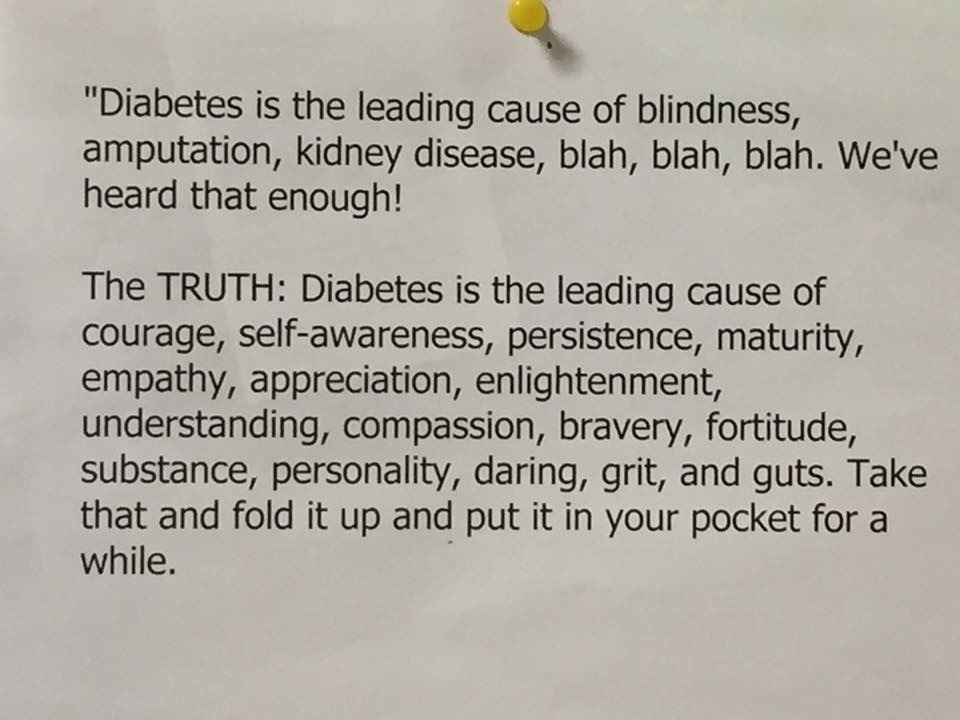
No one would argue that I can get pretty wordy and my posts can run fairly long. That’s why I often enjoy simply sharing an image, motivational quote or something simple in order to offset that wordiness. After 1,010 posts, I’m sure there’s enough content to fill a book, if I had a mind to. I found this little gem while going through my photo folders looking for something else. I forgot I had it and I may have posted it before, but that’s okay. Content can always be fresh, taking into account new followers and readers.

I like this image because it makes a very solid point. Most people are quick to talk about all the things Diabetes causes. And they’re not wrong. Type-1 Diabetes causes more complications and difficulties than I can count. But it also creates fighters. Committed warriors who will fight against Diabetes with their last breath. I should know; I’m one of them. ☯️

Swing Low, Sweet Blood Sugars…

If you were to Google “hypoglycemia,” you would no doubt find several reputable, peer-reviewed web pages that will give you a list of symptoms that one might experience during low blood sugar. While this is so, it’s important to remember that every person is different and you can experience symptoms that are unique to you. So long as you’re able to recognize those symptoms for what they are, it’s all good.

A good example of this is how in my teens and twenties, I would realize I was experiencing low blood sugar because my tongue and face would go numb. It was a bit disconcerting at first, but once I made the connection and realized that this numbness signified low blood sugar, I even started treating without testing. Not a recommended practice, BTW. But it can be important if you’re caught up somewhere and can’t whip out a glucose monitor to test.

Recently, I found myself coming off of CGM by virtue of my medical insurance having a cap on “Diabetes equipment.” Not prescribed medications, mind you; just the equipment. So, infusion sets, reservoirs and non-medicated equipment items that keep the pump running and maintain better “time-in-range” blood sugar readings have a yearly cap that will only cover me for about three months of the calendar year. Swell.

Considering this coming April marks my Dia-birthday of 39 years, I’m no stranger to a bit of hard work when it comes to controlling one’s blood sugar levels. But I have to admit that I had become quite comfortable at wearing a device that measured my sensor glucose every five minutes and made micro-adjustments to maintain better time in range. Since coming off the CGM sensor, my blood sugars have been a violent roller coaster of highs and lows.

Oh, I’m wearing a Freestyle Libre, but the difference is that the Libre doesn’t monitor my sensor glucose on its own; I have to scan it intermittently to get a reading AND the pump won’t micro-bolus to adjust the way SmartGuard did while using CGM. I think it’s fair to say that I’ve pretty much guaranteed that my A1C’s in February will be a bag of smashed ass, thanks to my insurance company refusing to cover my equipment. It’s a sad world we live in when a proven, working therapy that maintains one’s life and keeps them alive needs to be paid for out of pocket. But such is life. It doesn’t care about one’s plan.

The point is, I’ve lost my vigilance when it comes to monitoring my blood sugars. One good example was yesterday morning. I woke to my alarm, as I usually do. But I felt like absolutely hell. I was groggy and confused about what I needed to do next and I couldn’t quite understand why i felt this way. I checked my sensor glucose and found myself sitting at 2.3 mmol/L. There was my answer…. I had to treat my low before I could do anything else but I couldn’t remember the last time I awoke to such a low. The point is that I felt absolutely zero symptoms of this low. In the past, I would have been awoken by low blood sugars.

I’m living proof that should you have the means and are considering pump therapy with SmartGuard and CGM, it makes a world of difference. I used to complain about the frequent alarms and finger pokes required to calibrate and such but now I’m seeing the difference in the quality of life and balanced blood sugars it provides. Now, I just need to find a way to afford the CGM sensors so that I can get back to that. Luckily, January is just around the corner and my benefits will renew for the year, so I’ll be able to enjoy a better quality of life for at least a few months until I figure all this out. ☯️