The home of Buddhism, Martial Arts, Diabetes and health…
Author: Shawn
I am a practitioner of the martial arts and student of the Buddhist faith. I have been a Type 1 Diabetic since I was 4 years old and have been fighting the uphill battle it includes ever since. I enjoy fitness and health and looking for new ways to improve both, as well as examining the many questions of life. Although I have no formal medical training, I have amassed a wealth of knowledge regarding health, Diabetes, martial arts as well as Buddhism and philosophy. My goal is to share this information with the world, and perhaps provide some sarcastic humour along the way. Welcome!
Ambrose Bierce once said: “Speak when you are angry and you will make the best speech you will ever regret.”
Anger is like a virus. The stronger it becomes, the more it affects those around you. Think about it. Have you ever told someone to calm down? How often did those people ACTUALLY calm down? Telling someone they’re cranky or angry usually just makes them crankier or angrier.
Being angry can be detrimental on a person. Anger has shown to increase blood pressure and anxiety as well as cause headaches. It can increase your chance of a heart attacks and strokes.
Intense or long term anger will also cause a number of nasty symptoms, such as indigestion, insomnia and bodily aches. Pretty nasty for an emotion that is deemed normal, right? I can almost guarantee that you likely didn’t consider any of that, the last time you got mad.
Anger can be a useful emotion, if used in a positive manner. But more often than not, anger will lead to poor choices or violence and can damage long-standing relationships. In the long term, that is. If my relationships ended every time I got angry, I’d never be able to drive in heavy traffic!
My face, before my morning coffee (kidding!)
There are a number of ways to deal with anger. Obviously, learning meditation is an effective tool for learning to control oneself. Regular physical activity is also a great help. Whatever means you decide to use, remember that as I’ve said before, emotion is an energy. And you can’t destroy that energy, you can simply transform it. This is where it becomes important to transform it into something useful. ☯
I wrote a post a little over two weeks ago about a pan flute I had purchased from China. I was extremely excited at the prospect of learning this instrument, as it has a classic place in classic Asian music.
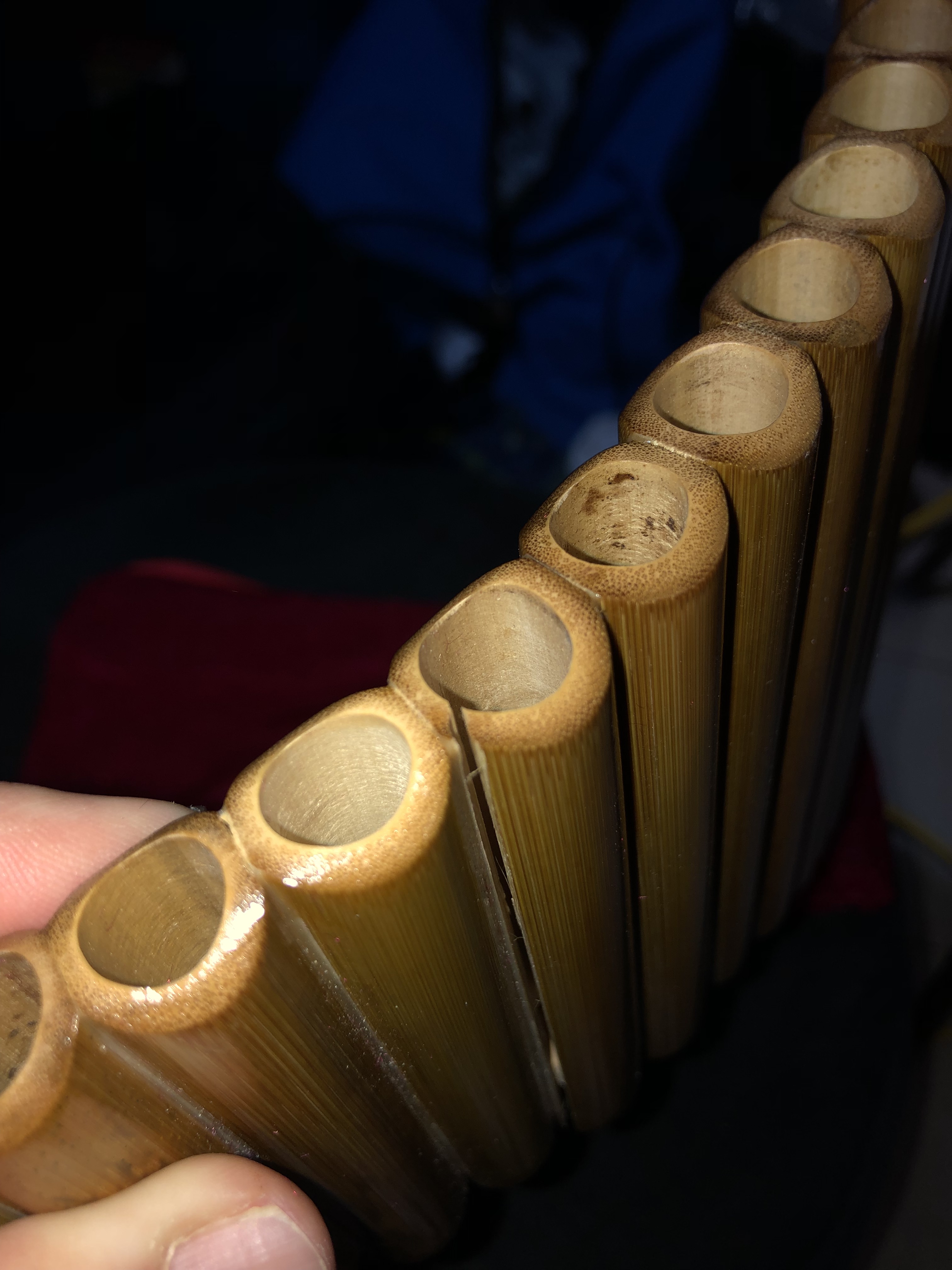
However, about a week after it had arrived, I took it out of the velour sack that accompanied it and examined the instrument. I blew the first notes on the flute and discovered that some of the notes were flat and wouldn’t play. Upon closer inspection, I discovered that the flute had a long crack down one of the tubes.
The crack runs all along the tube to the bottom
It was heart-breaking, since it basically renders the flute unplayable. Oh sure, I could probably find some tunes to play that don’t require the specific damaged notes, but limiting an instrument in this fashion does it very little justice!
Another view of the fractured tube
I’ve noticed that some of the other tubes are starting to develop some stress cracks as well. I’m not sure what I expected from a $14 purchase from China…
I’ve given the pan flute to my son Nathan, and he’s presently having a blast with it. It can give him some of his first exposure to music and instruments. Who knows? Maybe he’ll learn to play it!
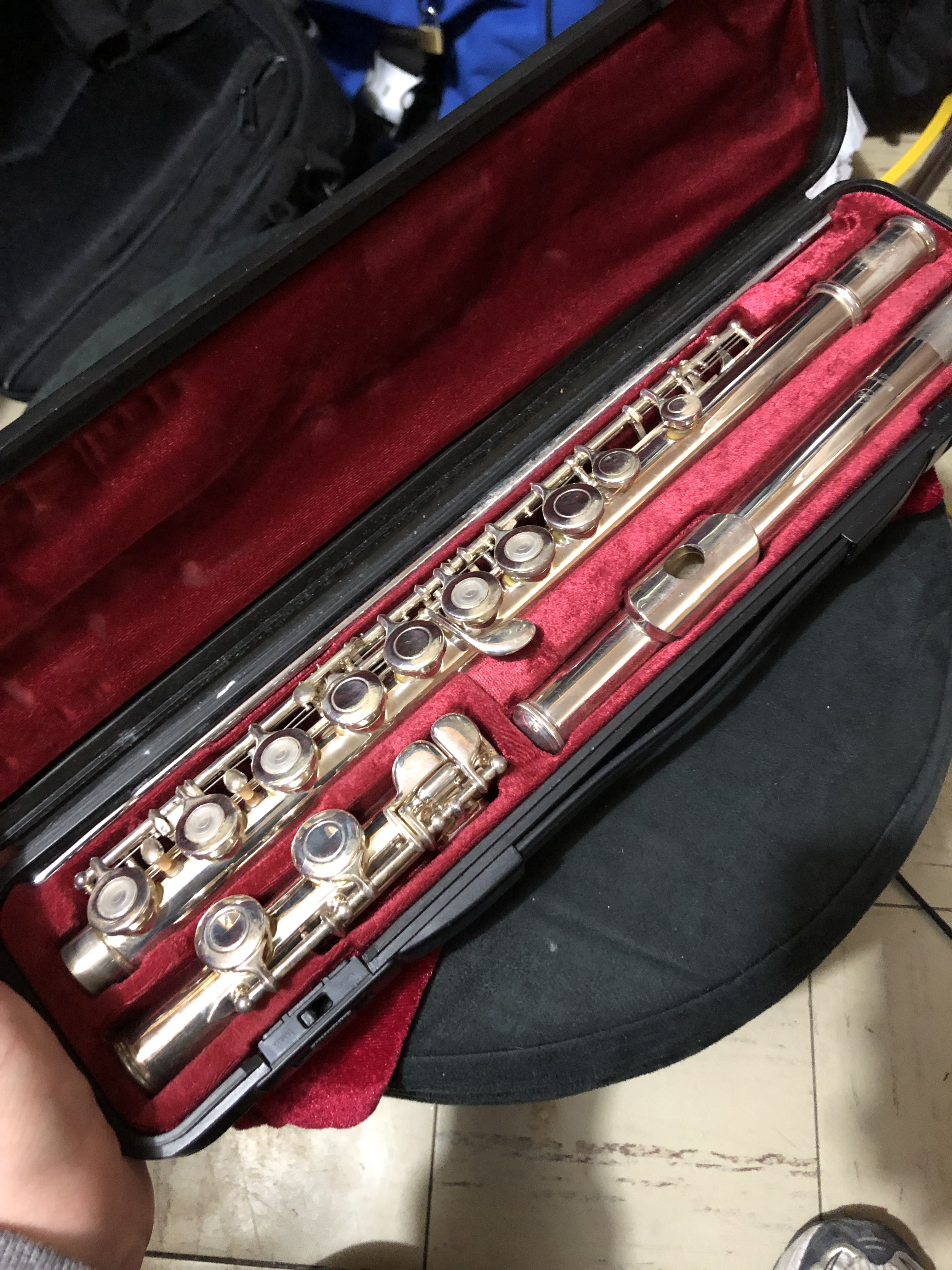
All dark clouds have a silver lining. My wife has provided me with an actual flute she had in her possession.
The new “Kaze”, which is Japanese for “wind”
I’ve purchased a beginner’s primer on learning the flute. In the months to come, I intend to start learning this instrument as a substitute for the pan flute.
Music is a wonderful form of expression and can be relaxing and beneficial for one’s health. I’ll keep you all posted on my progress! ☯
Sometimes we don’t allow ourselves to be aware of the influence our parents have on us. As soon as we’re old enough to reach our goals, we often attribute our successes on our own merit and efforts. This doesn’t mean that the groundwork for that success didn’t come from those who have had the most impact on our childhood.
My mother lives a life of limited means. She has a small, one bedroom apartment where she can be near my father who resides in a care home. They both reside in New Brunswick. My mother has been trying to reduce the amount of belongings in her apartment due to the lack of space. One of the items she has had for the past few years is a small wooden dining table coupled with a set of wooden chairs.
My grandmother had purchased this table set for several hundred dollars a few years ago. But since she herself has been relegated to a care home, she had turned it over to my mother. Mom has been keeping this table set in her bedroom, which has been a source of issue for her. She recently decided to try and sell the table set.
The apartment complex she lives in caters to retirees, and she was certain someone in the building could make use of the small table set. She drew a quick poster on a piece of plain paper and tacked it on the building’s bulletin board.
Not an hour had gone by, and my mother was visited at her apartment by a young man who was painting the unoccupied units for the building’s manager. He explained that he and his wife were recently married, starting out and looking for inexpensive furnishings for their home. He wanted to see the table set.
My mother showed him in and brought him to the table. He examined it carefully and felt that it could suit his household’s needs, but would need to confirm with his new bride and asked if he could take a photo, to which my mother obliged.
The young man asked how much my mother wanted for the table. After quick consideration, she indicated that she would like $100 for the table, since her own mother had purchased it at about four times that amount only a couple of years ago. The young man asked if my mother would be willing to accept $80. My mother mulled it over and stated that the young man should discuss with his wife and come back the following day should they decide to purchase and the price could be discussed then.
The following day, my mother brought her small car to the local dealership for some needed repairs. The car had been making a knocking sound for a couple of weeks, and one of my uncles advised her of the cause and the need for the repair. Having nowhere to go, my mother waited patiently for a couple of hours until the repairs were done.
When she approached the service desk to retrieve her keys, she was dismayed to hear that the bill amounted to nearly $200! once again, my mother is living on limited means and did not have the funds available for such a bill.
She was considering her options when one of the kinder employees looked into it and found an extended warranty that my mother had purchased along with the vehicle; one that was still in effect. With this added warranty, my mother owed nothing for the repair of the vehicle. The employee was satisfied to tear the invoice to pieces in front of my mother.
My mother was overwhelmed and SO thankful for the discovery. For those who know my mother, her eyes well up at the drop of a hat. And this occasion was no exception. She retrieved her vehicle and headed home.
Wondering about the young man and the dining table? Well, my mother was feeling deeply grateful at being spared the hardship of a bill she couldn’t afford. She couldn’t help but feel that she needed to repay this good fortune in some way.
She walked into the apartment building and went straight to the unit where the young man was painting along with others. She asked if he had discussed the table with his wife, to which the young man stated he had. The young man explained that they had very little money and only had about a spare $50 so they wouldn’t be able to buy the table.
My mother then asked the young man if he would be willing to buy it for $20, if he took it today after his work day ended. The young man was overwhelmed and accepted immediately. He was so excited, he asked the other painters if he could leave the work site for ten minutes to load the table into his truck right away.
As my mother was telling me the story of how all of this came about, I could hear the joy and pride in her voice. not only did she get some reprieve from financial hardship, she was able to do something great for a young couple starting out. And she felt that she had positively “paid it forward”.
That’s when my mother spoke the words that have been one of the main mantras of my life for decades: “Everything happens for a reason!”
Are you kidding me? I’ve been using that very saying for almost as long as I’ve been studying Buddhism, and here my mother was probably the one who planted the thought in me, years ago.
It’s important to remember that kindness begets kindness. Positivity brings about the optimistic and positive energy of the world and creates the environment we all want to be in. Be good to others, even if for no other reason than the act of being good. I can promise you that in the long run you’ll be happier. And who knows? With all that positive karma, perhaps someone will pay it forward to you! ☯
For those who study it, meditation is an integral part of everyday life. It can have a number of measurable benefits and help people with daily living as well as facing issues that arise in their day to day life.
Meditation, like most things, comes in a variety of types, methods, etc… But one of the most overlooked methods of meditation is music. Yes, you read that right: music!
Music has the ability to provoke a meditative state in most people, even those who have never studied meditation. Whether you listen to it, play it or sing, the end result is the same. Think about it; you listen to a peppy, upbeat song and it makes you happy or cheers you up, right? You listen to a soft ballad and it evokes memories or emotional attachment.
Music on its own can help to reduce blood pressure and has been shown to increase the release of dopamine and aid with muscle function. Listening to music during physical activity can help to motivate you and push your body farther during a workout.
I often use classical or asian meditation music in the background when practicing actual meditation. Any time I have a workout, whether cycling or weights at home, I put on some high energy music to help motivate me along.
So, crank up the tunes. The benefits are many and the drawbacks are few. ☯
It’s story time! In October of 2001, I had the privilege of travelling to Japan and stayed there for about a month. This coincided with my training for Shodan (black belt) and my Buddhist studies, and I had the opportunity to visit and stay with two Buddhist monasteries as well as dine and spend time with a number of Japanese and Okinawan dignitaries.
I was 23-years old when I travelled to Japan. It was the most exciting time of my life, since I had spent the majority of my life in Northern New Brunswick, sheltered from the majority of the outside world. I was about to get a crash course in world etiquette, and looking back on it I don’t believe I was as prepared as I could have been.
Obviously, the first and most important thing I learned right from the moment of my arrival, was that bowing was preferred over handshakes. Although many Japanese people have adopted handshakes due to the Westernization of their populace, the custom of bowing is still very much a staple of Japanese culture.
Chopsticks are still the most commonly used utensil, and tipping is frowned upon as the Japanese don’t believe in being given money they haven’t worked to earn (a custom I wish the Western world would adopt).
Despite all these customs (and there are many more), the biggest one is insulting your host by refusing refreshment. Believe it or not, I had never enjoyed a beer or any alcoholic beverage prior to 2001.
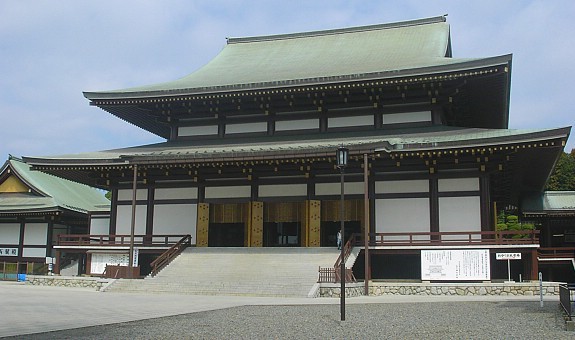
We visited a Japanese dignitary in Narita, Japan, when we first arrived from Canada. Sensei had told me that I might be offered a beer or some sake (Japanese rice wine), and that I shouldn’t refuse as it would be viewed as an insult.
Buddhist temple in Narita, Japan
When we all sat around a table within the dignitary’s household, his wife brought me a bottle of beer. Having never consumed it before, I gave the drink a couple of experimental sniffs before taking a sip. I was pleasantly surprised to see that it was carbonated just like a soda would have been.
I drank the beer the same way as I would have consumed a soda. Before my empty bottle had touched the table, the wife brought me a second. I glanced at Sensei, whose eyebrows told me that refusing the second would be as grave an insult as refusing the first.
Sensei could have told me before our arrival that I could have sipped that first beer for hours and it would have been fine, but having emptied my bottle meant that my host needed to provide me with more. It ended up being a lesson in etiquette that would be learned through experience.
I was pretty intoxicated by the time we left the dignitary’s home. It would go on to be one of the most memorable experiences of my life. Not because I got drunk. Because I learned that it is most important to learn the customs of the people you’re visiting before going.
To this day, I can’t raise a glass to my lips without thinking of Okinawa. I have find memories and dream of a time that I can go back. I would encourage anyone who travel to foreign lands to take the time to study their culture and etiquette. Not only will it make for a more pleasant experience, but it could provide some insight into why certain things are done the way they are. ☯
Alright, so obviously I write about Diabetes a fair bit as I have been a Type 1 Diabetic since 1982. But here’s the reality: as of 2017, 1 out of every 16 Canadians have been diagnosed with some form of Diabetes (Type 1 or Type 2), which comes out at about 6% of the Canadian population. This is an increase from 1 out of every 32 Canadians back in 1982 when I was diagnosed.
The pancreas, responsible for the human body’s production of natural insulin.
But how much do we actually know about this organ? It sits just below the liver and behind the stomach. It’s usually about 6 inches long, depending on the person and it has many functions outside of insulin production. When you hear a Type 1 Diabetic state that their Pancreas is dead or doesn’t function, they couldn’t be more wrong.
The pancreas helps to aid in the digestion process by excreting certain enzymes. Besides producing insulin (if the gland is healthy), it plays an important role in overall digestion and helps with the break down of cholesterol.
When blood sugars drop dramatically, the pancreas releases a hormone called glucagon, which helps the liver break down glycogen into glucose to help elevate blood sugar. The only time this is trumped is when a Diabetic consumes heavy quantities of alcohol, which occupies the liver as such that it cannot break down the aforementioned glycogen. This is why Type 1 Diabetics have a sudden drop in blood glucose.
The actual issue that causes Type 1 Diabetes includes the body’s own immune system attacking the beta cells in the pancreas so that it can no longer produce insulin. So it isn’t so much that the gland isn’t functioning properly, it’s that one’s own body destroy’s the pancreas’ ability to maintain a proper insulin level.
Although the pancreas’ two primary functions include an exocrine function to help with digestion and an endocrine function that helps to take care of blood glucose levels (which is what leads to Diabetes), there are a number of functions that the pancreas performs that are normally behind the scenes.
So don’t despair, dear Diabetics! Your slim, 6-inch gland does have SOME use (pun fully intended). I’d like to thank my friend and colleague, Daryl, for providing the inspiration for this post. He provided the idea for me to write about the pancreas and it’s many functions outside of insulin production. Many thanks, Daryl! ☯
The human body is an amazing machine. At any given time, there are dozens of functions and processes taking place that are not visible or obvious. Some involuntary or automatic.
For example, your body has an involuntary system that keeps you from wetting your underoos anytime you have more than a few sips of your morning coffee. Once your bladder is full, the involuntary system releases and that’s where your voluntary system takes over and you need to hold yourself in order to prevent living your worst high school nightmare and creating a puddle in public!
That’s only one example, but just imagine everything that happens inside of you that you’re not aware of. One of the most important involuntary functions your body performs is breathing.
Think about it! You breathe constantly, all day and all night. You don’t think about it at all. Ever since your doctor smacked your butt and started you crying, you’ve been drawing breath.
We breathe because we require oxygen to enter our blood cells and help break down glucose and sugar, which we then expel as carbon dioxide. When we exercise, our respiration rate increases because we use our muscles and require more oxygen in the blood. Our heart rate increases along with our respiration to help pump the oxygen rich blood through our system.
Breathing can be both voluntary and involuntary. When doing the martial arts, we’ve been taught to do specialized breathing that helps control the flow of oxygen when executing a technique or doing forms. We control our breathing.
For folks in law enforcement and emergency response, tactical breathing helps to calm a person and lower their heart rate, making it easier to maintain control of a situation and properly assess things. When you panic, your breathing shallows and increases your heart rate. This is because shallow and rapid breathing reduces the amount of carbon dioxide and your body is trying to enrich your blood with as much oxygen as possible.
Why is this important? Well, from a Diabetes standpoint, we start to breathe rapidly when we experience hypoglycemia (low blood sugar). This is because the lowered amount of glucose in our blood makes it difficult to produce enough cell energy, and your body thinks it needs more oxygen.
From a martial arts or fitness standpoint, controlling your breathing will allow you to keep a cool head and control the situation you may be facing. It will also help improve your level of training. By properly exhaling during strikes or techniques, you help to properly expel carbon dioxide and this will help to prevent muscle fatigue during actual combat.
Pretty cool, right? All that is happening, just based on how you breathe. With all the things left to discover in the world, it can often be humbling to realize there will always be so much about our own bodies we don’t know.
So, keep on breathing… Actually, you don’t have a choice! But proper breathing exercises and meditation can go a long way towards helping with everything I’ve mentioned above. ☯
Most people who know me are aware that I’m a firm advocate of energy drinks. Over the past fifteen years, there has been a lot of press relating to the pros and cons of energy drinks and their effects on the body.
Most energy drinks found at your local corner convenience store offer a variety of benefits. Multiple B-vitamins, which can help your cardiovascular, nervous and digestive systems, mild relief from arthritis symptoms and muscle cramps. Obviously, caffeine and taurine, which can provide benefits in multiple different areas of the body.
But what about the cons? Excessive caffeine use has been linked to headaches, insomnia, nervousness and jitters, to name a few… An article posted by the Mayo Clinic indicates that the average adult can safely consume approximately 400 milligrams of caffeine in a day. That is the equivalent of about four medium coffees or about three 473 mL cans of energy drink.
I’m not certain what the effect would be in drinking 400 milligrams of caffeine in one sitting, but I can’t imagine it would be good. And although this amount is reasonably safe for adults, children and even teenagers should avoid caffeine consumption.
One of the worst side effects of energy drinks is that it can become addictive. Believe me. Up until recently, I would start my morning with a full can of energy drink. By mid-afternoon I would need a second can, otherwise the headaches and exhaustion would set in. I tapered off and worked my way off of energy drinks. You may recall that in a previous post, I indicated that I was starting a green tea regime to replace this addiction. Its been going well by the way, thanks for asking!
Another thing to consider is that unless you’re purchasing a sugar-free energy drink, you’re consuming an OBSCENE amount of sugar and/or carbohydrates with every can. About 27 grams of sugar per can, to be exact! This is simply the average, but it’s still comparable to a can of Coke.
Excessive caffeine is also a diuretic, and will cause dehydration during exercise. This is why energy drinks are not ideal as a workout drink. A thorough workout will dehydrate you enough without adding an external diuretic into the mix!
Are energy drinks bad? I don’t think so. But I also believe they have their place in the grand scheme of things. Remember that moderation is key and if you get to the point that you need them to get your day going, it may be time to taper off. ☯
Martial arts is a special creature. I may or may not have written that, a time or two in previous posts. But it is. It’s one of the only things in the western world that combines, sport, fitness, art and mysticism bordering on the religious. It combines aspects of discipline and repetition to encourage a student’s self-confidence and growth.
However, it doesn’t. It really doesn’t. Encourage it, that is. From my experience, only about one in every 8 to 10 students will put in the raw effort and will to gain the experience and growth required to excel in the martial arts. All the fun stuff I described in the previous paragraph needs to be sought out and worked for. It doesn’t happen simply by walking into a dojo and following along.
I’ve seen too many students who attend class after class. I mean, their attendance is almost flawless (minus the ones who are “forced” there by parents, of course) but the effort they put into the classes is almost laughable.
Now, before anyone gets too high and mighty with me, I understand that every student is different; their needs are different and their wants are different. And I’ve met students who have joined the martial arts for many different reasons. Some people join to get in shape, some to learn to defend themselves… Some actually join simply for the social aspect of meeting others and being a part of something. No matter the reason, it IS important to you.
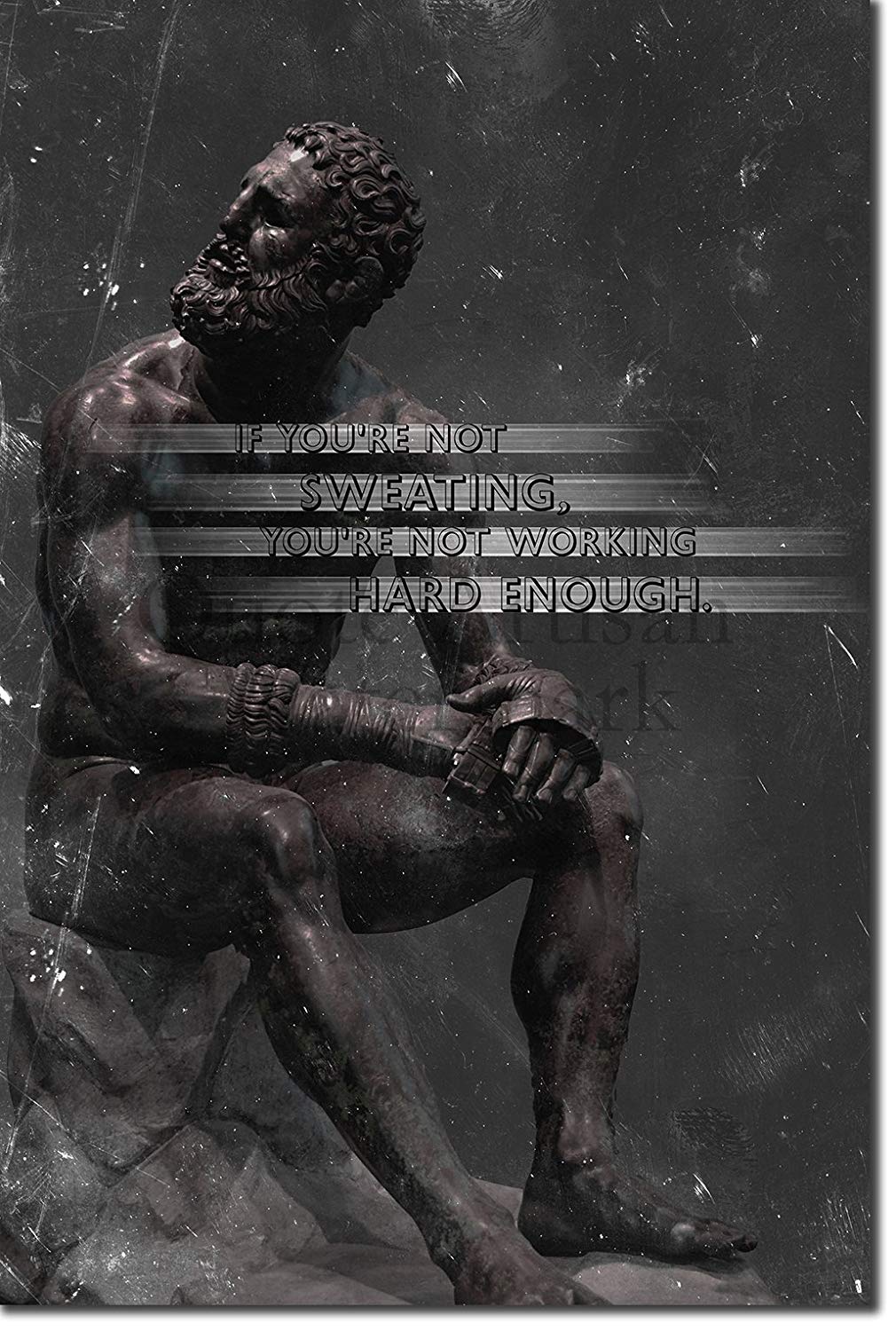
Sweat is the fuel in the forge of progress!
I frequently train at the rear of the class. I’ve long been a believer that a teacher can learn more by watching the students than standing at the front. And these days, I see so many students who phone it in while standing in class. Sometimes it’s easy to put in a minimum effort while the head instructor is busy monitoring so many students. But why be there if not to get the maximum return on your physical and spiritual investment?
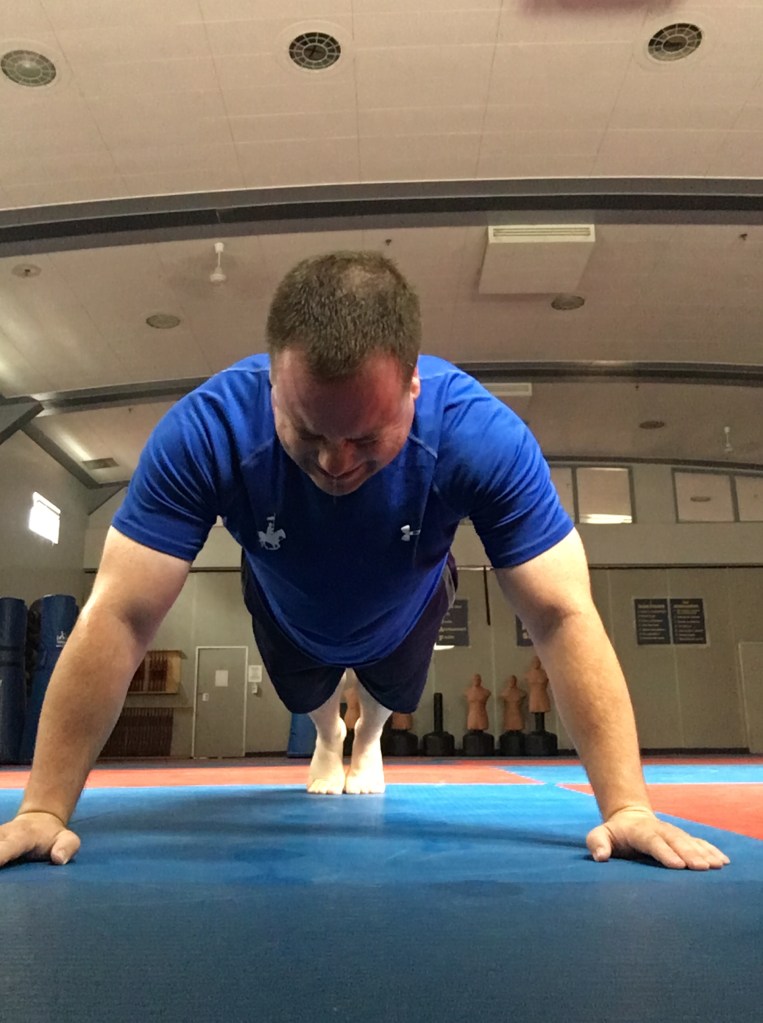
Train from your soul! Give it everything you’ve got. When you train, take a look at the other students around you. Within twenty minutes, there should be a puddle of sweat at your feet. If there isn’t, then you aren’t putting your entire being into your training.
You can be in it for your own reasons. Just make sure that while they’re your reasons, they’re still the right ones! ☯
Type 1 Diabetes is a constant battle. It involves frequent blood glucose testing, insulin injections and/or oral medications as well as tightly controlled diets and exercise regimes. At least, it does if you want to maintain some modicum of control or perhaps maintain your overall health.
Only some of the tools used in the daily life of a Type 1 Diabetic
Type 1 Diabetes tends to shorten your lifespan. In 2012, the University of Pittsburgh published an article containing the results of a 30 year study that revealed that Diabetes can shorten the average lifespan by over 20 years! Through my own studies, I’ve always heard 10 to 15 years was the more accurate prediction. But once again, this all depends on the person’s overall health and willingness to maintain some control.
The takeaway from this study is simply that one’s life is shortened by Type 1 Diabetes. This can be for a number of reason, including but not limited to Diabetic complications, lack of health or poor control.
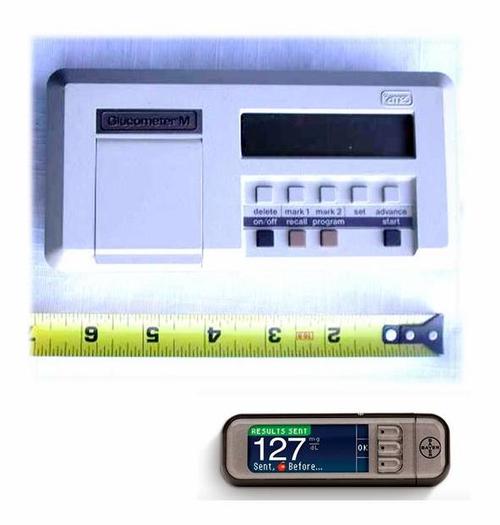
Technology has come a truly long way in making my life easier. When I was first diagnosed in 1982, my blood testing machine was roughly the size of a brick and it took a five-minute process to test. I had multiple injections that were required every day, starting first thing in the morning. Nowadays, I wear an insulin pump that takes away most of the guess work and deals with proper insulin distribution. I now take one needle every three days as opposed to a minimum of three EVERY day.
A comparison of my first glucometer from 1982 to the one I currently use today!
But before I start rambling, the purpose of today’s blog is to discuss what to do when you come across someone who appears to be having a hypoglycaemic or hyperglycaemic episode (low and high blood sugar, respectively).
Bearing in mind that I’m not a doctor, I’m passing on advice based on what I’ve come to learn over 36 years of being a Type 1 Diabetic. So take this advice with grain of salt as I am a big fan of making it clear that every person is different.
Most people will tell you that their medical status is private and doesn’t need to be shared with anyone. Although this is true as far as a person’s basic rights go, it’s also incredibly irresponsible. When it comes to one’s health and well-being, I’ve always had a policy that the sharing of pertinent information can be important and could potentially save your life.
One of the first steps I always take whenever I get a new supervisor, boss or employer is advise them that I am a Type 1 Diabetic. This is important, as it can go a long way towards letting your employers know the hows and whys when issues arise. It doesn’t mean you need to shout it out to everyone you work with, necessarily. But it can help prevent issues down the road.
I also take this step with any sporting or fitness clubs I join. This is almost more important, since excessive exercising can lead to blood sugar extremes. When I last joined a weight gym and had a membership, I had the owner put a note on my electronic membership file indicating I was Diabetic. That way, if something ever happened while I was training, the staff would be in a position to tell medical personnel about it.
Outside of taking these preliminary steps, here is what I tell everybody in relation to helping me treat any outstanding issues: either I’m conscious or I’m not! If I’m conscious I’ll be able to take steps, such as testing my blood and taking the appropriate steps including eating some fast-acting glucose. If the person is unconscious, please, PLEASE, don’t try to feed them or administer insulin! You could aggravate the situation or send them spiralling in the opposite direction. Either the person will be able to administer what he or she needs on their own, or you should be calling 911 for medical assistance.
Jellybeans or Skittles are my preferred choice for treating lows, as they’re essentially fat-free and are about 1 gram of carbs per bean!
Through the years, I’ve heard some medical professionals say that if you find an unconscious Diabetic, try and feed them some juice or something of the sort. That way, if they’re too low it will bring them up and potentially save their lives. If they’re too high, medical professionals can deal with that once they arrive. The problem I have with that is simply that if the person is already too high, you risk throwing them into a Diabetic coma, the outcome of which is not pleasant. Plus, you’re dealing with the potential issue of trying to feed something to someone unconscious. And what if the person’s current situation is not related to Diabetes? You could be adding one more layer on top of the issue.
At the end of the day, it all comes down to communication. Be willing to communicate and speak with the important people in your life and let them know what YOU need. Only you will truly know what is required to treat your current blood sugar levels and help you get better. ☯











 The Blogging Buddhist