Post Traumatic Stress Disorder

I feel that before I start writing about today’s topic, I should throw up a quick reminder that I am not a doctor. I have no formal training in any medical field, and everything I write about has been researched and has a source, or is something I have directly experienced or have trained in personally. So if anything I’ve written feels incorrect, please feel free to reach out on the “Contact Me” link on my Home page and feel free to voice your concerns. I’m definitely not above, nor do I object, to being corrected.

I think the title speaks for itself, and this is the topic of today’s post. This topic hits close to home for me. Much like Diabetes, this condition has affected many people I know and care about and I have in fact been affected by PTSD, myself. There has been a significant increase in attention on PTSD in the past two decades, and it has started to be recognized as a genuine mental health condition and not simply a passing thought process that the sufferer has the option of ignoring. Previously known as “shell shock” during the World Wars, it was originally associated mostly to combat veterans who had seen active military service, especially during times of war, and were exposed to the traumatic aspects of said war. This is no longer the case, and research has come to show that PTSD can affect anyone, based on their specific circumstances.

I’ll start with my usual, which is to define PTSD or Post-traumatic Stress Disorder so that we can all be on the same page about what’s being discussed. According to the American Psychiatric Association, PTSD is defined as “a psychiatric disorder that may occur in people who have experienced or witnessed a traumatic event such as a natural disaster, a serious accident, a terrorist act, war/combat, rape or who have been threatened with death, sexual violence or serious injury.”

Although accurate, this definition is certainly a broad and generalized one. And whether or not something is traumatic is usually subjective to the sufferer. But the symptoms are generally pretty universal, which can include flashbacks, nightmares, insomnia, anger and irritability, hyper vigilance and aversion to social gatherings or constant noise. According to an article posted by the Mayo Clinic, it may even be possible to develop PTSD without having personally suffered the trauma. For some people, just learning about the event can be enough to cause the damage. Like I said before, it can be pretty subjective to the sufferer.

At the outset, it can also be a condition that the sufferer isn’t even aware that he/she has. I can recall the story of a law enforcement colleague from years ago, who had been initiating a traffic stop along a busy highway. He walked towards the stopped vehicle and he saw something small sitting on the edge of the roadway. When he stopped and looked at the object, he identified it as a small child’s sneaker. He immediately threw up and went into convulsions, got vivid flashbacks of an investigation he had been working on that involved a small child who had been killed. Although he had coped well to that point, the sight of the child’s sneaker brought all the traumatic memories to the surface and he basically shut down, right on the edge of the highway.

Although it isn’t always to that extreme, I’ve heard a lot of stories like this one. And have had plenty of colleagues who have suffered in silence. The ultimate symptom of PTSD and the one that often takes hold before friends and family become aware that there’s a problem, is suicide. Because of the stigma associated with PTSD in previous decades, many people choose to stay silent about their condition and try to self-medicate or isolate from others. When that fails, many often feel the only remaining option is to end their own lives.

For myself, nightmares and insomnia have certainly been the prevalent symptoms. But hyper vigilance, irritability and anger are high on the list as well. I have difficulty being in large crowds and will often find myself with increased sense of anxiety and shaking when I’m surrounded by people, especially if it’s a room full of conversation and noise. I’m quick to anger when consistent loud noise is happening in my immediate environment, which makes my days difficult considering I have an infant in the house.

There is a lot a person can do to lessen and help treat symptoms of PTSD. I find meditation helps, although having the time and opportunity to do so has been far less in recent years. A rigorous fitness regime and plenty of fresh air. From a medical standpoint, there are many therapies and medications that can help manage and lessen, if not eliminate PTSD. I’m not a big fan of the medications route myself, but I’ve known folks that have benefited from it.

I think the big thing is to talk about it. There’s no shame and no embarrassment to having PTSD. It’s part of who you are and certainly isn’t your fault. And talking about it to family and loved ones can be a powerful means of treating PTSD, in and of itself. And if your family at least understands what’s happening, it can go a long way towards preserving those relationships in the face of the difficulties you’re facing. And if you or someone you know may be thinking of harming themselves, the Suicide Prevention Hotline is always available at 1-833-456-4566. That’s a Canadian line, of course. If you’re one of my readers from out-of-country, you’ll have to search for whatever equivalent number you may have in your country.

We’ve come a long way from the time when friends, family or employers would say, “you’re just making excuses” or “you’re just being lazy.” But there’s still a long road to travel. There’s plenty of research and articles on the diagnosis, treatment and assumed causes of PTSD. So feel free to have a read and educate yourself. And be certain that if someone you know says they have PTSD, don’t take it as a passing thing; they’re likely dealing with it as best they can. ☯


Keeping Your Cool…

Every once in a while, I find something funny or interesting online when I’m researching other posts. I like to throw these up in a post when I find them so that others can enjoy them and get a chuckle out of it. Plus it allows me to provide a short post where I don’t go on for several thousand words. Of course, despite saying I’m trying to keep it short, here I am jabbering on…

Although I get a kick out of this, it also serves to provide an important lesson. It’s important to keep your cool in daily life. After all, things would get pretty bad if one lost their proverbial shit for every little thing. But by the same token, everyone needs to cut loose and find an outlet every now and again. Fresh air, exercise and rigorous fitness routines can help to provide an outlet so that you don’t cause a shit storm of your own. ☯

Bad Habits Make For Bad Results

As human beings, we’re creatures of habit. And to be honest, most of those habits are terrible for us. Smoking, drinking, gambling, addiction to electronics or social media… It’s all horrible and it all has terrible short and long-term effects on a person’s health. I can promise you without any doubt, that any of the people whose life was brought to a sooner end as a result of any of these bad habits wish they had never gotten into them in the first place.

Don’t get me wrong; in the past twenty years, I’ve effectively indulged in everything I’ve listed above at one time or another. Even now, I admit to being guilty if enjoying the occasional cigar or having a bottle of wine while watching Lord of the Rings and contemplating life. I don’t really do the whole gambling thing, unless you count my weekly lottery ticket (don’t get me started on THAT one). And since I’m currently writing this blog on a laptop, the use of electronics speaks for itself.

My grandfather lived to be 96 years old, after surviving active service in World War II and enjoying his drink just a little bit more than the average person. Actually, if I’d fought on active front lines during World War II, I’d likely enjoy my drink a LOT more than I do. But I digress… My point is, some people have the ability to manage their vices without it being detrimental to their lives. And as I’ve often said, all things in moderation. But here’s the part that sucks: all of it is worse for someone with Type-1 Diabetes.

Although I can totally admit that gambling is more of a detriment on one’s life in general, it’s mostly the consumption of alcohol and smoking that has some measurable effects on the system of anyone living with Diabetes. And yes, this applies to both Type-1 and Type-2, as well as any of the unpleasant in between versions of Diabetes that I’ve written about before.

As far as alcohol is concerned, a Diabetic first needs to be knowledgeable on the amount of carbohydrates contained in their drink of choice. The average can of beer usually contains about 11 grams of carbs. That likely doesn’t seem like a lot, but if you sit to an evening with your pals during your favourite UFC pay-per-view and down a six pack on your own, you’re looking at 66 grams of carbs you need to bolus for! And that’s without taking into consideration the fact that by your sixth beer, you’re likely starting to forget you should bolus.

Wines and spirits are just a little bit better, with wine coming in at about 4 grams of carbs per glass and most pure spirits having no carbohydrates at all. One of the secondary concerns is that we tend to snack on some rather nasty snack foods when we drink, which can also lead to bad blood sugar control. Don’t get me started on the fact that increased alcohol consumption can lead to higher blood pressure, sleep and weight issues, all of which can adversely affect Diabetes.

Next, let’s look at smoking. Because I enjoy bumming everyone out. It’s no secret that smoking will lead to a host of health complications, not least of which includes high blood pressure and cancer. But according to an article posted by the Junior Diabetes Research Foundation, an important study was conducted from 1983 to 1993, which was named the Diabetes Control and Complications Trial. It found that increased levels of smoking led to higher HbA1C results, increased chances of retinopathy and kidney issues. The only good news is that the Diabetes-realted complications disappear almost immediately, if you quit smoking.

The bottom line is that poorly-controlled Diabetes will cause increased blood pressure on its own. Why make it worse by introducing something that will aggravate that condition? This doesn’t mean you can’t enjoy a beer with your friends. It simply means to consider moderation, monitor your blog glucose levels closely and don’t allow yourself to get into a situation where you start neglecting your insulin and/or blood sugar levels. ☯

The New Way Of The World…

I had to go downtown and stand in line last Wednesday for something work-related that I needed. Due to social distancing requirements and the location’s own internal policies for dealing with the public, a facemask was obviously required and I was asked to wait outside the building until one of the people seeking the same service as I was, exited the building. Luckily, I was the first one at the door but I had no idea how many people may have been inside or how long it would take them to come out.

I had dressed reasonably well, wearing a cotton shirt covered by a thick, cotton hooded sweatshirt. Although I won’t be a little whiner and complain that I was freezing to death, I’ll admit that it was only 7 degrees outside with cold winds. This made the wait all the more painful. People accumulated in line behind me, and the general public’s penchant for complaining shone through like a bright beacon in the storm. People were arguing and complaining to the two poor security guards who were monitoring the building’s entrance. One lady, who was there for the same purpose as I was, had brought someone else with her and got visibly angry when she was informed that she wouldn’t be allowed to bring her friend inside with her. They had arrived together in a cab. She was pissed.

Apparently, not everyone took the same precaution as I did by checking the location’s website in order to confirm their requirements prior to coming down. But as the weeks go by, I’m noticing this kind of trend more and more, with people fast becoming frustrated with the restrictive requirements brought on by COVID-19 and the limits imposed by businesses and government locations. The wearing of masks, limits on the number of people within buildings and the need to socially distance is starting to grate on everyone’s patience as the world waits on baited breath for everything to go back to “normal.”

Here’s the problem: This IS the new normal. Leading experts, as well as health authorities and the World Health Organization all agree; there will be a resurgence of COVID-19 in the near future, and likely with a vengeance. I could try and cite some sources, but there’s enough out there that a quick Google search will show you what I’m talking about. At the time of writing this post, the Government of Canada’s website reports an estimated 158,758 active cases of COVID-19, with Ontario and Quebec carrying the brunt of that number (Canada.ca). If you click the provided link, I’m sure that number will have changed, likely increased.

One of the bigger problems is the fact that there seems to be a growing number of the population who simply don’t take the pandemic seriously. I’ve seen this first-hand and even have members of my family who think this is the case. Just a few weeks ago, I saw someone standing by Wascana Lake, here in Regina, holding a sign that stated that Corona Virus was a lie told by the government. Right. Because there isn’t enough on the government’s plate without creating a pandemic that’s currently damaging our Nation’s economy.

But plenty of people are ignoring the easy, common sense precautions that have been put into place. Things like social distancing, wearing a face mask when out in public, and avoiding outings unless for work or mandatory requirements like groceries or medical appointments. A good portion of the population seems to have gone back to the “old” normal, including having large gatherings and carrying on as though there ISN’T a pandemic happening. Idiots.

If there’s one thing history has taught us, it’s that viruses can evolve. We’re not done with COVID-19 and if people continue to ignore the easy steps, the results that follow will be much, MUCH worse. So, why take chances? Wash your hands frequently (which you should have been doing all along, anyway), before and after any outings. use hand sanitizer and wear a face mask. Stay socially distanced and don’t wander needlessly for anything you don’t absolutely need. That seems like a pretty reasonable way to avoid a serious respiratory virus that could kill you. ☯

It’s Hard To Sit, With A Microchip In Your Hip…

Imagine for a moment that your country’s government passed a legislation that would make it mandatory for each of its citizens to have a microchip implanted for the purposes of tracking your whereabouts and activities. Further, any newborn children would have them implanted at birth, bypassing the very freedom of choice that so many of us consider paramount to our existence. How would you react to this? Would you object to it, or would you shrug your shoulders and freely take it?

I’m no conspiracy theorist. Not by a long shot. But I’ve often read about a lot of conspiracies, since I’ll read just about anything I get my hands on. One of my favourite conspiracies is microchips. Over the years, there have been all sorts of conspiracy theories about governments implanting microchips into people at birth in order track everyone’s movements and activities. I don’t believe that shit for a minute but for someone who’s a fan of science fiction and dystopian futures, it can be very entertaining.

I can’t speak for folks from other countries, but speaking strictly as a Canadian, we’d lose our maple syrup-flavoured minds! I can easily picture citizens in either the United States or Canada taking to the streets in protest and at least in relation to our neighbours to the south, riots would ensue. So, here’s the joke. For the past twenty years or more, it’s already been happening. Most people have been carrying a device that tracks their movements, activities and whereabouts on a minute-to-minute basis. Don’t believe me? Reach into your back pocket and pull out that shiny brick of plastic you paid a fortune for, and use almost every minute of the day. Voila. We’ve been doing it to ourselves.

If the government decided to “chip” everyone, there would be outrage, anger and loss of trust in our respective governments. People would lose their respective minds. But that hasn’t happened. Instead… we indeed did it to ourselves. Just think about it. We have people who post and take photographs of every bloody thing they do, every freakin’ day. We walk around with small, electronic devices that track our photos, monitor our social media every time we “check in” somewhere and most people don’t know enough to turn off the geo-tagging on their phone’s camera. Cell phones are great, aren’t they?

As time goes by, cell phone users are becoming younger and younger, with many children as young as the age of four or five having their own cell phones for “safety purposes” or smart devices. Don’t get me wrong. I would have a rough go of it, for a few weeks, if I found myself without a smart phone. In fact, I ran out to the grocery to run a quick errand a few days ago and left my cell phone home to charge. I was only gone for about fifteen minutes, but I felt as though I was forgetting something and I kept compulsively checking my back pocket, even if I knew my phone was at home.

We live in the digital age, and that isn’t going to change. Technology is becoming more and more advanced, and we’re all on the bandwagon. Whether we want it or not. Hell, even my mother, who has never used an actual computer in her life, decided to step into the new frontier and got herself a cell phone a few years ago. And as we get more advanced, we become dependant on our technology to the point where it becomes difficult to live without it. Eventually, those who don’t go with flow will ultimately get left behind.

One good example is banking. Have you tried to do any banking recently? The tellers have become very skilled at encouraging the use of ATM or online banking. It blows my mind and usually gets me frustrated, as they go out of their way to shoo me towards the ATM’s or use online banking at home. “I’ll come with you and walk you through it…” Or maybe you could use that same amount of time and simply help me out here, as I requested. But as time goes on, that’s the direction the world is taking.

Technology isn’t inherently bad. Hell, I wouldn’t still be alive if it weren’t for technology. At the end of the day, it’s all in how we use it. But even those who prefer NOT to use technology will begin to feel the squeeze in a world where everything is done electronically. ☯

Trial And Error

I’ve had Type-1 Diabetes for almost four decades now, and during those decades I’ve seen it all, heard it all and almost tried it all. With the exception of some of the more complex procedures, such as pancreas and/or islet cell transplants, I’ve been on every kind of therapy and have tried several different diets. Some have even been rather “new age” and eclectic. I’ve also dealt with a number of conditions, such as Diabetic Macular Degeneration, Diabetic Retinopathy and Diabetic Ketoacidosis.

One of the bigger issues that many if not most people fail to recognize is that not every therapy works for every person. In fact, many therapies simply won’t work for different people. For example, there have been types of insulin that simply have little or no effect on me the way my current insulin does. And for the most part, these issues have been discovered by accident, or through a change in my prescriptions or therapies.

This is one of the reasons why, as a child and a teenager, I hated going to doctor’s appointments or even changing practitioners. Every doctor or medical practitioner I’ve had, has changed my prescriptions, altered my therapies or has tried to put their own personal spin on my condition. It can make life difficult; especially when any change can upset the balance of one’s daily routines.

On the face of it, we usually have very little choice but to accept it when a doctor says, “we’re going to try this and see how it works for you.” As a child, I would usually just sit there and nod. I’d let my parents take the prescription or document the change in requirements and then I’d ride the change. More often than not, I’d find myself getting ill or suffering major complications and I’ve been in several comas, between the ages of 6 and 10.

This has led to a certain level of paranoia when trying new things, in relation to my health. But the reality is that there is no REAL way of making progress in the available therapies without some trial and error. If I hadn’t tried certain diets and prescriptions, I wouldn’t have found what’s worked for me and what hasn’t and I may well have not survived beyond my teen years, which is what my doctors at the time offered me as a life expectancy.

It’s pretty similar to trying out a specific type of diet. Let’s take something reasonably well-known, like the Paleo or Keto diet. Some people try these fad diets and lose a reasonable amount of weight and it works well for them. Others will try those same diets with no measurable results. Or worse, they’ll gain weight. The same can be said for certain Diabetic therapies. What works for one person with Diabetes may not necessarily work for someone else.

It reminds me of when I started on pump therapy. I avoided insulin pumps like the plague. Given my chosen profession and the nature of how insulin pumps operated, I honestly didn’t think it was for me. Until I tried it. After a significant amount of trial and error, pump therapy wound up being the best decision I could have made. Even recently, adding Continuous Glucose Monitoring to the mix has proven to be an exceptionally good decision.

My point is that you may have to throw caution to the wind and try a few things in order to smooth out your therapy. Diabetes is a well-known condition, albeit not always understood. But every human being is different and every person’s system is different, so one particular therapy may produce different results for different people. Makes sense, right? Don’t be afraid to branch out and try different things in order to keep yourself healthy. As long as you take ownership of those attempts and take care, you can almost be guaranteed to find something that will work for you. ☯

Be Mindful Of How You Dish Out…

People love to eat. And that stands to reason! There are so many cultural foods, restaurants and options available, as compared to even 20 years ago when the best you could hope for was a local fast-food joint and perhaps one fine-dining restaurant in your home town. And for the most part, you wouldn’t set foot in that fine-dining establishment unless it was a special occasion. But these days, you can order just about any type of food online, in person or through delivery. Eating what you want (so long as you can afford it) has never been easier. And that’s a problem…

Over the past century, there has been a measurable increase in how much the average person eats during a meal. This has led to a heavy increase in obesity, heart and circulatory issues as well as contributing to Type-2 Diabetes. In fact, according to a 2012 article posted by The Globe And Mail, “most Canadians underestimate what constitutes one serving of meat, grains and fruit and vegetables under Canada’s Food Guide.” And that’s a pretty accurate statement, when you consider that the t-bone you just seared on your barbecue this summer was without a doubt higher than your recommended daily intake of meat.

For those who don’t live in the Great White North, Canada’s Food Guide was created in 1942 in order to help ensure Canadians were eating in the proper proportions and maintaining their proper health. It also took wartime rationing into consideration, but the Guide is still accurate and actively used. It essentially describes that the average plate of food should be comprised of 50% vegetables, 25% grains and fruits and 25% protein. Although that’s just the gist, it’s also the basis for how we should be measuring out our plates on a daily basis.

There are a lot of reasons why we tend to underestimate portions and eat more. Some of it is perception. Plates and implements are larger than they were in, say, the 1950’s. Some of it is a monetary issue; we expect more for less, as in we expect our plates to be loaded when we go to a restaurant or eatery even though portion sizes would dictate that we should eat far less. Just think about the last time you went a restaurant and ordered a plate of pasta. In Canada, if you pay $25 for a plate of pasta, you would damn well expect that the plate will be piled high with pasta, sauce and plenty of meatballs. And where the hell is my garlic bread???

Meanwhile, the actual recommended portion of pasta for a single meal is no bigger than a tennis ball. And that’s just one general example, but because of rising meal costs in most restaurants, we expect more bang for our buck. For food products in general, most Canadians tend to measure portions on the fly, meaning if you eat cereal you’re likely to fill your bowl and grab some milk as opposed to reading the label to see what the actual portion size is. In many cases, the nutritional information label will list a portion size that’s much smaller than what you’ve been consuming in one sitting.

There’s a lot you can do to fix this problem. I found an article on Australia’s Huffington Post that provides “8 doable tips” to help with portion control. Rather than list them all in detail, I’ll let you click the link and give the article a read. It’s quite good, but the tips include simple things like drinking water prior to eating a meal, properly measuring out carbs and proteins, using the same plates and bowls consistently for frame of reference and eating slowly. There are more tips in the article.

For those who have Diabetes, portion control is critical because we need to count all the carbs we ingest and calculate the amount on insulin we need to take to counter them. Most Diabetics would be prone to saying, “But Shawn, it doesn’t matter how many carbs we eat, so long as we take the required insulin for it…” First of all, you may be right. But secondly, it’s not just about the carb versus insulin consideration. It’s the fact that overinflated portions can lead to unnecessary eating, weight gain and health issues.

You don’t need to keep eating until you’re stuffed. I know I’m guilty of this one myself. If we make a pizza and I earmark half of it for myself, I’m usually inclined to eat the entire half in one sitting. The nutritional label usually reads 1/3 of the pizza as a single portion, meaning I’ll often wolf down three portions in one meal. And I wonder why I can’t slim down my middle!

Children are lucky in that they still have the instinct to stop eating once they’ve had enough. In fact, that’s why most parents find themselves barking at their kids to finish off their plates. They’ve just gotten full and no longer WANT to eat. But by the time they reach adolescence, that instinct disappears and overeating rears its ugly head, leading to a score of health issues.

As I always say, it’s important to consume any and all things in moderation. But what’s even more important is portion control. You don’t want to skip meals or starve yourself as you’ll be more likely to gorge yourself on unhealthy snack along the way. But as you eat, you should try cutting down your portion sizes. Combined with consulting your health and/or medical practitioner and regular exercise, it’s a sure recipe for success. ☯

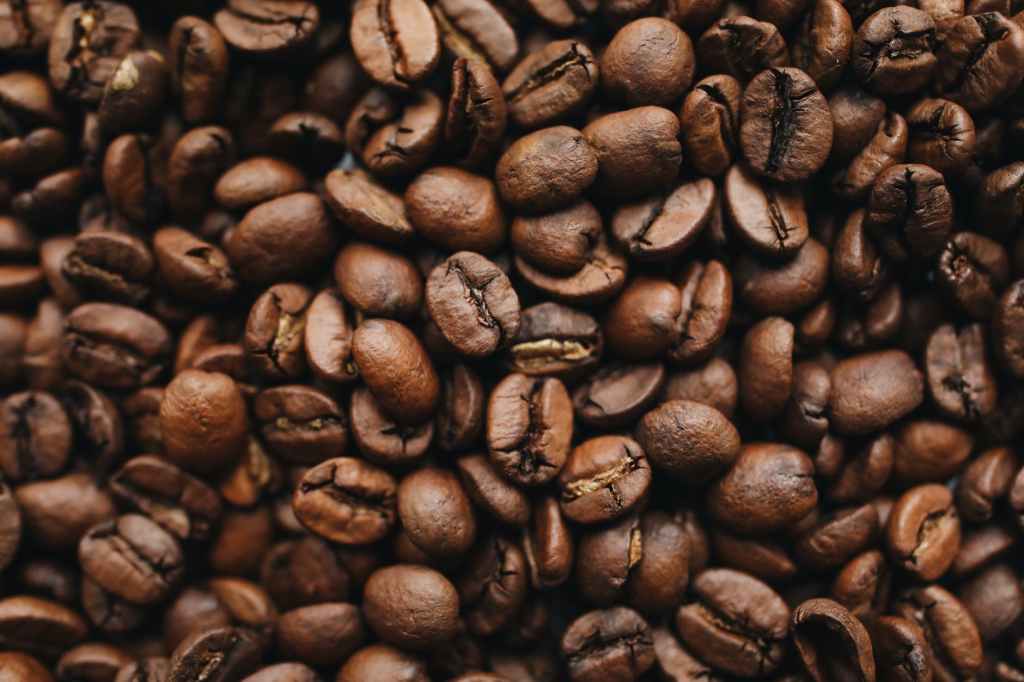
International Coffee Day ☕️

Okay, this is one of those “silly” holidays that hold no real history or bearing and that most wonder if they should actually be “celebrated.” But I enjoy including some of these from time to time, especially when they relate to something near and dear to me. And I love coffee. It’s no secret that I’m a big fan of caffeine, and since coffee is consumed pretty much everywhere in the world in some form or another, I though I would throw a few facts out for International Coffee Day

The first thing would be the development of this holiday. The International Coffee Organization in Milan came up with this little gem back in 2014. Depending on your source, the holiday is celebrated either on October 1st or September 29th. According to a Wikipedia post, International Coffee Day is celebrated on different dates ranging from early January to early October, depending on what country you hail from. I’ll stick to Canada’s September 29th.

I couldn’t find exactly how one “celebrates,” other than to consume and enjoy a nice, hot cup of coffee. And most people do this on a daily basis, anyway. But now is as good a time as any to remind you of some of the potential health benefits of coffee, so long as with all things, you consume in moderation. Avoiding the fact that many experts believe we’ll run out of coffee beans by 2080 due to climate change, let’s examine my top five benefits of coffee:

  1. Coffee will make you less tired: This one should be pretty obvious, but I always like to start WITH the obvious one. Caffeine is a stimulant, and once it hits your blood stream and reaches your brain, it can help wash away fatigue;
  2. It’s good for you: As long as you don’t douse your coffee with a bunch of sugar and loads of creamer, black coffee has zero calories, zero carbohydrates and contains a batch of B-vitamins as well as Potassium;
  3. Coffee makes us happier: This is another d-uh moment. If you’re a coffee drinker, there’s a noticeable “pick-me-up” effect, due in part to caffeine’s stimulant effect but also because we enjoy the coffee. Any good part of your day is a good part of your day, and will make you happier;
  4. It can help stem Type-2 Diabetes: Despite having Diabetes myself, albeit Type-1, I’m a touch skeptical on this one. But there are a batch of studies that have apparently shown that coffee drinkers have a reduced risk of Type-2 Diabetes;
  5. Coffee is high in antioxidants: Next to the occasional glass of red wine, coffee contains a huge amount of antioxidants and can help clean you out from the bad stuff.

Healthline.com has a fantastic article entitled 13 Health benefits of Coffee, Based on Science, which outlines not only the five I mentioned above but eight more benefits as well. And I mentioned moderation earlier because as with all things in life, moderation is key. Overconsumption of caffeinated beverages can pretty much worsen or CAUSE the opposite of all the benefits I have listed above.

I also forgot to mention my favourite benefit of black coffee: the enjoyment. If you had told me I’d love coffee this much, twenty years ago, I’d have called you crazy. But with all the different blends, types and flavours, there’s a lot to be experienced and enjoyed simply from that small cup of steaming liquid you start your day with. So, hopefully you did. After all, it’s International Coffee Day! ☯

Oh, You’re THAT Buddhist!

Every once in a while, I get someone who asks me a very particular question. It’s one that always baffles me and makes me wonder where they figure it’s a good idea to ask, but one I usually try to answer anyway. That question is, what are the different types of Buddhism? It’s not that it’s an inherently bad question, per se. It’s simply a wonder as to how I’m supposed to know about them all. It would be like asking a Catholic how many Christian denominations there are in the world. Belonging to one wouldn’t necessarily give insight to the other.

That being said, I can provide a brief answer based on what I’ve researched (and of course, what I study myself). Let’s start with the basics, shall we? Buddhism originated in India, sometime between the 6th and 4th Century BC. Given its depth of spirituality, philosophies and beliefs, it can seem like a pretty complicated religion. But it’s actually a quite simple way of life. And although it can easily be viewed as a generalization by those who have studied in-depth, Buddhism can be classified as two main branches: Mahayana and Theravada, with some sources citing one or two other branches. But I’ll leave those alone.

Both branches follow the Four Noble Truths, The Noble Eightfold Path as well as The Three Jewels (Buddha, Dharma and Sangha). But from there, the branches move away from one another in that their perspectives and sources of information, as well as how they believe nirvana can be achieved, start to differ. Each of these two main branches have multiple sects, offshoots and schools of thought.

This separation is often thought to be a result of some of the Buddha’s original followers heading out and establishing their own group of followers, following the Buddha’s death. This would without a doubt lead to some minute, almost imperceptible changes in some of the teachings as they were passed down, leading to a separation in what would have originally been Buddha’s teaching.

I, myself, for example study Zen Buddhism, which is an offshoot of a Chinese Mahayana form of Buddhism. Zen focuses heavily on meditation, awareness, equanimity and empty-mindness, which functionally speaking, works extremely well in tandem with training in traditional martial arts. Zen Buddhists believe that mental purity and ignorance block the path to enlightenment, hence the emphasis on meditation.

Equanimity is an aspect of Zen that I focus on quite a bit and usually freaks some people out. In the event that you’re too lazy or not interested enough to Google it, equanimity is a practice of composure and controlling one’s emotions while preventing any outward displays of said emotions. You could almost say that Zen Buddhists are the vulcans of the Buddhist world. It’s given me the ability to keep myself in check and maintain composure in situations where most people would have lost their proverbial shit.

There are so many details and SOOOOOO much information on this subject, that in order for me to write a composite post that would explain everything would take a greater amount of time than I actually have available to me, especially with a five-year old who hangs off my every movement! There are a number of decent websites that can provide a synopsis of what every main branch and sub-type is based on. My best suggestion would be to find some that truly interest you and to research it further.

The only warning I would provide is that while learning about any given subject is a good thing, it’s easy to fall down a rabbit hole and fall prey to inaccurate information. If curiosity fuels your fire, I would even suggest seeking out your nearest Buddhist temple, monastery or school and see about speaking to someone in person. I can promise it would be an enlightening experience (see what I did there?) ☯

It’s Okay To Skip A Step…

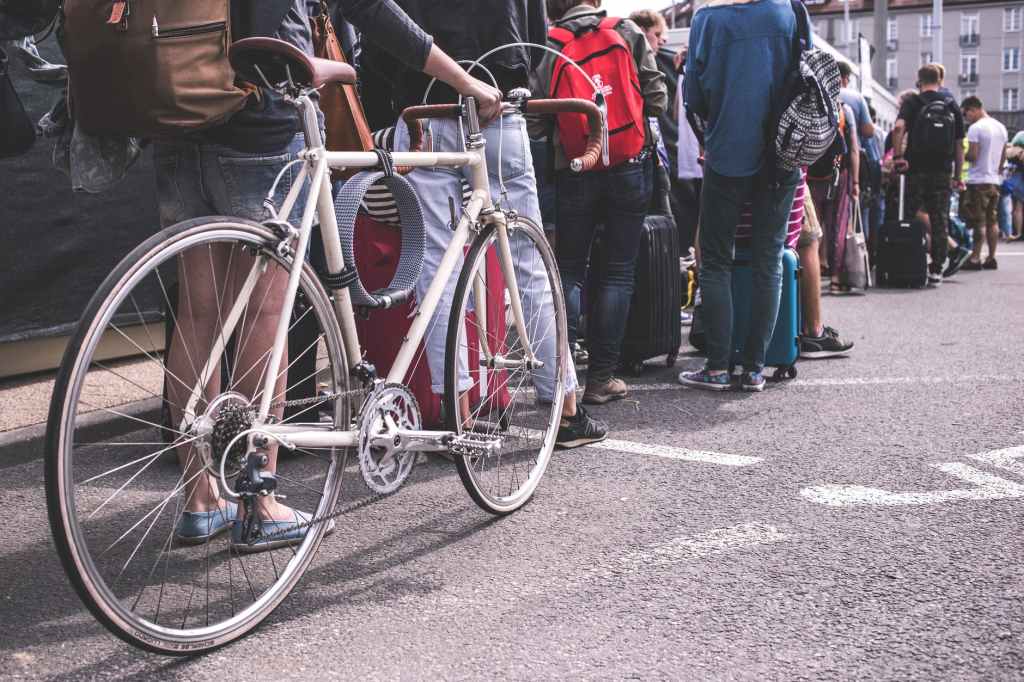
I hate cardio. This probably comes as a surprise, coming from someone who believes that if you aren’t dripping in sweat when you’re done, it wasn’t a workout. And the truth of it is, I do enjoy cycling. But that’s mostly because it allows me to get outside, reconnect with nature (to a degree) and keeps the cardio aspect buried in the background. The best of both worlds. But to say that I’m heading out for a run or doing cardio for the sake of doing cardio would be a stretch.

Cardiovascular endurance training is important for one’s health. According to an article posted by the Mayo Clinic, cardio exercises help to strengthen your heart and muscles, burn calories, help control your appetite, increases sleep, promotes joint movement and helps to manage Diabetes. Cardio can be a long-term or long-distance thing, like long-distance cycling or swimming 30 laps in a pool, or something incorporated into a weight or resistance workout, such as jumping rope.

Jumping rope is an easy, convenient way of including some light cardio into your workout routine. I’ve kept a jump rope in my gym bag for the past ten years, and I make use of it whenever I get the chance. Jumping rope can burn a wicked amount of calories; several hundred calories in a 15-minute period, in fact. It can help improve overall balance and coordination, not to mention that the heart benefits are the same as with traditional cardio. And although it can be taxing on the knees and leg joints, doing it properly is considered a lower-impact than something like running.

I like to incorporate it by using it with circuit or interval training with karate techniques. For example, I’ll do a minute of front kicks, followed by a minute of high-speed jump rope. Then a minute of the next kick and a minute of high-speed jump rope. So on and so forth. Sometimes I’ll simply use it as a warm-up or a cool down. A good quality jump rope is portable, convenient and low-cost. You can stuff it into any gym back or backpack and all you need is about a 25-foot square of space.

As much as I dislike cardio, it is a necessary aspect to proper health and fitness. And there’s no denying that it also helps with the blood sugar control and sleep quality required for someone with Type-1 Diabetes. If the last time you used a jump rope was during a spirited game of double dutch during your school years, you’ll want to start slow and ensure you do it on a stable surface. Avoid grass or carpet as it can snag the rope or catch against your footwear. ☯