
I’ve been trying to thin my gut for the past few years, now. The current pandemic hasn’t helped. I’m sure that I’ve gained almost twenty pounds in the past two years. I call it my “COVID-19,” as in 19 pounds gained. My father is an extremely heavy man, sitting at roughly 330 pounds. Through my teens and my 20’s, my goal was to never allow it to happen. In my father’s case, his genetic predisposition and the fact he’s paralyzed and wheelchair-ridden contributes to his overall condition.
The point is, I’ve allowed my fitness to take a seat (pun fully intended) as I started a new job a couple of months ago and felt that I should focus on THAT. It’s been great and wonderful and I’m happier in my weekly grind than I ever have been before. So that part is not the issue. But finding myself suddenly rooted to a desk for 45 hours a week has had a negative result. This is in contrast to the previous year, where I was home and could contribute full afternoons to cycling for 80 kilometres and train when I wanted.
For the past few weeks, I’ve indulged in a reduced-carb diet. I haven’t eliminated carbs, mind you. It’s important to remember that carbohydrates are a source of fuel for the body and are necessary for the proper energy levels required to maintain one’s daily life. Although insulin acts to reduce the blood sugar levels caused by the consumption of carbohydrates, there must be a balance. Not an elimination.

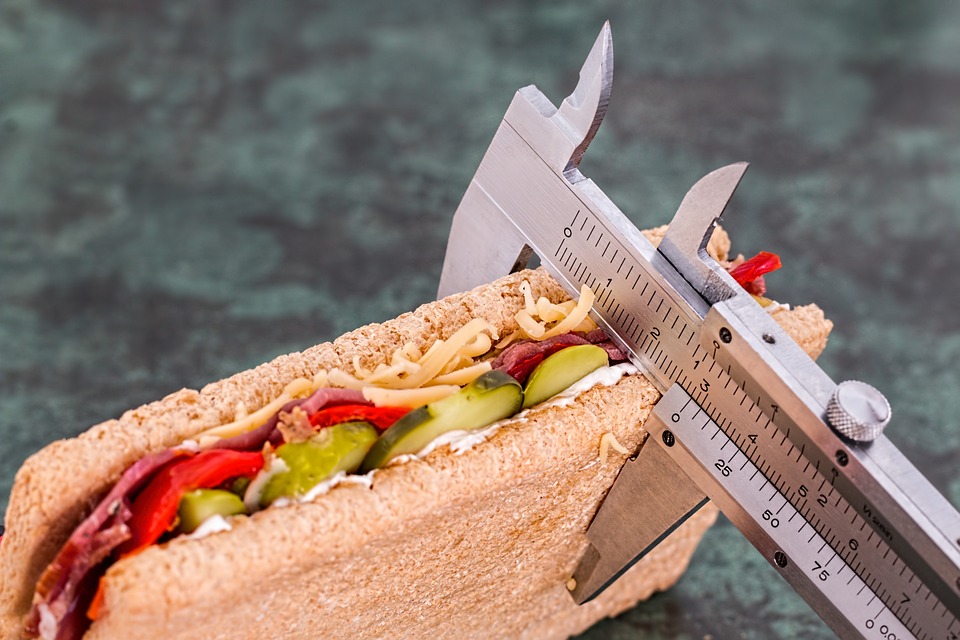
There’a lot you can do to improve things, from a carbohydrate standpoint. I, for example, focus on having two out of three meals a day without carbs. A good example is the breakfast I have shown in the photo above. What you’re looking at is six scrambled eggs with ham, lightly sprinkled with some grated nacho cheese. Completely crab-free (although not entirely fat-free) and filled me to last until lunch. Another important detail is that I don’t always eat six eggs in one sitting. I just happened to make breakfast on a morning that I realized my eggs were expiring the following day.
Full meals can be had on lean proteins and vegetables. It’s important to remember that some types of dairy DO contain carbohydrates, like milk for example. And not al vegetables are carb-free. Starchy vegetable like potatoes and some other ones like corn, are also ridden with carbs. It’s important to recognize those facts when meal planning, so that you don’t get caught by surprise with a sudden blood sugar spike. My final meal of the day will usually include some bread or a small portion of pasta. Even though I SHOULD include carbs, it doesn’t mean I consume a massive amount.
What’s the point, you may ask? Good question, and the answer is simple. Through reduce-carb meal planing, I’ve shed almost ten pounds in the past month. It fluctuates on a day-to-day basis, as it does with most Type-1 Diabetics. But having reached almost 220 pounds when I last visited my endocrinologist, I was tickled pink to see the scale stop at 208 pounds, just last week. Fitness needs to be included in this, of course. I did a nasty workout last week that still has my legs feeling sore. But my motivation is strong and my focus is true. Not elimination but reduction can be a way of helping you reach your weight and fitness goals, Diabetic or not. ☯








 The Blogging Buddhist