
I’ve often written about different aspects of maintaining one’s health through proper cleaning or hygiene. Things like cleaning and maintaining your workout gear, showering and maintaining personal hygiene and disinfecting or wiping down equipment or exercise gear are all integral parts of avoiding some of the nastiness that can be associated with sweat, bacteria and possible infections. But one aspect that I was never really aware of, or put too much stock in, was the cleanliness and safe use of a water bottle. I mean, really, if all you’re putting in your water bottle is water, how can it ever truly get dirty, right? Well, it’s not altogether that simple and failing to ensure your reusable water bottle is clean and sanitized can lead to some nasty health issues. It’s an issue that I never really noticed until I became a father, if I’m being honest. Toddlers who begin to carry around a sippy cup became the culprit where I realized better efforts had to be taken. Let’s talk about why.
I started to notice over recent years, as both my sons have reusable water bottles, that after prolonged use, small trace amounts of black mold would begin to appear in many of the nooks and crannies of the bottles. Because a child’s water typically has complicated parts like spring loaded lids and multiple gaskets almost requiring a degree in engineering to clean, we often allow our children to refill their water bottles on their own throughout the course of a day. The issue with this approach is that children usually won’t be mindful of how nasty their bottles get and will keep chugging back the water regardless of the state inside the bottle. While I applaud their willingness to consume water consistently (light knows I could stand to do better in that regard), these trace amounts of mold have the potential to be ingested and cause some health issues over the short and long term
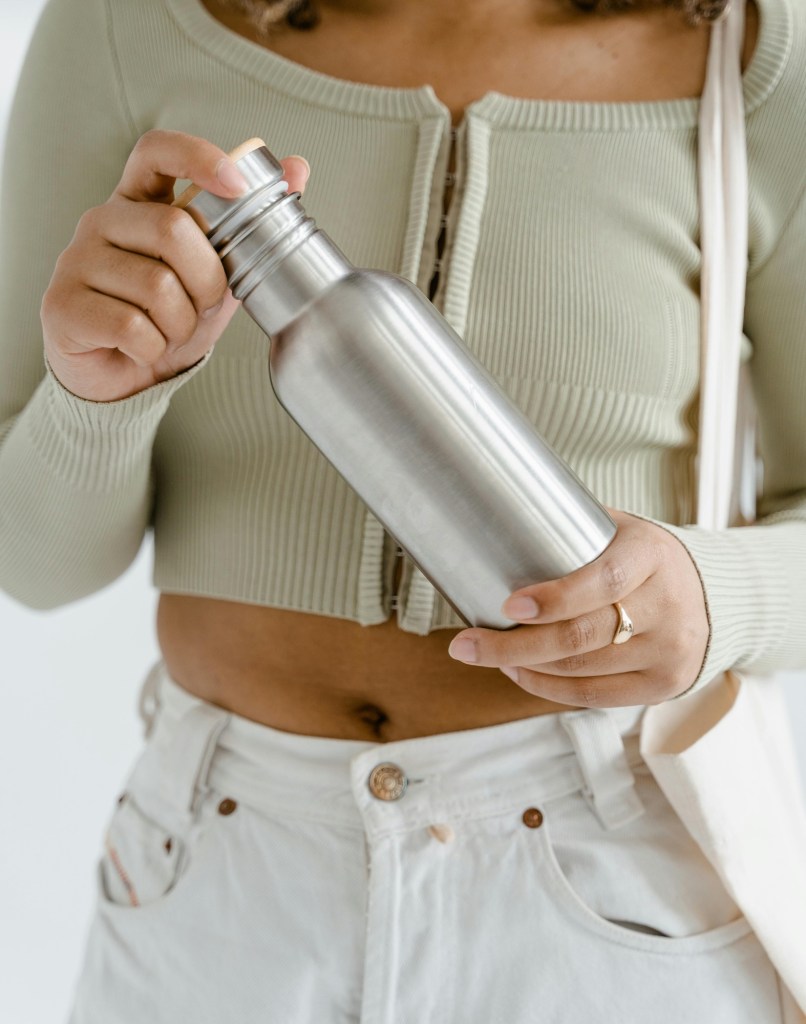
So, let’s start with the basics. What is mold? For most people, they assume it’s the black stuff that accumulates on their bathroom walls near the shower. And this isn’t wrong. Mold is generally referred to as a fungal growth that appears and grows in humid environments, such as showers and damp corners. But this can apply to one’s water bottle, as well. If your water bottle is made of something smooth like molded plastic or stainless steel, you may wonder how mold could possible grow within it. The problem doesn’t come from JUST the water, although this can be part of the issue. Reusable water bottles consistently hold water, making them persistently wet or damp, even when empty. As one drinks often from their bottles, other substances are introduced into the bottle, such as one’s saliva or remnants from whatever you ate last (or in my sons’ case, fishy crackers and nachos). Any bacteria or organic material that’s introduced into the bottle will cause fungal growths to thrive and grow within your water bottle, leading to that tell-tale black spotting in, as I said early, the multiple nooks and crannies of your water bottle.
If you’re not entirely disgusted and are still reading this post (thank you, BTW), it’s important to know the specifics about what’s happening and how to avoid it or reverse it. According to an article by the Cleveland Clinic, the health risks associated with ingesting mold can include but are not limited to stomach issues, allergic reactions, respiratory problems and even infections. This is particularly concerning for me, since the past few years have seen me develop lung infections for a couple of months at a time. Makes me wonder if it came as a result of not cleaning my water bottles often enough. The article also goes on to explain that, “Despite its reputation, mold may not always be obvious. As Dr. Sumego points out, the first signs of mold may be a more subtle, slimy texture. ‘If you’ve ever let your bottle get to the point where there’s a thin film — it’s called biofilm — that’s a sign that bacteria and mold are building up,’ she says.”
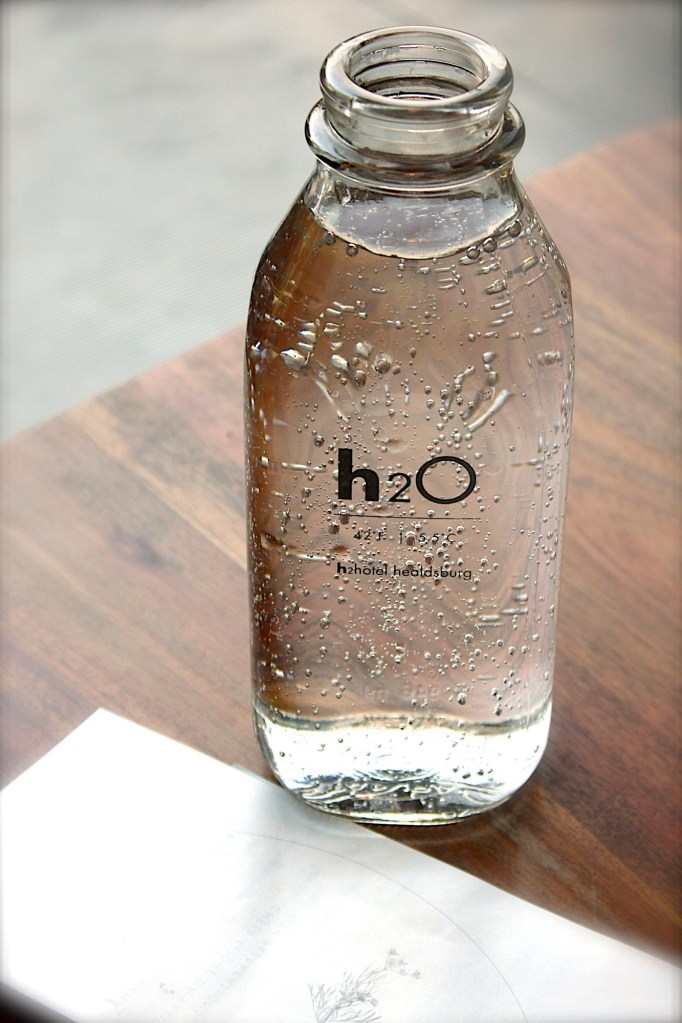
The important thing to remember is that your reusable water bottle needs to be cleaned regularly, regardless of whether you think you’re seeing mold or not. If you’re not seeing the telltale black spots, the article does indicate that you can tell if there may be mold present if there is an unpleasant smell, like an earthy or musty smell, if the water is cloudy or if there appears to be a film reminding on the walls or components of your bottle when it’s been emptied. And the obvious one, is the taste. If you’re pouring plain old water into your bottle and it has a bad taste to it, stop drinking it! One important aspect is that you increase your chances of mold in your bottle if you use it for anything other than water, such as sweetened drinks, powders or syrups that you might add for flavor. Myself, I often use a packet of electrolyte powder in my water. Frequent use of these additives can cause a buildup within the gaskets and nooks of your bottle, leading to prime growth opportunity for mold.
The Cleveland Clinic article does indicate that if you’ve taken a few sips of water and believe there may be mold, you’re not likely to experience any ill effects from it but you should stop drinking from it immediately and get to cleaning it. Depending on the type of water bottle you have, you need to start by taking it apart. This is why my boys’ water bottles are a nightmare, since they have several gasket, rubber parts, straws and lids. But you need to separate all those pieces. You can’t prevent mold growth if there’s the opportunity for anything lurking in those areas to remain. Then using hot water and dish soap, start scrubbing like hell! We use pipe cleaning brushes at home, and I have a larger, firm-bristled brush that cleans the main interior of our water bottles. Remember to rinse out and clean your brushes after every use so that you aren’t throwing whatever was previously scrubbed back into your bottle. Wash all the individual parts completely and rinse them thoroughly. This is one of those times where the instruction wash, rinse and repeat is factual. Scrubbing twice is not a bad idea.
The last detail that’s important is to allow the bottle and all the individual parts to completely air dry before reassembling any of it. This will prevent any further mold from growing. At least until you’ve used it a bunch and need to wash it again. Reusable bottles are fantastic. They’re better for the environment, you can avoid shit like microplastics and you’ll likely get more fluid volume for your buck than your standard 500mL store-bought water. But keeping things clean and sanitized is key to preventing unnecessary health issues. One can’t always prevent everything that can potentially happen, but it’s important to take the important steps when you can. And there’s nothing more important than staying properly hydrated. Just make certain you’re doing it clean! Food for thought… ☯️

 The Blogging Buddhist