
This feels like one of those posts where I should clarify that I’m not a doctor or health professional, and I base the content of my posts on personal experience and my own, independent research that I find online. So, read at your own leisure but take it for grain of salt until you can consult your own healthcare professional. There it is. Now, on with the post… For most of our lives, we’ve been told to brush our teeth. This seems like a pretty common and obvious hygiene practice, and is societally expected among other things like wearing deodorant and showering. But in the busy hustle of life, brushing one’s teeth can be one of the most easily overlooked hygiene practices, even in the western world. In looking up information for this post, which was triggered by my wife and children attending scheduled dental visits, it was difficult to find anything definitive on the origins of brushing one’s teeth. The one common theme among the varying sources I read, is that the practice is actually several thousands of years old, with people using “chew sticks,” which are twigs or branches taken from certain trees. These wooden pieces would fray once snapped, making a small, makeshift brush.
Prior to that, ancient humans ate a diet mostly consisting of plants and fruits, and this high-fiber diet would promote proper oral hygiene, eliminating the need to brush. But things have changed since then, which probably explains why I ALWAYS get that one strand of meat stuck in that same spot, every time I eat a strip loin. Bloody hell… But I digress… It wouldn’t be until the early decades of the twentieth century that the modern day toothbrush would make an appearance and daily brushing became not only the norm but the expected societal standard to make sure your breath won’t stop a clock. But some of the practices and the understanding we have behind proper oral hygiene has changed over recent decades. As a child, I was essentially told to brush my teeth three times a day; after each meal but certainly upon waking and before bed. Sometimes, because snacking is a must, brushing a fourth time happened. As a child, I had no dental issues but yet I always had the dental hygienist bitching at me to brush more or floss better. The constant nagging made it so that I developed a sincere dislike for the dentist’s office as a child.
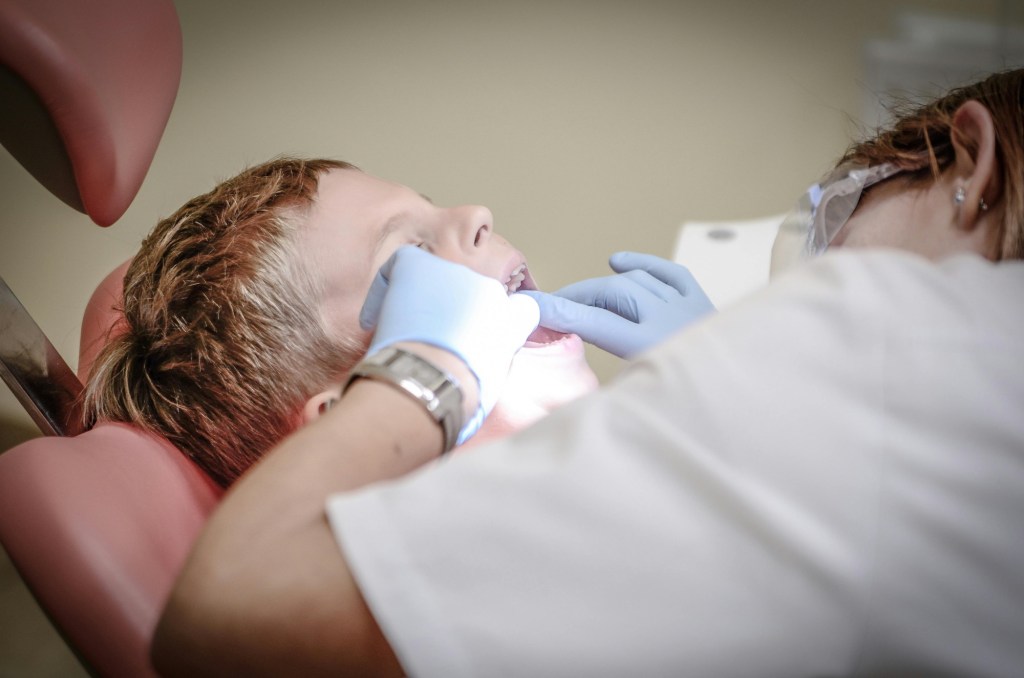
When I was younger, the premise was simple. If you don’t brush your teeth, you’ll get cavities and lose your teeth. Full stop. That was the concern. Your breath will smell bad and your teeth will fall out. If you want to successfully eat independently for years to come, make sure you keep brushing and flossing. Pretty simple premise and makes a lot of sense. On the surface. But research over the past couple decades have peeled back the onion, or the proverbial gum line if you will, and have shown that there is a lot more inherent risk to poor oral hygiene than simply losing one’s teeth. Not only have connections been made to things like gum disease and periodontitis, but since the gums have connections to your circulatory system, there are also implications for heart and organ health, Diabetes complications and allowing increased bacterial strains entering the bloodstream and infecting you in various ways. Imagine getting a heart attack or having a stroke because you didn’t brush your teeth?

According to an article posted by the Mayo Clinic, “Like other areas of the body, the mouth is full of germs. Those germs are mostly harmless. But the mouth is the entry to the digestive tract. […] The mouth also is the entry to the organs that allow breathing, called the respiratory tracts. So sometimes germs in the mouth can lead to disease throughout the body.” SO, the bottom line is that your mouth is an open, easy access for germs and bacteria to access other areas and systems within your body. The article goes on to say, “Most often the body’s defenses and good oral care keep germs under control. Good oral care includes daily brushing and flossing. Without good oral hygiene, germs can reach levels that might lead to infections, such as tooth decay and gum disease.” This means that poor oral hygiene or not brushing your teeth enough can contribute to far, far more serious issues than simply just your teeth falling out.
What does this mean for me and my fellow Type-1 Diabetics? Well, the reality is that as a Diabetic, my body’s immune system is basically there but not doing its job, making my body’s immune system far more susceptible to infections and less capable of fighting them effectively. This means that if some of the nasty that percolates in the ol’ mouth makes its way into my system, the results can be far more dire than for the average joe. This makes proper oral hygiene and teeth brushing all the more important for me. The article does describe issues for Diabetics, as follows, “Diabetes makes the body less able to fight infection. So diabetes can put the gums at risk. Gum disease seems to happen more often and be more serious in people who have diabetes. Research shows that people who have gum disease have a harder time controlling their blood sugar levels. Regular dental care can improve diabetes control.”
Imagine your blood sugars being off because you don’t brush your teeth enough? This can be a real possibility. Although I’ve always done my best to try and stay consistent with brushing my teeth, I don’t always have time to run floss and there are busy days at work where I can admit that I don’t get to brushing for an actual day. I’ve been wondering if, over the past couple of years, this may have contributed to my bronchitis and pneumonia issues that I’ve faced, since the Mayo Clinic’s article does explain that some germs can make their way into the lungs and contribute to pneumonia and other respiratory issues. So, this may be a possibility. I can guarantee that I’ve upped my game in this area. It’s a bit difficult to rationalize losing weight, exercising, eating well and monitoring/controlling my blood sugars with a fine tooth comb to help combat the symptoms of my condition, yet something as simple as consistent oral hygiene gets ignored.
So, what is consistent oral hygiene, and how much should you be doing? The prevailing thought these days is that you should be brushing your teeth a minimum of twice a day. This is done for about two minutes each session, using a soft-bristled toothbrush to prevent irritating and damaging your gum line. During my son’s most recent dental visit, it was recommended that if you can only brush your teeth once during the day, it should be right before bed. This makes sense, as it ensures that you’re not allowing food remnants and bacteria to sit and do as they will all night while sleeping. Flossing daily, using floss or a “water flosser” is important, as there will always be food remnants between teeth that won’t be removed by brushing. I, myself, have a water pick, which is interesting and a different means of flossing one’s teeth. It apparently has the benefit of getting at more areas and cleaning between the teeth better than traditional floss, IF you can get the hang of it. While I stick to traditional floss, when I take the extra time to use the water flosser, I usually end up making a mess more than anything else.
Be sure to replace your toothbrush ever three to four months. This is, I’m certain, the one aspect people seem to overlook the most. While you should replace your toothbrush as soon as it begins to become worn or the bristles start to flare out away from the center of the brush, most people will usually hold on to a brush for far longer than they should. Keep in mind that this bad boy is being ground into the area of the mouth containing food particles and bacteria, and there’s no easy and effective way to clean one’s toothbrush. Oh sure, there are UV trays that apparently disinfect and clean toothbrushes. I don’t know how effective these are or if they actually work, but it’s likely more cost effective to just splurge on a two-dollar toothbrush every few months than paying for some gimmicky device to clean it. Avoiding things that stain your teeth, like red wine and/or tobacco products is recommended. Even though we all dislike being in the magic chair and trying to answer questions with someone’s fingers and dental tools in one’s mouth, yearly dental visits at minimum should be considered, since dental professionals will have the tools and ability to clean areas that you may not get access to, from home.
They also have the ability to help with the removal of dental plaque and provide fluoride and other treatments to help with overall oral health. Don’t forget that dentists are medical professionals and will have the ability to assess and treat potential dental conditions or gum disease, which, based on what I described above, becomes critically important. Not only to preventing all the nasty stuff like heart conditions and stroke that the article describes, but also to help with proper Diabetes and blood sugar control. And given that I’ve caught pneumonia and bronchitis for the past two years that have seen me hacking and on meds for a couple of months a shot, I’ll be paying significantly deeper attention to my proper oral hygiene. All other things aside, I plan on sticking around for decades to come. I’d like to do it with my teeth intact. Nothing sucks more than trying to eat a steak through a straw. Food for thought… ☯️

 The Blogging Buddhist